There are a thousand ways to die
without ever ceasing to breathe.
I know,
because I have been disappearing
for longer than I care to admit.
Not all graves are dug into the earth.
Some are made of ordinary days,
of mornings that become evenings
without anything worth remembering
happening in between.
And some of us are buried so slowly
we never notice the weight of the dirt.
I used to think that living
was something that happened naturally,
that as long as my heart kept beating,
I was somehow participating.
But there is a difference
between being alive
and having a life.
And somewhere along the way,
I stopped knowing what that difference felt like.
I have watched the seasons change
through windows I no longer open.
I have celebrated birthdays
without feeling any older,
only further away
from the person I thought I would become.
I have answered questions,
returned smiles,
made plans I knew I wouldn't keep,
and told people I was fine
because explaining the truth
would require a kind of energy
I no longer possess.
There is something particularly cruel
about a body that refuses to die
while the person inside it
slowly forgets how to live.
And the worst part
is how ordinary it all becomes.
The dishes still need washing.
The bills still need paying.
The world still expects you
to make appointments,
remember birthdays,
and decide what you want for dinner.
As though wanting
were still something you knew how to do.
I wonder sometimes
how much of me has already gone.
How many things I once loved
have quietly slipped away
without my noticing their absence.
How many dreams have died
without the dignity of a funeral.
How many versions of myself
I have left behind
without ever saying goodbye.
I wonder whether there will come a day
when I look in the mirror
and find that nothing remains
except the familiar arrangement
of a face I used to recognize.
Because that is the thing about decay.
It doesn't announce itself.
It happens in the dark,
in the places nobody thinks to look,
until something that once held life
can no longer remember
what it was made to hold.
And I am frightened
by how accustomed I have become
to my own absence.
How easily I let another day pass.
How little I ask of tomorrow.
How often I mistake
the endurance of another twenty-four hours
for the accomplishment of living.
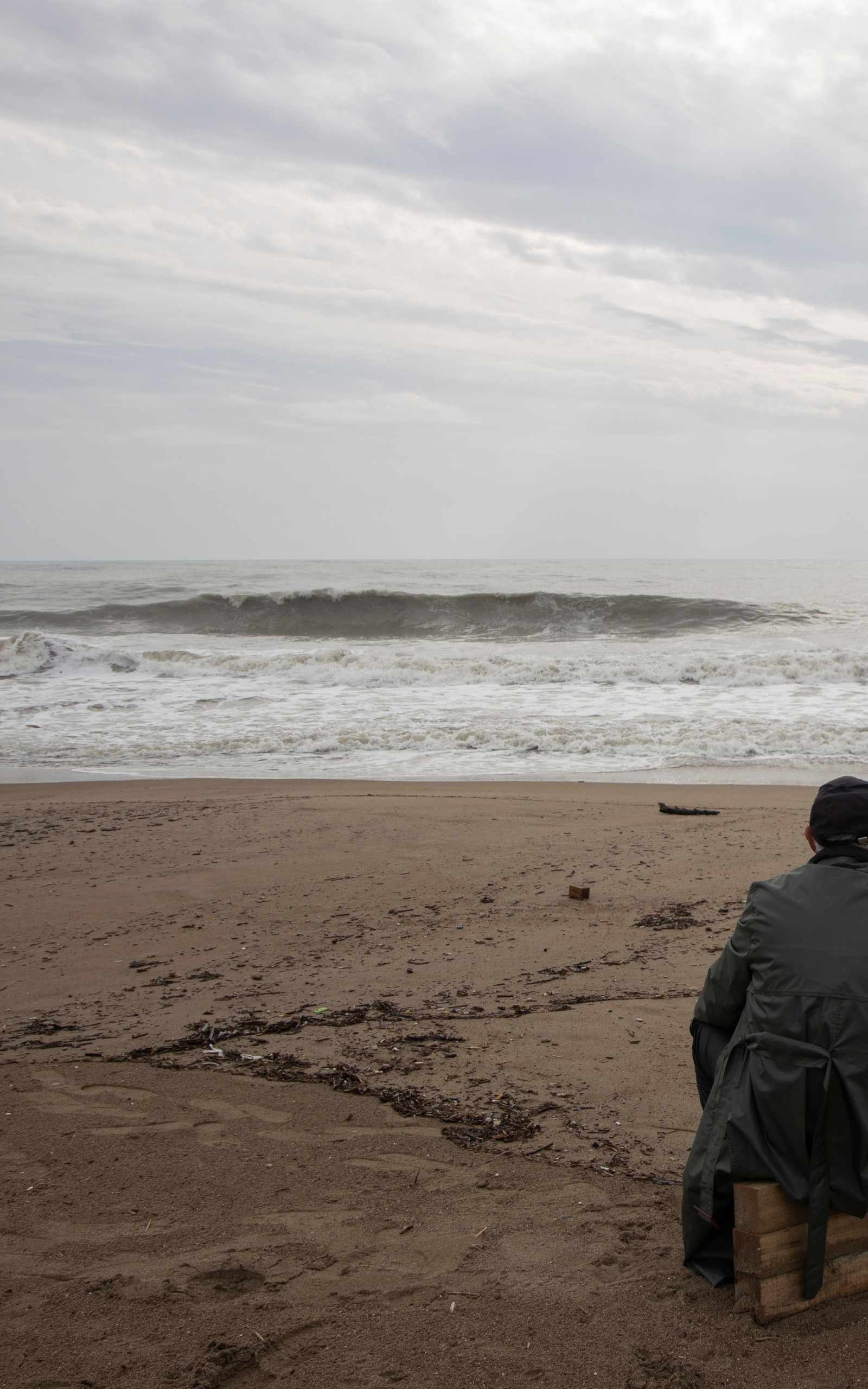
I am not buried alive.
There is no coffin,
no earth above my head,
no desperate scratching
at a lid that will not open.
There is only me,
standing in the middle of a life
I no longer know how to enter,
watching the world continue
as though I haven't gone anywhere.
And perhaps that is what frightens me most.
Not that I am dying.
But that I am decaying alive,
and somewhere beneath
all the things I have stopped feeling,
there is still enough of me left
to know what I am losing.
KEEP MY WORDS ALIVE
If this poem has stayed with you, you can help keep my words alive. Every bit of support helps carry the stories forward.
WHERE WORDS MEET MORNING LIGHT
BEGIN EACH Week WITH SOMETHING BEAUTIFUL
Every Sunday, at 11:11AM, I send a poem — sometimes soft, sometimes devastating, always truly felt.
💚 Subscribe now to read and breathe and feel along with me 💚
Poetry by Britt Wolfe:
Some losses cannot be repaired, no matter how much time passes or how desperately we wish things could be different. Beyond Your Stopping Point is a poem about learning to carry the unbearable weight of losing someone, not because grief grows lighter, but because we slowly grow accustomed to its presence. It explores the quiet heartbreak of continuing to live beyond the place where someone else's life ended, of growing older without them, collecting memories they will never share, and walking into a future they cannot follow. A reflection on love, endurance, and the things we never truly leave behind, this poem asks what it means to keep moving forward when a part of our hearts will always remain where someone else's journey stopped.
There are conversations we never realise will be our last, ordinary words we would have held onto more tightly if we'd known we'd never hear that familiar voice again. Where Your Voice Used to Be is a poem about the strange, enduring intimacy of grief, about all the things we still want to share with someone who is no longer here to listen. It explores the love, regret, unanswered questions, and everyday moments that keep us speaking to those we've lost, long after the world has fallen silent. Because sometimes the hardest part of losing someone isn't having nothing left to say. It's having a lifetime of things to tell them, and nowhere for the words to go.
What happens when the world keeps moving, but grief leaves you stranded in the moment everything changed? Staring at the Ceiling is a hauntingly intimate exploration of the quiet paralysis that follows profound loss, when days dissolve into weeks, seasons change without consequence, and life becomes something that happens around us rather than something we participate in. It captures the unbearable monotony of waking each morning to the same devastating absence, the loneliness of watching a world that has already moved on, and the terrible realization that time does not wait for broken hearts to heal. For anyone who has ever lost entire days to sorrow, only to discover that the hardest part of grief isn't watching time pass, but knowing that every passing moment carries us further from the last time someone we loved was still here.
They say that when you're lost in the wilderness, the best thing you can do is stop wandering, sit down, and yell until someone finds you. But grief is a different kind of wilderness. There are no familiar landmarks, no trail to retrace, and no guarantee that anyone will hear you calling. When Lost, Sit Down and Yell is a poem about the terrible disorientation of losing someone you love, the exhaustion of being told to keep moving forward, and the heartbreaking truth that the person you most want to find you is the one who never can.
What happens when a poem that once made you smile becomes the very thing that haunts you? The Man Who Wasn't There is a deeply intimate and heartbreaking exploration of grief, memory, and the unbearable persistence of someone who is no longer here. Inspired by Hughes Mearns's Antigonish, it tells of a familiar verse transformed by loss, when words once spoken with amusement become a painful reminder of everything that can never return. It is a poem about the voices we can still hear, the people we almost find in ordinary moments, and the devastating distance between remembering someone and having them beside us. For anyone who has ever found themselves haunted not by a ghost, but by the absence of someone they would give anything to see again.
We like to believe that endings come when everything is finished. When the right words have been spoken, the important things have been said, and we've had enough time to make peace with what comes next. But life rarely affords us that kindness. Sometimes people leave with promises still to keep, relationships end with love still lingering, and entire futures disappear before they've had the chance to begin. Unfinished (But Still Over) is a poem about the heartbreak of everything left unsaid and undone, and the painful, reluctant acceptance that something can be over long before we're ready to let it go. Because perhaps the hardest part of an ending isn't losing what we had, but learning to live with everything we thought we still would.
What happens when grief becomes so consuming that even sadness begins to disappear? Numb and Colourless is a haunting exploration of the emotional emptiness that follows profound loss, when the world continues in all its magnificent colour, but nothing feels beautiful, terrible, meaningful, or worth anticipating anymore. It is a deeply desolate reflection on the frightening space between existing and living, where love becomes something remembered rather than felt, hope loses its purpose, and even the person we once were begins to feel like a stranger. For anyone who has ever discovered that the opposite of happiness isn't always sadness, but something infinitely more unsettling: the absence of feeling anything at all.
What if the most devastating part of grief isn't the loss itself, but the possibility that there is no meaning to be found within it? Searching for the Blessing is a haunting exploration of our desperate need to find hope in tragedy, to believe that even the cruellest endings must hold some hidden mercy. Perhaps the blessing belongs not to those left behind, but to those who have finally found peace beyond the burdens of living. But what if there is no blessing at all? What if some losses cannot be redeemed, some suffering serves no greater purpose, and love, no matter how profound, cannot make the unbearable worthwhile? A deeply intimate reflection on faith, despair, and the terrifying possibility that sometimes, no matter how desperately we search, there is nothing to find.
What happens when someone you've spent so long learning to live without becomes someone you must learn to live without forever? Breaking for You One Final Time explores the fleeting, irrational sense of betrayal that can accompany an irreversible goodbye, when grief feels almost deliberate and all the possibilities of tomorrow disappear at once. It is a deeply intimate reflection on unfinished relationships, the fragile hope of reconciliation, and the devastating realization that even after all the hurt, the distance, and the things left unsaid, love never really went anywhere. For anyone who has ever made peace with someone's absence, only to discover they were never prepared for the permanence of it.
How much of a lifetime do we surrender to things that never happen? All of the Horrible Things That Never Happened is a poignant reflection on worry, the quiet cruelty of imagined catastrophes, and the precious hours we sacrifice preparing for futures that may never arrive. It explores the heartbreaking irony of spending so much of our limited time fearing what might go wrong, only to discover that time itself was the one thing we could never afford to lose. For anyone who has ever lain awake rehearsing disasters, postponed happiness until everything felt certain, or forgotten to notice the beauty of an ordinary day while waiting for something terrible to happen. 💚
There was a time when a bad day meant spilled coffee, uncooperative technology, and a thousand little frustrations that felt enormous in the moment. But what happens when an ordinary day becomes the one that changes everything? What a Bad Day Used to Be is a heartbreaking reflection on the innocence of everyday inconveniences, the devastating permanence of loss, and the moment our understanding of suffering changes forever. It explores how a date that once held the promise of another tomorrow can become an anniversary of absence, and how the world continues with all its trivial irritations while everything that matters has irrevocably changed. For anyone who has ever wished that a bad day could be something small again. 💚
What happens when love becomes allegiance, loyalty is mistaken for truth, and the people we cherish become strangers beneath the weight of all of it? Emotional Enmeshment is a deeply intimate exploration of invisible family loyalties, the heartbreak of conditional tenderness, and the exhausting search for answers that may never exist. It is a poem about the relationships that might have been, the love that was undeniably real, and the quiet devastation of accepting that some things cannot be repaired, explained, or understood. For anyone who has ever wondered whether different words, greater patience, or a little more love might have changed everything—and is learning to make peace with never knowing.💚
What if the greatest kindness we could wish for those we've lost is that they never know how deeply they're missed? Beyond the Veil is a deeply sorrowful meditation on love, grief, and the quiet mercy of letting go. It explores the hope that death is not another place from which to witness our suffering, but a gentle release from everything that made living so heavy. For those who have ever whispered into the silence, hoping their words would be heard, while wishing, more than anything, that they wouldn't have to be. 💚
Sometimes, the words that sound the angriest are born from the deepest hurt. An Appeal for Justice explores the heartbreak of being misunderstood, the desperation of asking to be heard, and the quiet tragedy of having our pain mistaken for cruelty. It is a poem about the things we say when tenderness has failed us, and the love that can remain beneath even our sharpest words. For anyone who has ever raised their voice when all they really wanted was to be believed. 💚
Grief is a peculiar thing. It doesn't always arrive with dignity or eloquence. Sometimes it comes disguised as irritation, disbelief, or the utterly unreasonable desire to scold someone for something they cannot possibly undo. I've been thinking about the absurdity of permanence, the extraordinary audacity of a world that simply carries on, and the strange way loss can make even our most exasperating memories feel unbearably precious. Well, That Was Stupid is a little irreverent, a little indignant, and considerably more heartbroken than it would like to admit. Because sometimes, when something is too enormous to comprehend, all we can manage is to point at the universe and tell it what an absolutely ridiculous thing it's done. 💚
I've been thinking about how much of our lives we spend carrying things we were never meant to hold forever. The weight of expectations, the exhaustion of being understood, the quiet accumulation of things said and unsaid. How easily we lose ourselves in the noise of living, and how rarely we allow ourselves the simple luxury of peace. A Place Where Nothing Hurts is a tender imagining of what it might mean to finally lay everything down. A reflection on the things that remain when the noise falls silent, the extraordinary beauty of ordinary comforts, and the hope that somewhere, somehow, there is a gentleness waiting for us that asks absolutely nothing in return. 💚
There is something achingly beautiful about the beginning of things, when the future is still an open invitation and hope has yet to learn the language of disappointment. I've been thinking about the distance between who we were and who we become, about the quiet passage of years and the strange tenderness of looking back at moments we once lived without knowing how precious they would become. The Strange Tragedy of Beginnings is a reflection on time, possibility, and the bittersweet privilege of remembering. Perhaps the most extraordinary thing about being human is that, despite everything life teaches us, we somehow find the courage to begin again. 💚
I wrote The Loss of My Life in the wake of my father's death, trying to find words for a grief that began long before he was gone. There is a particular kind of heartbreak in mourning someone you loved deeply, but whose love could also leave you feeling unseen. It is the sorrow of losing not only the person who existed, but the relationship you spent a lifetime hoping might one day become something different. This poem is about the complicated coexistence of gratitude and resentment, tenderness and hurt, love and longing. It's about the memories I will always treasure, the wounds I am still learning to carry, and the terrible finality of knowing that some conversations will never happen, some apologies will never come, and some stories will remain forever unfinished. Above all, it is about loving someone enough to grieve both who they were and who they might have been. 💚
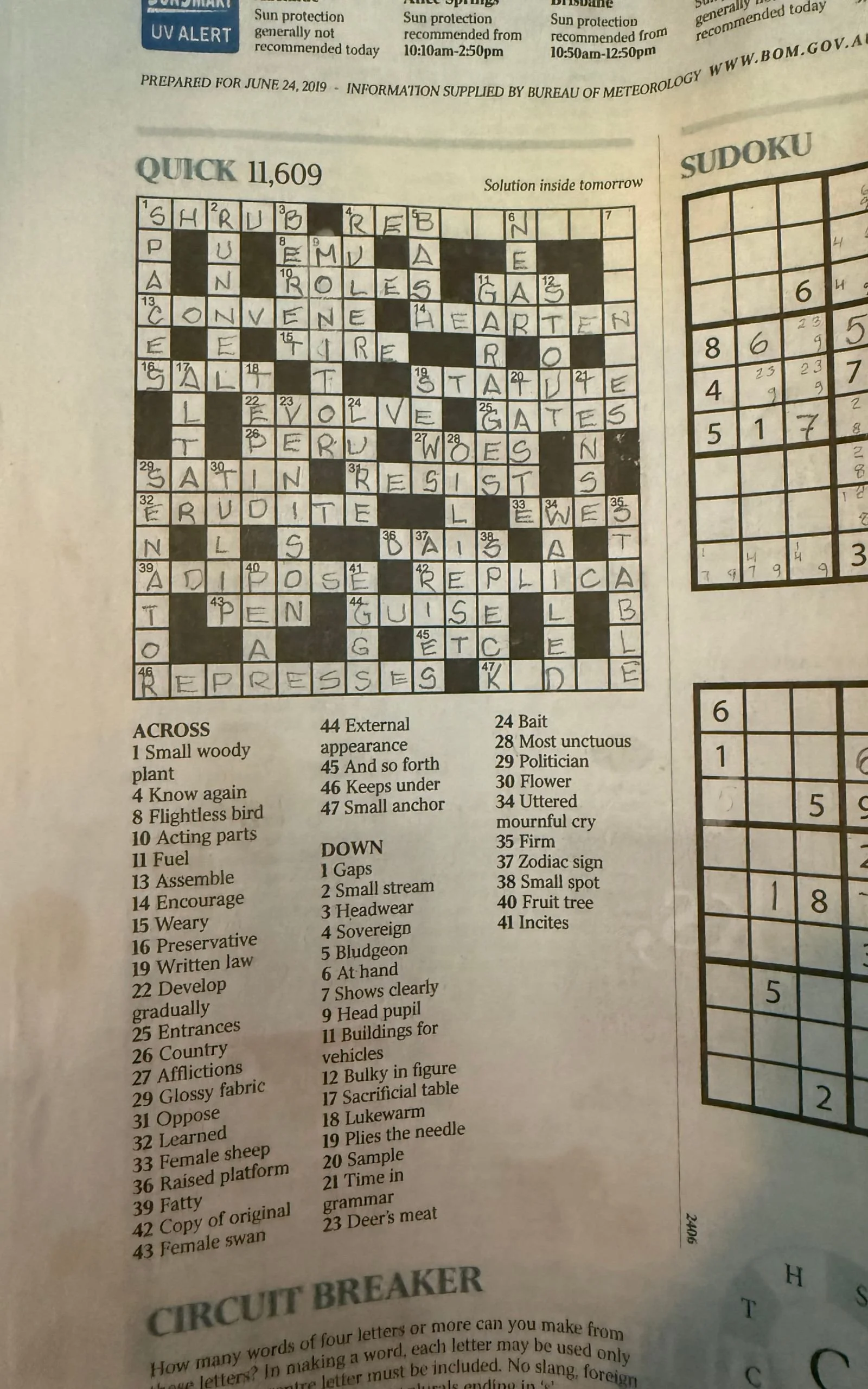
I wrote Crossword Puzzles and Fabric Softener in memory of my dad, who passed away on his 80th birthday. It's about the quiet, ordinary ways love reveals itself, often in moments we don't recognize as extraordinary until years later. It's about the things we keep without knowing why, the small exceptions someone makes just for us, and the questions that remain when a relationship ends before we've found all the answers. Above all, it's about understanding that love can be imperfect, complicated, and sometimes difficult to recognize, but no less real for having existed in the spaces between what was said and what was left unsaid. 💚
Some names are remembered not because they deserved infamy, but because they became convenient. This poem explores the recurring pattern of public blame, forgotten context, and the painful truth that history often chooses its villains before it knows its facts. Somehow, the blame is always hers.
The Midpoint Moves challenges the idea that moderation is inherently moral. When the political right moves further toward the extreme, continually meeting it in the middle does not hold the centre—it moves it. A poem about the dangerous distance between compromise and permission, and what happens when yesterday’s unacceptable becomes today’s reasonable.
Your Empty Message is a reckoning with a left that speaks fluently about inequality, injustice, and systemic failure while governing too cautiously to meaningfully confront them. It asks what happens when progressive language is repeatedly separated from material change—and the political vacuum left behind is filled by a far right more than willing to turn legitimate anger into fear, blame, and division.
There are moments in life when every choice carries a cost, and simply reaching tomorrow becomes the greatest achievement of all. This poem reflects on the quiet courage of survival, and the compassion owed to every difficult decision made in its name.
Some bonds seem to appear effortlessly, while others remain forever just beyond reach. This poem explores the sorrow of searching for a connection that cannot be forced, no matter how deeply it is hoped for.
History is filled with unanswered wrongs and unbalanced scales. This poem explores the unsettling possibility that perfect justice was never meant for this world, while gently wondering whether another horizon may yet hold what this one cannot.
The greatest regrets are not always born from failure. Sometimes they grow from the opportunities never taken, the dreams forever delayed, and the extraordinary life that remained just out of reach. This poem is a meditation on courage, comfort, and the passing of time.
Every beautiful thing asks the same impossible favour: Please don't let this end. Perhaps the greatest privilege of living is having so many moments worth missing. 💚
It is astonishingly easy to break something beautiful. The harder—and infinitely more worthwhile—question is: what will we choose to build instead? 💚
Tomorrow is the most generous place in existence. Before it arrives, nothing has been lost and everything is still possible. 💚
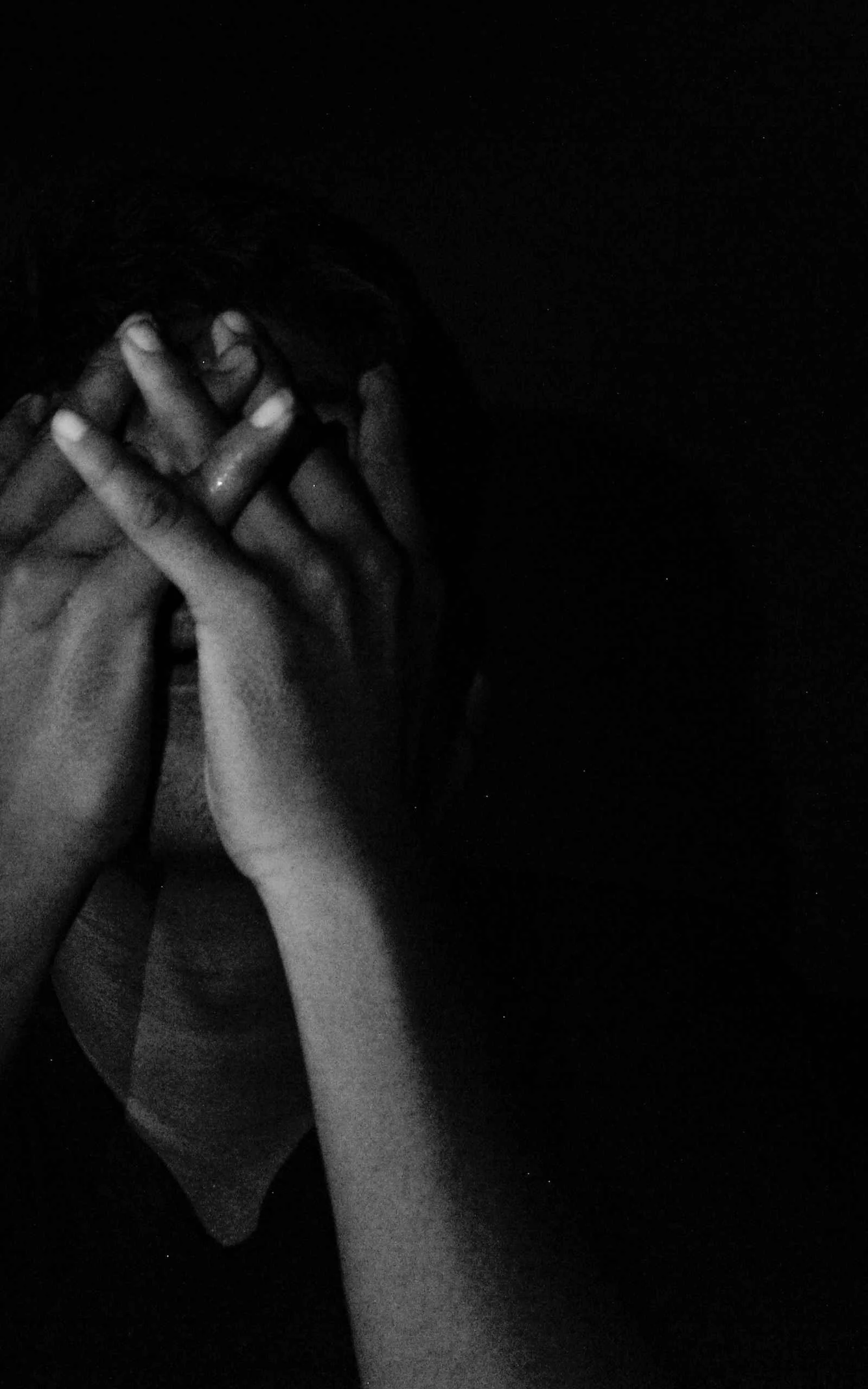
There is a particular kind of sadness that doesn't feel like sadness at all. It feels like absence. Like watching the days, months, and years pass while somehow remaining separate from your own life. Depression isn't always crying or falling apart. Sometimes, it's getting up every morning, doing everything you're supposed to do, and feeling none of it. It's realizing that time is passing whether you're participating or not, and wondering how much of yourself you've lost along the way. I wrote Decaying Alive about that quiet, frightening experience of being physically present in the world while feeling as though you're slowly disappearing from it. About the grief of watching a life go by that you desperately wish you knew how to live.