Meet Me in My Words:
The Midpoint Moves challenges the idea that moderation is inherently moral. When the political right moves further toward the extreme, continually meeting it in the middle does not hold the centre—it moves it. A poem about the dangerous distance between compromise and permission, and what happens when yesterday’s unacceptable becomes today’s reasonable.
Your Empty Message is a reckoning with a left that speaks fluently about inequality, injustice, and systemic failure while governing too cautiously to meaningfully confront them. It asks what happens when progressive language is repeatedly separated from material change—and the political vacuum left behind is filled by a far right more than willing to turn legitimate anger into fear, blame, and division.
There are moments in life when every choice carries a cost, and simply reaching tomorrow becomes the greatest achievement of all. This poem reflects on the quiet courage of survival, and the compassion owed to every difficult decision made in its name.
Some bonds seem to appear effortlessly, while others remain forever just beyond reach. This poem explores the sorrow of searching for a connection that cannot be forced, no matter how deeply it is hoped for.
History is filled with unanswered wrongs and unbalanced scales. This poem explores the unsettling possibility that perfect justice was never meant for this world, while gently wondering whether another horizon may yet hold what this one cannot.
The greatest regrets are not always born from failure. Sometimes they grow from the opportunities never taken, the dreams forever delayed, and the extraordinary life that remained just out of reach. This poem is a meditation on courage, comfort, and the passing of time.
Every beautiful thing asks the same impossible favour: Please don't let this end. Perhaps the greatest privilege of living is having so many moments worth missing. 💚
It is astonishingly easy to break something beautiful. The harder—and infinitely more worthwhile—question is: what will we choose to build instead? 💚
Tomorrow is the most generous place in existence. Before it arrives, nothing has been lost and everything is still possible. 💚
Some losses never stop asking questions. This poem is about the quiet, impossible search for answers after a life has ended, and the way love keeps looking long after there is nowhere left to look. I hope it leaves you holding your loved ones a little closer. 💚
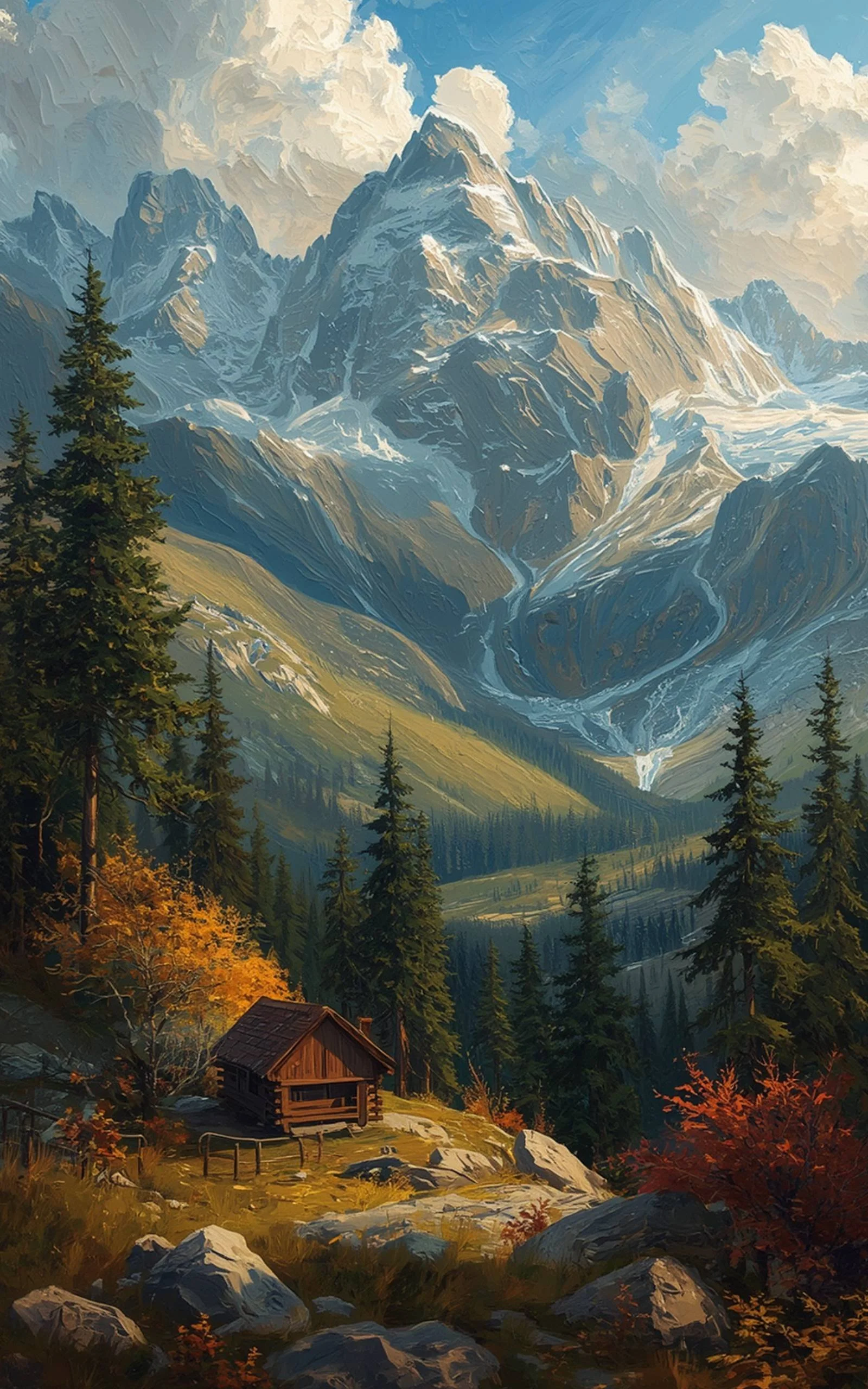
This poem was inspired by a feeling that is difficult to describe but impossible to ignore: the sense of watching a life slowly contract. Not through age or circumstance, but through fixation, regret, fear, obsession, or the weight of choices that narrow the horizon until possibility itself seems to disappear. Shrunken is not about any one person or any single story. It is about the tragedy of forgetting how vast the world still is. I hope that, as you read it, you feel both the sadness of that confinement and the quiet reminder that mountains still rise beyond the window, roads still stretch toward distant horizons, and life remains far larger than the cages the mind sometimes builds around itself. 💚
Most conversations about harm focus on the victim and the perpetrator. What interests me is everyone else—the people who inherit consequences they did not create, whose lives are quietly altered by decisions made in rooms they never entered. A single act of violence can travel astonishing distances, reshaping futures, relationships, and identities long after the event itself has passed. This poem explores that invisible fallout and the uncomfortable truth that innocence has never guaranteed immunity from consequence. 💚
This poem is about a particular kind of tragedy—not the tragedy of failure, but the tragedy of fixation. It was inspired by the realization that some people spend so much time chasing, comparing, resenting, or reacting that they never fully step into the extraordinary possibilities of their own lives. The Chaser is not really about any one person. It is about a pattern, a temptation that exists in all of us to look sideways instead of forward. I hope that, as you read it, you feel both the sadness of what can be lost to obsession and the quiet invitation hidden beneath it: to stop chasing shadows and begin building something beautiful of your own.💚
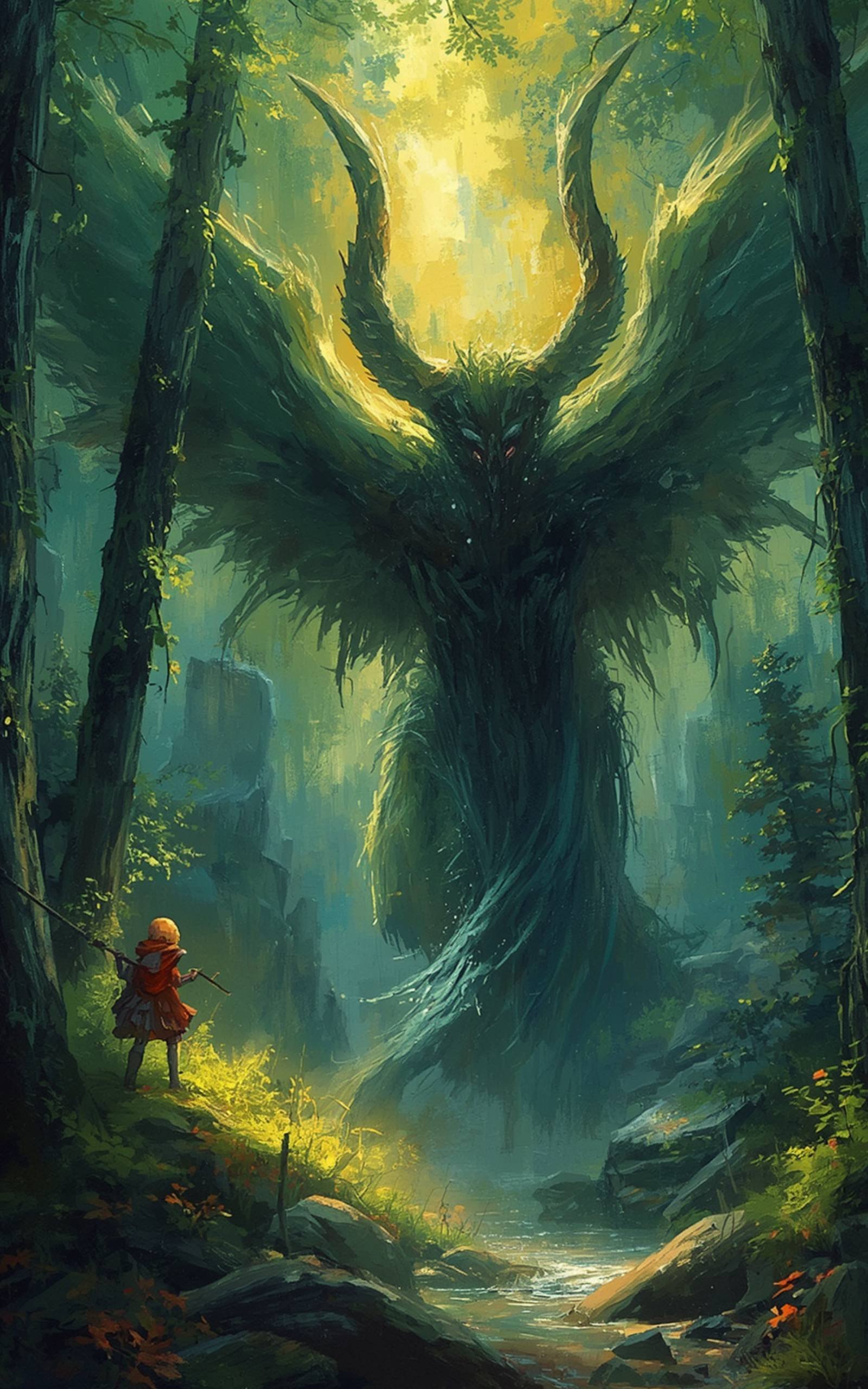
I run five kilometres almost every day through a beautiful strip of nature near my home. It has become a deeply meditative ritual—a time when the noise of life quiets enough for ideas, questions, and poems to surface. This poem was conceived on one such run. Surrounded by towering trees, birdsong, sunlight on water, and the intricate beauty of a world that seems almost impossibly alive, I found myself reflecting on a question that has followed me for years: how can a world so breathtakingly beautiful also contain such profound suffering? The more closely I look at nature, the more miraculous existence feels. And yet woven into that same extraordinary tapestry are cruelty, injustice, violence, and heartbreak. The Beautiful Terrible Thing explores that contradiction. I hope that, as you read it, you feel both awe and discomfort—the wonder of being alive in a world so beautiful, and the responsibility that comes with sharing it with one another.💚
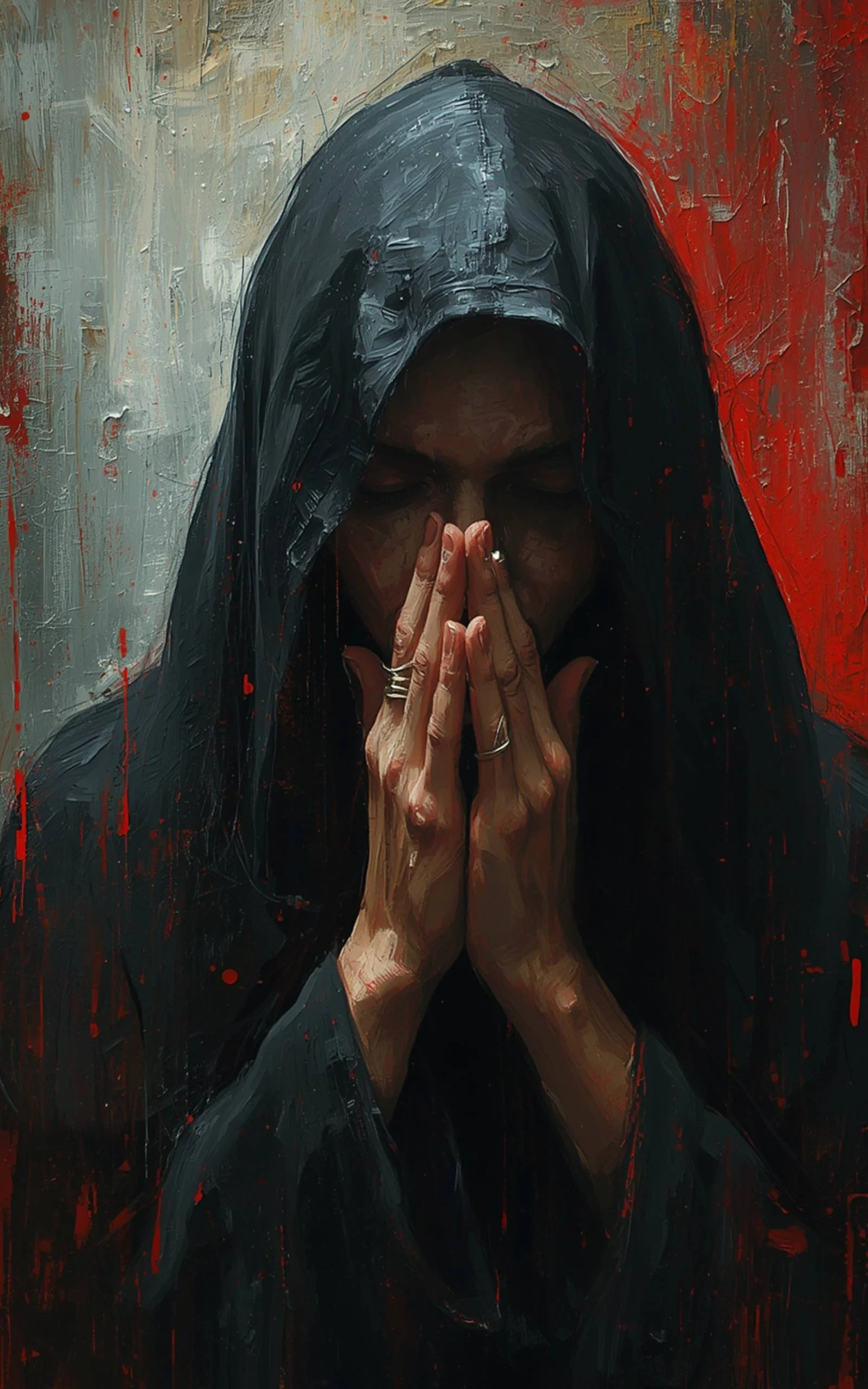
This poem was inspired by a line from Alice Feeney's novel Sometimes I Lie, which lingered in my mind long after I finished reading. It made me think about the role of the bystander—not the person committing the harm, but the person who sees it, senses it, suspects it, and chooses silence. The Bystander is my reflection on the quiet power of courage and the equally powerful consequences of looking away. I hope that, as you read it, you find yourself considering the small moments when a voice, a question, or a simple act of standing beside someone can change the course of a life. 💚
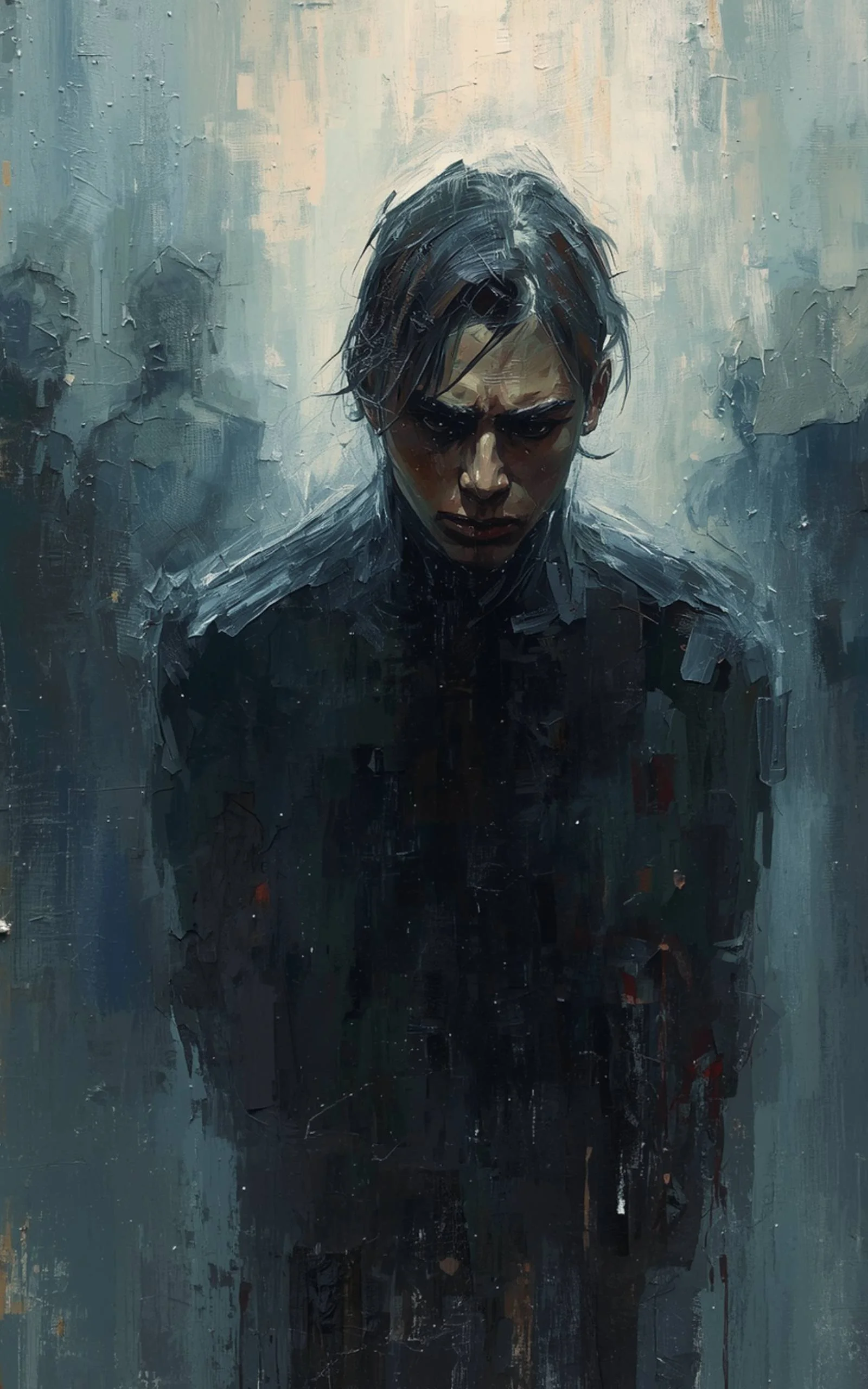
The People Pleaser is about the quiet cost of becoming everything for everyone except yourself. Many people pleasers are praised for their kindness, reliability, and generosity, yet beneath those compliments can live a profound loneliness—the loneliness of being deeply known by everyone except themselves. This poem explores the moment that pattern begins to break. I hope that, as you read it, you feel both the grief of all that was sacrificed in pursuit of approval and the profound relief that comes from finally asking a simple, life-changing question: What do I want? 💚
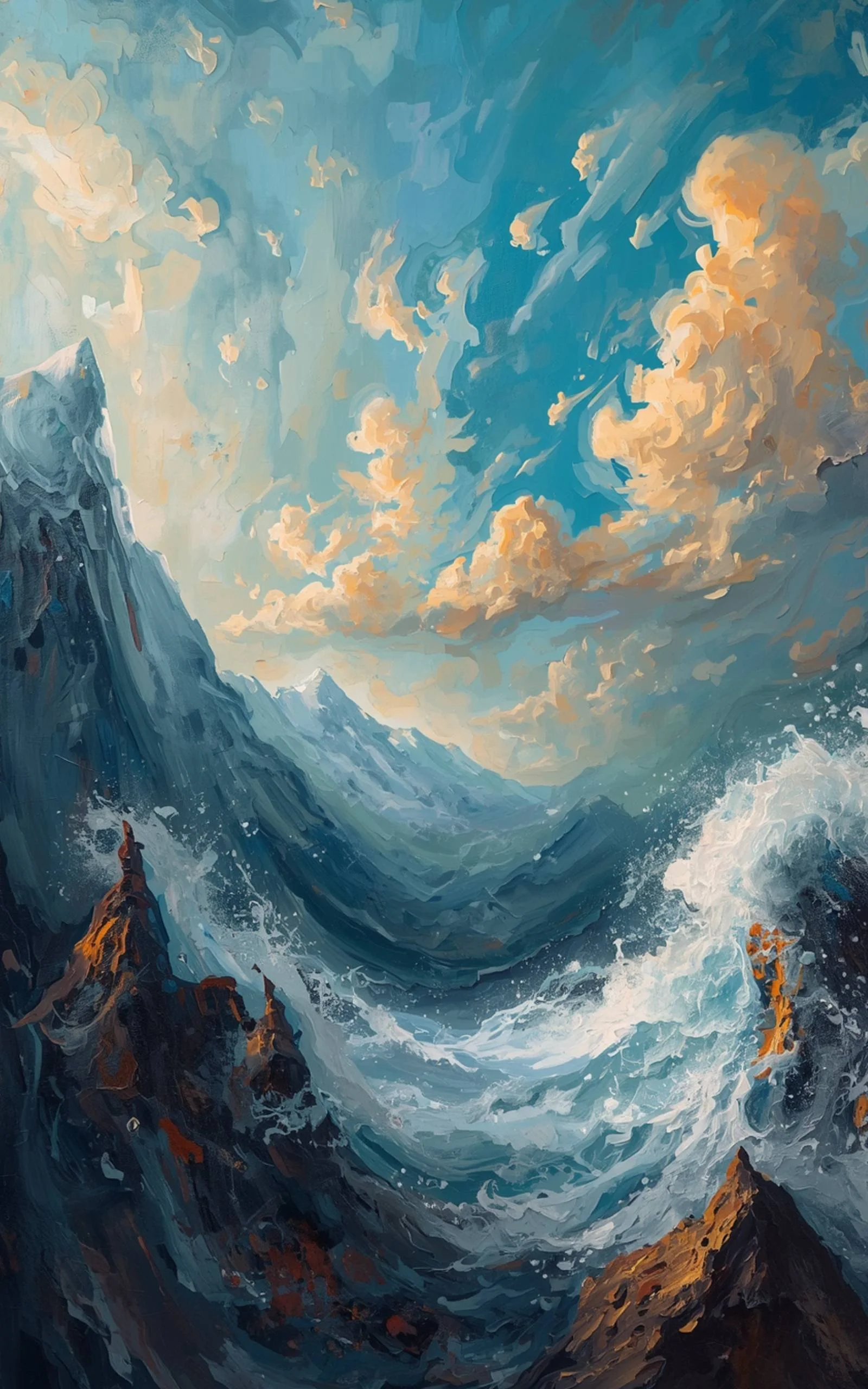
It Happened Later is for anyone whose life failed to arrive on schedule. For anyone who spent years measuring themselves against timelines, milestones, and imagined deadlines, only to discover that some of the most meaningful things take longer than expected. This poem is not about giving up on dreams—it is about releasing the illusion that they must arrive on our timetable. I hope that, as you read it, you feel a little less burdened by where you thought you would be by now and a little more open to the possibility that your life is unfolding in its own wise and untidy way. Sometimes the best things arrive later. And sometimes later turns out to be exactly right. 💚
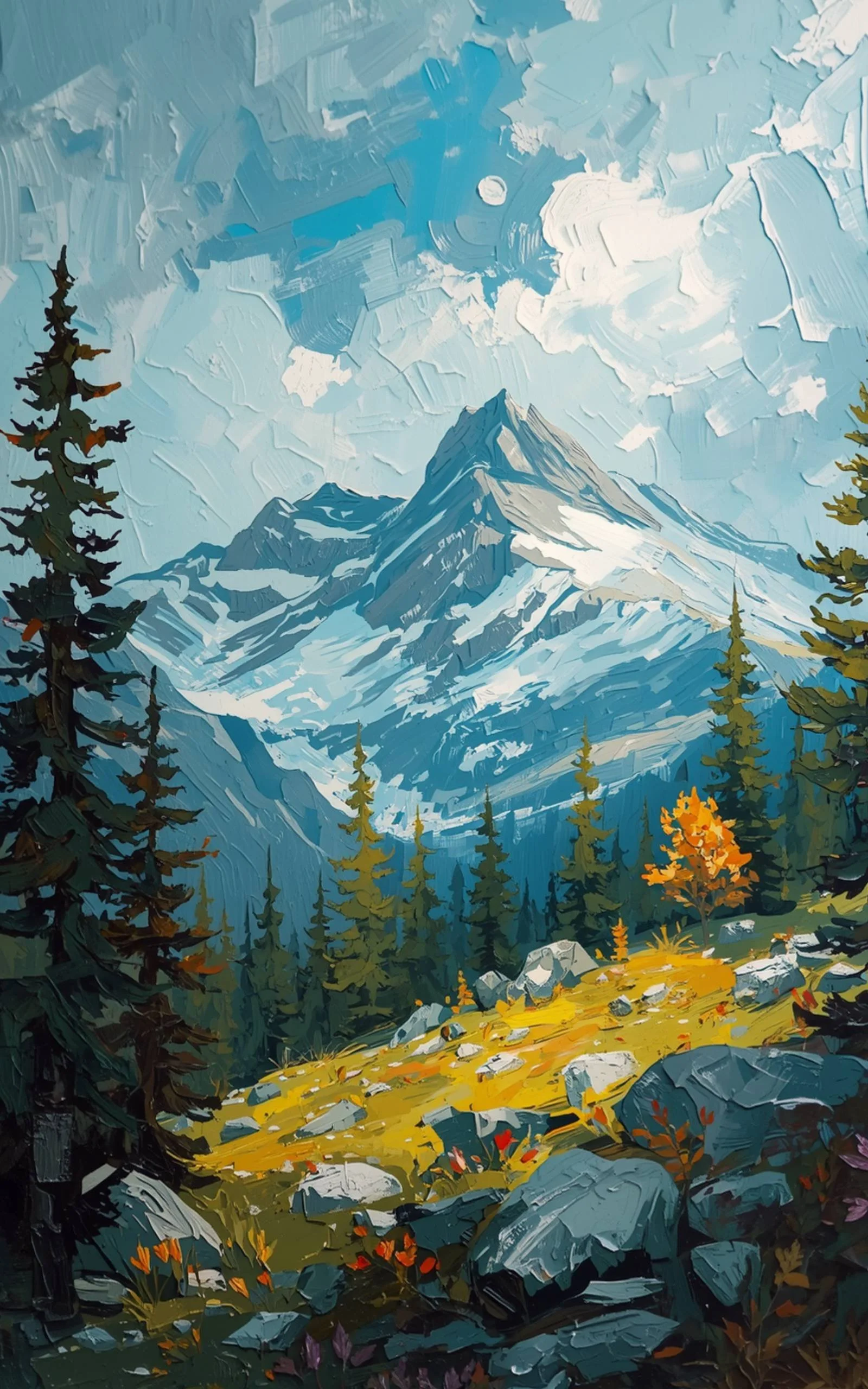
This poem was inspired by a simple but surprisingly profound idea: perhaps not everything requires an explanation. So much of life is spent searching for meaning, certainty, and answers to questions that may never be resolved. Yet the natural world carries on without justification. Rivers flow. Mountains stand. Lilacs bloom. Simply Is is an invitation to step, if only for a moment, out of the endless pursuit of why and into the quiet peace of what already exists. I hope that, as you read it, you feel a little less pressure to understand everything and a little more permission to simply be where you are. 💚
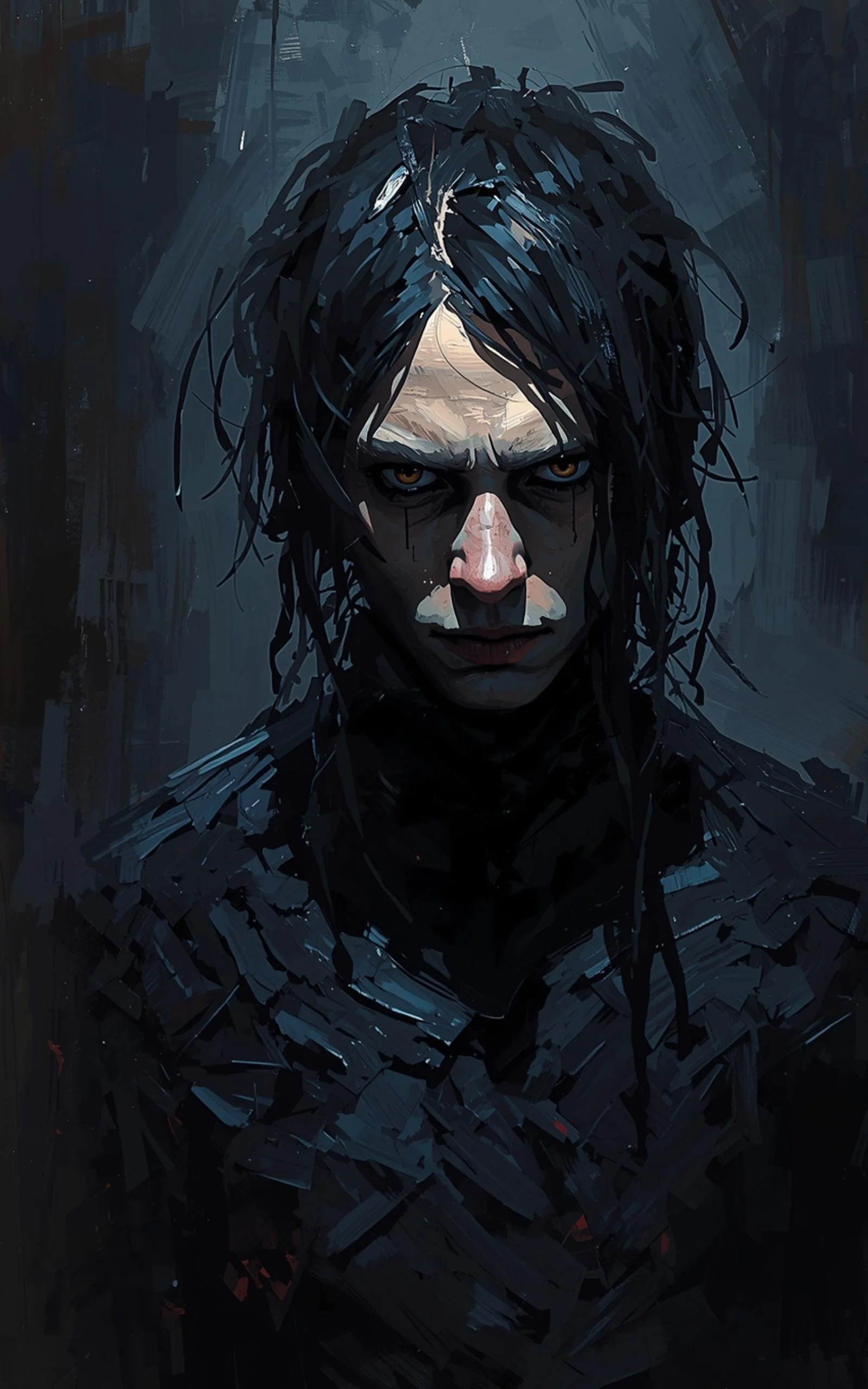
I’ve been reading a great deal about the Dark Tetrad—those intersecting traits of narcissism, Machiavellianism, psychopathy, and sadism—and found myself wondering what it might feel like to move through the world inside a mind shaped by those patterns. This poem is my attempt to imagine that interior landscape. I hope, as you read it, that you feel unsettled—that slow, creeping chill of realizing you are standing inside a psyche where charm is strategy, intimacy is leverage, and other people exist chiefly as instruments to be played.
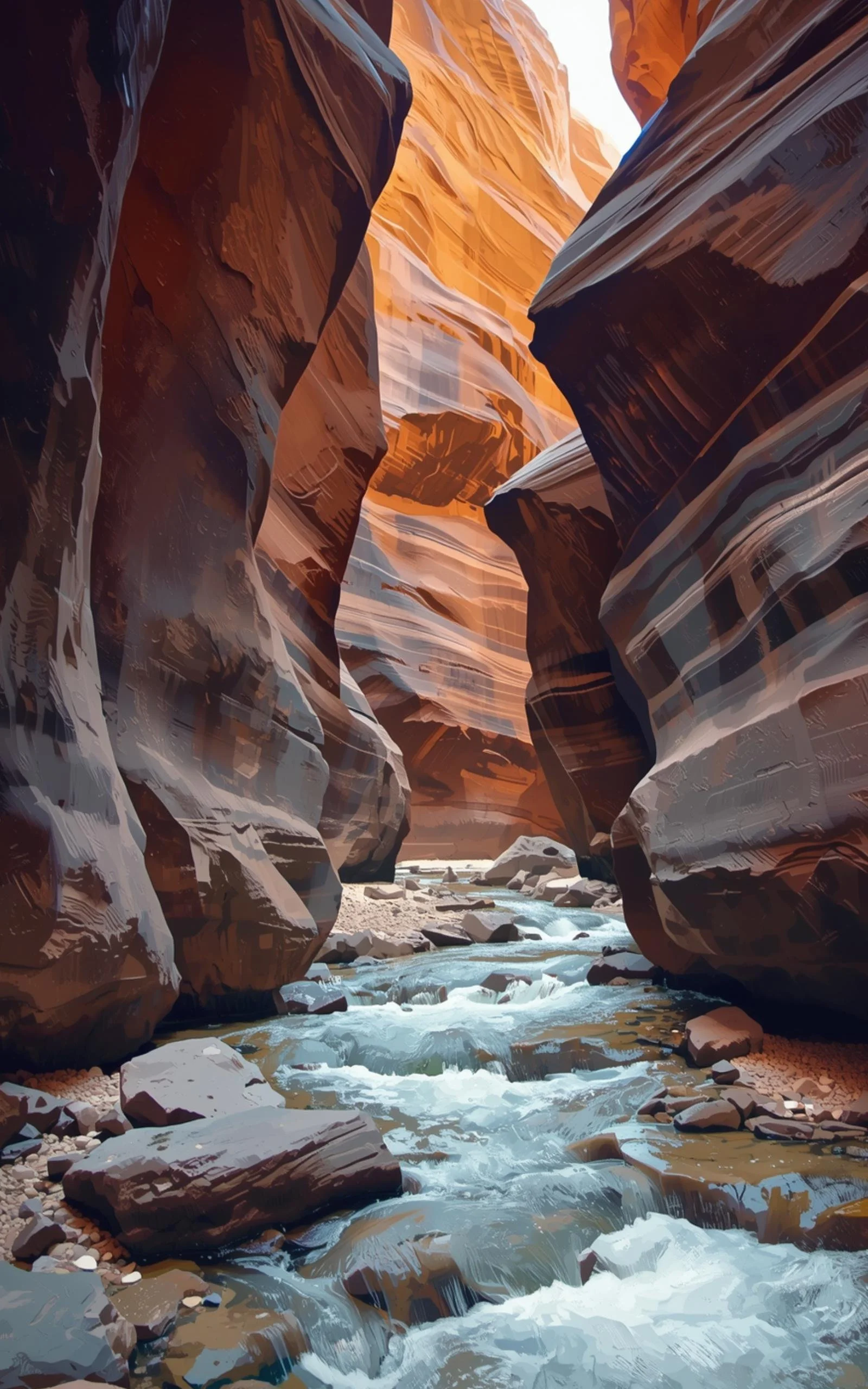
Carve Your Canyon is a poem about persistence—not the loud, cinematic kind we are taught to admire, but the quiet, often invisible kind that changes everything anyway. It is for anyone who has looked at the scale of a dream and felt impossibly small in comparison. For anyone who has wondered whether they are too late, too ordinary, too uncertain, or too tired to create the life they ache for. At its heart, this poem is a reminder that transformation is rarely born of spectacle. It is born of return. Of showing up again when no one is applauding. Of choosing devotion over drama. Because the most extraordinary lives, the most breathtaking art, and the most impossible dreams are so often carved not by force, but by the patient, relentless courage of simply refusing to stop.
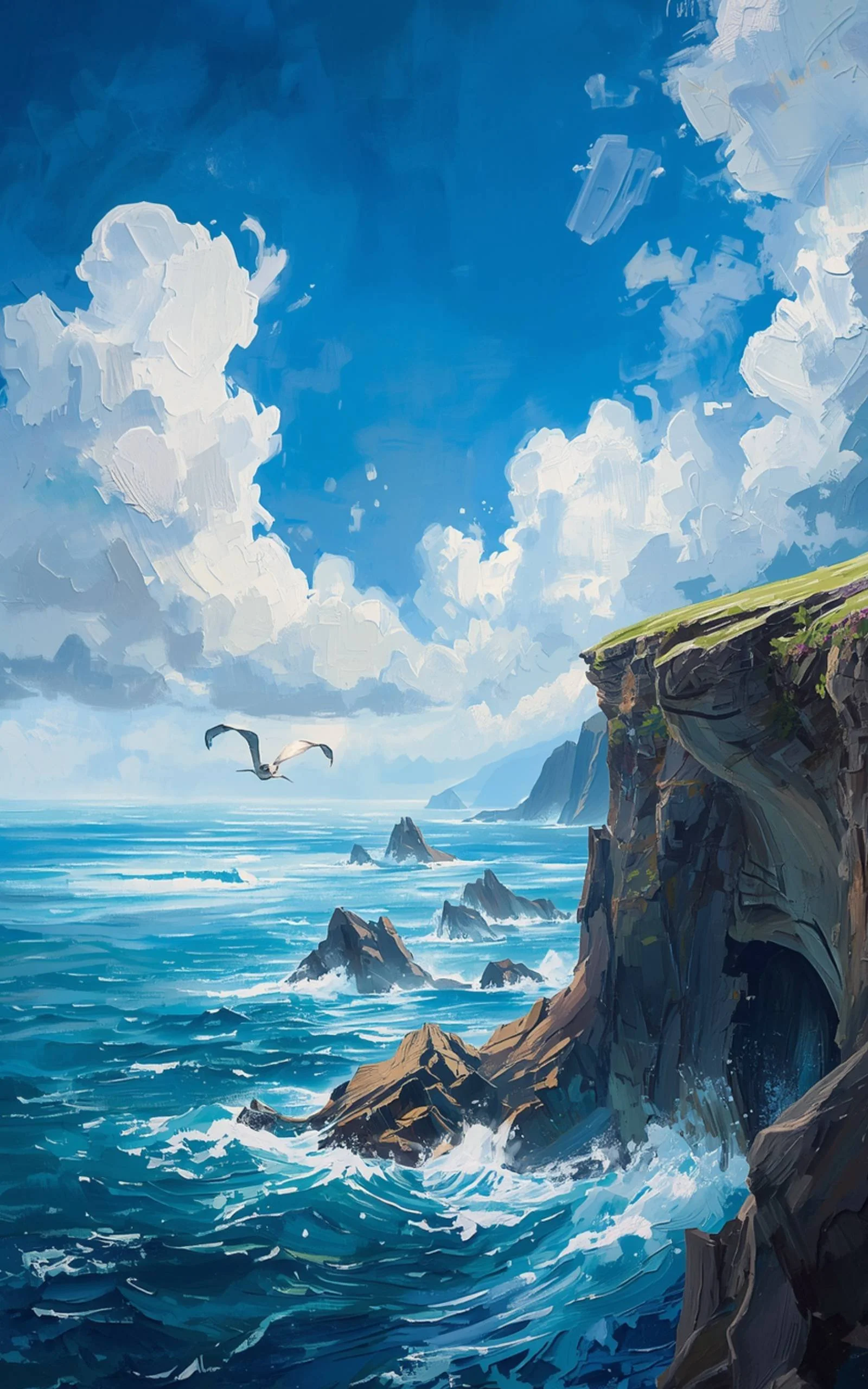
Fine: I’ll Drag Myself and My Dreams Out of Here Myself is for anyone who spent too long waiting—for permission, for confidence, for rescue, for the elusive moment when ambition would somehow feel legitimate enough to pursue out loud. It is a poem about creative hunger, late beginnings, and the furious clarity that comes when you realize no one is coming to hand you the life you ache for. At its heart, this is not a poem about effortless triumph. It is about grit. About dragging your dreams forward bloodied if necessary. About refusing self-erasure. About finally choosing yourself, your voice, and the stories burning inside you—even if the path forward is messy, exhausting, and entirely self-made.
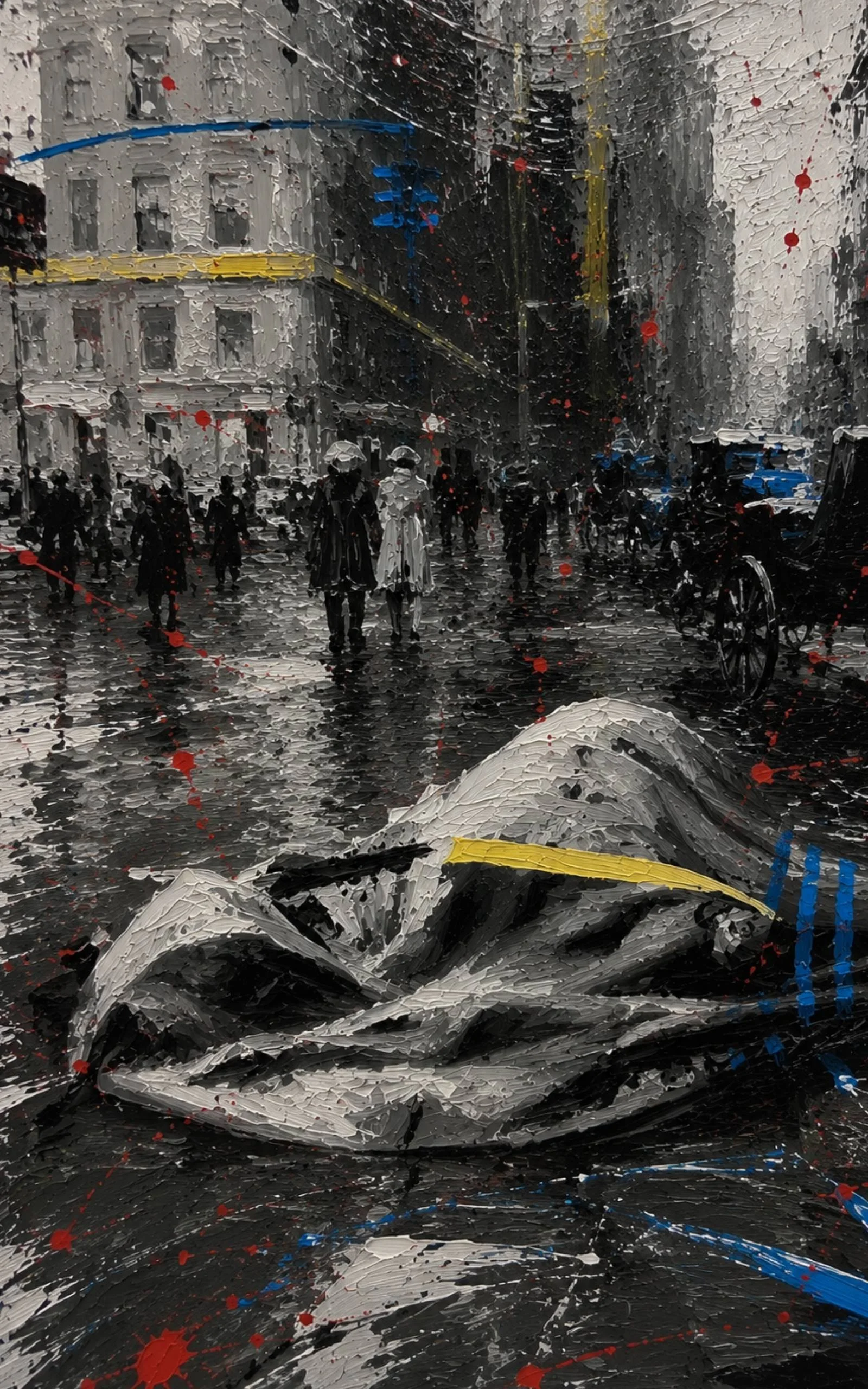
Dead Horse is about the painful moment hope finally collides with reality—and the realization that some forms of love do not die dramatically, but decay quietly over time while hope keeps mistaking absence for possibility. This poem explores nostalgia, grief, and the deeply human instinct to keep trying long after something has already ended. At its heart, it is a reckoning with the difference between love and longing—and the devastating clarity that sometimes the kindest thing we can do is stop trying to resurrect what has long since gone cold.
I’ve Got My Hands Up is about the kind of surrender that does not come from weakness, but from exhaustion, clarity, and the hard-won understanding that some cycles survive only through continued participation. It explores the moment a person finally steps away from a dynamic that has demanded endless emotional labour, hope, and self-sacrifice, and discovers that peace is not found through victory, but through absence. Rather than framing surrender as failure, this poem reclaims it as an act of self-preservation—a quiet refusal to keep offering oneself to something that only knows how to wound.💚
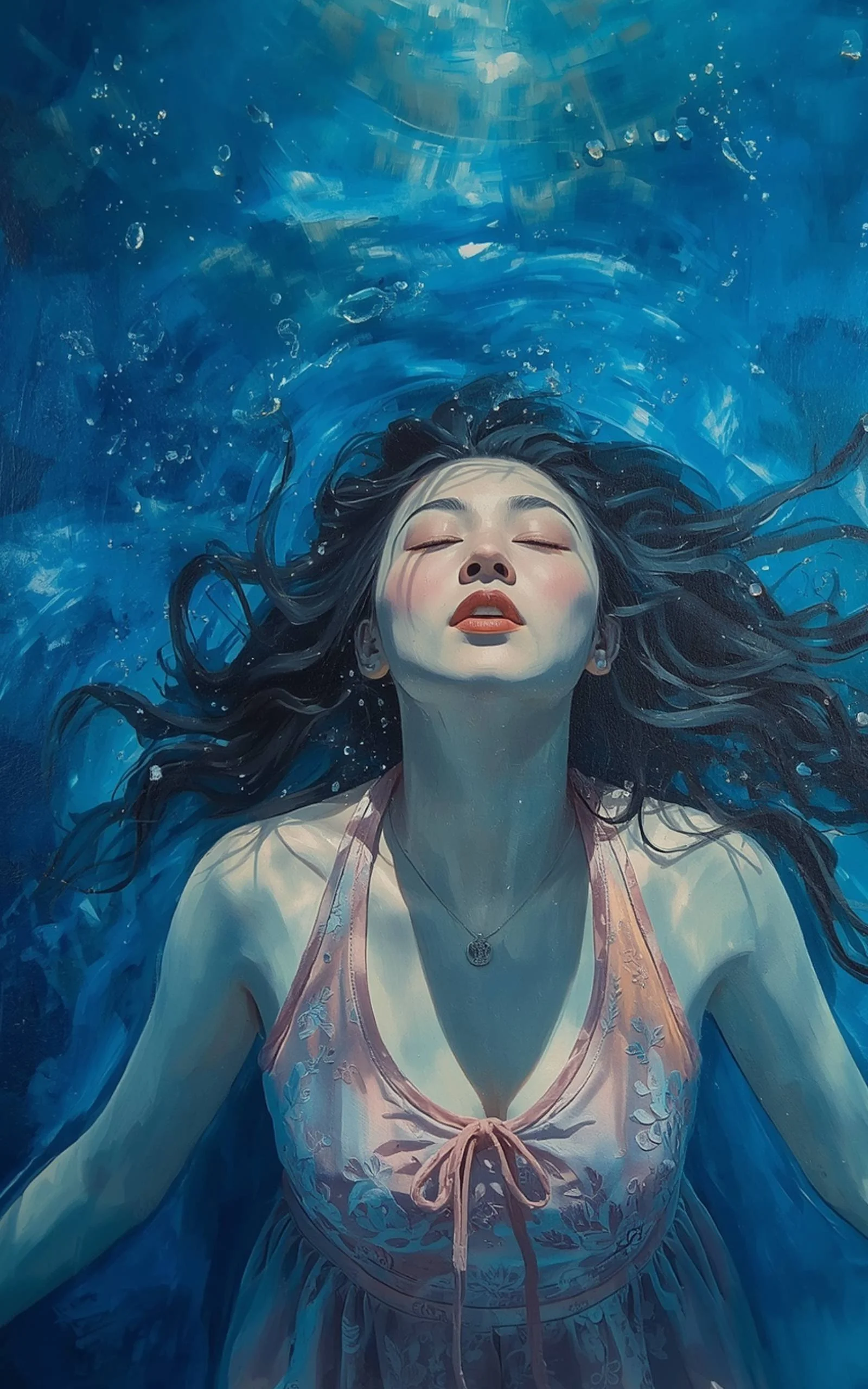
Relieved explores the complicated, almost disorienting feeling that can follow the end of something painful that once felt impossible to release. It reflects on the exhaustion of living beneath constant emotional tension—the way fear, hope, and survival can become so tightly intertwined that suffering begins to feel ordinary. Rather than focusing on triumph or revenge, this poem lingers in the quieter aftermath: the stunned relief of discovering that the body no longer has to brace itself for impact, and the fragile, unfamiliar freedom of finally being able to breathe without fear.💚
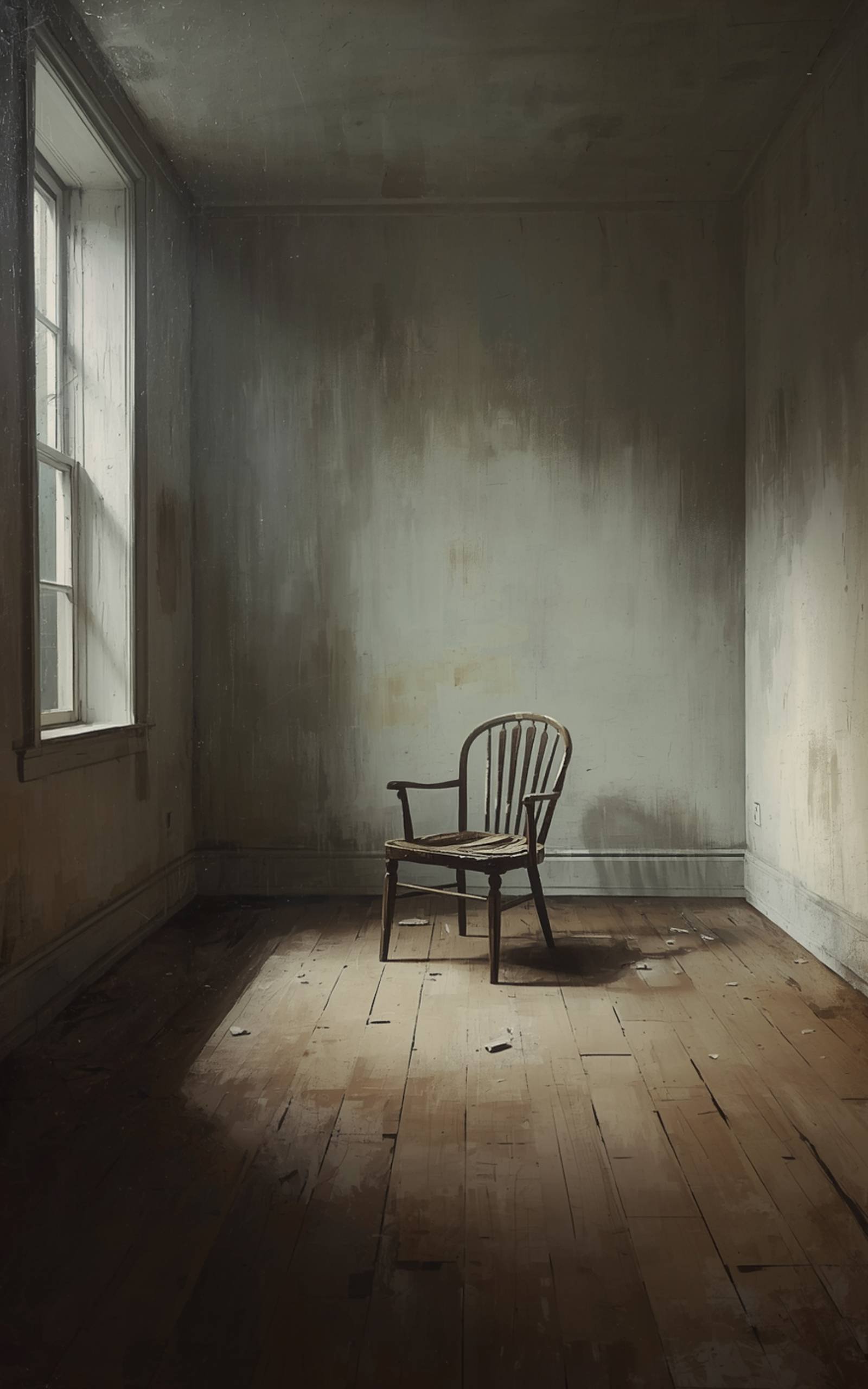
Profoundly Sad is a meditation on the grief of unrealized closeness—the sorrow that comes not only from what was lost, but from what might have been possible if tenderness had been chosen over distance, honesty over self-protection, connection over pride. Rather than centring a single villain or dramatic betrayal, this poem lingers in the quieter devastation of erosion: the slow collapse of something that once held the potential to become safe, loving, and enduring. At its heart, it mourns the unbearable reality that some fractures are not inevitable tragedies, but human choices made gradually, repeatedly, and often too late to undo.💚
Sometimes the hardest stories are the ones we must tell anyway. This poem was born in the quiet aftermath of pouring every ounce of love, courage, and effort into trying to protect someone who meant the world to me. I gave my absolute best—heart, hands, and sleepless nights—and still it was not enough. There is a particular kind of sorrow that arrives when your fiercest love cannot rewrite the ending you feared most. No redemption arc, no tidy moral. Just the raw, human truth of what it feels like when your best falls short and someone you love slips into the very darkness you tried so desperately to keep at bay. I offer it here with trembling hands, not because it is beautiful, but because it is true. If you have ever tried with everything you had and still came up empty, this is for you. You are not alone in the ache.💚
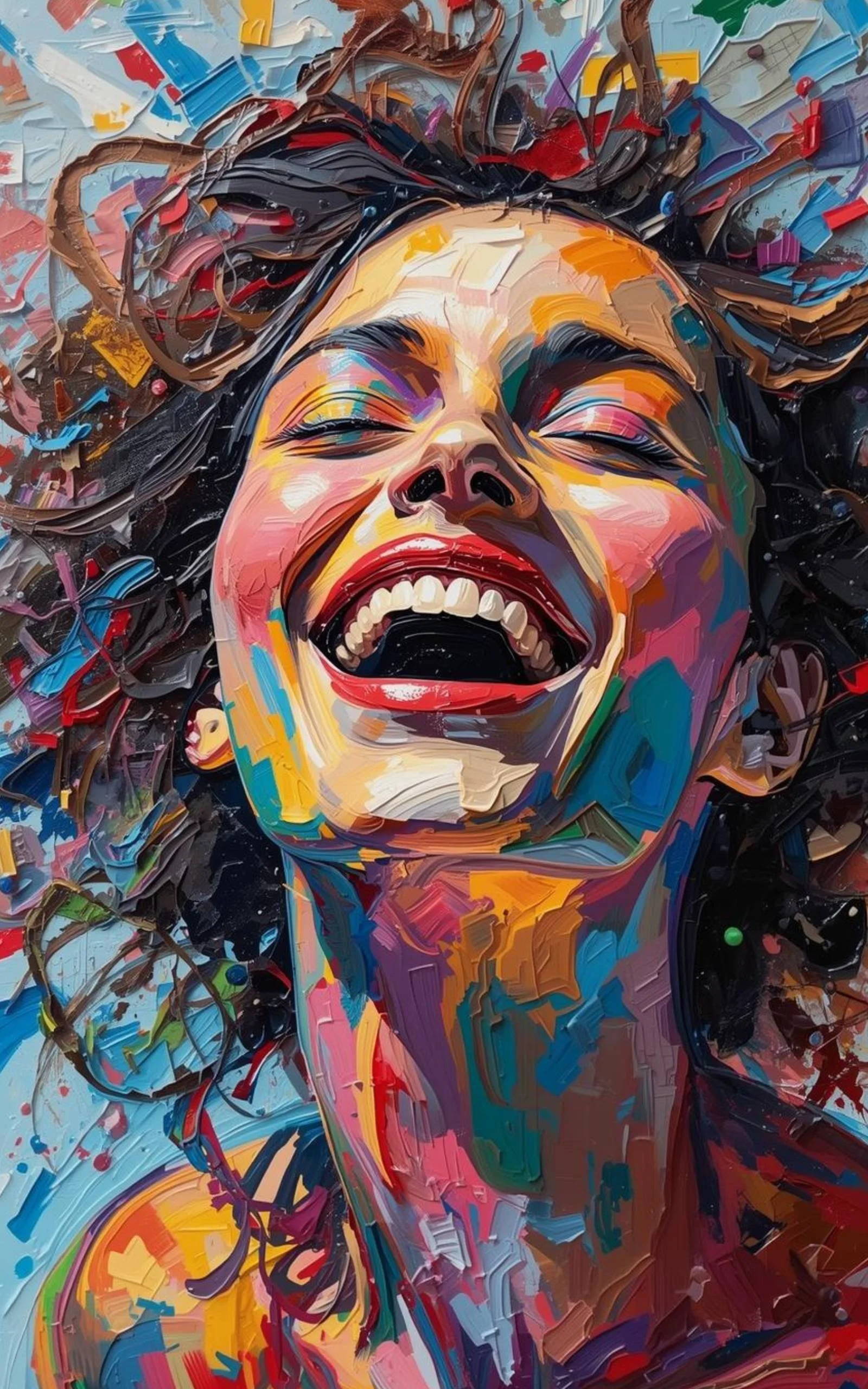
I Hope You Live reflects on the quiet, often unnoticed ways we step outside of our own lives—watching, comparing, waiting for the right moment to begin. It explores the subtle drift into passivity, and the equally subtle return from it—not through grand change, but through small, imperfect acts of presence. This poem doesn’t urge transformation or promise clarity. Instead, it lingers in the moment of recognition, where something shifts just enough to bring you back into your own hours, your own voice, your own life.💚
The Banality Of Britt
There was never really a Plan B.
Britt Wolfe has been writing stories since she had baby teeth. Unfortunately, the publishing industry was not as enthusiastic about her brilliance as she was. So, naturally, she spent the next few decades reading, spiralling, and rewriting the same sentence 47 times while quietly collecting rejection like it was a competitive sport.
This website is not the product of a well-executed business strategy.
It’s a coping mechanism.
A digital scrapbook.
A 10,000-page book report on a two-page story that absolutely does not need that level of analysis. And yet—here we are.
She writes because it’s the only thing she’s ever wanted to do.
Also because it makes the voices in her head more manageable, and therapy is expensive.
A FEW CRITICAL FACTS ABOUT HER CHARACTER ARC
She’s married to an Australian man who is so attractive and supportive that she’s pretty sure she manifested him through sheer delusion.
She lives in secret layer with a husky named Sophie (a literal angel) and a cat named Lena (who is at minimum haunted, possibly feral, and definitely plotting something).
She once cried while holding a baby crocodile. Not from fear. From joy.
Her personality is 50% cat fur, 40% Taylor Swift, and 10% undiagnosed disorders that may or may not involve alphabetizing her closet.
She’s the youngest of two, which basically means her entire personality was shaped by trying (and failing) to live up to her older sister Andrea—who, for the record, has hair the colour of fire, the patience of a saint, and the kind of big-sister energy that makes you feel both adored and lightly roasted at all times.
She and Andrea are orphans.
HER WRITING, IF YOU CAN CALL IT THAT
Britt writes:
Love stories that will emotionally wreck you
Poetry for anyone who has ever been underestimated
Horror for the parts of you that still believe something’s watching
She writes fast, messy, obsessively, and entirely too much.
She’s published novels, novellas, poetry collections, and emotional support PDFs for people who feel a little too much all the time.
If you like clean plot arcs and characters who make rational decisions, this might not be for you.
But if you’ve ever whispered “just one more chapter” while sobbing into your pillow—
you’re home.
Britt Wolfe is living proof that dreams take time, delusion, resilience, and a disturbing amount of coffee.
She’s always writing.
She’s never satisfied.
And she’s going to keep doing this forever.
Sorry in advance.
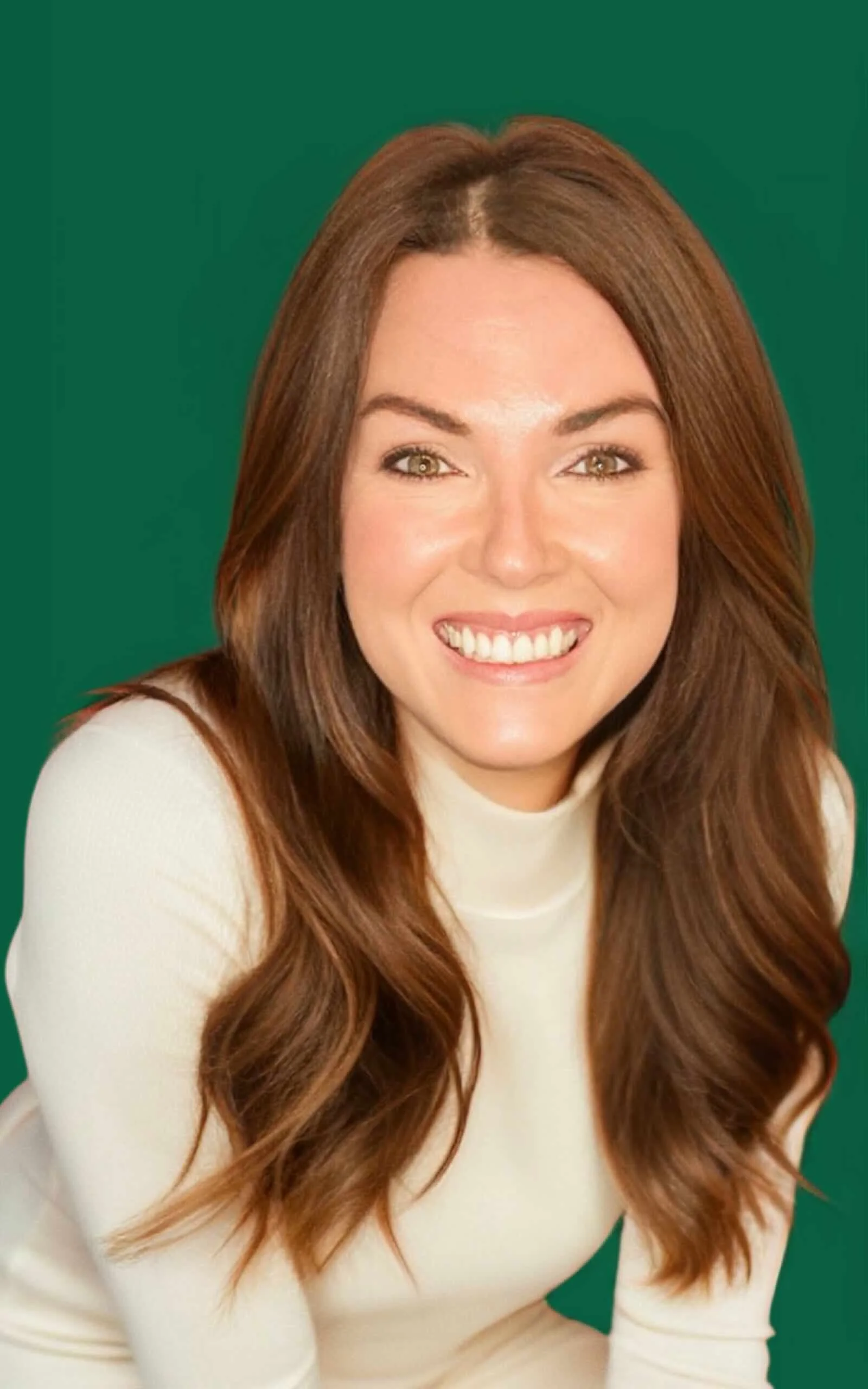
Britt Wolfe’s Favourite Animals
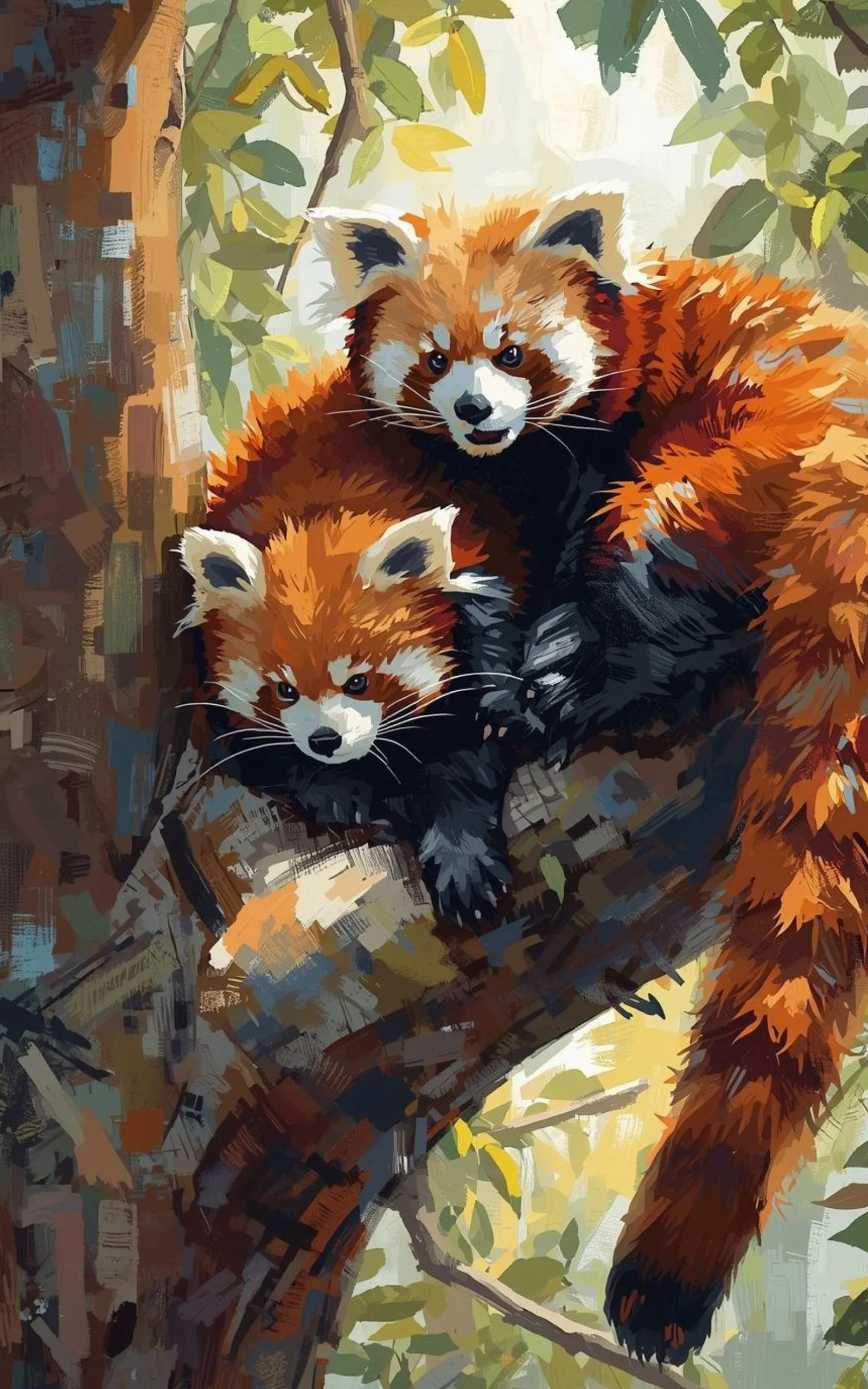
After naming my top two favourite animals—both large, solitary, and capable of ending you with one paw—I’m finally ready to reveal number three: the red panda. She’s smaller. Softer. Significantly more likely to cry in public. But don’t be fooled by the fluff—this cinnamon-coloured tree gremlin is part style icon, part existential crisis, and entirely deserving of her place on the podium. She lives in the trees, avoids confrontation, and survives on a diet she is not equipped for. Basically? She’s all of us in a fur coat. Welcome to spot number three. It’s adorable, unstable, and wrapped in a tail you’ll never be cool enough to wear.
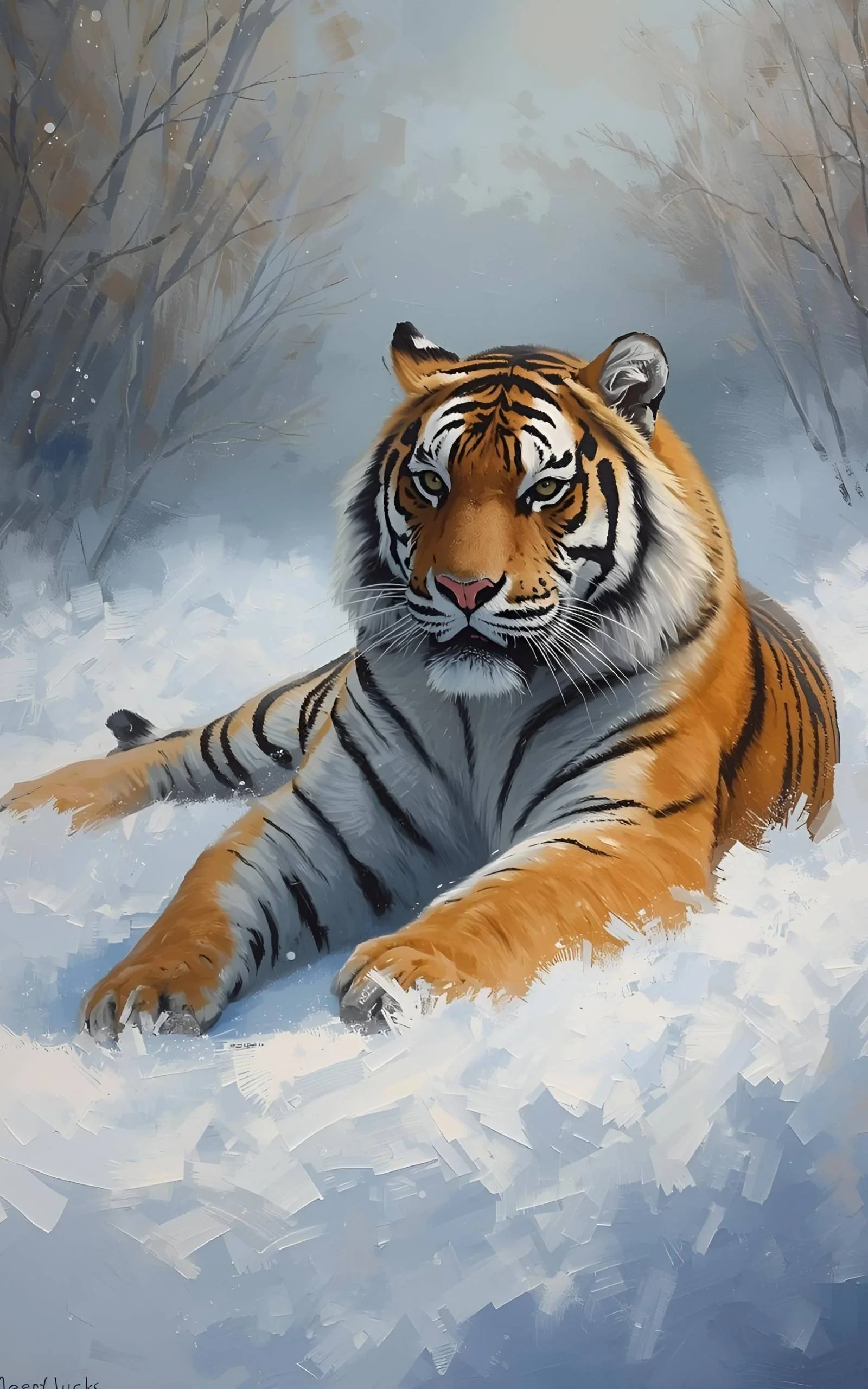
After naming eight of my top ten and realising I may, in fact, be a solitary animal that thrives in cold isolation, I’m finally ready to announce my second favourite animal in the entire world: the Siberian tiger. No other creature wears solitude so beautifully or power so quietly. She doesn’t need applause. She doesn’t need company. She needs snow, space, and silence. She is all muscle, all mystery, and just enough menace to make her unforgettable. Welcome to the top tier. It’s frosty, forested, and fiercely private—just the way she likes it.

After 99 animals, several identity crises, and more emotional attachment to weird mammals than I care to admit, I’m finally ready to declare it: the polar bear is my number one favourite animal in the entire world. No other creature combines elegance, fury, and emotional unavailability quite so flawlessly. She is massive, solitary, vaguely murderous, and quietly watching the world fall apart from the edge of the ice sheet. In other words: an icon. A metaphor. A role model. Welcome to the top of the list. It’s cold here—and perfect.

It brings me great pleasure—and a healthy dose of fear—to officially crown the mink as my 9th favourite animal in the entire world. Equal parts fashion icon and unapologetic menace, the mink is what happens when a bottle of expensive perfume grows teeth and starts hunting for sport. This creature is sleek, solitary, and slightly unhinged—in other words, absolutely my type. If you’ve ever wanted to witness elegance with a kill count, scroll on. The mink is here, and it’s wearing its villain era well.
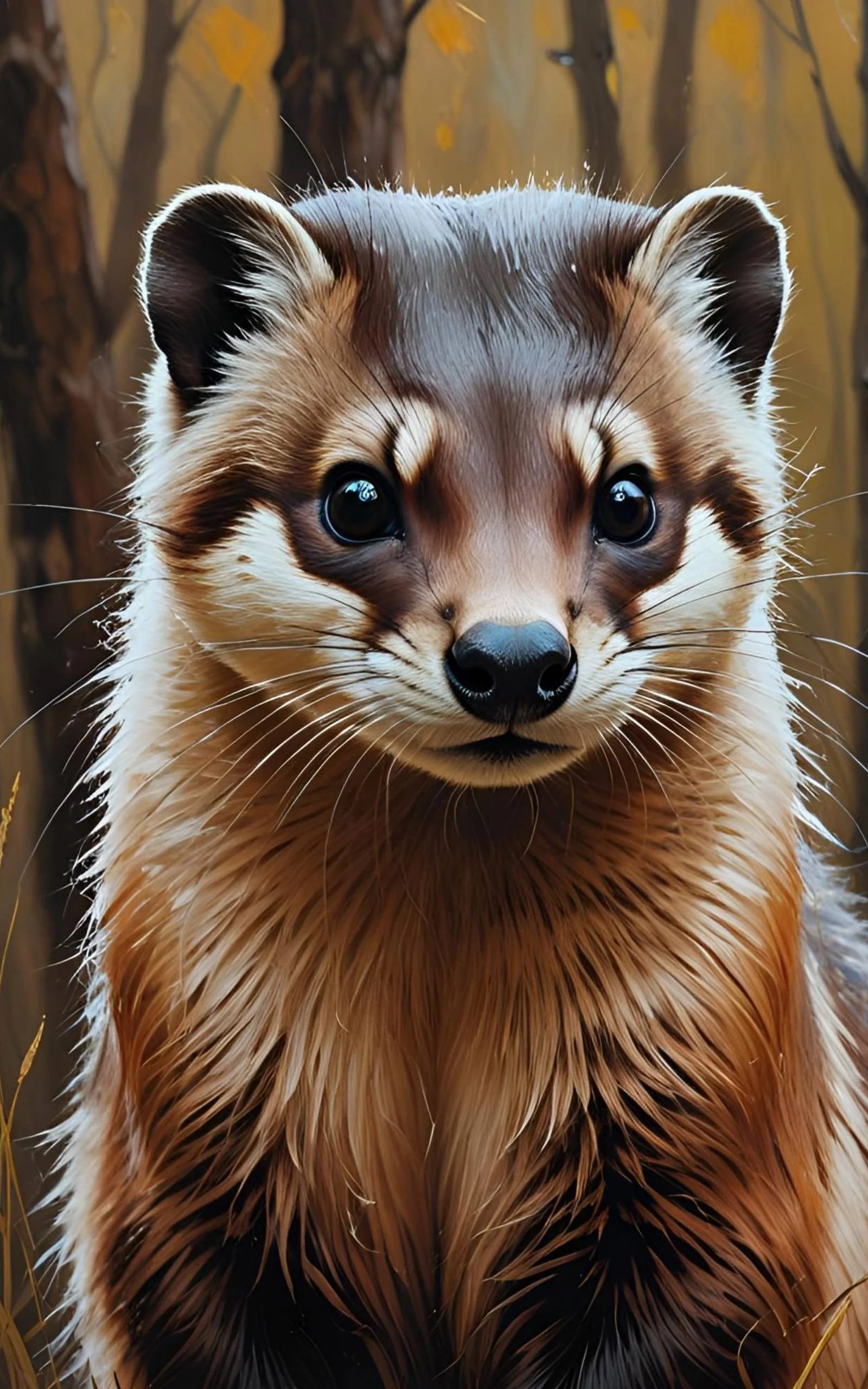
At long last, we arrive at animal number eight—a creature so luxurious, elusive, and suspiciously fast-moving that it practically demanded a spot in the top ten. The sable is, quite frankly, ridiculous. It looks like a cross between a fashion-forward ferret and a forest cryptid, with fur so soft it has ruined entire economies and a face that says, “You can look, but I might bite.” I have loved this twitchy little menace for years, and now—finally—I’m ready to enshrine it where it belongs: just below the snow leopard, but several rungs above any creature that’s ever willingly worn a saddle.
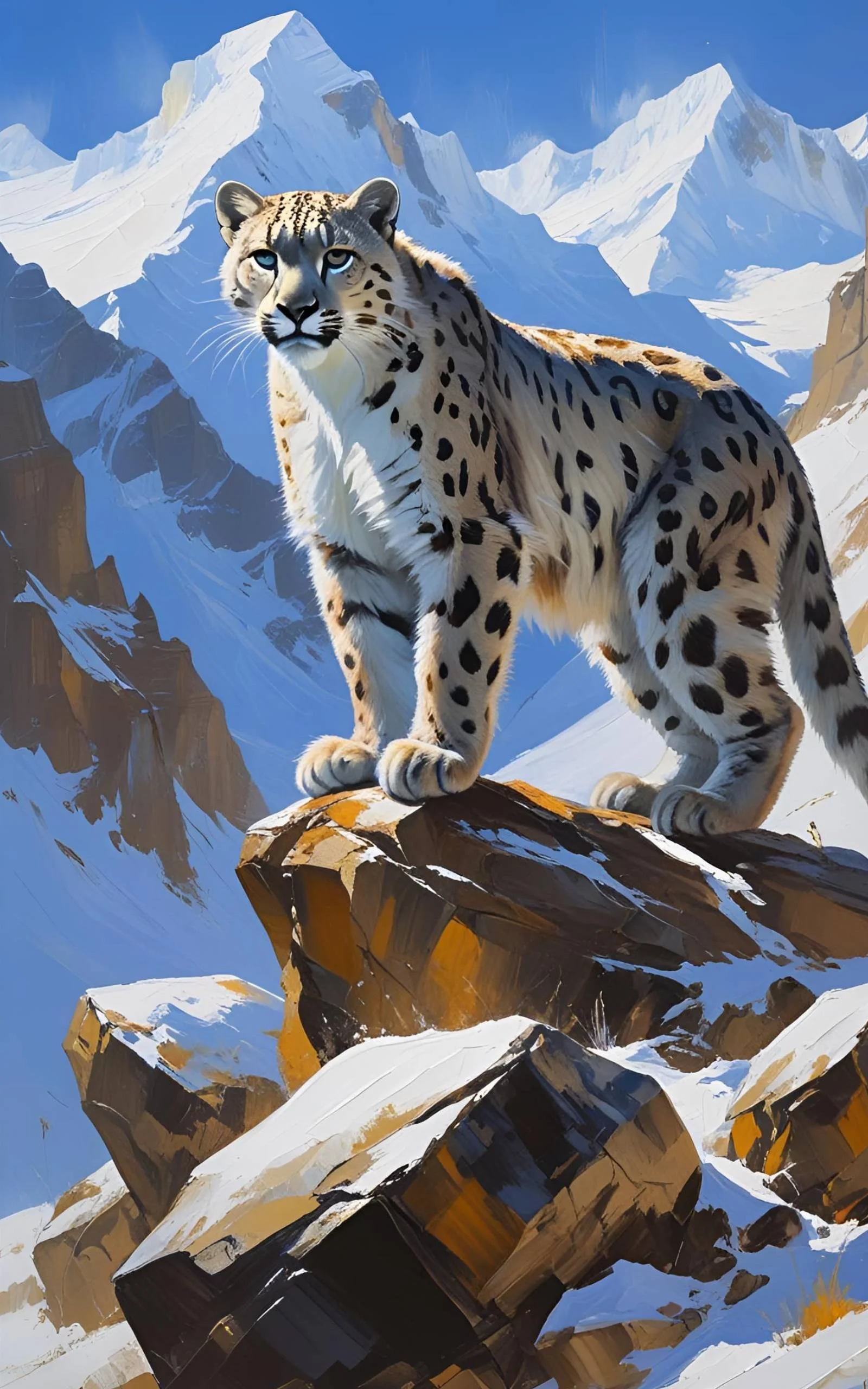
It’s finally time. After years of silent deliberation, long walks in the mountains (mentally, if not physically), and a deep personal resonance with creatures who avoid eye contact and thrive in solitude, I’m ready to make it official: the snow leopard is my 7th favourite animal in the entire world. This elusive, bristly, heartbreakingly beautiful big cat has earned its place on the list—not just for its looks (though come on), but for its commitment to avoiding unnecessary interaction. In this latest edition of the Top 100, we honour the introverted icon of the animal kingdom—and possibly the only creature more glamorous and emotionally unavailable than I am.

Koalas have spent decades fooling the world into thinking they’re soft, snuggly little angels, when in reality, they are bristly, perpetually grumpy, and running on a diet that barely keeps them alive. They sleep 22 hours a day, scream like demons when they’re awake, and have somehow managed to convince humanity that they are adorable despite their questionable life choices. In this article, we’re pulling back the curtain on these clawed, eucalyptus-addled tree goblinsto expose the truth: koalas are not what they seem, and frankly, they don’t care what you think about it.

If you’ve ever looked at a chicken and thought, Hmm, this could be fancier, congratulations—you are not alone. Fancy chickens are what happen when nature and selective breeding decide that farm animals should also have red carpet moments. Some have bouffant hairdos straight out of an 80s music video, others look like they were styled by a particularly enthusiastic drag queen, and a few seem to be actively challenging the concept of vision. But whether they resemble feathered fashion icons or glorified tumbleweeds, one thing’s for sure—these birds take the phrase too much as a compliment.

If you’ve ever looked at a rhino and thought, Wow, that creature seems like it could single-handedly win a medieval jousting tournament, you wouldn’t be wrong. Rhinos are nature’s version of an overbuilt SUV—massive, indestructible, and occasionally prone to charging at things for no apparent reason. But beneath that tough, tank-like exterior lies a surprisingly sensitive soul (one that, much like your sunburn-prone friend, is just trying to avoid bug bites and UV damage). In this deep dive into one of Earth’s most prehistoric-looking wonders, we’ll explore the intelligence, absurd speed, and mild grumpiness that make the rhinoceros the undeniable star of any savanna showdown.

Seagulls: the undisputed masterminds of snack theft, the reason you can’t enjoy a beach picnic in peace, and quite possibly the most shameless creatures to ever take flight. But beyond their reputation as winged criminals, these birds are intelligent, adaptable, and alarmingly strategic when it comes to getting what they want. In this deep dive into one of nature’s most entertaining (and mildly infuriating) creatures, I explore the brilliance, audacity, and downright chaos of the seagull. Buckle up—this one’s for anyone who has ever lost a fry to the sky.
Some names are remembered not because they deserved infamy, but because they became convenient. This poem explores the recurring pattern of public blame, forgotten context, and the painful truth that history often chooses its villains before it knows its facts. Somehow, the blame is always hers.