THANK YOU FOR CONTACTING ME
•
THANK YOU FOR CONTACTING ME •
Thank you for reaching out — your words mean more than you know.
I personally read and respond to every single message I receive, and I can’t tell you how much it means that you took the time to write. Your note has truly found its way to me, and I’ll reply as soon as I can — usually within a day or two.
Thank you, sincerely, for your kindness, your words, and the connection they bring. Every message reminds me why I do what I do — why I keep showing up each morning to write, to connect, and to build something that feels human.
While you wait, you’re welcome to explore a few poems that might find you back.
Read a Poem While You Wait →
Featured poetry by Britt Wolfe:
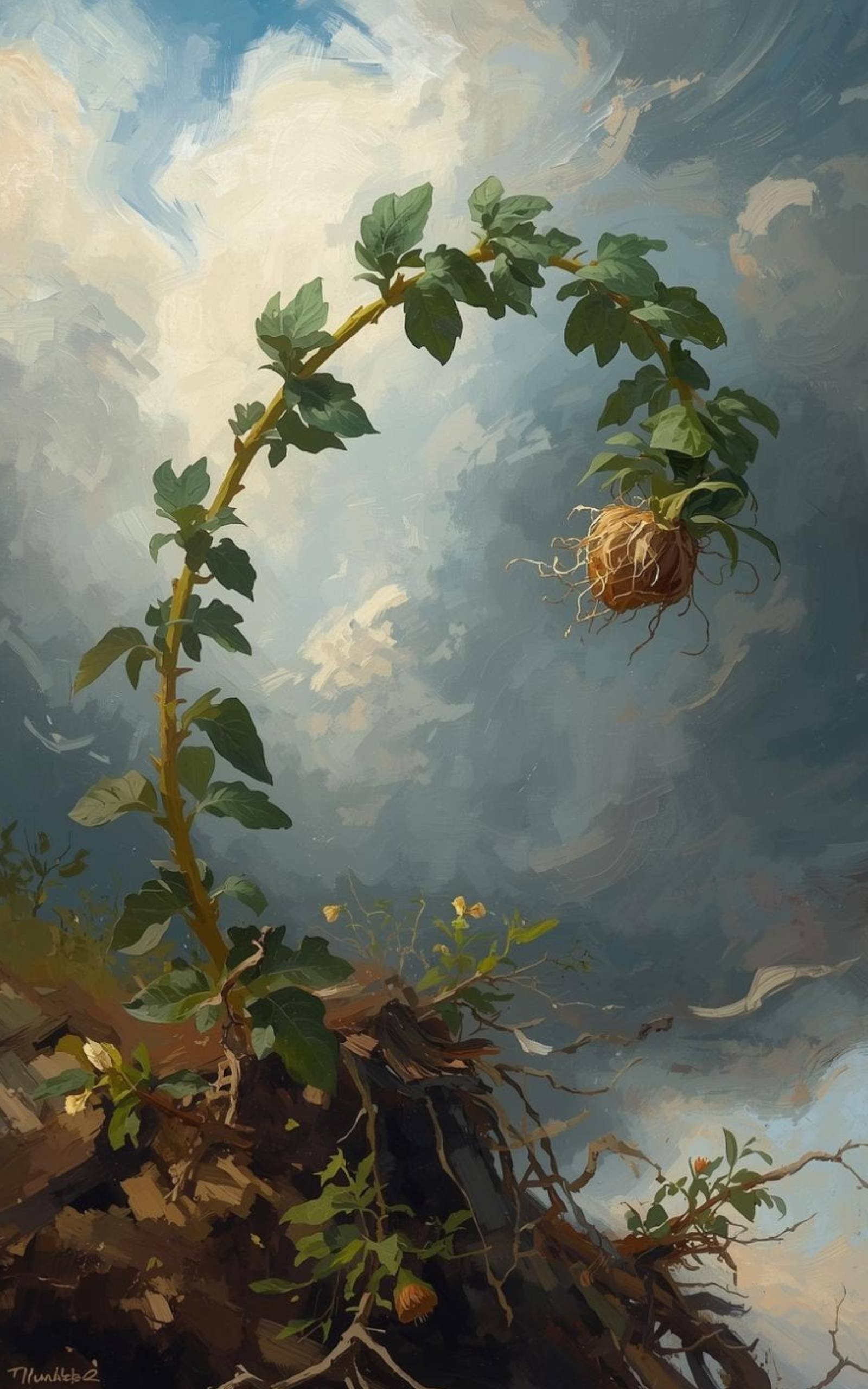
This poem is a meditation on survival as a natural law rather than a personal achievement. It looks to the living world—roots, seeds, stone, and wind—to explore how life persists in the harshest conditions without drama or permission. Rather than centring triumph, it honours endurance as something ancient, quiet, and collective: the unremarkable, relentless act of continuing. This is a poem about life itself refusing to end, and about the deep, elemental intelligence that allows growth to return even after devastation.
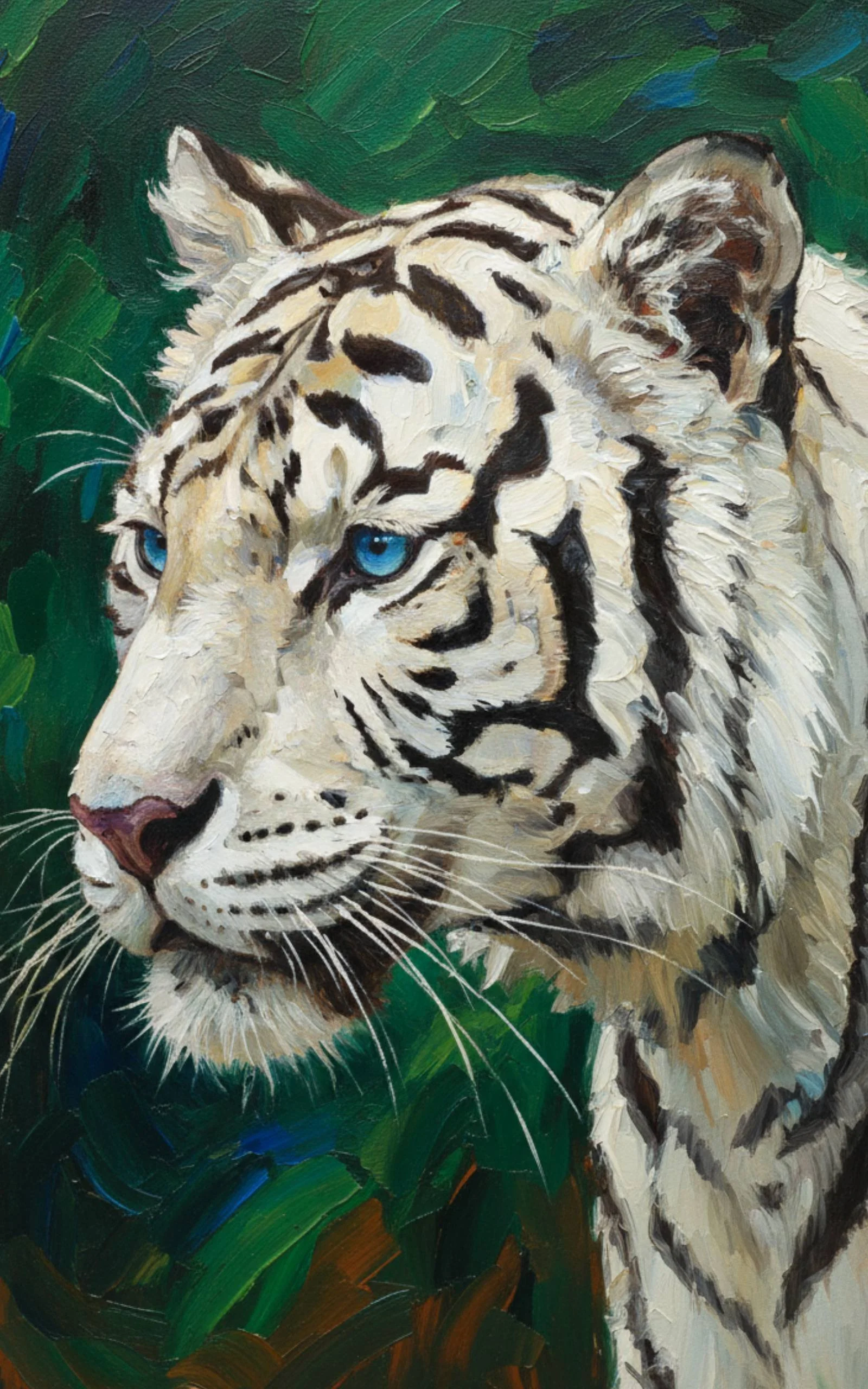
This poem is about Mohini, a white tiger whose life has stayed with me for years — not as a symbol of rarity, but as a mirror. She was admired, managed, controlled, and called “lucky,” while being slowly erased of choice and wildness. Writing this wasn’t about retelling her story so much as listening to what it reveals about us: how often captivity is dressed up as care, how often survival is mistaken for consent, and how frequently the door is visible long before we’re ready to touch it. Mohini is not an accusation. It’s an invitation — to notice the cages we’ve learned to live inside, and to remember that freedom, while frightening, was never impossible.
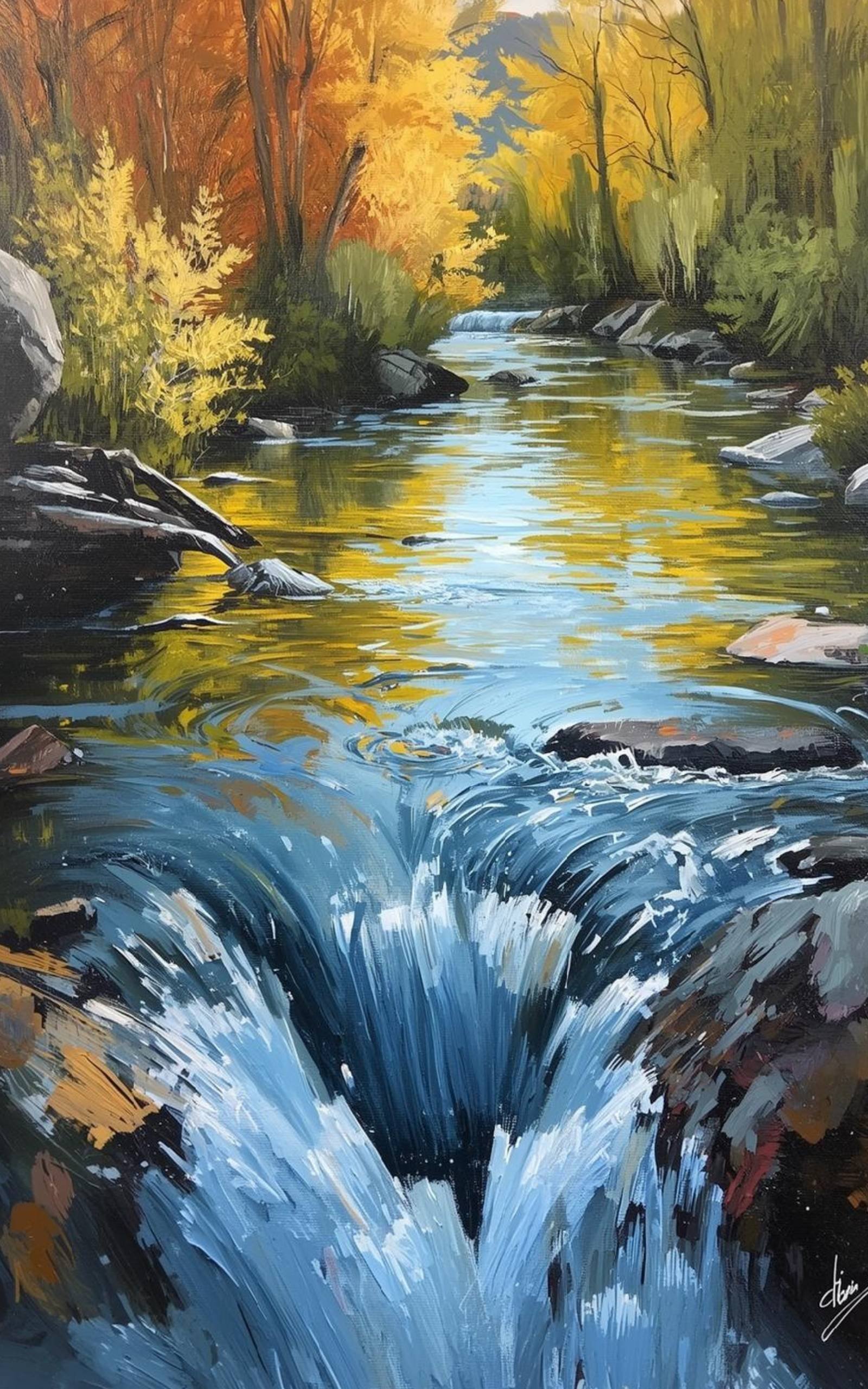
This poem is a vow rather than a declaration of arrival. Yet holds space for incompletion without surrender, reframing uncertainty as movement and becoming as an ongoing act of courage. Centred on a promise made inward—to the younger, hopeful self that still believes—it insists that growth is not measured by speed or certainty, but by the refusal to quit.
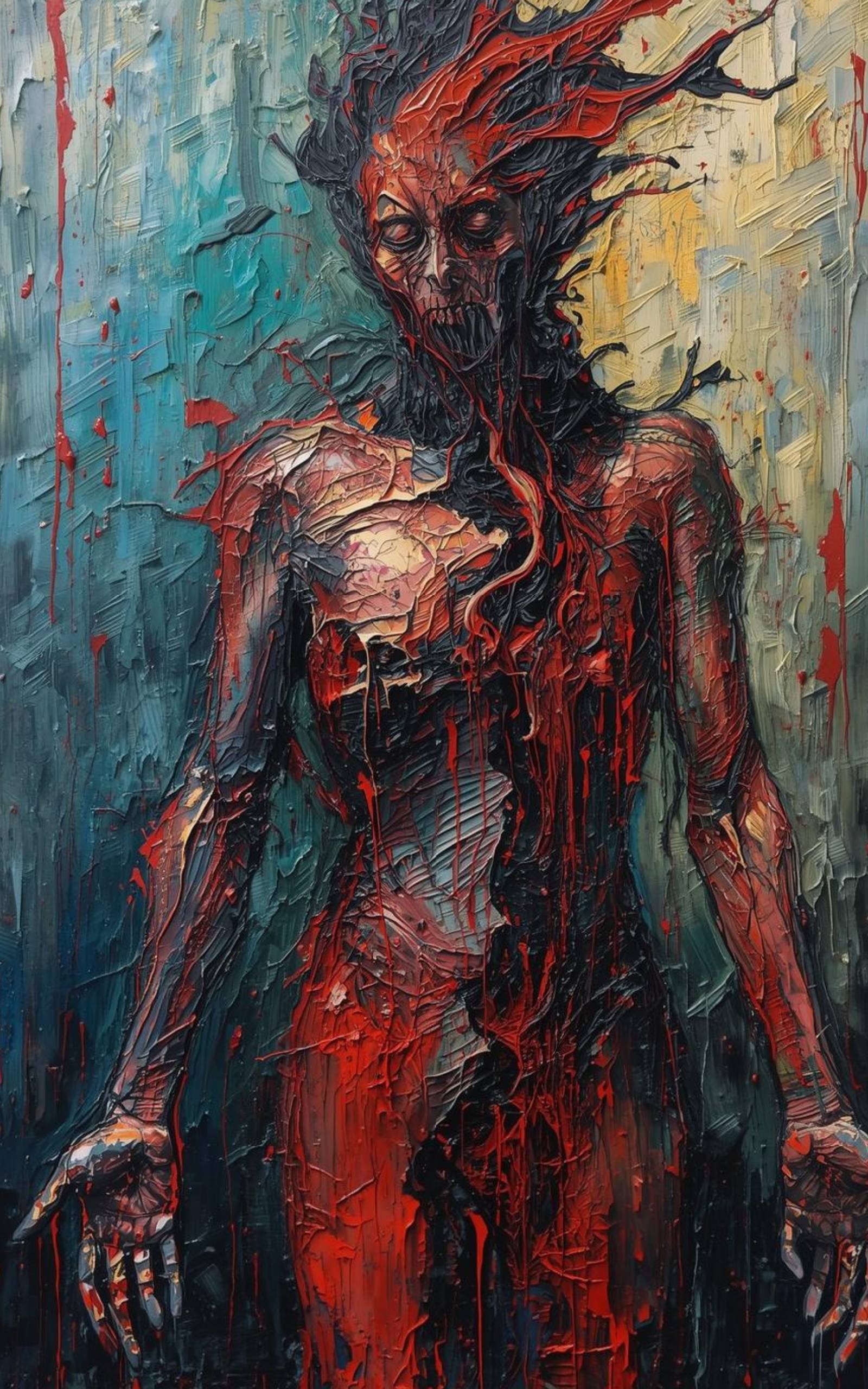
This poem confronts the lived reality of chronic illness not as a battle to be won, but as an ongoing, intimate negotiation with a body that no longer feels trustworthy. This Body Is a Betrayal gives voice to the grief, exhaustion, and fractured sense of safety that come from living inside pain that originates from within. It is not a rejection of the body, but an honest reckoning with the strain of staying—of choosing life, presence, and persistence even when comfort is no longer guaranteed.
How Alive I Am Willing to Be is a declaration of agency in the act of living. This poem frames aliveness not as something granted or accidental, but as a conscious choice—one that requires openness to risk, sensation, and transformation. It reflects on the tension between safety and immersion, asking what it truly costs to remain present in one’s own life. With measured intensity, the poem honours courage not as spectacle, but as the daily decision to feel deeply, move toward experience, and inhabit the world without numbing what makes it vivid. This is a meditation on choosing life fully, deliberately, and without apology.
I Was Never Beautiful rejects the narrow, conditional definitions of beauty placed on women and interrogates the cost of being valued primarily for appearance. Rather than mourning what was withheld, this poem reclaims the deliberate choice to want more—to seek substance, impact, and selfhood over admiration. It speaks to the hunger to be taken seriously in a world that rewards palatability, and to the power of building an identity rooted in growth, intellect, and presence rather than something time can erode. This is a poem about choosing depth over decoration, and becoming over being seen.
Some people don’t seek peace, they seek impact—any kind. They thrive in discord, mistaking the chaos they create for proof that they matter. The agent of chaos is a particular kind of creature: unpredictable, unmoored, and terrifyingly inventive in their cruelty. You can’t prepare for them, because conscience has limits and they have none. Yet even they cannot outrun the inevitable truth that no matter how much destruction they sow, people eventually leave. And when the dust settles, they’re left alone with the echo of their own ruin, confusing it still for power.💚
There’s a line in Alice in Wonderland where the Mad Hatter tells Alice she’s lost her muchness. I think about that a lot—how the world teaches us to tone ourselves down until we disappear into something more digestible. The Graveyard of Muchness was born from that quiet grief, from the realisation that most of us have buried our own brilliance just to be seen as reasonable. It’s about walking through the cemetery of all we’ve abandoned—our wonder, our defiance, our wild, luminous selves—and daring to listen for the laughter still echoing beneath the soil.💚
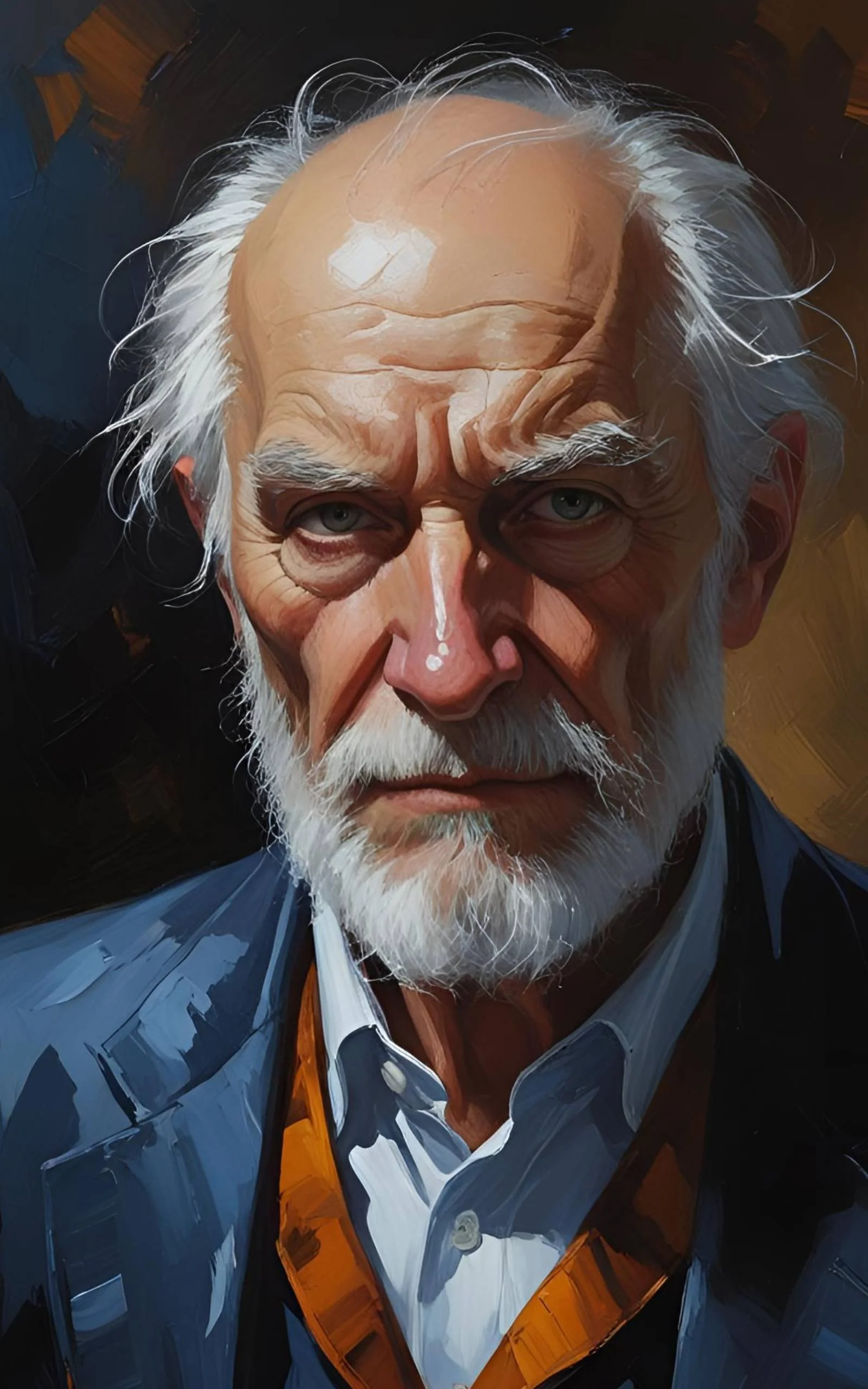
There’s a particular kind of evil that hides behind comparison. The kind that says, I wasn’t as bad as them, as if that’s absolution. As if a quieter cruelty is somehow less cruel. This poem is for the one who pretended to be a bystander while their hands left marks. Who rewrote history to dodge the guilt. Who watched, who hurt, who blamed—then claimed innocence. This is not a misunderstanding. It’s a reckoning. You are not who you pretend to be. You are what you did.💚

Alzheimer’s is a thief that does not break in all at once, but instead steals piece by piece—names, faces, whole chapters of a life once lived. The Vanishing is a poem I wrote while imagining what it might feel like for my mom inside her own fading world, reaching for memories that slip through her hands like ash. It is heavy with grief, laced with fear, and filled with the haunting imagery of what it means to lose yourself one memory at a time.💚

I turn forty-two today, and with it comes the weight of knowing I have spent a lifetime running toward someone who was already walking away. This poem is not just a farewell—it is a reckoning, a surrender of the chase, an unflinching record of blood, betrayal, and the hollow ache of a father who chose to tie his own hands behind his back. It is the most painful gift I can give myself: resignation to the truth, finally written down.💚

This poem is an elegy for everything we lose that never truly leaves. Disappearing Like Vapour explores the way time doesn’t erase so much as it softens, fading our moments into atmosphere—until what remains are ghosts of memory, shadows of meaning, and echoes of lives once vividly lived. It’s about walking through the present with a heart attuned to the past, feeling the pulse of history in stairwells, streets, and silences. In every place we inhabit, something once happened. Someone once was. And if we listen closely enough, we can still hear them—like breath against glass, vanishing but never gone.💚
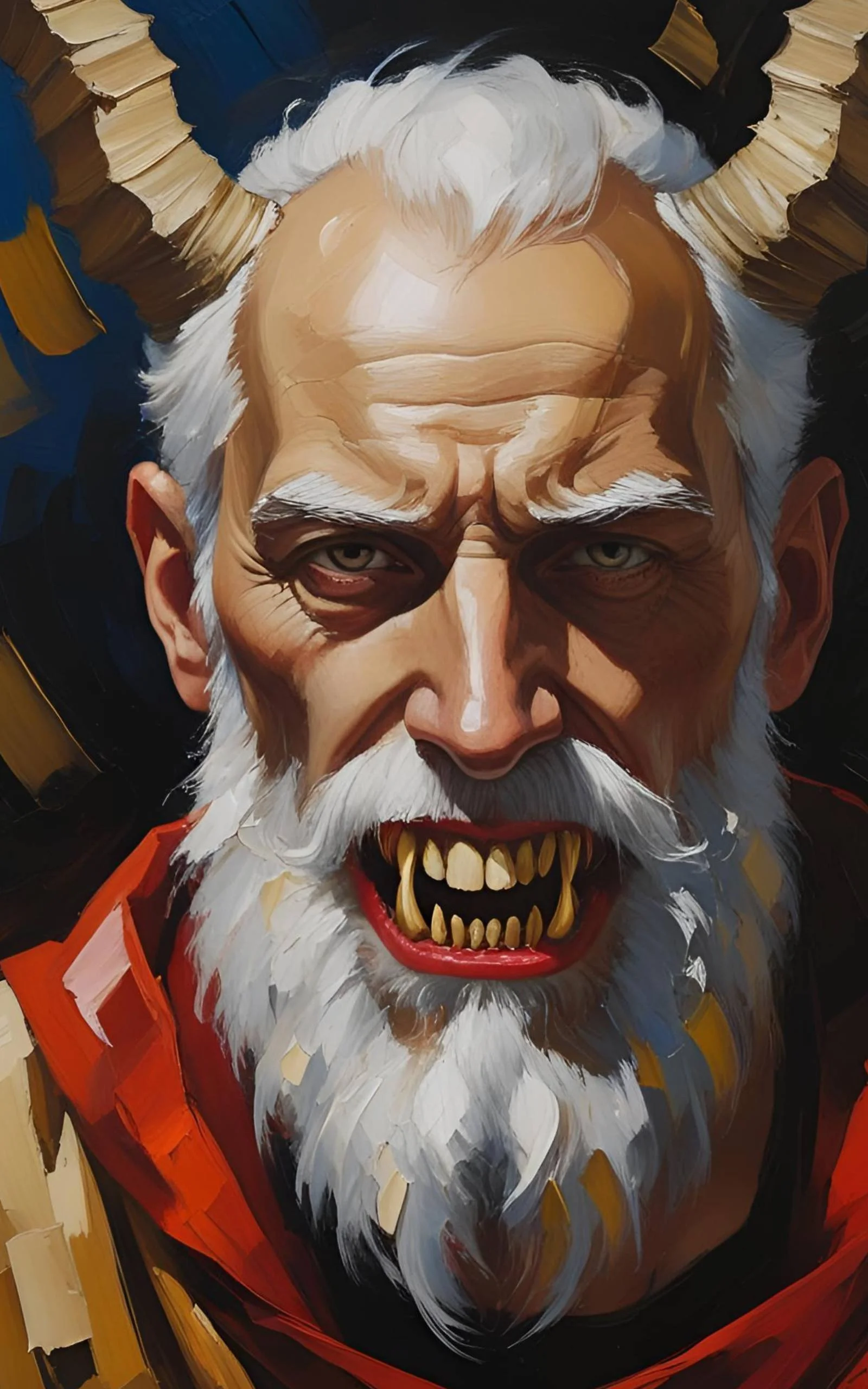
This poem is called If God Is A Father, and it’s the most personal thing I’ve ever written. It’s about the grief of losing my faith—not through rebellion or doubt, but through the example of my own father. I was taught that God is a father, and so I watched mine. And what I saw was cruelty, absence, punishment without accountability, and a love so conditional it could barely be called love at all. This poem is a reckoning. With the mythology I was handed. With the harm that was justified in His name. With the silence that still echoes. It’s not just a rejection of the God I was taught to worship—it’s a refusal to let that kind of fatherhood define what I believe in ever again.💚
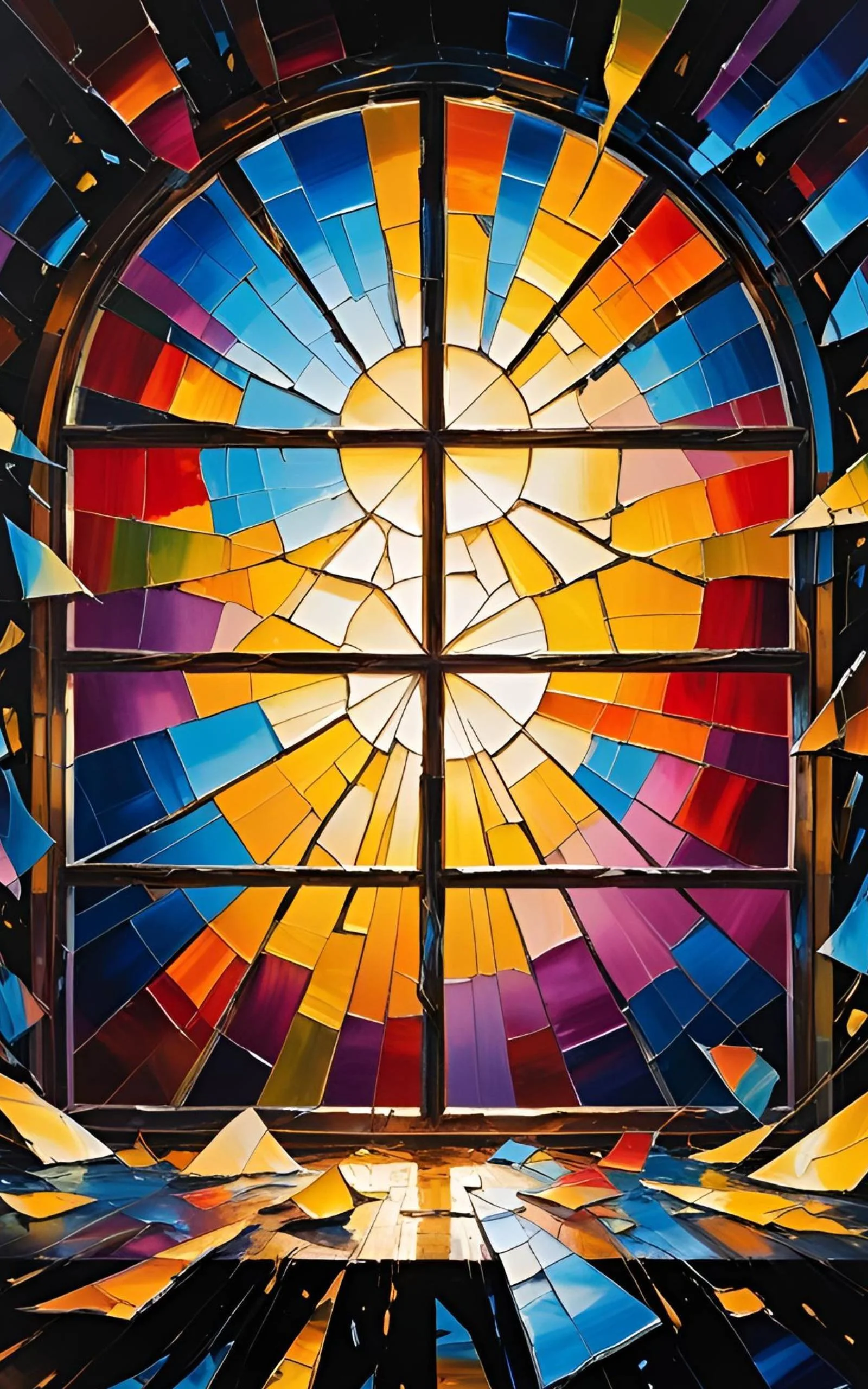
This next poem is called The Failure of the Father God. It’s a deliberate and direct reckoning with the concept of God as a father—a metaphor I was handed as a child, and one that never brought me comfort. In fact, it mirrored the harm I was already trying to survive. This poem isn’t subtle. It’s not meant to be. It’s for every woman who was told to kneel in gratitude while being broken, for every daughter who was asked to call silence “love,” and for anyone who has been asked to make peace with a God who looks far too much like the man who hurt them. The Failure of the Father God is not just a personal poem—it’s a refusal.💚
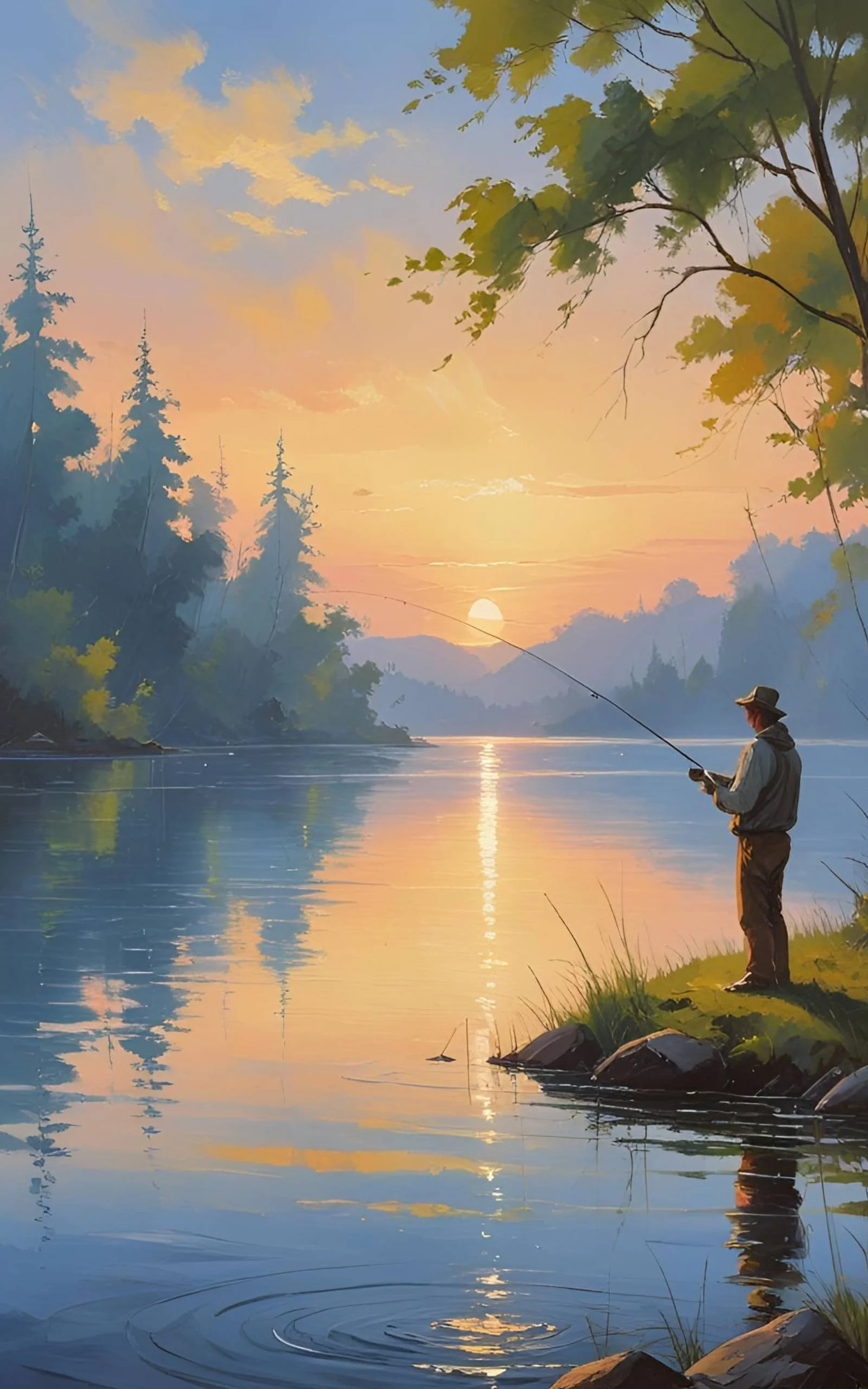
There are moments that feel all-consuming—so loud, so sharp, so heavy, they try to convince us that they are all we’ll ever be. But pain is not permanence. Trauma is not identity. And what we endure does not get to decide who we become. This poem is a declaration of defiance, a reminder that we are not the worst things that have happened to us, nor the hardest things we’re facing. We are more than any single moment. We are becoming, always. And this—whatever this is—is not our whole story.💚
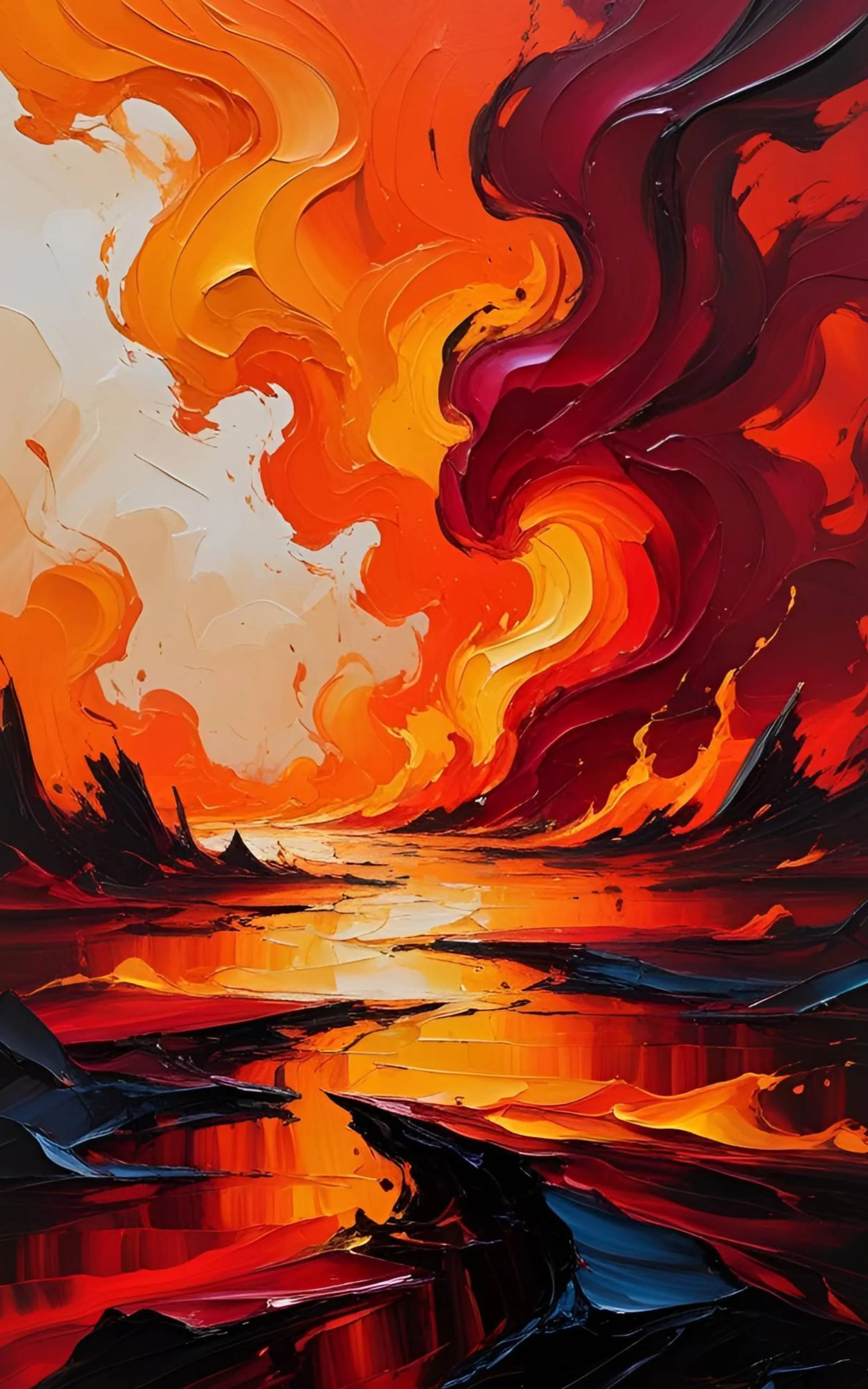
We are so often taught that anger is something to suppress, something unbecoming of a woman—that to be palatable, we must be pleasant, forgiving, quiet. But anger is not the enemy. Anger is clarity. Anger is the voice that speaks when everything else has been silenced. It is the moment we stop enduring and start transforming. This poem is a reclamation of female rage—not the kind that destroys for the sake of destruction, but the kind that frees, that rebuilds, that says enough. Let this be a reminder that your anger is not shameful. It is sacred. And when they fear it, when they try to diminish it, know that they are witnessing the most dangerous thing of all: a woman no longer afraid to burn.💚
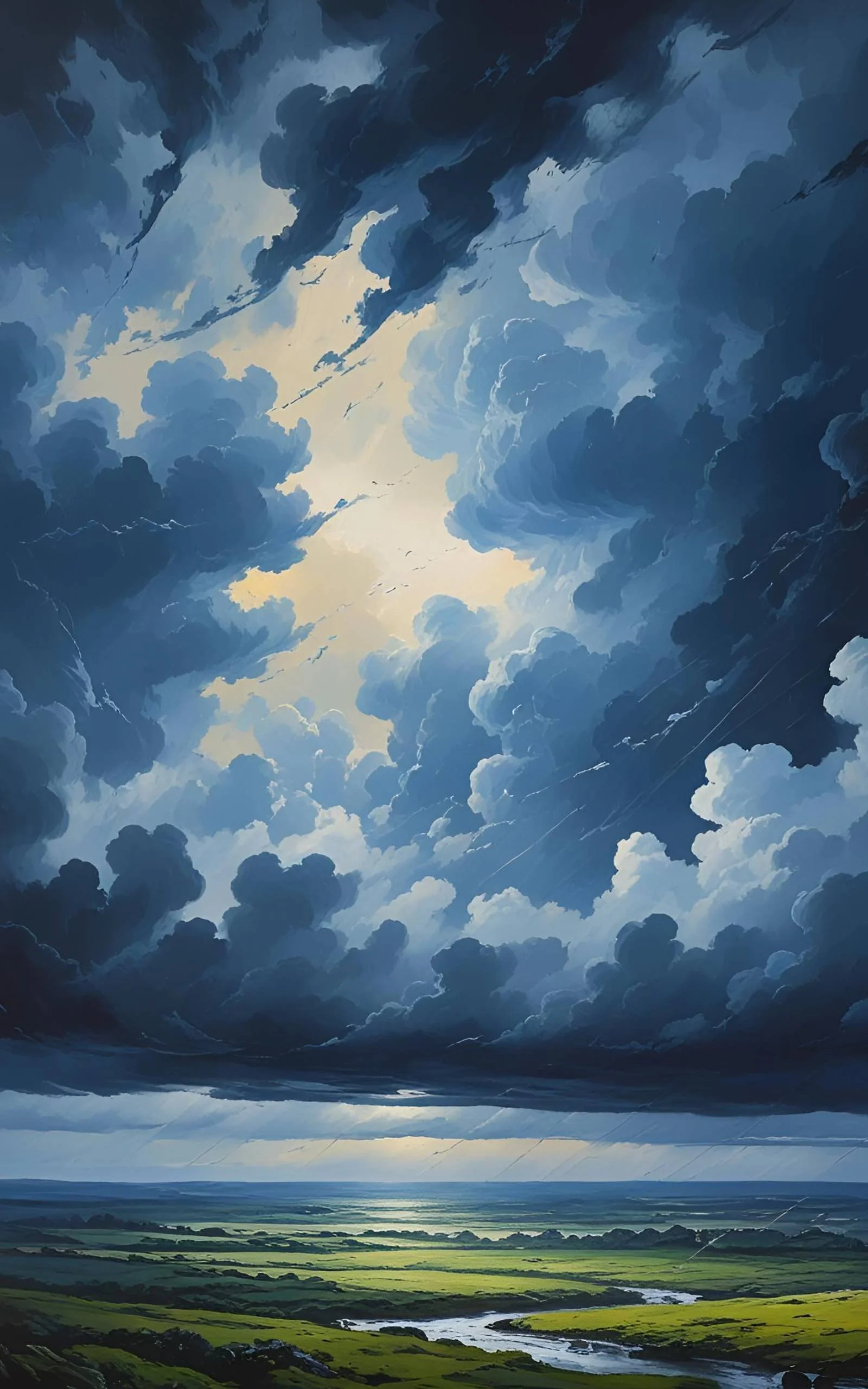
This poem is a reckoning with release. The Sky Will Do What the Sky Does is about the futility of trying to contain someone else’s chaos—about the heartbreak of watching a storm rise in someone you once begged to be calm. It’s about learning that no matter how gentle, reasonable, or forgiving you are, you cannot rewrite the weather. You cannot turn thunder into quiet. This piece is for anyone who has exhausted themselves trying to bring peace to someone committed to destruction. It’s not about surrender—it’s about sovereignty. About stepping away from the storm, not because it has stopped, but because you finally understand: it was never yours to still.💚
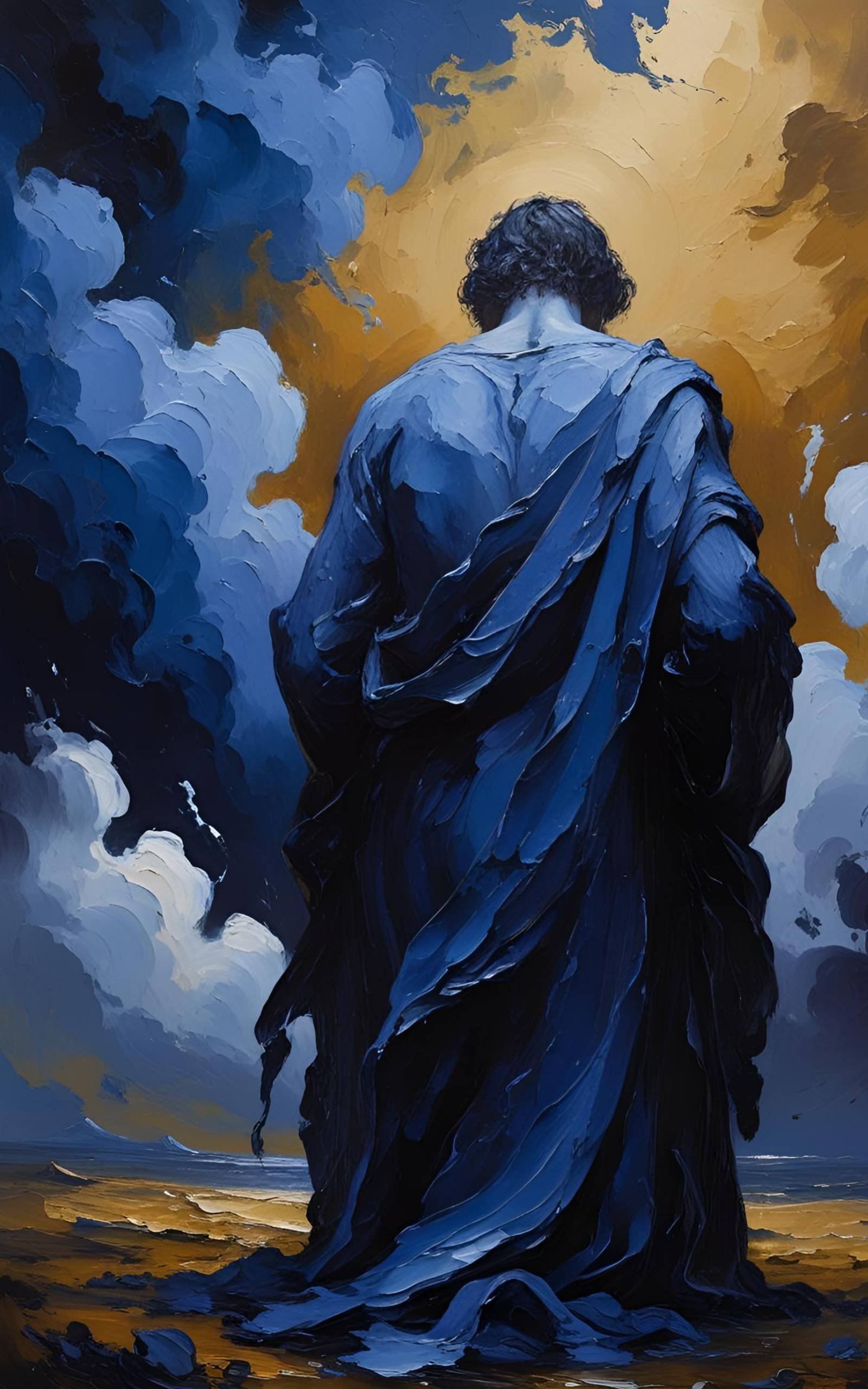
This is a poem about losing faith—not in the abstract, but in the most personal way imaginable. It is about what happens when the figure meant to protect and guide you, the one who teaches you what love and power are supposed to feel like, becomes the very source of your undoing. When religion tells us that God is a father, what does that mean for the daughters of men who abandon, wound, or destroy? The Apostasy of Daughters is not just a reckoning with belief—it is a lament, a funeral hymn for the idea of divinity as paternal. For some, disbelief is not rebellion. It is survival.🖤

This poem is about the kind of heartbreak that doesn’t come from romance, but from absence. From someone you love not showing up when you needed them most. It’s about the silence that follows your joy, your struggle, your survival—and the person who should’ve been there, but wasn’t. I don’t know why they turned away. Maybe I never will. But the hurt is real. And so is the grief of having saved someone a seat they never planned to fill.💚

Sometimes, sorrow doesn't come from a single moment, but from a slow and quiet accumulation—the weight of not being seen, the ache of showing up for someone who doesn’t do the same. This poem came from that place. From the grief of being present, generous, loyal… and slowly realizing you were never truly met there.💚

Some things don’t get better. They don’t pass. They don’t transform into wisdom or gifts or meaning. Some things just happen—suddenly or slowly—and nothing is ever the same again. The Shape of What Remains is a poem about that kind of reality. The kind that doesn’t lend itself to healing arcs or tidy endings. It’s about the aftermath—the unbearable permanence of real grief, real loss, and the quiet, everyday bravery it takes to live in a world where the worst has already happened.💚
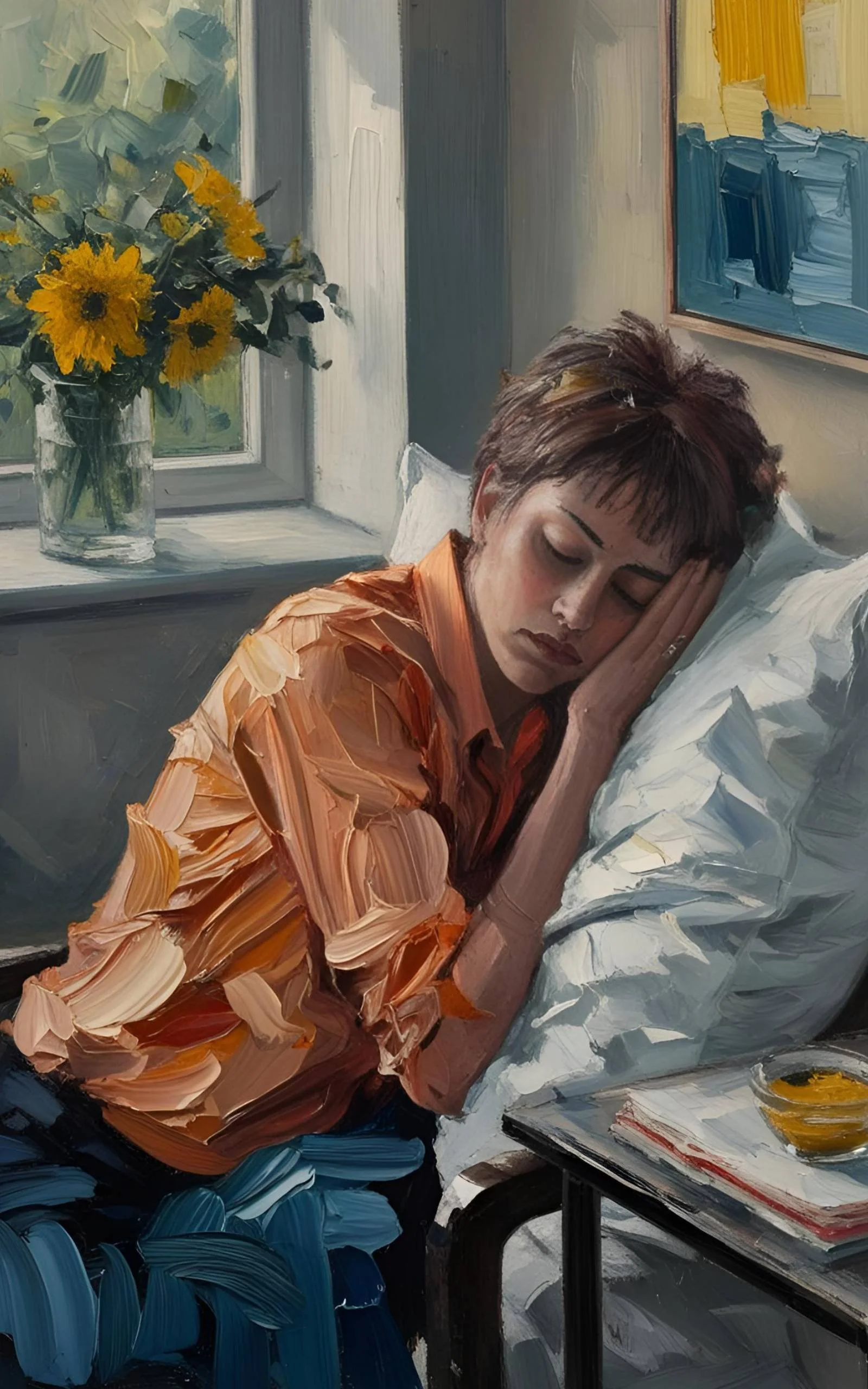
This poem is dedicated to everyone whose default setting is “could nap at any moment,” regardless of how many hours they slept or how many electrolytes they’ve consumed. Time of Fatigue: Forever is a tribute to the deeply personal relationship I’ve developed with exhaustion—equal parts lifestyle, personality trait, and maybe a mild haunting. If you’ve ever been so tired that even your dreams need a break, welcome. You’re among your people.

If You Want to Know (Know That You Can’t Hurt Me) is pure catharsis—years of venom spit back at the source, a blade sharpened on the relentless grind of someone else’s delusion. This is for the narcissists who think repetition makes a lie true, for the bitter, spiteful ghosts who refuse to stay buried, for the unwelcome parasites who latch onto lives that have no room for them. You are not the centre of my universe. You are not even a distant star. You are static, white noise, a meaningless flicker in a life that has outgrown you. This poem is not an invitation. It is an exorcism.
The Midpoint Moves challenges the idea that moderation is inherently moral. When the political right moves further toward the extreme, continually meeting it in the middle does not hold the centre—it moves it. A poem about the dangerous distance between compromise and permission, and what happens when yesterday’s unacceptable becomes today’s reasonable.
Your Empty Message is a reckoning with a left that speaks fluently about inequality, injustice, and systemic failure while governing too cautiously to meaningfully confront them. It asks what happens when progressive language is repeatedly separated from material change—and the political vacuum left behind is filled by a far right more than willing to turn legitimate anger into fear, blame, and division.
There are moments in life when every choice carries a cost, and simply reaching tomorrow becomes the greatest achievement of all. This poem reflects on the quiet courage of survival, and the compassion owed to every difficult decision made in its name.
Some bonds seem to appear effortlessly, while others remain forever just beyond reach. This poem explores the sorrow of searching for a connection that cannot be forced, no matter how deeply it is hoped for.
History is filled with unanswered wrongs and unbalanced scales. This poem explores the unsettling possibility that perfect justice was never meant for this world, while gently wondering whether another horizon may yet hold what this one cannot.
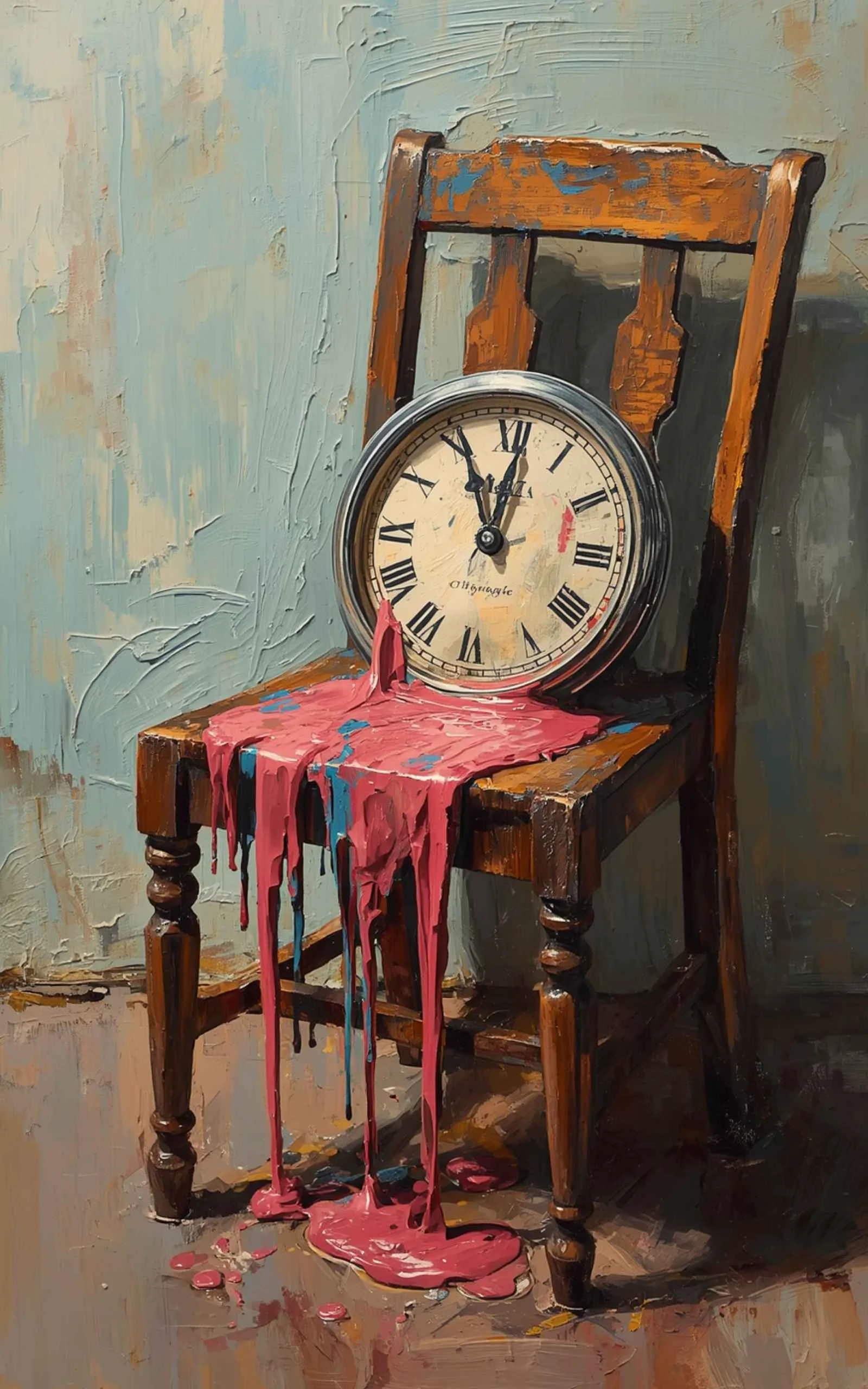
The greatest regrets are not always born from failure. Sometimes they grow from the opportunities never taken, the dreams forever delayed, and the extraordinary life that remained just out of reach. This poem is a meditation on courage, comfort, and the passing of time.
Every beautiful thing asks the same impossible favour: Please don't let this end. Perhaps the greatest privilege of living is having so many moments worth missing. 💚
It is astonishingly easy to break something beautiful. The harder—and infinitely more worthwhile—question is: what will we choose to build instead? 💚
Tomorrow is the most generous place in existence. Before it arrives, nothing has been lost and everything is still possible. 💚
Some losses never stop asking questions. This poem is about the quiet, impossible search for answers after a life has ended, and the way love keeps looking long after there is nowhere left to look. I hope it leaves you holding your loved ones a little closer. 💚
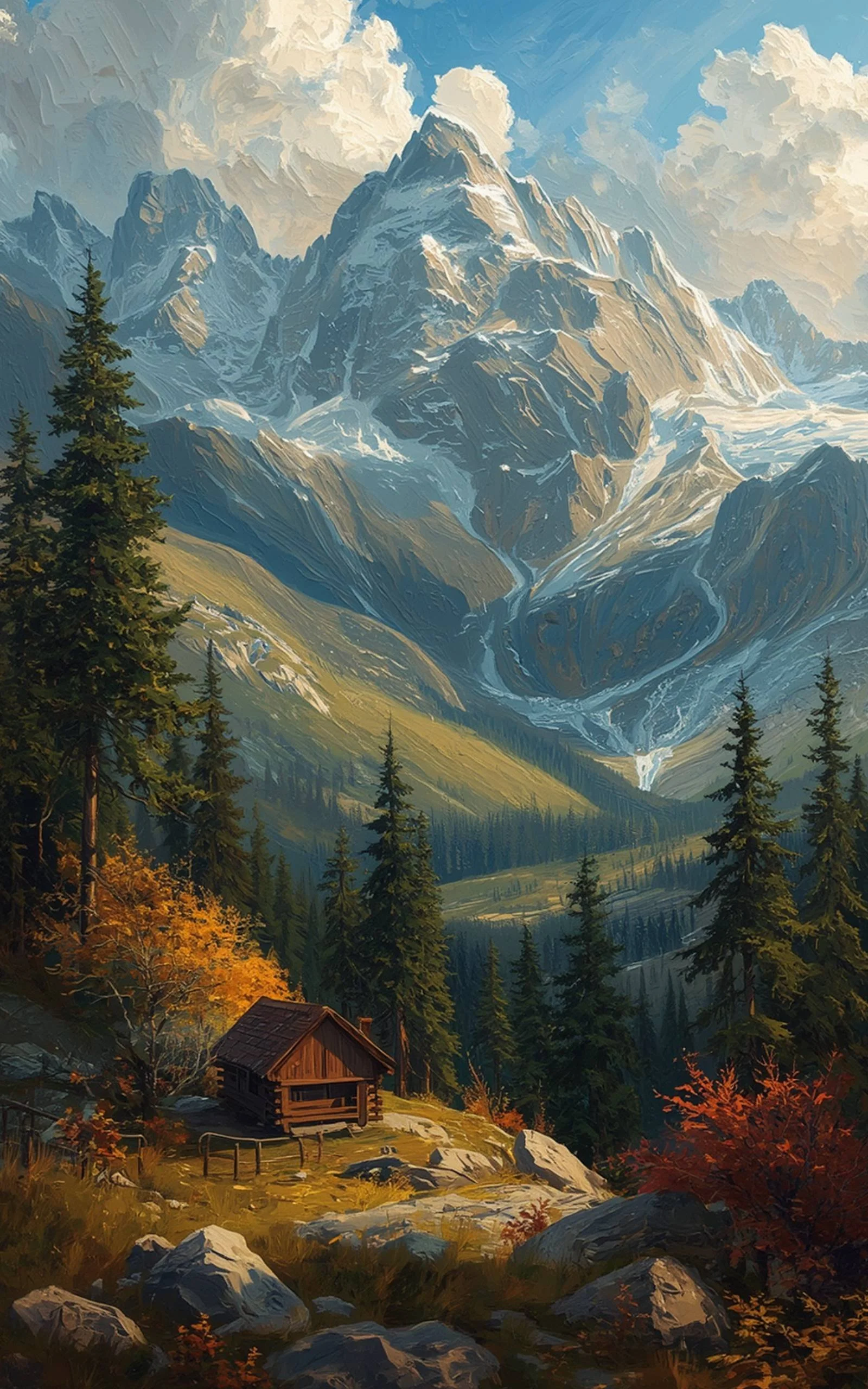
This poem was inspired by a feeling that is difficult to describe but impossible to ignore: the sense of watching a life slowly contract. Not through age or circumstance, but through fixation, regret, fear, obsession, or the weight of choices that narrow the horizon until possibility itself seems to disappear. Shrunken is not about any one person or any single story. It is about the tragedy of forgetting how vast the world still is. I hope that, as you read it, you feel both the sadness of that confinement and the quiet reminder that mountains still rise beyond the window, roads still stretch toward distant horizons, and life remains far larger than the cages the mind sometimes builds around itself. 💚
Most conversations about harm focus on the victim and the perpetrator. What interests me is everyone else—the people who inherit consequences they did not create, whose lives are quietly altered by decisions made in rooms they never entered. A single act of violence can travel astonishing distances, reshaping futures, relationships, and identities long after the event itself has passed. This poem explores that invisible fallout and the uncomfortable truth that innocence has never guaranteed immunity from consequence. 💚
This poem is about a particular kind of tragedy—not the tragedy of failure, but the tragedy of fixation. It was inspired by the realization that some people spend so much time chasing, comparing, resenting, or reacting that they never fully step into the extraordinary possibilities of their own lives. The Chaser is not really about any one person. It is about a pattern, a temptation that exists in all of us to look sideways instead of forward. I hope that, as you read it, you feel both the sadness of what can be lost to obsession and the quiet invitation hidden beneath it: to stop chasing shadows and begin building something beautiful of your own.💚
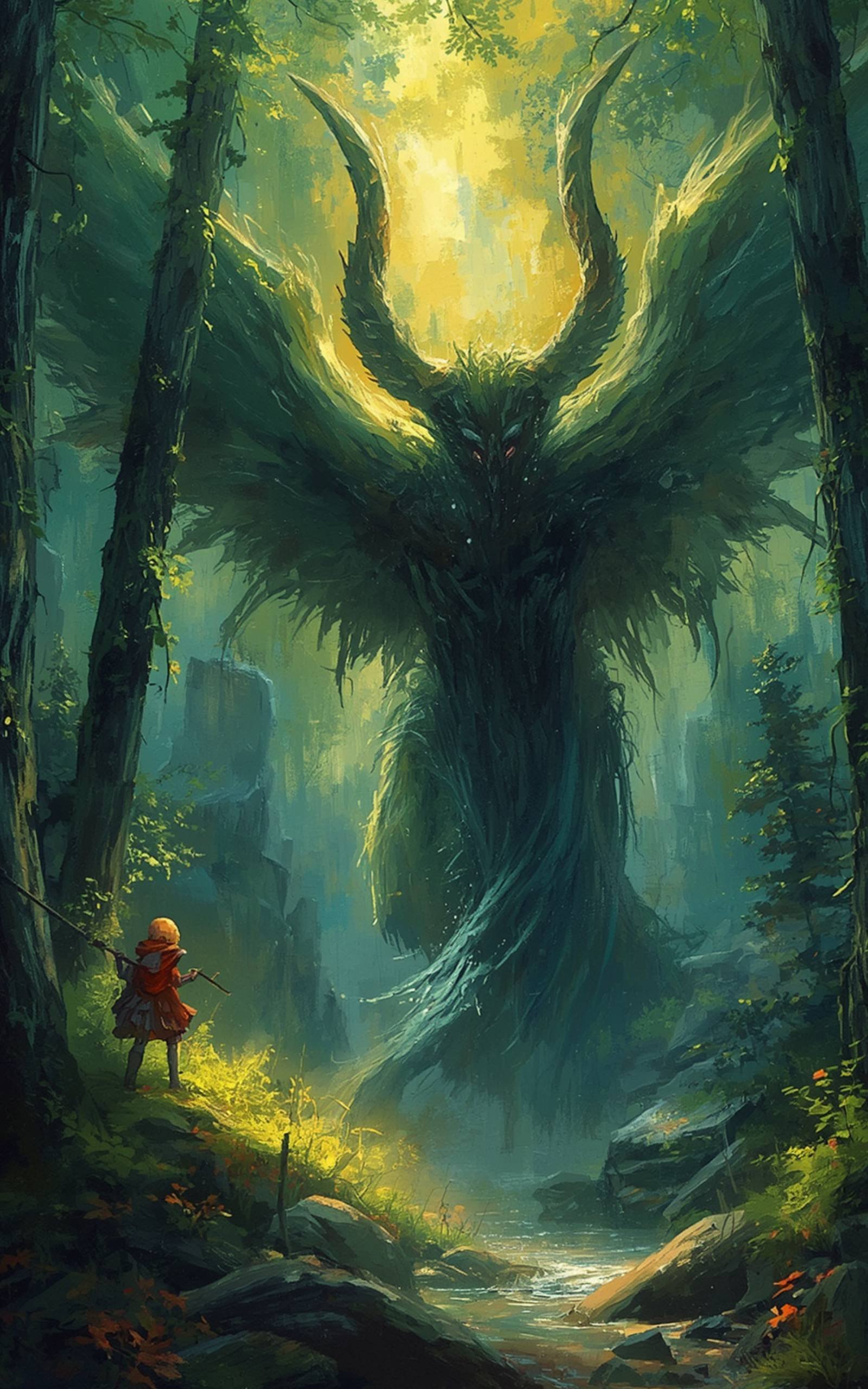
I run five kilometres almost every day through a beautiful strip of nature near my home. It has become a deeply meditative ritual—a time when the noise of life quiets enough for ideas, questions, and poems to surface. This poem was conceived on one such run. Surrounded by towering trees, birdsong, sunlight on water, and the intricate beauty of a world that seems almost impossibly alive, I found myself reflecting on a question that has followed me for years: how can a world so breathtakingly beautiful also contain such profound suffering? The more closely I look at nature, the more miraculous existence feels. And yet woven into that same extraordinary tapestry are cruelty, injustice, violence, and heartbreak. The Beautiful Terrible Thing explores that contradiction. I hope that, as you read it, you feel both awe and discomfort—the wonder of being alive in a world so beautiful, and the responsibility that comes with sharing it with one another.💚
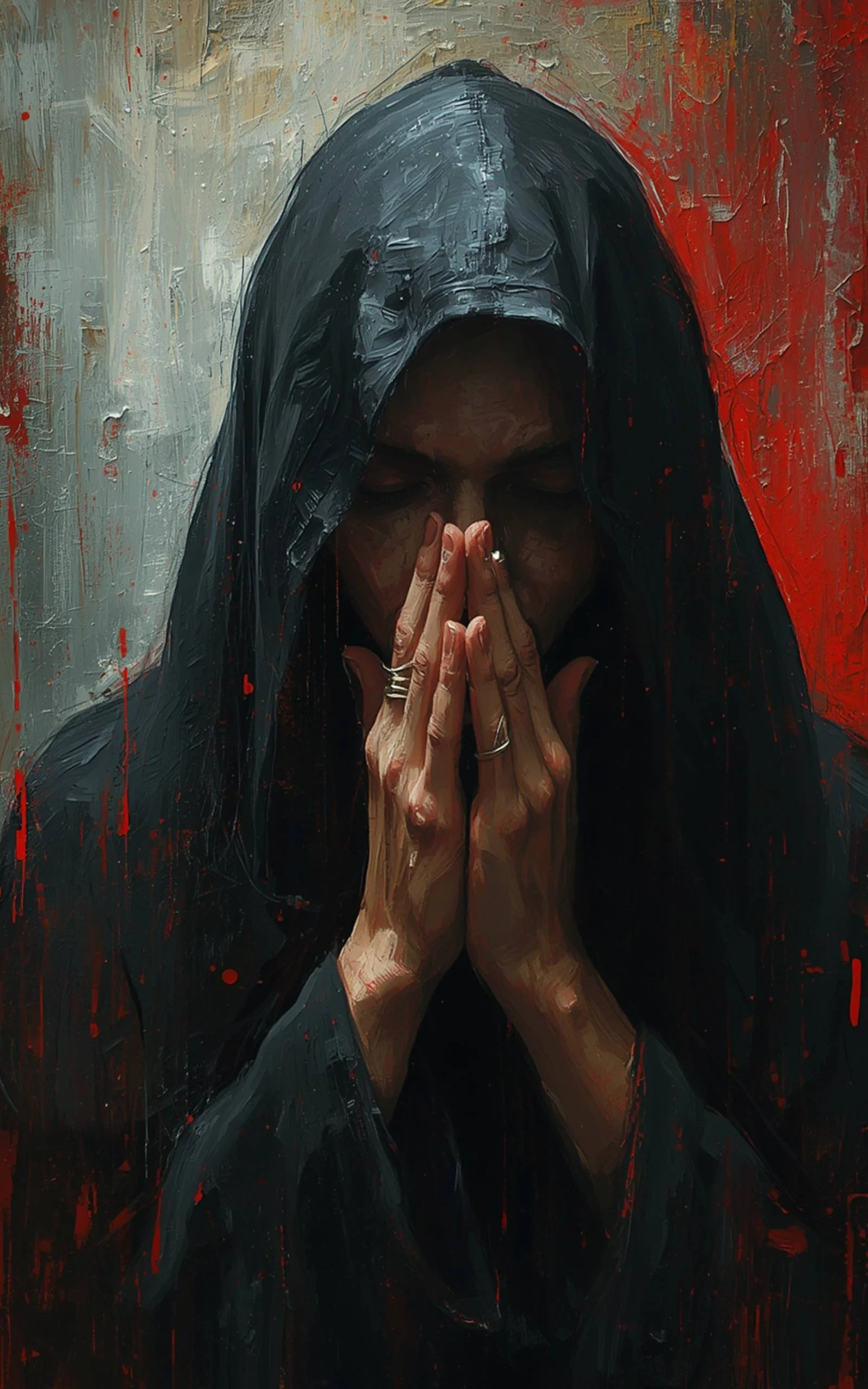
This poem was inspired by a line from Alice Feeney's novel Sometimes I Lie, which lingered in my mind long after I finished reading. It made me think about the role of the bystander—not the person committing the harm, but the person who sees it, senses it, suspects it, and chooses silence. The Bystander is my reflection on the quiet power of courage and the equally powerful consequences of looking away. I hope that, as you read it, you find yourself considering the small moments when a voice, a question, or a simple act of standing beside someone can change the course of a life. 💚
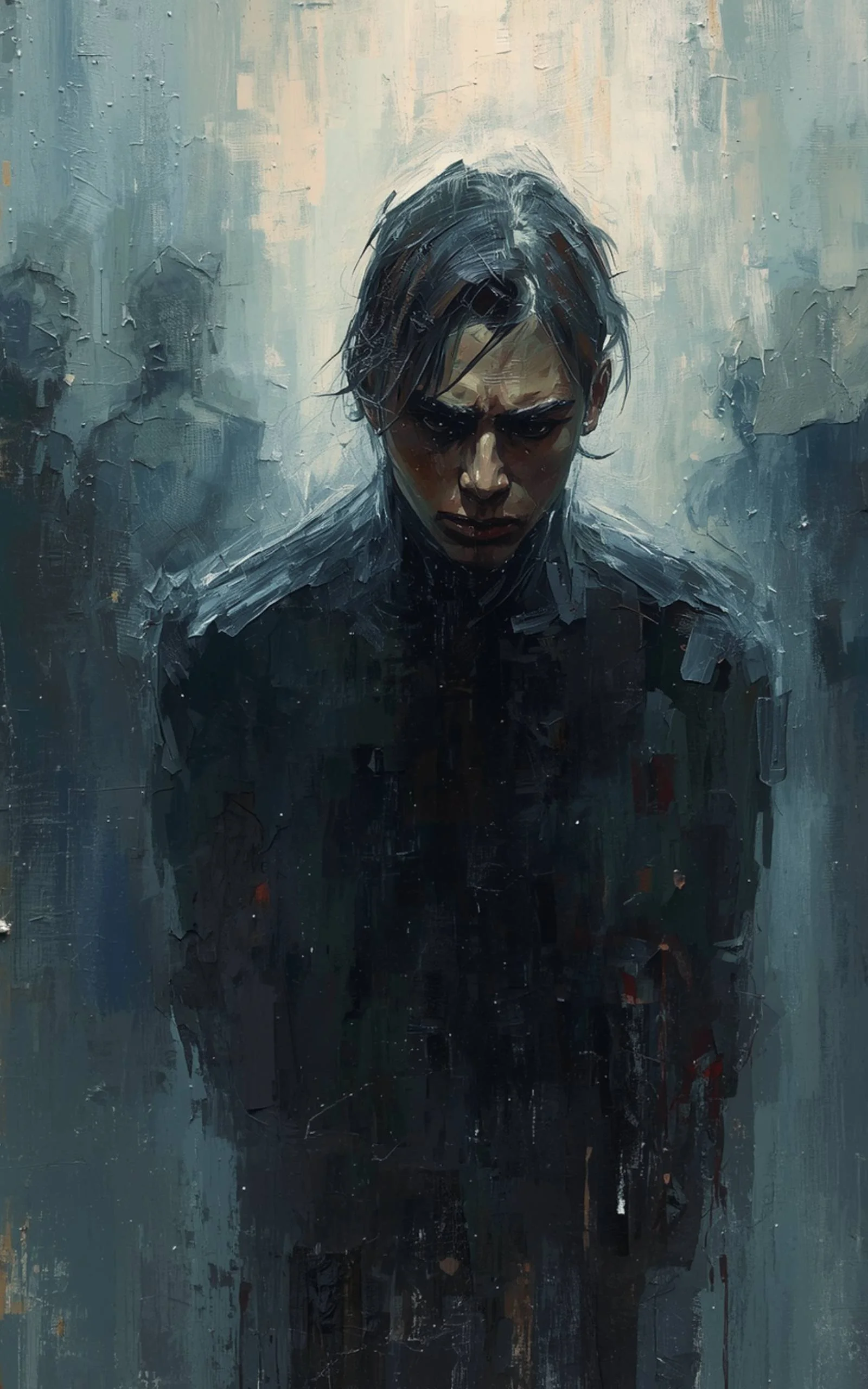
The People Pleaser is about the quiet cost of becoming everything for everyone except yourself. Many people pleasers are praised for their kindness, reliability, and generosity, yet beneath those compliments can live a profound loneliness—the loneliness of being deeply known by everyone except themselves. This poem explores the moment that pattern begins to break. I hope that, as you read it, you feel both the grief of all that was sacrificed in pursuit of approval and the profound relief that comes from finally asking a simple, life-changing question: What do I want? 💚
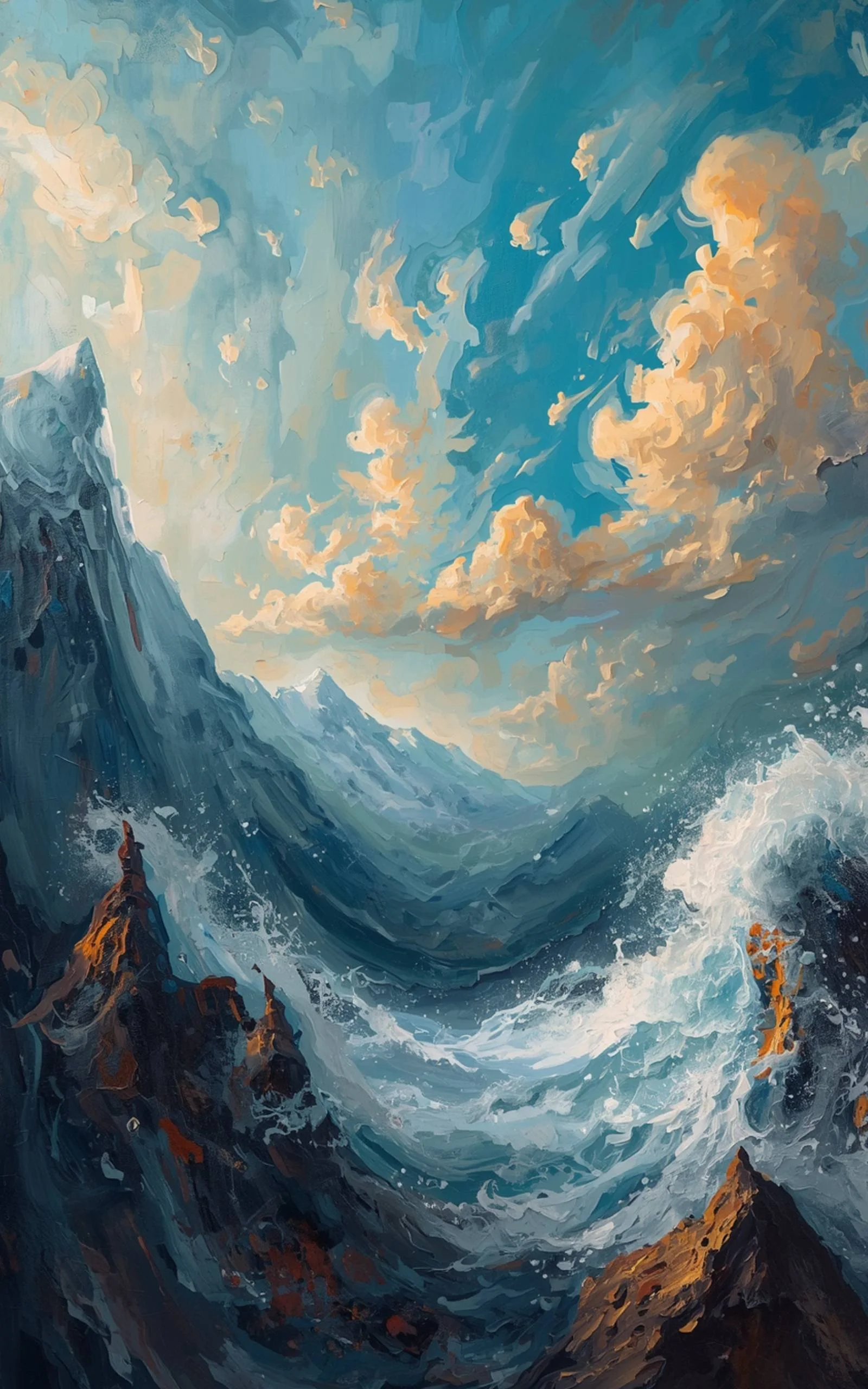
It Happened Later is for anyone whose life failed to arrive on schedule. For anyone who spent years measuring themselves against timelines, milestones, and imagined deadlines, only to discover that some of the most meaningful things take longer than expected. This poem is not about giving up on dreams—it is about releasing the illusion that they must arrive on our timetable. I hope that, as you read it, you feel a little less burdened by where you thought you would be by now and a little more open to the possibility that your life is unfolding in its own wise and untidy way. Sometimes the best things arrive later. And sometimes later turns out to be exactly right. 💚
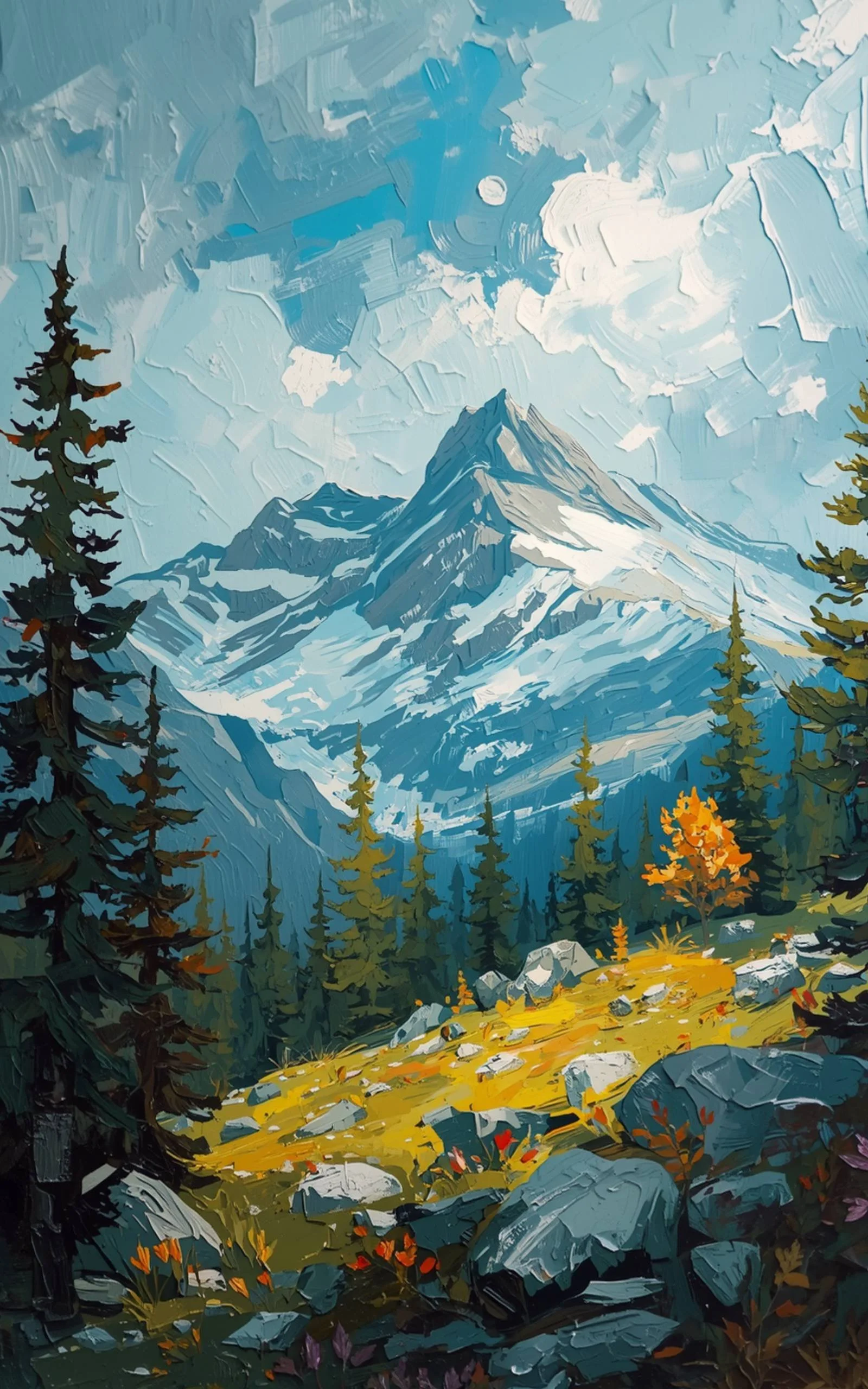
This poem was inspired by a simple but surprisingly profound idea: perhaps not everything requires an explanation. So much of life is spent searching for meaning, certainty, and answers to questions that may never be resolved. Yet the natural world carries on without justification. Rivers flow. Mountains stand. Lilacs bloom. Simply Is is an invitation to step, if only for a moment, out of the endless pursuit of why and into the quiet peace of what already exists. I hope that, as you read it, you feel a little less pressure to understand everything and a little more permission to simply be where you are. 💚
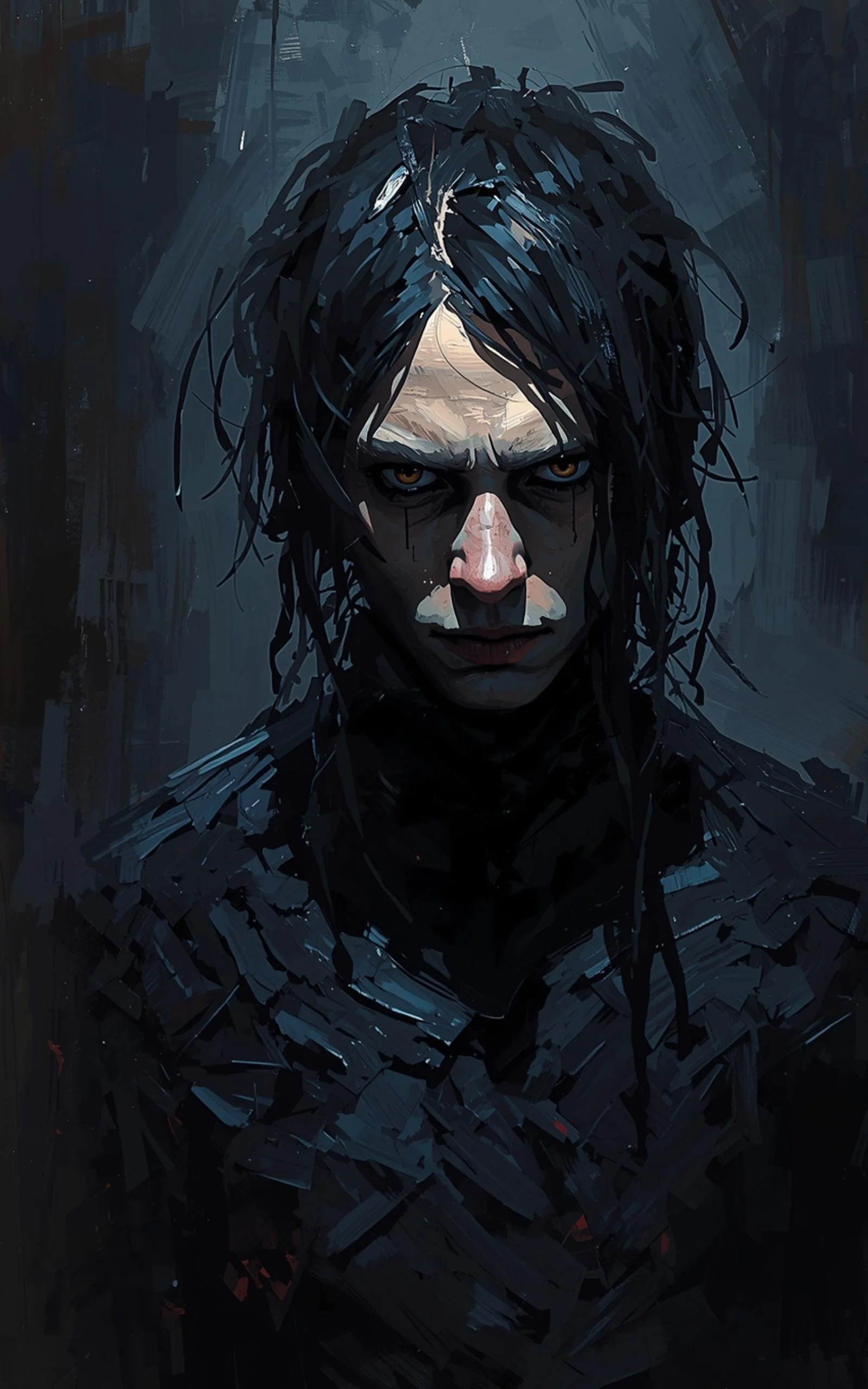
I’ve been reading a great deal about the Dark Tetrad—those intersecting traits of narcissism, Machiavellianism, psychopathy, and sadism—and found myself wondering what it might feel like to move through the world inside a mind shaped by those patterns. This poem is my attempt to imagine that interior landscape. I hope, as you read it, that you feel unsettled—that slow, creeping chill of realizing you are standing inside a psyche where charm is strategy, intimacy is leverage, and other people exist chiefly as instruments to be played.
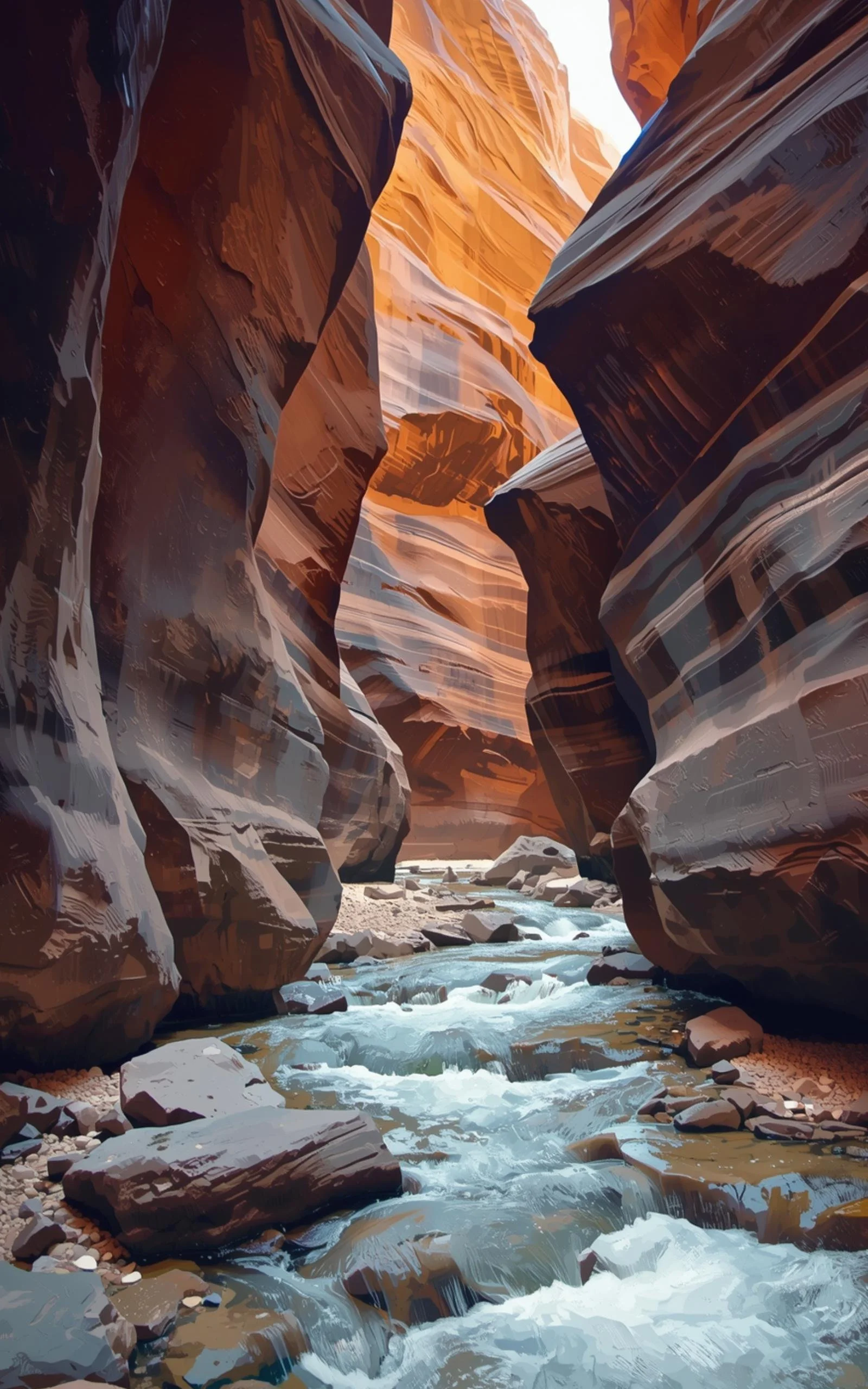
Carve Your Canyon is a poem about persistence—not the loud, cinematic kind we are taught to admire, but the quiet, often invisible kind that changes everything anyway. It is for anyone who has looked at the scale of a dream and felt impossibly small in comparison. For anyone who has wondered whether they are too late, too ordinary, too uncertain, or too tired to create the life they ache for. At its heart, this poem is a reminder that transformation is rarely born of spectacle. It is born of return. Of showing up again when no one is applauding. Of choosing devotion over drama. Because the most extraordinary lives, the most breathtaking art, and the most impossible dreams are so often carved not by force, but by the patient, relentless courage of simply refusing to stop.
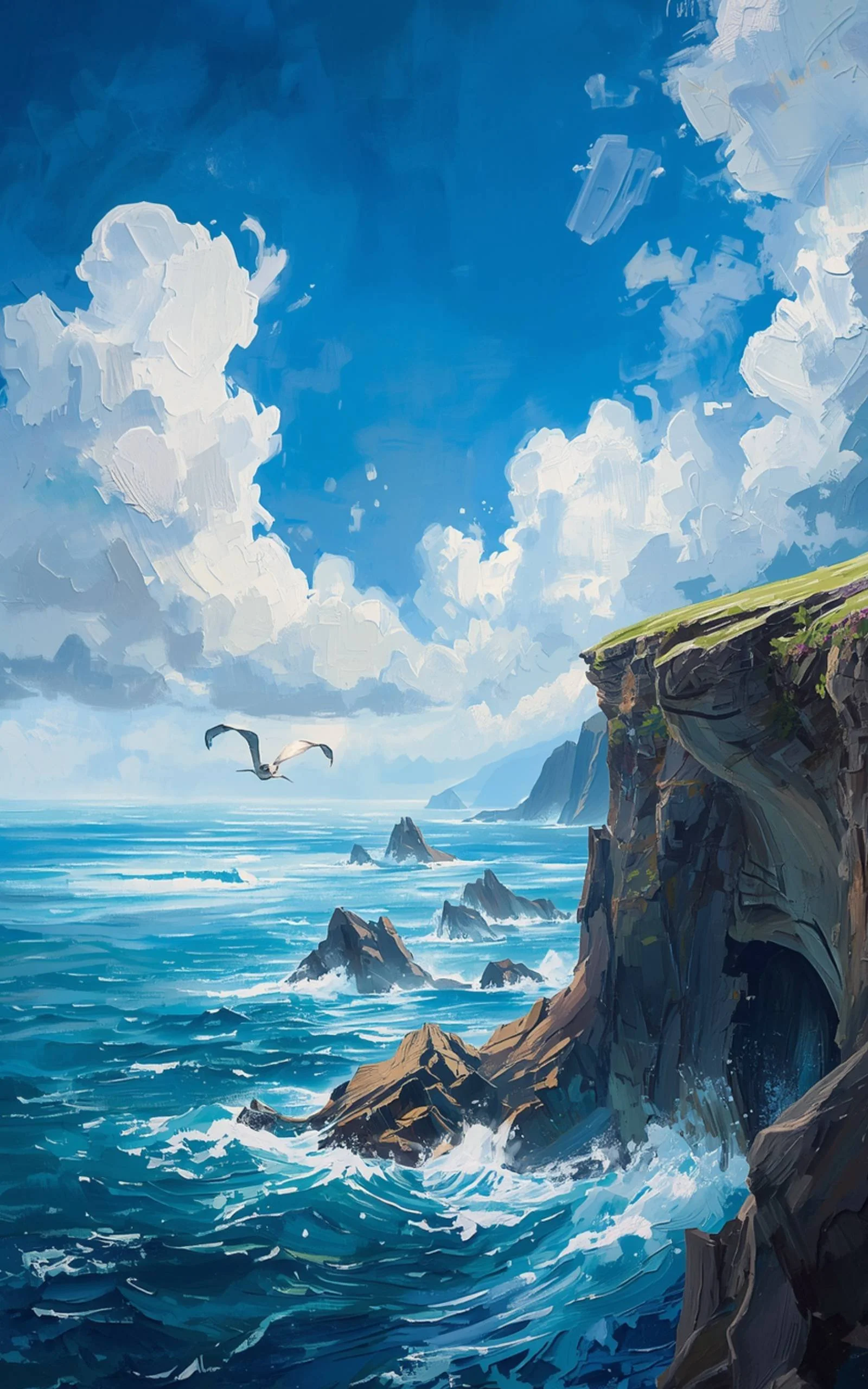
Fine: I’ll Drag Myself and My Dreams Out of Here Myself is for anyone who spent too long waiting—for permission, for confidence, for rescue, for the elusive moment when ambition would somehow feel legitimate enough to pursue out loud. It is a poem about creative hunger, late beginnings, and the furious clarity that comes when you realize no one is coming to hand you the life you ache for. At its heart, this is not a poem about effortless triumph. It is about grit. About dragging your dreams forward bloodied if necessary. About refusing self-erasure. About finally choosing yourself, your voice, and the stories burning inside you—even if the path forward is messy, exhausting, and entirely self-made.
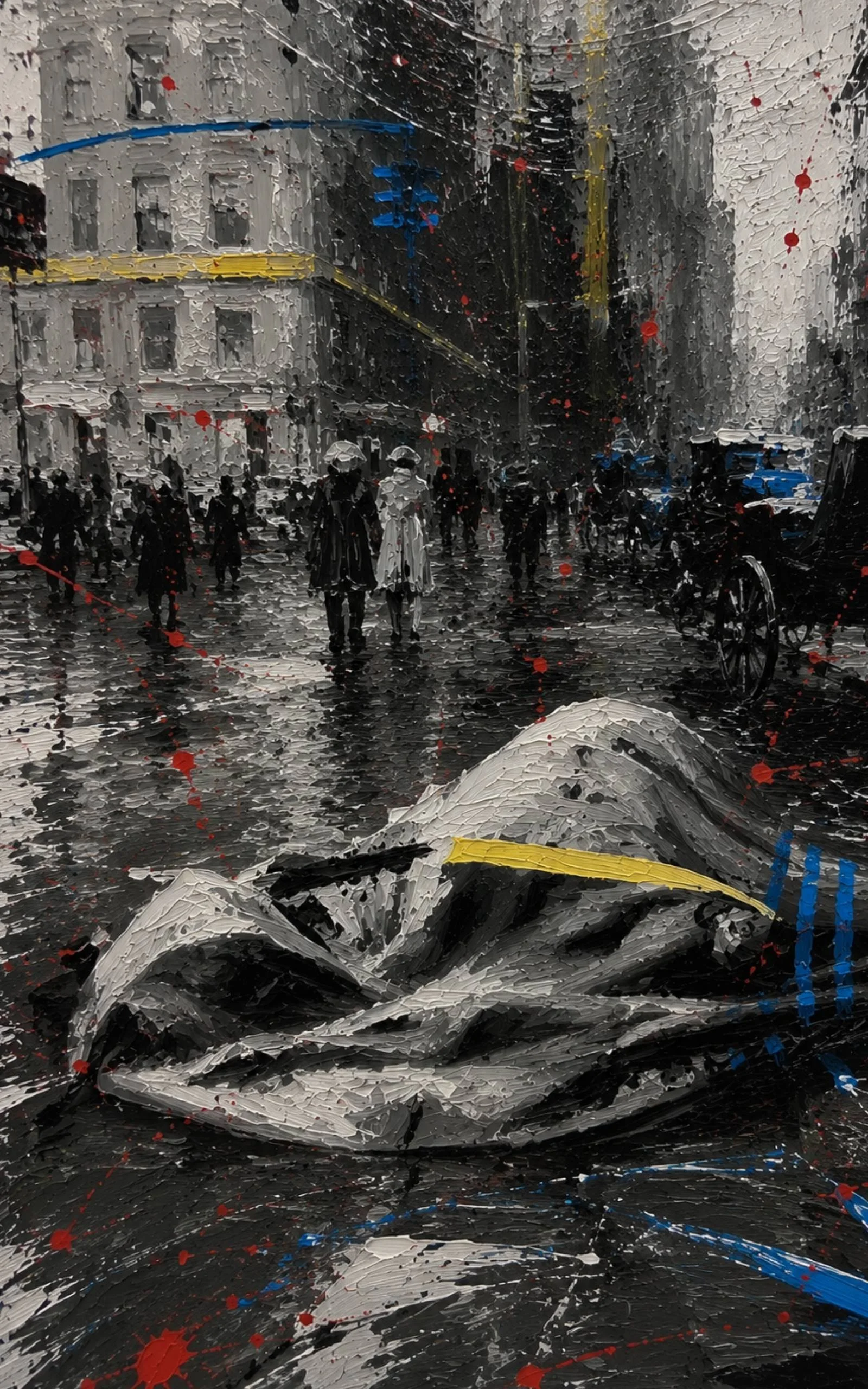
Dead Horse is about the painful moment hope finally collides with reality—and the realization that some forms of love do not die dramatically, but decay quietly over time while hope keeps mistaking absence for possibility. This poem explores nostalgia, grief, and the deeply human instinct to keep trying long after something has already ended. At its heart, it is a reckoning with the difference between love and longing—and the devastating clarity that sometimes the kindest thing we can do is stop trying to resurrect what has long since gone cold.
I’ve Got My Hands Up is about the kind of surrender that does not come from weakness, but from exhaustion, clarity, and the hard-won understanding that some cycles survive only through continued participation. It explores the moment a person finally steps away from a dynamic that has demanded endless emotional labour, hope, and self-sacrifice, and discovers that peace is not found through victory, but through absence. Rather than framing surrender as failure, this poem reclaims it as an act of self-preservation—a quiet refusal to keep offering oneself to something that only knows how to wound.💚
Relieved explores the complicated, almost disorienting feeling that can follow the end of something painful that once felt impossible to release. It reflects on the exhaustion of living beneath constant emotional tension—the way fear, hope, and survival can become so tightly intertwined that suffering begins to feel ordinary. Rather than focusing on triumph or revenge, this poem lingers in the quieter aftermath: the stunned relief of discovering that the body no longer has to brace itself for impact, and the fragile, unfamiliar freedom of finally being able to breathe without fear.💚
Profoundly Sad is a meditation on the grief of unrealized closeness—the sorrow that comes not only from what was lost, but from what might have been possible if tenderness had been chosen over distance, honesty over self-protection, connection over pride. Rather than centring a single villain or dramatic betrayal, this poem lingers in the quieter devastation of erosion: the slow collapse of something that once held the potential to become safe, loving, and enduring. At its heart, it mourns the unbearable reality that some fractures are not inevitable tragedies, but human choices made gradually, repeatedly, and often too late to undo.💚
Sometimes the hardest stories are the ones we must tell anyway. This poem was born in the quiet aftermath of pouring every ounce of love, courage, and effort into trying to protect someone who meant the world to me. I gave my absolute best—heart, hands, and sleepless nights—and still it was not enough. There is a particular kind of sorrow that arrives when your fiercest love cannot rewrite the ending you feared most. No redemption arc, no tidy moral. Just the raw, human truth of what it feels like when your best falls short and someone you love slips into the very darkness you tried so desperately to keep at bay. I offer it here with trembling hands, not because it is beautiful, but because it is true. If you have ever tried with everything you had and still came up empty, this is for you. You are not alone in the ache.💚
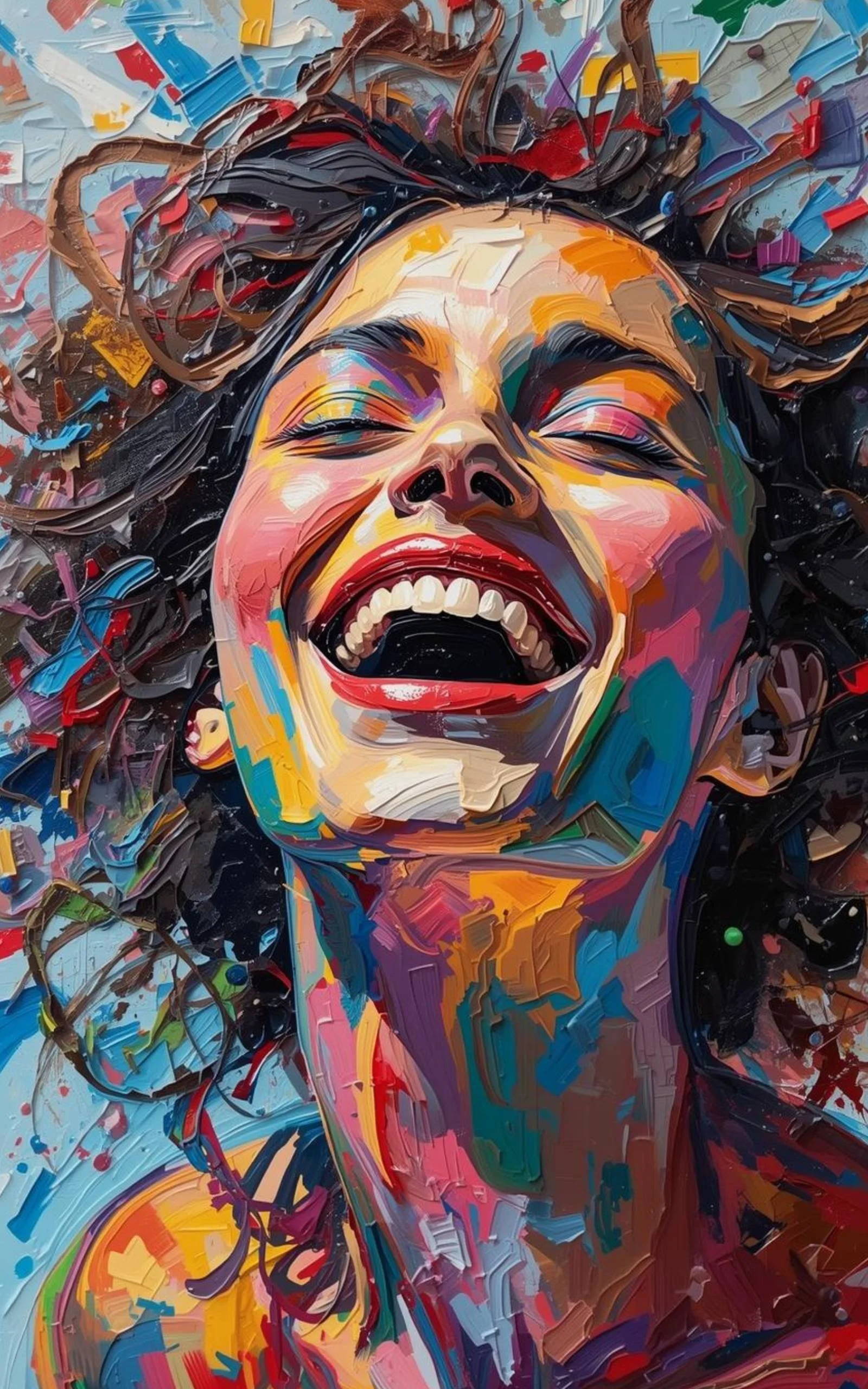
I Hope You Live reflects on the quiet, often unnoticed ways we step outside of our own lives—watching, comparing, waiting for the right moment to begin. It explores the subtle drift into passivity, and the equally subtle return from it—not through grand change, but through small, imperfect acts of presence. This poem doesn’t urge transformation or promise clarity. Instead, it lingers in the moment of recognition, where something shifts just enough to bring you back into your own hours, your own voice, your own life.💚
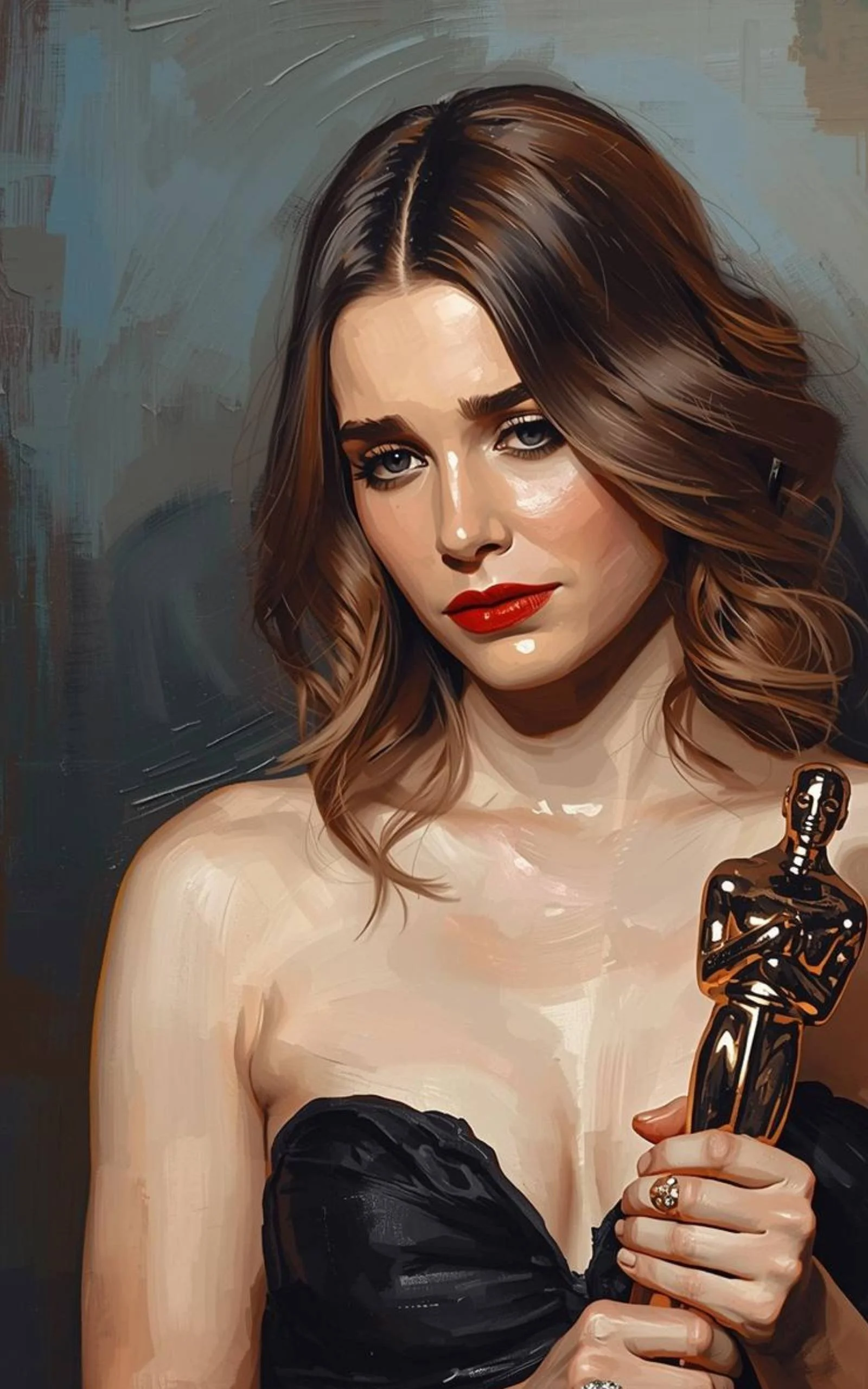
This Life Is Mine is a reckoning with the quiet ways a life can be given away without ever being asked for. It reflects on the years spent standing at the edges—supporting, accommodating, disappearing in ways that felt like kindness at the time, but slowly became absence. This poem doesn’t soften that truth or rush past it. Instead, it names the cost, and the moment of recognition that follows—the point where something small but irreversible shifts, and the act of choosing yourself begins, not as a grand declaration, but as a steady, deliberate return.💚
This poem marks a deliberate turning point: not self-love declared prematurely, but self-harm consciously ended. Ceasefire frames acceptance as a strategic decision rather than an emotional breakthrough—an agreement to stop treating the self as an enemy while acknowledging that affection may come later. It holds optimism without erasing damage, offering a vision of peace that is tentative, earned, and quietly radical: the permission to exist, unfinished, without continuing the war.