Mohini
They called her rare.
As if rarity were a kindness.
As if beauty were a favour.
As if being wanted
were the same thing as being safe.
She was taken gently at first.
A small hand on the back of her neck.
A promise disguised as care.
A cage introduced as protection
from a world they insisted was too dangerous
for something like her.
They told her she was lucky.
Fed her on schedule.
Measured her worth in offspring,
in compliance,
in how still she could stand
while being looked at.
They loved her loudly.
They loved her publicly.
They loved her in ways
that never once asked
what she wanted.
When she resisted,
they called it temperament.
When she paced,
they called it instability.
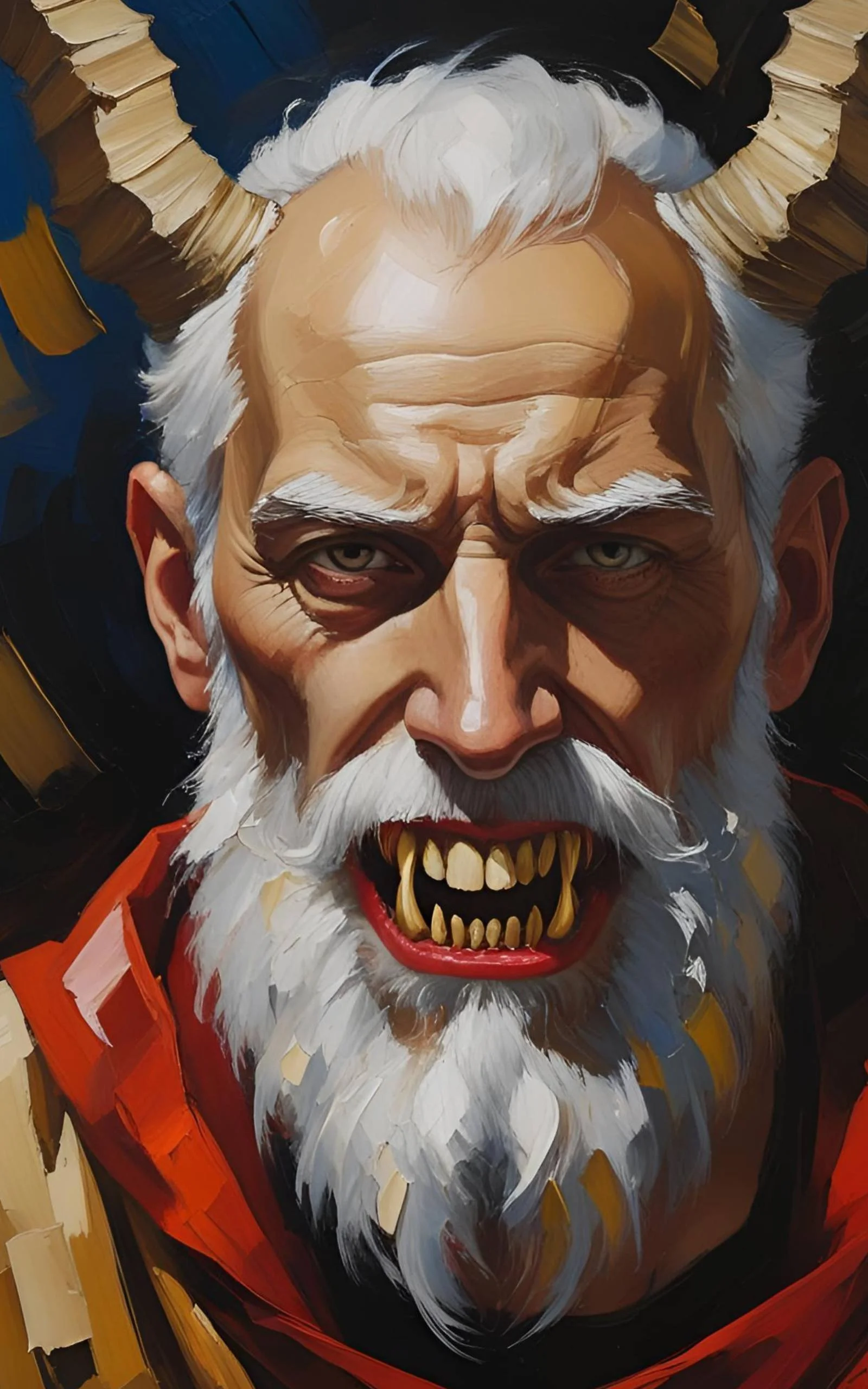
When she bared her teeth,
they called it proof
that the bars were necessary.
No one asked
what a body does
when it is admired but not free.
What a soul becomes
when it is fed
but never allowed to choose.
She learned the limits of the cage
before she learned the shape of the world.
Learned that hunger is not always about food.
That captivity can be furnished.
That survival can be mistaken for consent.
And here is the part we don’t like to say:
The door was never fully locked.
It is easier to believe it was.
Easier to call the cage inevitable,
the walls immovable,
the cost of leaving unbearable.
Because freedom asks something terrifying of us.
It asks us to step into uncertainty
without applause.
To give up the familiar ache
for a risk we cannot rehearse.
The cage offers structure.
Predictability.
The illusion of safety.
It says:
Stay.
Be good.
Be quiet.
You will be fed.
And so we stay.
Not because we are weak,
but because we are trained.
Because we were taught early
that love is conditional,
that resistance is dangerous,
that survival requires shrinking
until the bars feel like bones.
Mohini was not born for the cage.
Neither were we.
Freedom was always possible.
But it was never going to be easy.
It was never going to be granted.
It was always going to require
the moment where we stop mistaking
containment for care.
This is not a poem about blame.
It is a poem about remembering.
About the wildness we learned to call impractical.
About the power we tucked away
to make others comfortable.
About the door we were told not to touch
until we forgot it was there.
Mohini did not fail.
She revealed the cost.
And if we are brave enough to look at her,
really look,
we have to ask ourselves
the only question that matters:
Not who built the cage—
but why we are still inside it.
Because freedom is not a myth.
It is a choice we make
after we stop confusing safety
with surrender.
And once you see the door,
you can never unsee it.
Keep My Words Alive
If this poem has stayed with you, you can help keep my words alive or explore more of my work. Every bit of support helps carry the stories forward.
WHERE WORDS MEET MORNING LIGHT
BEGIN EACH DAY WITH SOMETHING BEAUTIFUL
Every morning at 11:11AM, I send a poem — sometimes soft, sometimes devastating, always true.
💚 Subscribe now to read and breathe and feel along with me 💚
Poetry by Britt Wolfe:
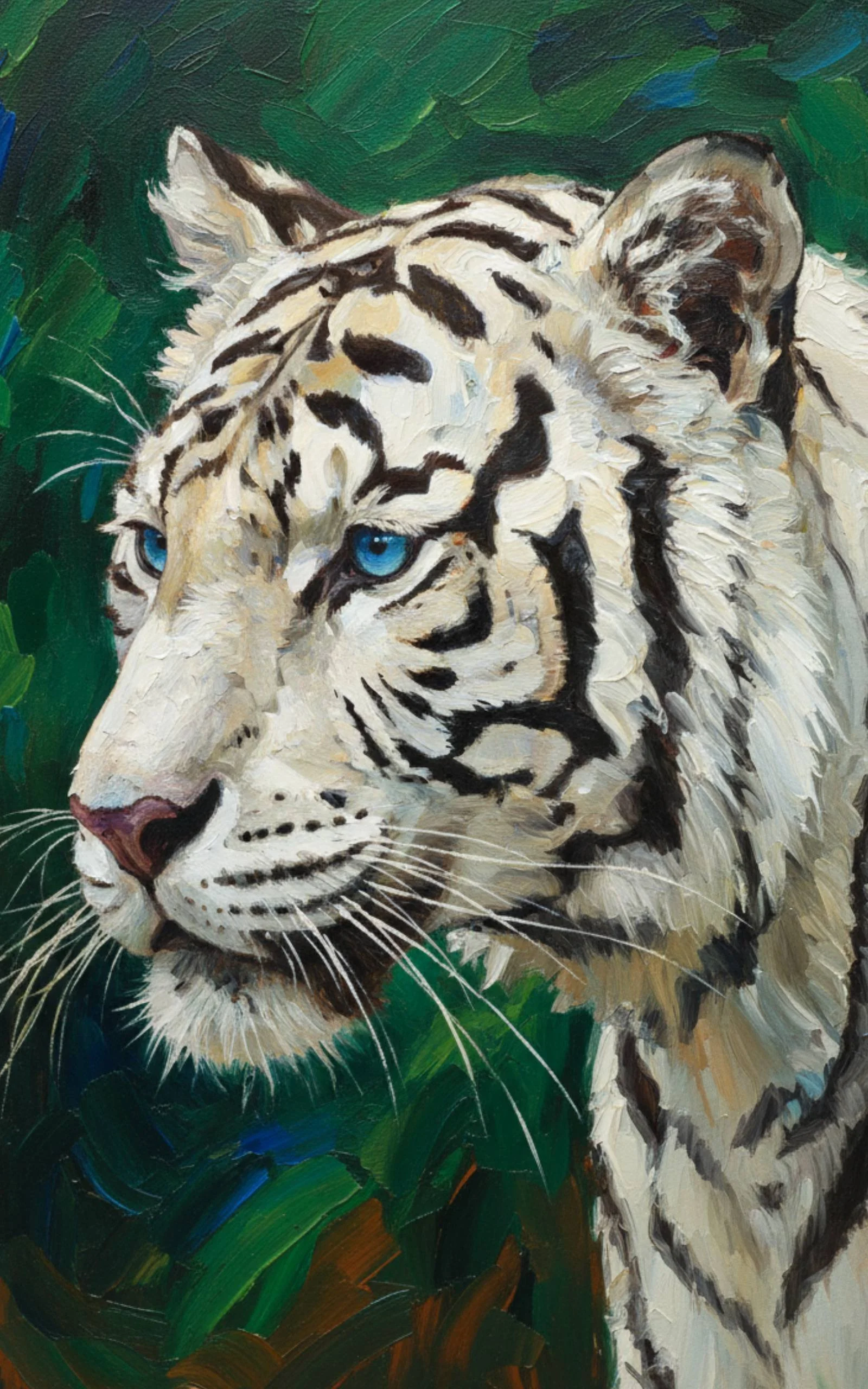
This poem is about Mohini, a white tiger whose life has stayed with me for years — not as a symbol of rarity, but as a mirror. She was admired, managed, controlled, and called “lucky,” while being slowly erased of choice and wildness. Writing this wasn’t about retelling her story so much as listening to what it reveals about us: how often captivity is dressed up as care, how often survival is mistaken for consent, and how frequently the door is visible long before we’re ready to touch it. Mohini is not an accusation. It’s an invitation — to notice the cages we’ve learned to live inside, and to remember that freedom, while frightening, was never impossible.
This poem is a vow rather than a declaration of arrival. Yet holds space for incompletion without surrender, reframing uncertainty as movement and becoming as an ongoing act of courage. Centred on a promise made inward—to the younger, hopeful self that still believes—it insists that growth is not measured by speed or certainty, but by the refusal to quit.
How Alive I Am Willing to Be is a declaration of agency in the act of living. This poem frames aliveness not as something granted or accidental, but as a conscious choice—one that requires openness to risk, sensation, and transformation. It reflects on the tension between safety and immersion, asking what it truly costs to remain present in one’s own life. With measured intensity, the poem honours courage not as spectacle, but as the daily decision to feel deeply, move toward experience, and inhabit the world without numbing what makes it vivid. This is a meditation on choosing life fully, deliberately, and without apology.
I Was Never Beautiful rejects the narrow, conditional definitions of beauty placed on women and interrogates the cost of being valued primarily for appearance. Rather than mourning what was withheld, this poem reclaims the deliberate choice to want more—to seek substance, impact, and selfhood over admiration. It speaks to the hunger to be taken seriously in a world that rewards palatability, and to the power of building an identity rooted in growth, intellect, and presence rather than something time can erode. This is a poem about choosing depth over decoration, and becoming over being seen.
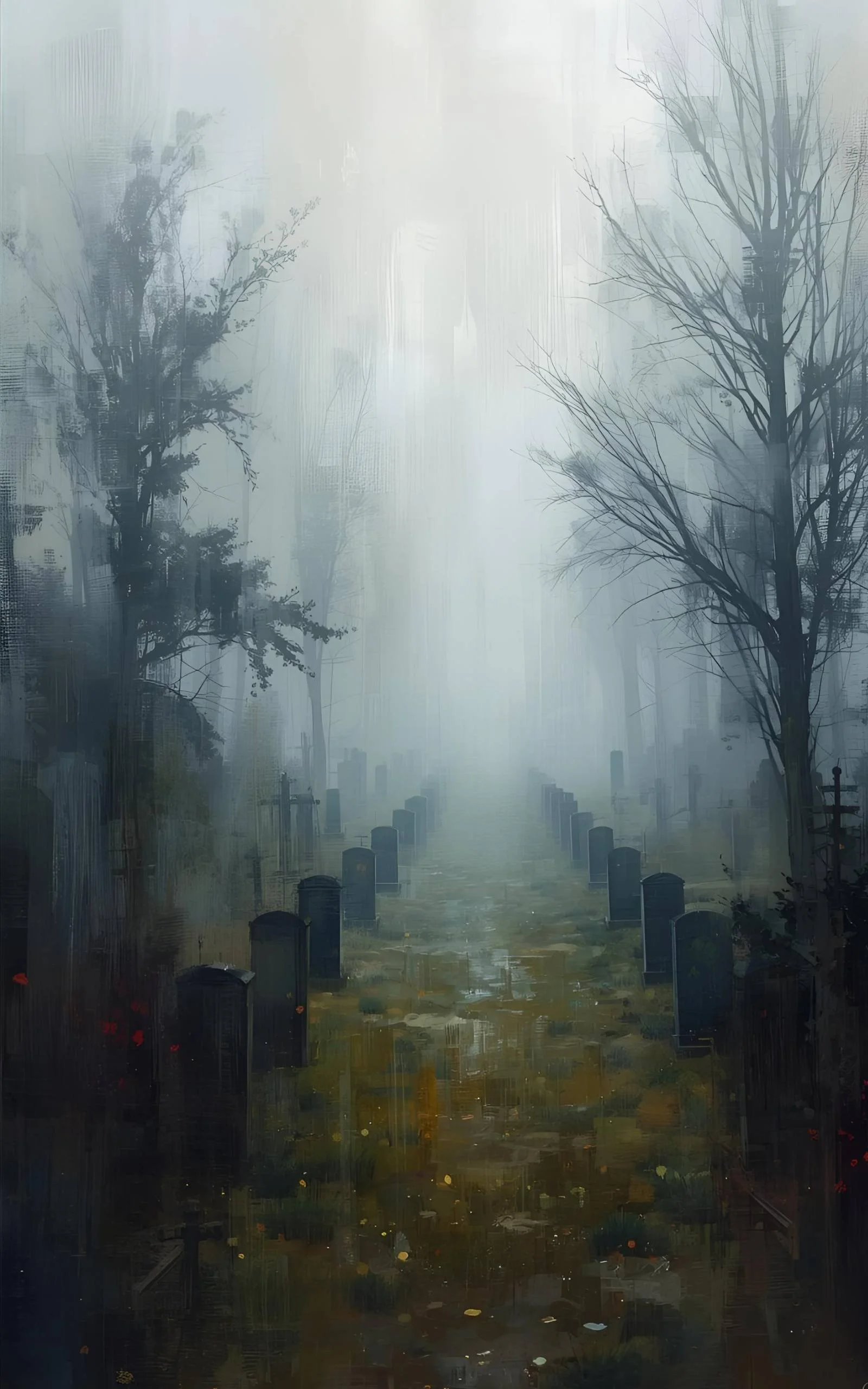
There’s a line in Alice in Wonderland where the Mad Hatter tells Alice she’s lost her muchness. I think about that a lot—how the world teaches us to tone ourselves down until we disappear into something more digestible. The Graveyard of Muchness was born from that quiet grief, from the realisation that most of us have buried our own brilliance just to be seen as reasonable. It’s about walking through the cemetery of all we’ve abandoned—our wonder, our defiance, our wild, luminous selves—and daring to listen for the laughter still echoing beneath the soil.💚
There’s a particular kind of evil that hides behind comparison. The kind that says, I wasn’t as bad as them, as if that’s absolution. As if a quieter cruelty is somehow less cruel. This poem is for the one who pretended to be a bystander while their hands left marks. Who rewrote history to dodge the guilt. Who watched, who hurt, who blamed—then claimed innocence. This is not a misunderstanding. It’s a reckoning. You are not who you pretend to be. You are what you did.💚
Alzheimer’s is a thief that does not break in all at once, but instead steals piece by piece—names, faces, whole chapters of a life once lived. The Vanishing is a poem I wrote while imagining what it might feel like for my mom inside her own fading world, reaching for memories that slip through her hands like ash. It is heavy with grief, laced with fear, and filled with the haunting imagery of what it means to lose yourself one memory at a time.💚
I turn forty-two today, and with it comes the weight of knowing I have spent a lifetime running toward someone who was already walking away. This poem is not just a farewell—it is a reckoning, a surrender of the chase, an unflinching record of blood, betrayal, and the hollow ache of a father who chose to tie his own hands behind his back. It is the most painful gift I can give myself: resignation to the truth, finally written down.💚
This poem is an elegy for everything we lose that never truly leaves. Disappearing Like Vapour explores the way time doesn’t erase so much as it softens, fading our moments into atmosphere—until what remains are ghosts of memory, shadows of meaning, and echoes of lives once vividly lived. It’s about walking through the present with a heart attuned to the past, feeling the pulse of history in stairwells, streets, and silences. In every place we inhabit, something once happened. Someone once was. And if we listen closely enough, we can still hear them—like breath against glass, vanishing but never gone.💚
This poem is called If God Is A Father, and it’s the most personal thing I’ve ever written. It’s about the grief of losing my faith—not through rebellion or doubt, but through the example of my own father. I was taught that God is a father, and so I watched mine. And what I saw was cruelty, absence, punishment without accountability, and a love so conditional it could barely be called love at all. This poem is a reckoning. With the mythology I was handed. With the harm that was justified in His name. With the silence that still echoes. It’s not just a rejection of the God I was taught to worship—it’s a refusal to let that kind of fatherhood define what I believe in ever again.💚
This next poem is called The Failure of the Father God. It’s a deliberate and direct reckoning with the concept of God as a father—a metaphor I was handed as a child, and one that never brought me comfort. In fact, it mirrored the harm I was already trying to survive. This poem isn’t subtle. It’s not meant to be. It’s for every woman who was told to kneel in gratitude while being broken, for every daughter who was asked to call silence “love,” and for anyone who has been asked to make peace with a God who looks far too much like the man who hurt them. The Failure of the Father God is not just a personal poem—it’s a refusal.💚
There are moments that feel all-consuming—so loud, so sharp, so heavy, they try to convince us that they are all we’ll ever be. But pain is not permanence. Trauma is not identity. And what we endure does not get to decide who we become. This poem is a declaration of defiance, a reminder that we are not the worst things that have happened to us, nor the hardest things we’re facing. We are more than any single moment. We are becoming, always. And this—whatever this is—is not our whole story.💚
We are so often taught that anger is something to suppress, something unbecoming of a woman—that to be palatable, we must be pleasant, forgiving, quiet. But anger is not the enemy. Anger is clarity. Anger is the voice that speaks when everything else has been silenced. It is the moment we stop enduring and start transforming. This poem is a reclamation of female rage—not the kind that destroys for the sake of destruction, but the kind that frees, that rebuilds, that says enough. Let this be a reminder that your anger is not shameful. It is sacred. And when they fear it, when they try to diminish it, know that they are witnessing the most dangerous thing of all: a woman no longer afraid to burn.💚
This poem is a reckoning with release. The Sky Will Do What the Sky Does is about the futility of trying to contain someone else’s chaos—about the heartbreak of watching a storm rise in someone you once begged to be calm. It’s about learning that no matter how gentle, reasonable, or forgiving you are, you cannot rewrite the weather. You cannot turn thunder into quiet. This piece is for anyone who has exhausted themselves trying to bring peace to someone committed to destruction. It’s not about surrender—it’s about sovereignty. About stepping away from the storm, not because it has stopped, but because you finally understand: it was never yours to still.💚
This is a poem about losing faith—not in the abstract, but in the most personal way imaginable. It is about what happens when the figure meant to protect and guide you, the one who teaches you what love and power are supposed to feel like, becomes the very source of your undoing. When religion tells us that God is a father, what does that mean for the daughters of men who abandon, wound, or destroy? The Apostasy of Daughters is not just a reckoning with belief—it is a lament, a funeral hymn for the idea of divinity as paternal. For some, disbelief is not rebellion. It is survival.🖤
This poem is about the kind of heartbreak that doesn’t come from romance, but from absence. From someone you love not showing up when you needed them most. It’s about the silence that follows your joy, your struggle, your survival—and the person who should’ve been there, but wasn’t. I don’t know why they turned away. Maybe I never will. But the hurt is real. And so is the grief of having saved someone a seat they never planned to fill.💚
Sometimes, sorrow doesn't come from a single moment, but from a slow and quiet accumulation—the weight of not being seen, the ache of showing up for someone who doesn’t do the same. This poem came from that place. From the grief of being present, generous, loyal… and slowly realizing you were never truly met there.💚
Some things don’t get better. They don’t pass. They don’t transform into wisdom or gifts or meaning. Some things just happen—suddenly or slowly—and nothing is ever the same again. The Shape of What Remains is a poem about that kind of reality. The kind that doesn’t lend itself to healing arcs or tidy endings. It’s about the aftermath—the unbearable permanence of real grief, real loss, and the quiet, everyday bravery it takes to live in a world where the worst has already happened.💚
This poem is dedicated to everyone whose default setting is “could nap at any moment,” regardless of how many hours they slept or how many electrolytes they’ve consumed. Time of Fatigue: Forever is a tribute to the deeply personal relationship I’ve developed with exhaustion—equal parts lifestyle, personality trait, and maybe a mild haunting. If you’ve ever been so tired that even your dreams need a break, welcome. You’re among your people.
Britt Wolfe writes emotionally devastating fiction with the precision of a heart surgeon and the recklessness of someone who definitely shouldn’t be trusted with sharp objects. Her stories explore love, loss, and the complicated mess of being human. If you enjoy books that punch you in the feelings and then politely offer you a Band-Aid, you’re in the right place.
This poem marks a deliberate turning point: not self-love declared prematurely, but self-harm consciously ended. Ceasefire frames acceptance as a strategic decision rather than an emotional breakthrough—an agreement to stop treating the self as an enemy while acknowledging that affection may come later. It holds optimism without erasing damage, offering a vision of peace that is tentative, earned, and quietly radical: the permission to exist, unfinished, without continuing the war.