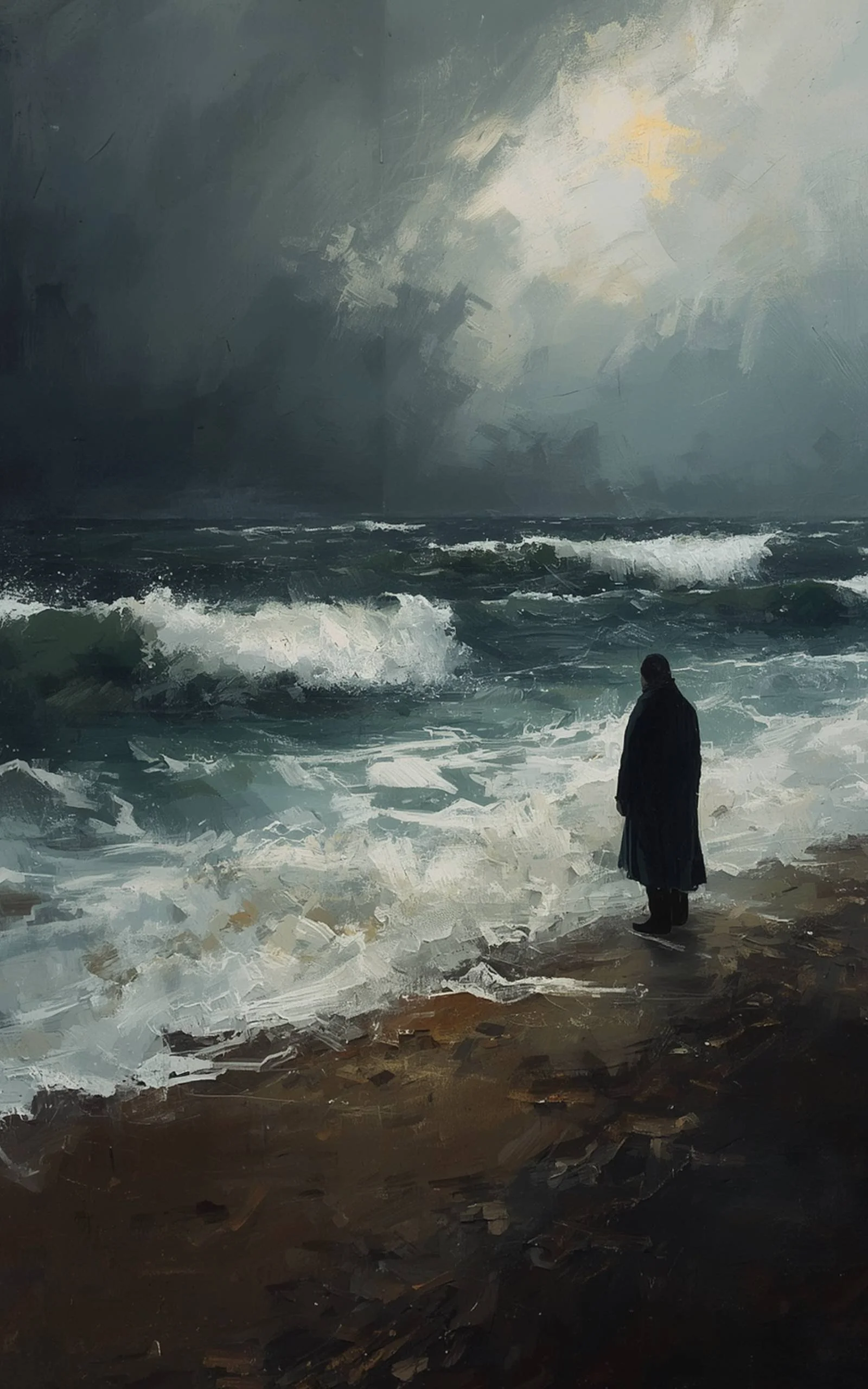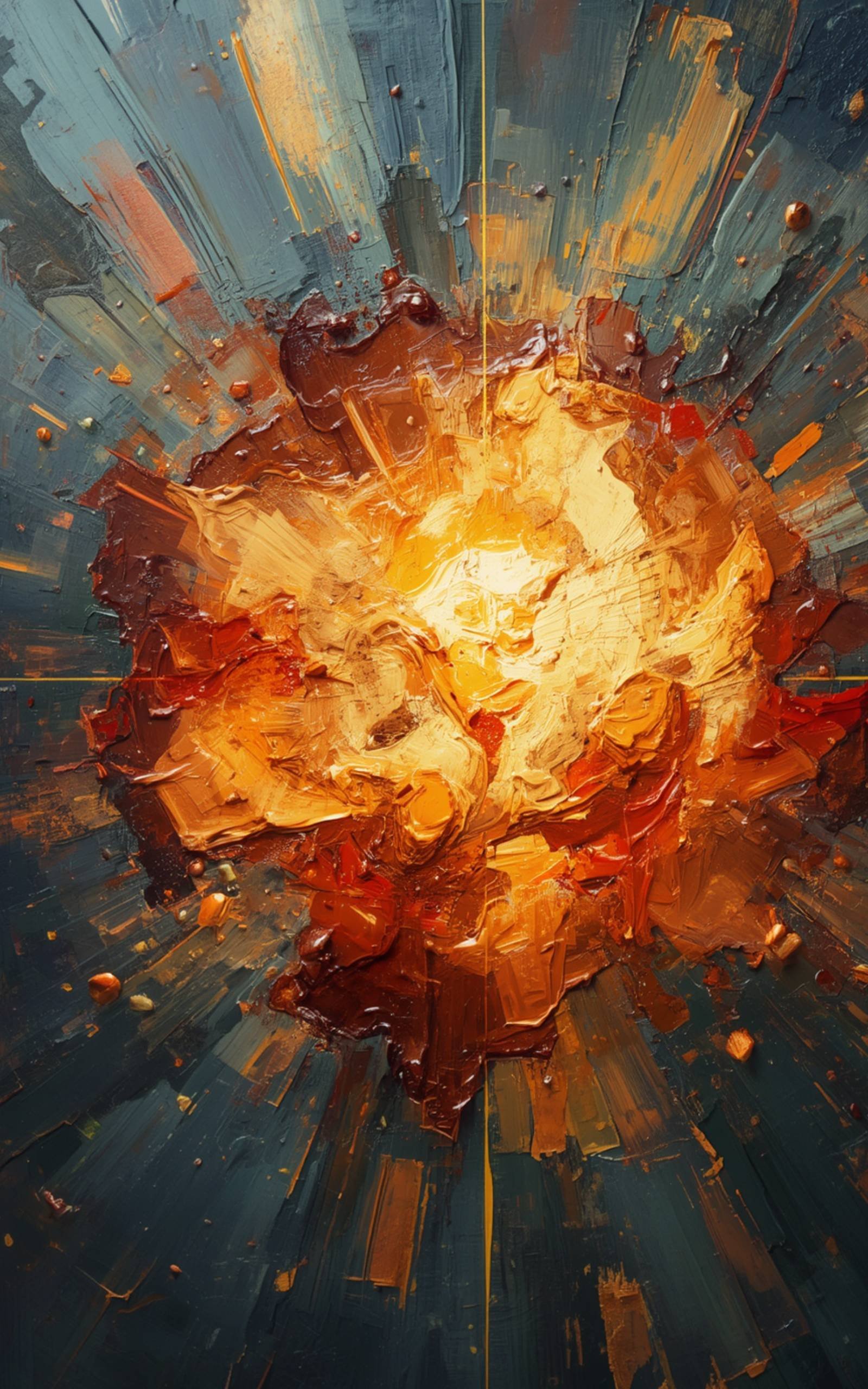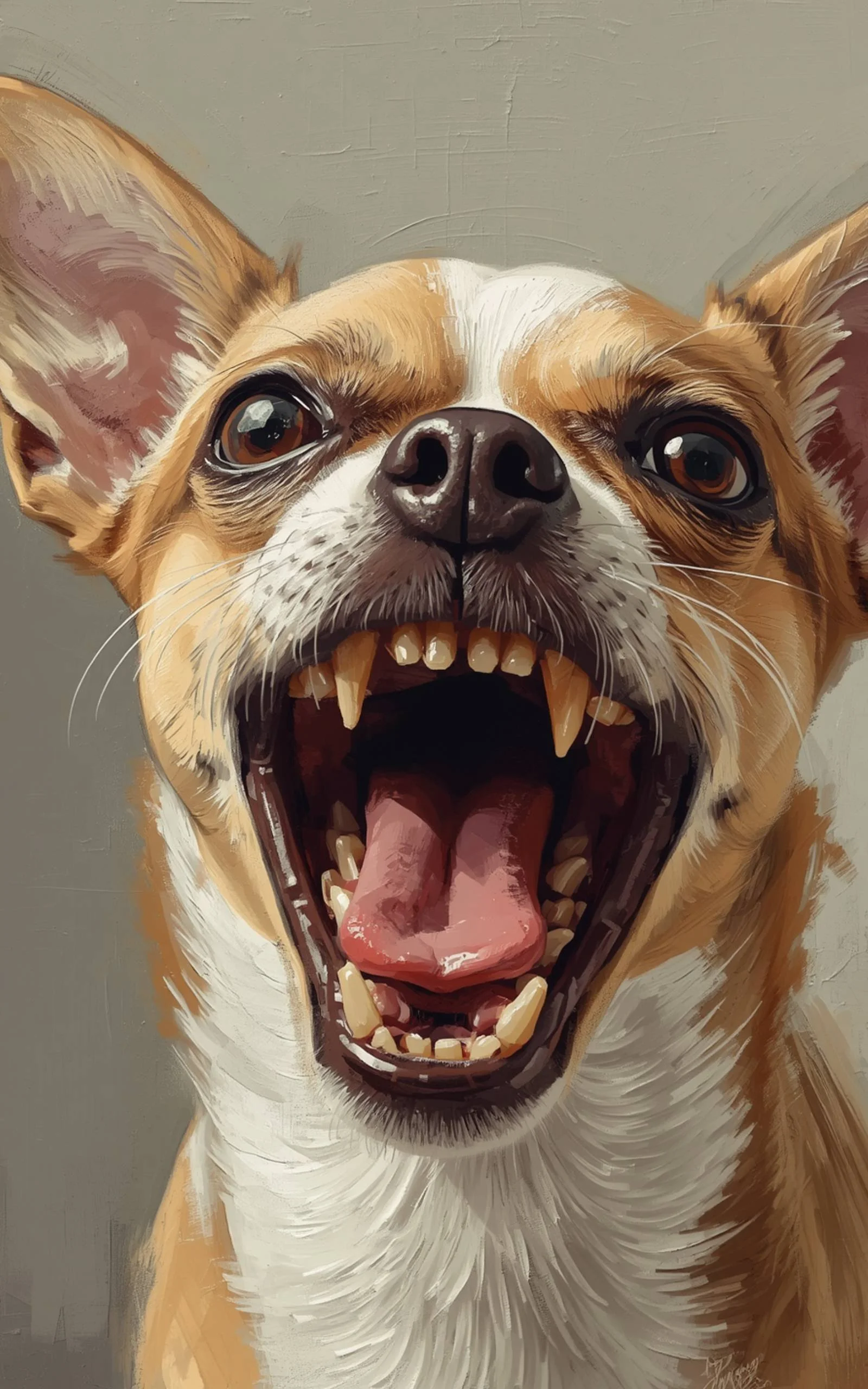
Contained Fire
It sits under my skin.
Not metaphor—
not poetry—
something real,
coiled and waiting
like it has teeth.
I can feel it
in the back of my throat,
in the tightness of my jaw,
in the way my hands
forget how to rest.
It does not ask permission.
It does not knock.
It lives here now.
—
I was not made for this.
I was not someone
who carried heat like this—
constant,
low,
hungry.
I did not move through the world
looking for exits,
for threat,
for the moment something turns.
I did not brace.
I did not harden.
I did not have to.
—
And now—
everything feels like it could ignite.
A tone.
A pause.
A shift I can’t quite name
but know immediately.
My body remembers
before my mind can catch up.
That’s the worst part.
Not the thinking.
The knowing.
—
I know this will pass.
I do.
I know this is not permanent—
that one day
this will not live this close
to the surface.
I will soften again.
I will.
—
But right now—
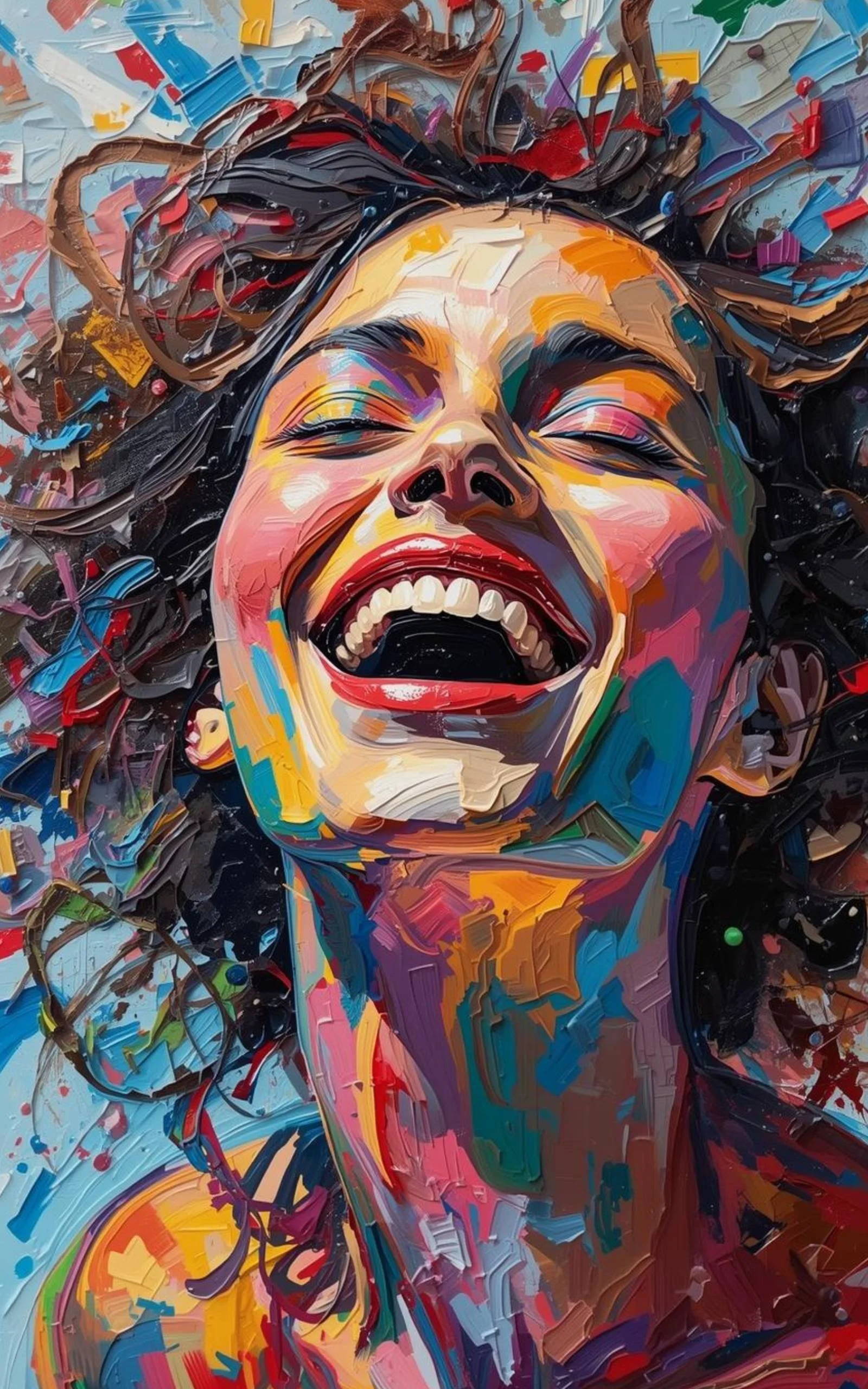
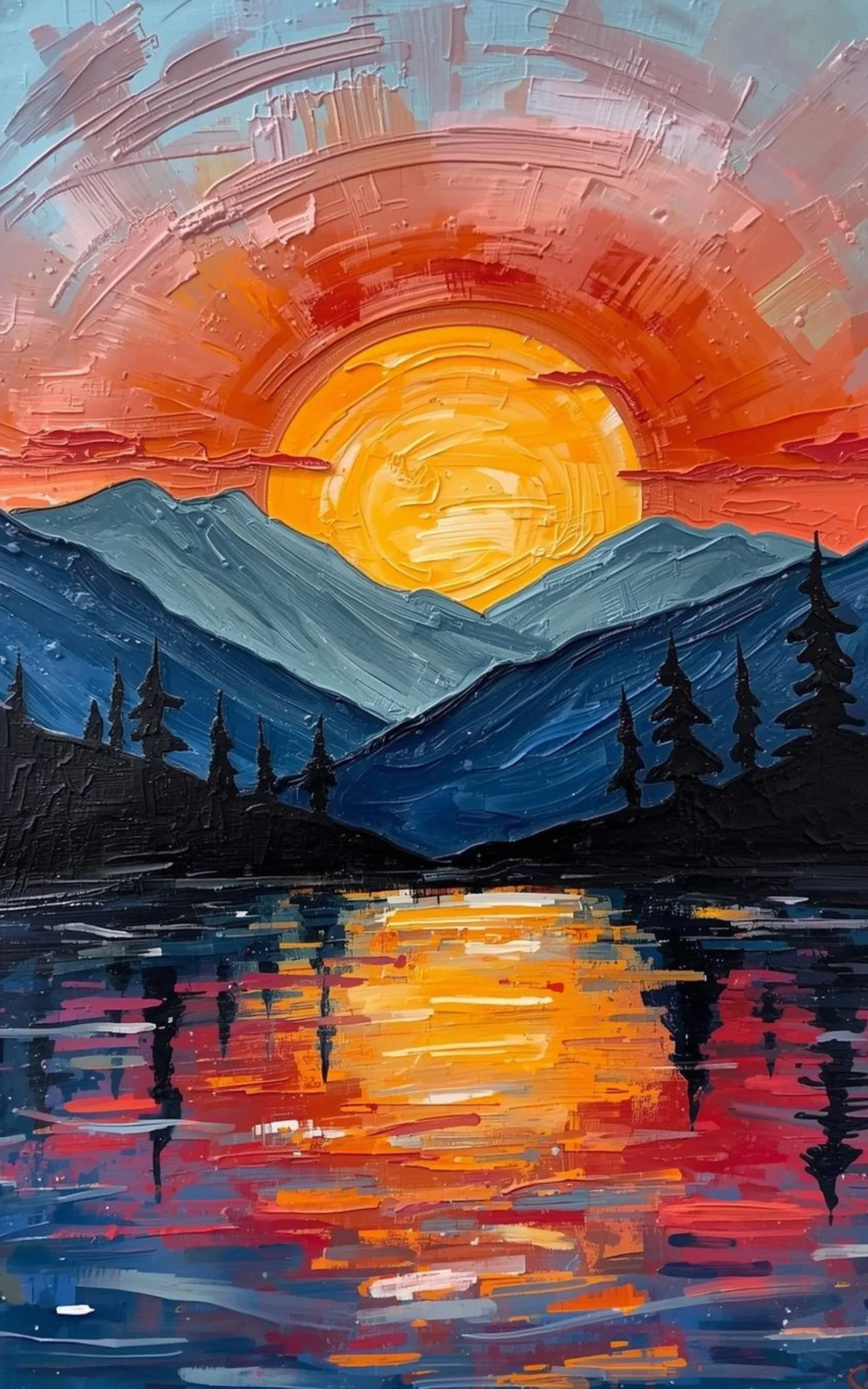
I am burning.
—
And I am angry
that I am burning.
Angry that something
I did not choose,
did not agree to,
did not deserve—
was put inside me
like it belongs here.
Like it has a right
to take up space
in a body
that was not built for it.
—
You don’t get to do that.
You don’t get to reach in
and leave something behind
that keeps hurting
long after you’re gone.
You don’t get to walk away
intact
while I am left
holding the aftermath
like it’s mine.
—
I can feel it
when I try to be calm.
That’s when it’s loudest.
When I am quiet,
it presses harder—
heat rising,
breath shortening,
pulse climbing
like something is coming
even when nothing is.
—
This is not who I was.
This is not who I will be.
But this—
this is who I am
right now.
A body holding fire
it did not start.
A mind trying to contain
something that does not
want to be contained.
—
I hate it.
I hate the way it lives in me
like a second heartbeat.
I hate that it answers
before I do.
I hate that it exists at all.
—
And still—
I hold it.
Not because I want to.
Because I have to.
Because letting it loose
would make it mine.
And it isn’t.
It never was.
—
So I keep it here.
Under the skin.
Behind the teeth.
Inside the ribs
where it pounds and pounds
and does not break me—
but tries.
—
Contained.
But not gone.
Keep My Words Alive
If this poem has stayed with you, you can help keep my words alive. Every bit of support helps carry the stories forward.
WHERE WORDS MEET MORNING LIGHT
BEGIN EACH DAY WITH SOMETHING BEAUTIFUL
Every morning at 11:11AM, I send a poem — sometimes soft, sometimes devastating, always true.
💚 Subscribe now to read and breathe and feel along with me 💚
Poetry by Britt Wolfe:
This piece explores the quiet but irreversible moment when a life is divided into before and after—not by choice, but by something done to you that you were never meant to carry. It is about the disorientation of remembering who you were before you knew, and the stark, often unrecognizable person you become after. There is a particular kind of unfairness in being reshaped by harm while the source of it continues on, untouched, elsewhere. And yet, within that fracture, there is also a truth that refuses to be erased: that even in the aftermath of something you did not choose, you are still here, still becoming, still learning how to live with both versions of yourself at once. 🖤
This piece sits in the uncomfortable space between love and loss—not of another person, but of the self that slowly disappeared in the act of trying to be loved. It is about the quiet ways we learn to reshape ourselves to stay close to someone who feels like gravity, and the harder truth that sometimes, what we gave was not taken, but offered—again and again, until there was almost nothing left. There is grief here, and there is permanence in what was lost, but there is also something steadier beneath it: the moment where the giving stops, where the harm no longer continues, and where a life—unchosen for so long—begins to belong to you again. 💚
This poem lives inside the moment, not after it. It captures the frantic, unravelling logic of needing to be wanted so badly that the self becomes negotiable—adjusted, reduced, reshaped in real time in the hope of finally getting it right. There is no clarity here, no resolution—only the relentless internal bargaining that convinces you the problem is you, and that if you can just fix yourself fast enough, thoroughly enough, you might be allowed to stay. It is not love. It is not reason. It is the quiet, desperate machinery of self-erasure in motion. 🖤
Sometimes the most profound damage in a relationship isn’t loud or obvious—it’s gradual, internal, and difficult to name while it’s happening. This piece explores two very different experiences of the same dynamic: one rooted in certainty and self-preservation, the other in doubt and quiet erosion. It reflects on how perception can be shaped over time, and how, in the absence of being truly seen, a person can begin to lose sight of themselves. 💚
Sometimes the deepest disappointments don’t come from what was done, but from what was never offered. There are relationships where connection is conditional—where being seen depends on how closely we resemble what the other person already understands or values. This piece reflects on that quiet absence, the confusion it leaves behind, and the enduring ache of not being fully met by someone who had every opportunity to know you. 💚
Anxiety often presents itself as something that needs to be solved as quickly as possible—something urgent, disruptive, and intolerable. But what if, instead of immediately trying to fix or escape it, we approached it with curiosity? This piece explores that shift—from reaction to observation, from control to understanding—and the courage it takes to turn toward our own internal experience long enough to learn what it’s been trying to communicate all along. 💚
Anxiety doesn’t just create discomfort—it shifts where we live within ourselves. What begins as a felt experience in the body is quickly pulled into the mind, where we try to analyse, predict, and resolve it into certainty. But the more we think, the further we move from the very place where the experience can be met. This piece explores that movement—out of feeling and into overthinking—and the quiet, deliberate courage it takes to return to the body, to the present, and to a way of living that does not depend on having everything figured out. 💚
There are parts of ourselves that don’t reveal themselves in the noise of everyday life. They exist beneath the surface—complex, layered, and often untouched—not because they are inaccessible, but because turning toward them requires a kind of stillness and courage we’re rarely taught to cultivate. This piece explores that inward terrain—the winding paths of the mind, the deeper spaces that resist easy understanding, and the quiet, transformative act of choosing to enter them anyway. 💚
There are moments—often brief, often unsettling—when we become aware of just how little in life is fixed or guaranteed. Time moves, things change, and the sense of stability we rely on begins to feel more like an agreement than a truth. In response, many of us learn to stay busy, to achieve, to keep moving so we don’t have to sit with that underlying uncertainty. This piece explores that tension—the instinct to avoid the discomfort of not having solid ground, and the quiet, necessary shift toward allowing it, trusting that something steadier can emerge not from control, but from surrender. 💚
We live in a world that teaches us, often without saying it outright, that our value exists somewhere outside of us—measured in achievements, appearances, reactions, and approval. Over time, it becomes second nature to look outward for confirmation of who we are, even as it leaves us feeling unsteady and unseen. This piece explores that tension—the psychology behind it, the anxiety it creates, and the disorienting, necessary work of turning inward to find something more enduring. 💚
Some of us learn love by trying to earn it. By softening ourselves, reshaping ourselves, waiting just a little longer, giving just a little more—until one day we realise we’ve spent years negotiating for something that should have been freely given. This piece is for anyone who has ever stayed too long, tried too hard, and slowly lost themselves in the process of hoping someone else might finally choose them. 🖤
Long before many stories of abuse were spoken publicly, they often existed in a quieter form—shared through warnings, careful conversations, and unspoken understanding. Women learned to navigate spaces by listening to one another, passing along small pieces of information meant to keep each other safe. These fragments of knowledge rarely made it into official records, but they shaped behaviour and survival for years. Everyone Knew reflects on this hidden network of awareness—the whispered warnings, the uneasy silences, and the uncomfortable truth that what later appeared shocking was often something many people had sensed, suspected, or quietly understood all along. 🖤
When the #MeToo movement gained global attention, many voices warned that it would lead to widespread injustice—that innocent men would lose their careers, their reputations, even their lives over false accusations. Headlines, debates, and opinion pieces echoed these fears again and again. Yet the reality that followed looked very different. For many, life continued much as it had before, while the stories that had taken decades for women to tell were suddenly overshadowed by conversations about male discomfort and hypothetical danger. Nothing Happened reflects on that uneasy contrast—the gap between the loud predictions of catastrophe and the quieter, more complicated truth of what actually followed. 🖤
Sometimes the most powerful moments in life are not the loud ones. They happen in stillness—when we step back from the noise of expectations, opinions, and constant urgency long enough to see the world clearly. In those quiet spaces, perspective shifts. The chaos that once felt overwhelming begins to look smaller, and the path forward becomes less about keeping pace with everyone else and more about choosing who we truly want to be. The Quiet Above the Noise reflects on that rare vantage point—the moment when a person pauses above the rush of the world and discovers that clarity, courage, and freedom often live in the simple act of standing still. 🖤
History often celebrates the voices that rose to prominence—the inventors, leaders, artists, and thinkers who shaped the world we inherited. But far less attention is given to the countless voices that were never allowed to rise at all. Across generations, systemic bias, prejudice, and exclusion have quietly erased possibilities before they could even begin. Women dismissed because of sexism. People of colour ignored because of racism. Individuals silenced because of their gender identity or who they love. The loss of these voices is not only a personal tragedy—it is a collective one. The Missing mourns what the world never received: the ideas, brilliance, creativity, and compassion that were pushed aside before they had the chance to exist. 🖤
In every era, societies reveal their values not only through what they build, but through the voices they amplify. In the modern age—shaped by algorithms, performance, and constant visibility—volume is often mistaken for wisdom, and certainty is rewarded more readily than careful thought. Over time, this dynamic begins to shape culture itself, encouraging self-promotion over reflection and spectacle over substance. Better Loud Than Clever explores this unsettling shift, reflecting on how a culture that celebrates noise can unintentionally sideline curiosity, humility, and complexity—the very qualities that once gave our most thoughtful voices their power.💚
Some lives begin in soil that was never meant to nourish them. In those places, growth can feel difficult, uncertain, and fragile. Yet nature offers a quiet lesson in resilience through the process of propagation—when a cutting is separated from its original plant and given the chance to root somewhere new. What first appears to be damage becomes the beginning of renewal. Propagation reflects on that powerful metaphor: the idea that leaving behind what once shaped us can sometimes be the very thing that allows us to grow into something healthier, stronger, and more whole than the place we began ever made possible.🌱💚
There are moments in life when starting over does not feel like failure, but like a quiet return to the beginning. Even after years of experience, wisdom, and hard-earned lessons, a new chapter can make us feel uncertain again—taking careful steps, learning as we go, and accepting that mistakes will be part of the journey. Yet there is also something deeply hopeful in that kind of beginning. It is a chance to rebuild life around what truly matters. Young reflects on the courage of starting again with humility, choosing family and love as the centre of a life, and embracing the small, unsteady steps that eventually lead us somewhere meaningful. 💚
Much of life is spent trying to plan, predict, and guide the future toward the outcomes we believe will bring us happiness. When those plans fall apart—when doors close, paths disappear, or the timing refuses to cooperate—it can feel as though life is working against us. Yet with distance and perspective, many people begin to see something remarkable: that some of the most meaningful and beautiful chapters of their lives only began after the plans they once held so tightly failed to unfold. The Blessing Of Life’s Refusal To Obey reflects on that quiet realization—the understanding that life’s refusal to follow our instructions is not always a loss, but often the beginning of something far greater than we ever thought to ask for. 💚
In moments of uncertainty, it is easy to believe that life has gone off course—that something has stalled, broken, or failed to arrive as it should. Yet time has a way of revealing that many of the twists and pauses we once feared were simply part of a larger unfolding we could not yet see. The natural world grows patiently, rivers carve their paths slowly, and the most meaningful parts of life often arrive in their own time. Trust The Unfolding is a reflection on this quiet wisdom: an invitation to step back from worry, release the need to control every outcome, and trust that life is moving with a deeper rhythm than we sometimes understand.💚
When people first imagine the future, their dreams are often shaped by what they can currently see and understand. The hopes we carry early in life may feel vast at the time, yet they are often small compared to the life that eventually unfolds. With time, many discover that the path ahead holds far more possibility than they once believed—new places, unexpected love, and moments of beauty that could never have been carefully planned. Small Dreams And Unexpected Abundancereflects on this quiet truth: that the dreams we begin with are often only the seeds of something far greater, and that life, when allowed to unfold, has a remarkable way of growing them into forests. 💚
When we are young, we often imagine the future as something we can design—carefully choosing our dreams and trusting that life will unfold exactly as we planned. But many people eventually discover a surprising truth: the path that actually unfolds rarely looks like the one we imagined. Doors close, plans dissolve, and the timing we thought was perfect passes us by. Yet with time and distance, it can become clear that life was not denying us the things we wanted—it was quietly making room for something larger. This poem reflects on that realization: the moment when we begin to see that the life we once hoped for was smaller than the one that arrived, and that the future may still be holding wonders we have not yet learned to imagine. 💚
Life often begins with plans—carefully imagined futures, quiet expectations, and a belief that happiness will arrive in the shape we design for it. But with time and experience, many people discover something far more profound: that the richest and most meaningful lives are rarely the ones we carefully construct. Instead, they are the lives that unfold when we loosen our grip on certainty and allow the unexpected to shape us. A Life Lived is a reflection on that quiet realization—the understanding that life, when trusted, often gives us more beauty, love, and wonder than we ever thought to ask for. 💚
In a world that constantly tells us to plan more carefully, work harder, and control every possible outcome, it is easy to believe that life will only unfold correctly if we manage every detail. But the truth many people eventually discover is far gentler—and far more freeing—than that. Some of the most meaningful moments in life arrive when we release our grip on certainty and allow the future to unfold in ways we could never have predicted. Let Go And Let Life reflects on the quiet wisdom of surrender: the understanding that life is not something to conquer or control, but something to trust, experience, and receive as it unfolds. 💚
Sometimes the moments that change our lives the most begin with decisions that make absolutely no sense to anyone watching from the outside. The safe path is always well lit, mapped out, and widely approved. But the most extraordinary chapters of life often begin when we step away from certainty and choose courage instead. This poem is about the power of boldness — about the moments when we take risks, surrender control, and trust that something greater will meet us on the other side of fear. Because sometimes the only way to discover what life can truly become is to leap before we know exactly where we will land. 💚
Sometimes the hardest role in life is not the villain or the hero, but the quiet supporter in the background — the one who claps the loudest, encourages the most, and helps hold everything together while someone else shines. Over time, it can begin to feel as though your purpose is simply to help others take centre stage, while your own voice grows quieter in the wings. The Backup Dancer is a reflection on that feeling — the quiet ache of being overlooked, the exhaustion of always supporting, and the moment someone begins to wonder what it might feel like to finally step into the light themselves.
This poem is written as a mythic narrative — an imaginative rendering of how some Christians understand the tension between divine love, human freedom, and historical suffering. It does not claim to resolve the problem of evil, nor does it justify atrocity. Instead, it steps into the traditional image of the Christian Creator and tells a story about hope, heartbreak, and the long arc of redemption as believers often describe it. It explores the difficult question of how faith attempts to reconcile a loving God with a world marked by human violence, repeated failure, and the stubborn persistence of hope.
This poem rejects the romanticized language often used to describe survival. It speaks to the kind of endurance that happens quietly, without witnesses or applause — the kind that is less about strength and more about necessity. Rather than framing resilience as heroic, it acknowledges the private collapses, the unseen fractures, and the simple fact that sometimes survival is not a choice but an obligation. It is a meditation on persistence when stopping was never an option, and on the complicated truth that surviving does not always mean emerging unscarred.
This poem celebrates the quiet bravery, but monumental courage, of beginning. It shifts the focus away from outcomes and applause, and toward the often-overlooked courage required to start at all. In a world that eagerly critiques attempts but rarely acknowledges the risk of trying, the poem reframes initiation itself as triumph. It is a tribute to those who choose motion over stagnation, vulnerability over preservation, and action over fear — and a reminder that the act of starting is, in many ways, the boldest victory of all.
Britt Wolfe writes emotionally devastating fiction with the precision of a heart surgeon and the recklessness of someone who definitely shouldn’t be trusted with sharp objects. Her stories explore love, loss, and the complicated mess of being human. If you enjoy books that punch you in the feelings and then politely offer you a Band-Aid, you’re in the right place.
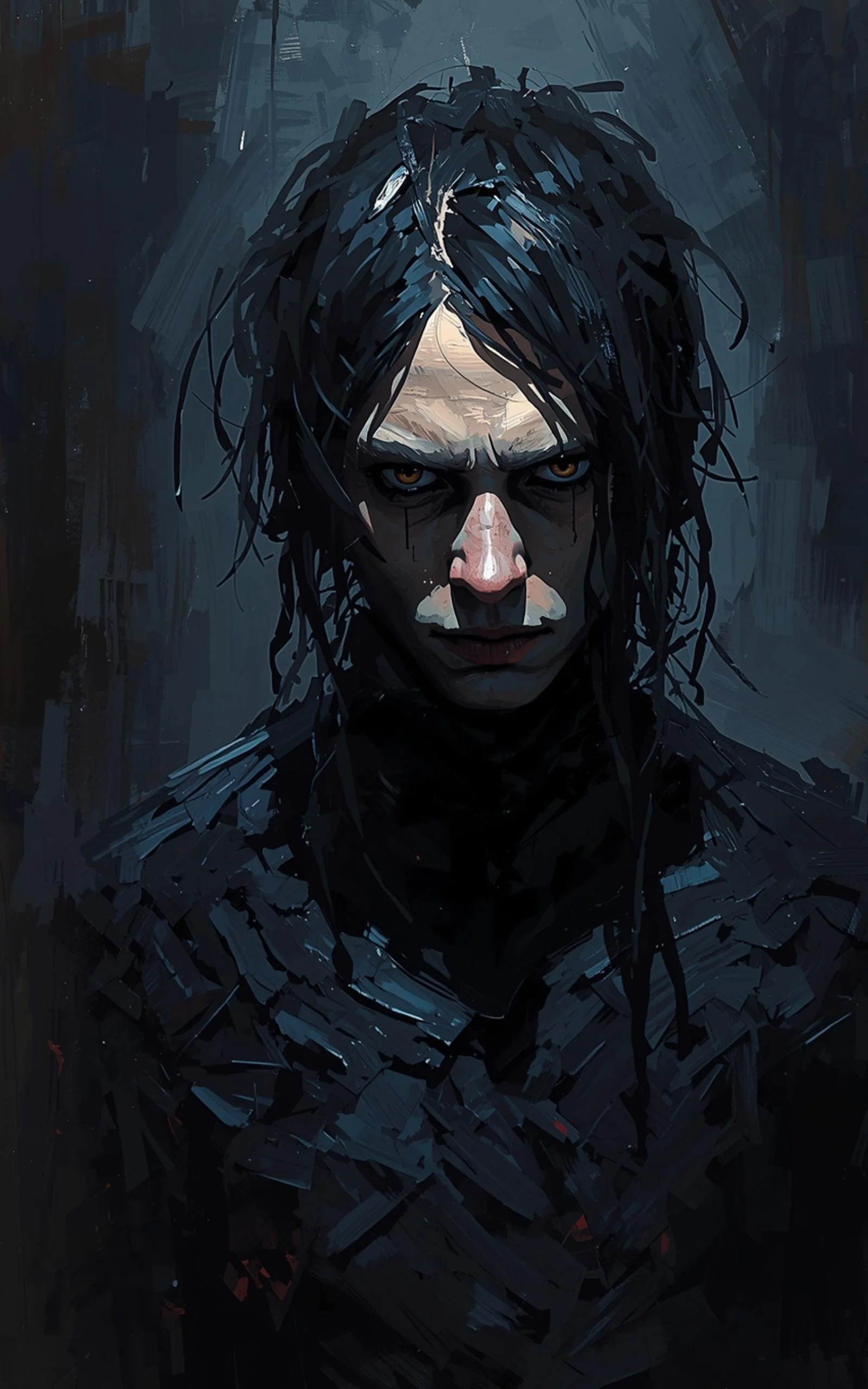
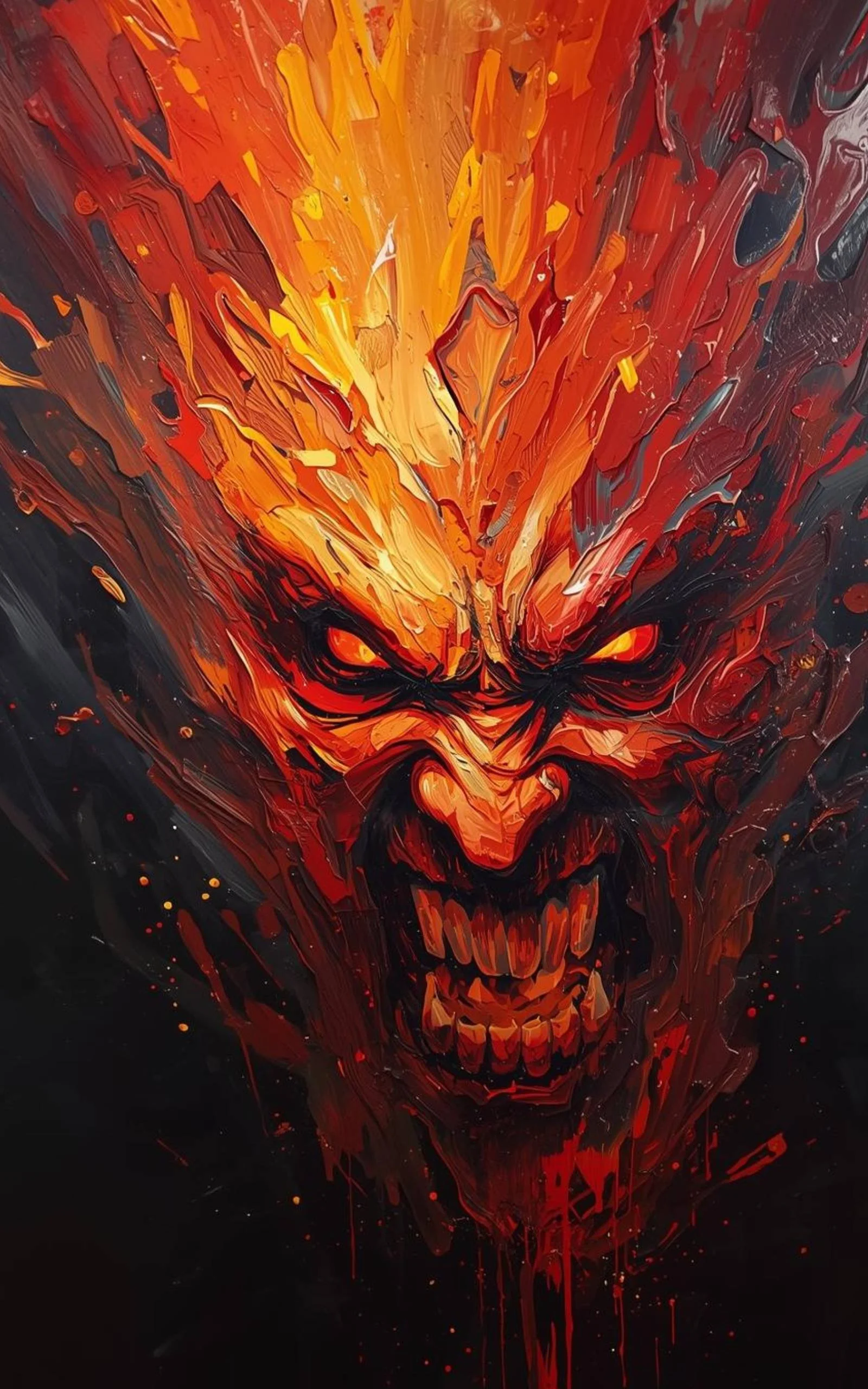
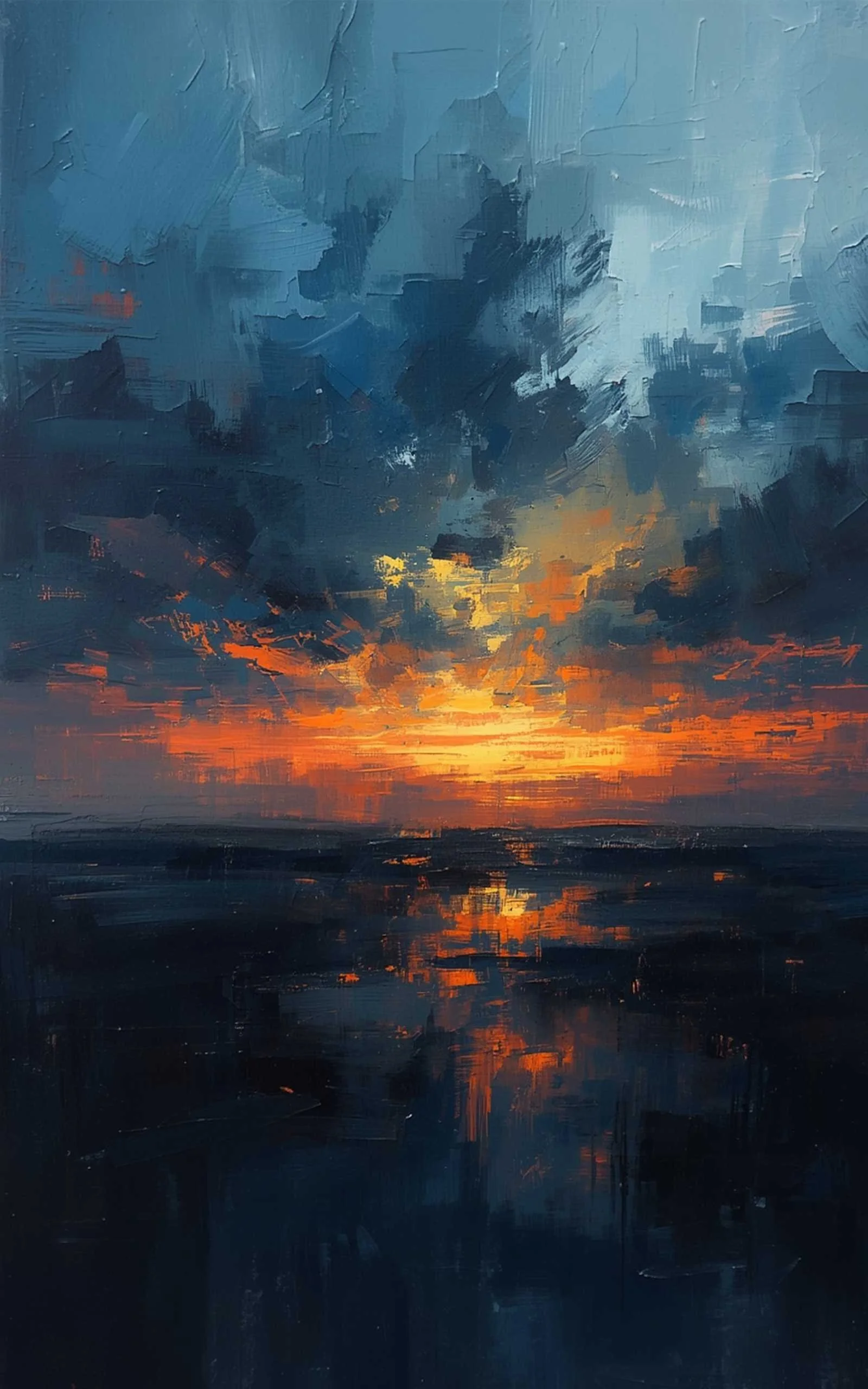
This piece sits inside the anger that follows harm—not the kind that explodes outward, but the kind that lives beneath the surface, constant and uninvited. It is about the dissonance of becoming someone you were never meant to be, carrying a heat that does not feel like your own, and the quiet, exhausting work of holding it without letting it take over. There is an understanding here that the fire will not burn this brightly forever—but that knowledge does not lessen the reality of what it feels like to live with it now. This is what it means to contain something you never chose to carry. 🔥