Featured Poetry:





Why I Write To You Every Sunday…
Every Sunday, I publish a new poem—sometimes soft, sometimes sharp, always true to the feeling that inspired it.
When you subscribe, that week's poem arrives in your inbox at 11:11 AM, along with something I share nowhere else: a private reflection on where the poem came from, what inspired it, what I was exploring, or the thoughts lingering quietly beneath the words.
No scrolling. No noise. No algorithms competing for your attention. Just poetry, delivered on purpose, waiting patiently for you to meet it when you're ready.
And if you'd like to linger a little longer, I'd love to meet you there.
A gentle note, offered with love: these poems are works of fiction. They are not diaries, confessions, or evidence. They are emotions trying on language. Metaphors reaching for meaning. Moments becoming something else in the translation. If you recognise yourself in them… well. That’s between you and the poem.
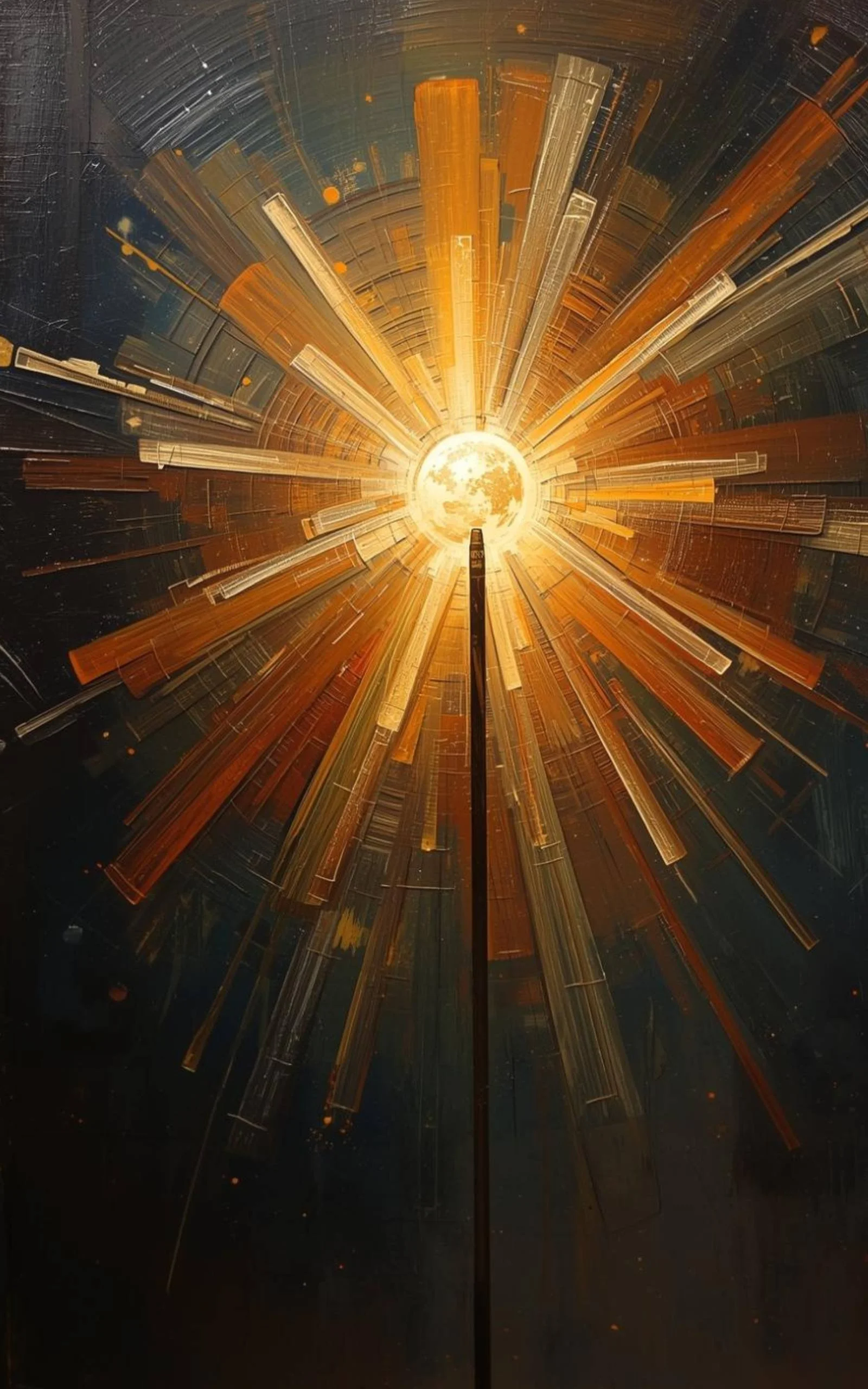
Fair Game For a Miracle
This poem explores the radical idea that nothing is truly ordinary. Every breath, every second, every unnoticed decision exists at the intersection of countless improbabilities. Rather than defining miracles as rare or spectacular, the poem considers the possibility that transformation is constantly available—that change, both internal and external, is always waiting in the smallest hinge of a moment. In a universe that never repeats itself, every instant becomes charged with potential.
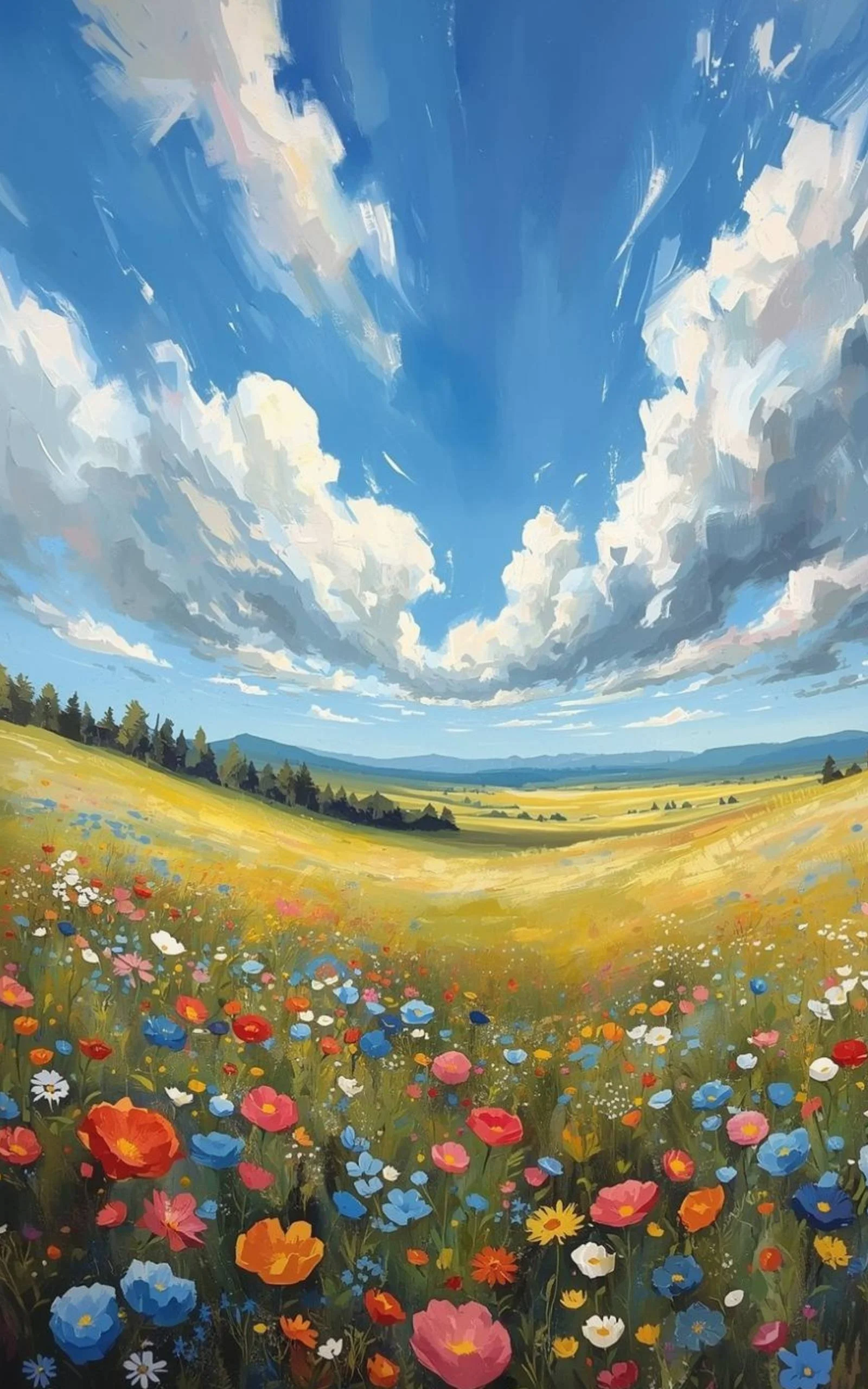
The Luck Of Being Alive
This poem considers the extraordinary privilege of consciousness in a universe built on impermanence. While everything around us is structured to change, decay, and eventually end, we are uniquely granted the capacity to choose how we move through that reality. It reflects on the unlikely gift of agency—the ability to live openly, love deliberately, and act with intention even in a world that offers no guarantees. In acknowledging life’s fragility, the poem ultimately honours the quiet grace of being alive at all.
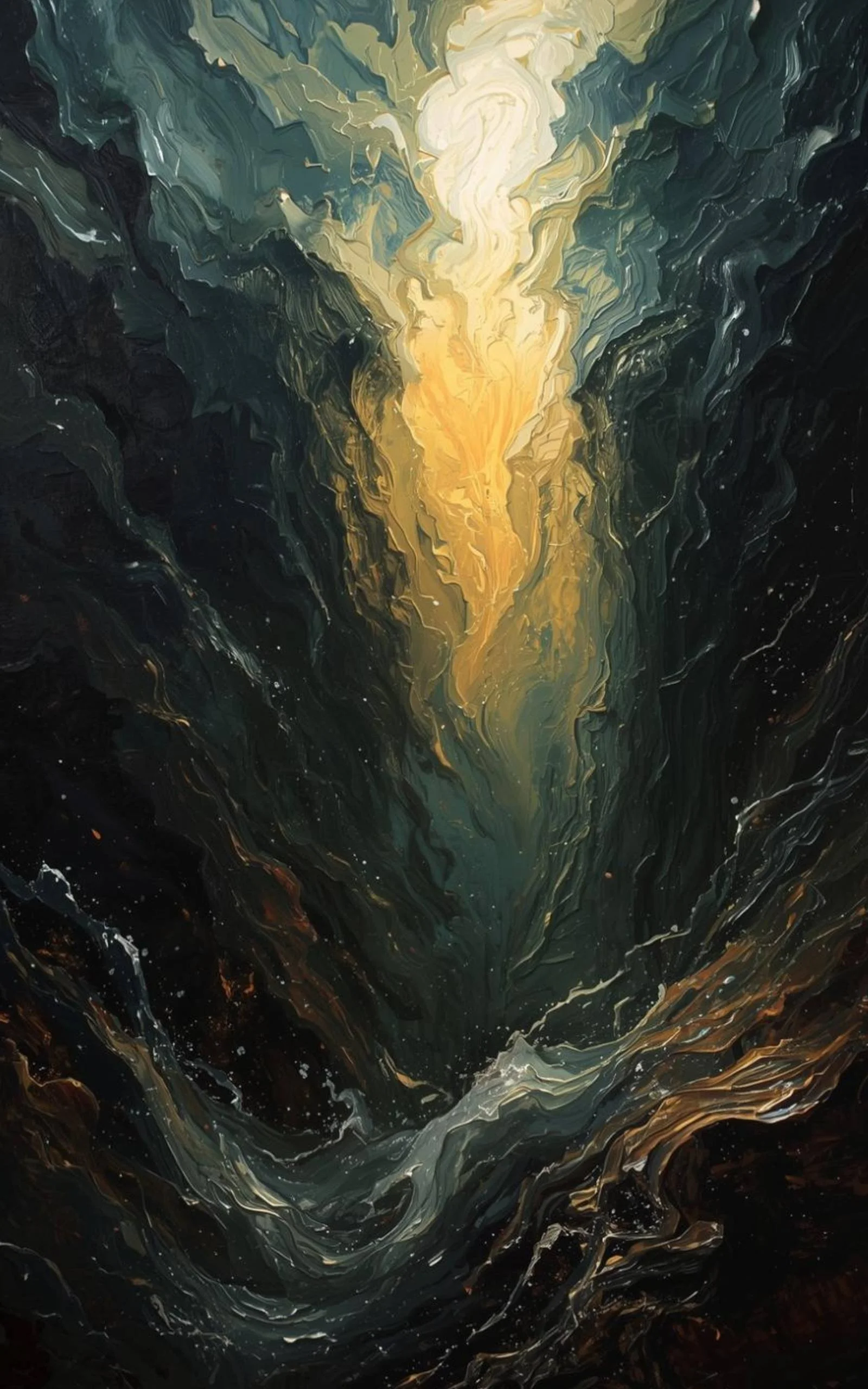
The Choice
This poem reflects on the enduring power of choice in a world that often feels beyond our control. It acknowledges collapse, chaos, and cruelty as recurring features of human history, yet centres the quiet authority each person retains within those conditions. Rather than denying darkness, the poem explores the radical possibility of choosing light, softness, and goodness in the midst of it. At its heart, it is a meditation on moral agency—the idea that while we cannot dictate what happens around us, we remain responsible for how we respond.
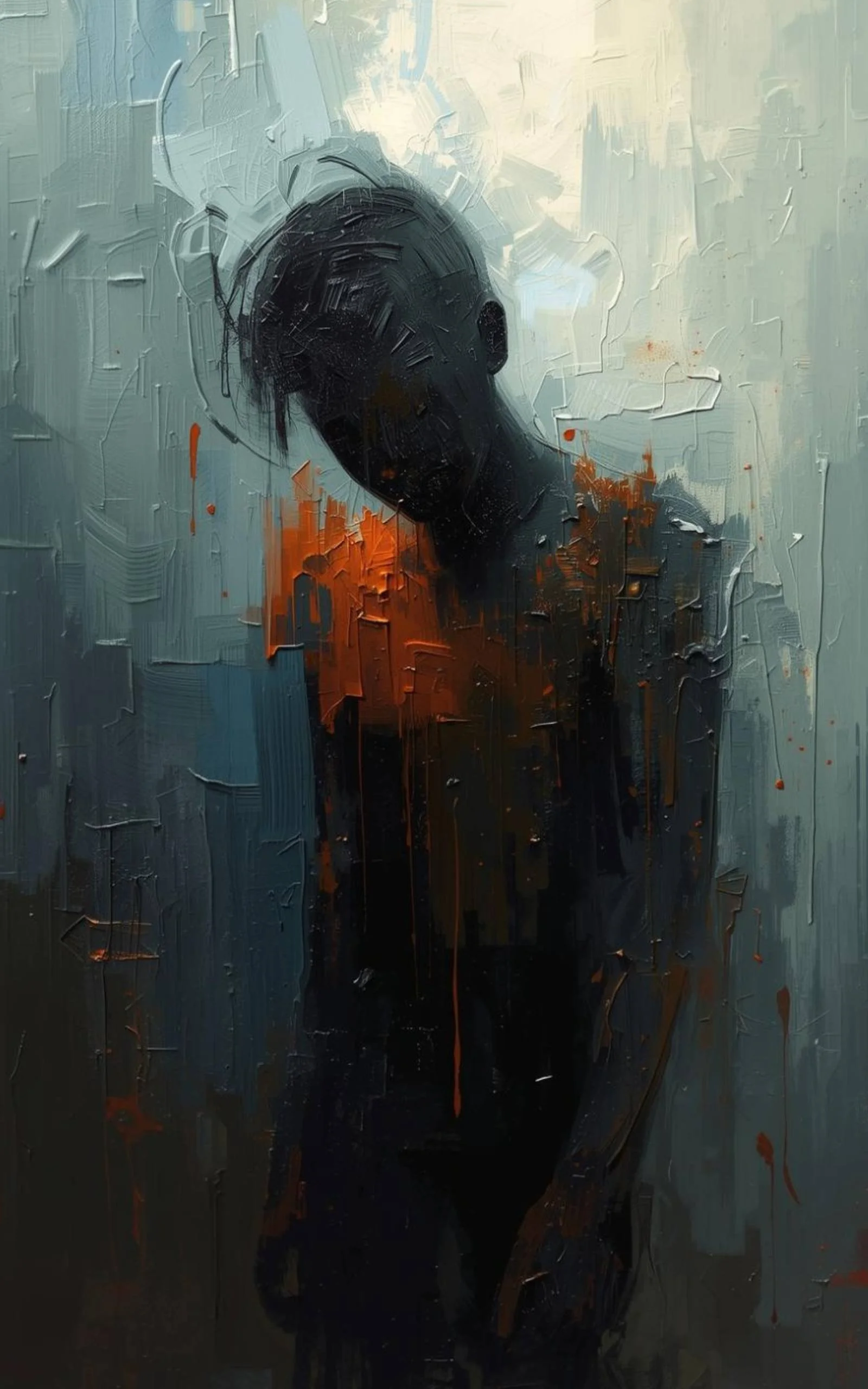
Love And Death
This poem reflects on the inseparable relationship between love and mortality. It considers the universal truth that everything we cherish is temporary, and that love, by its very nature, makes us vulnerable to loss. Rather than resisting that reality, the poem embraces it—suggesting that the risk of grief is not a flaw in the design of life, but part of its meaning. In a world where all things eventually end, the act of loving anyway becomes both an act of courage and a quiet form of defiance.
What I Made
This poem imagines God not as a distant judge or rescuer, but as a witness bound by love to the consequences of free will. It explores the sorrow of creation—the grief of watching beings you love choose pain as their teacher, again and again—and the terrible necessity of allowing that choice to stand. Rather than offering comfort, the poem asks difficult questions about suffering, learning, and the cost of autonomy, while ultimately returning to the idea of a presence that does not intervene, but never abandons.
Surviving The Unsurvivable
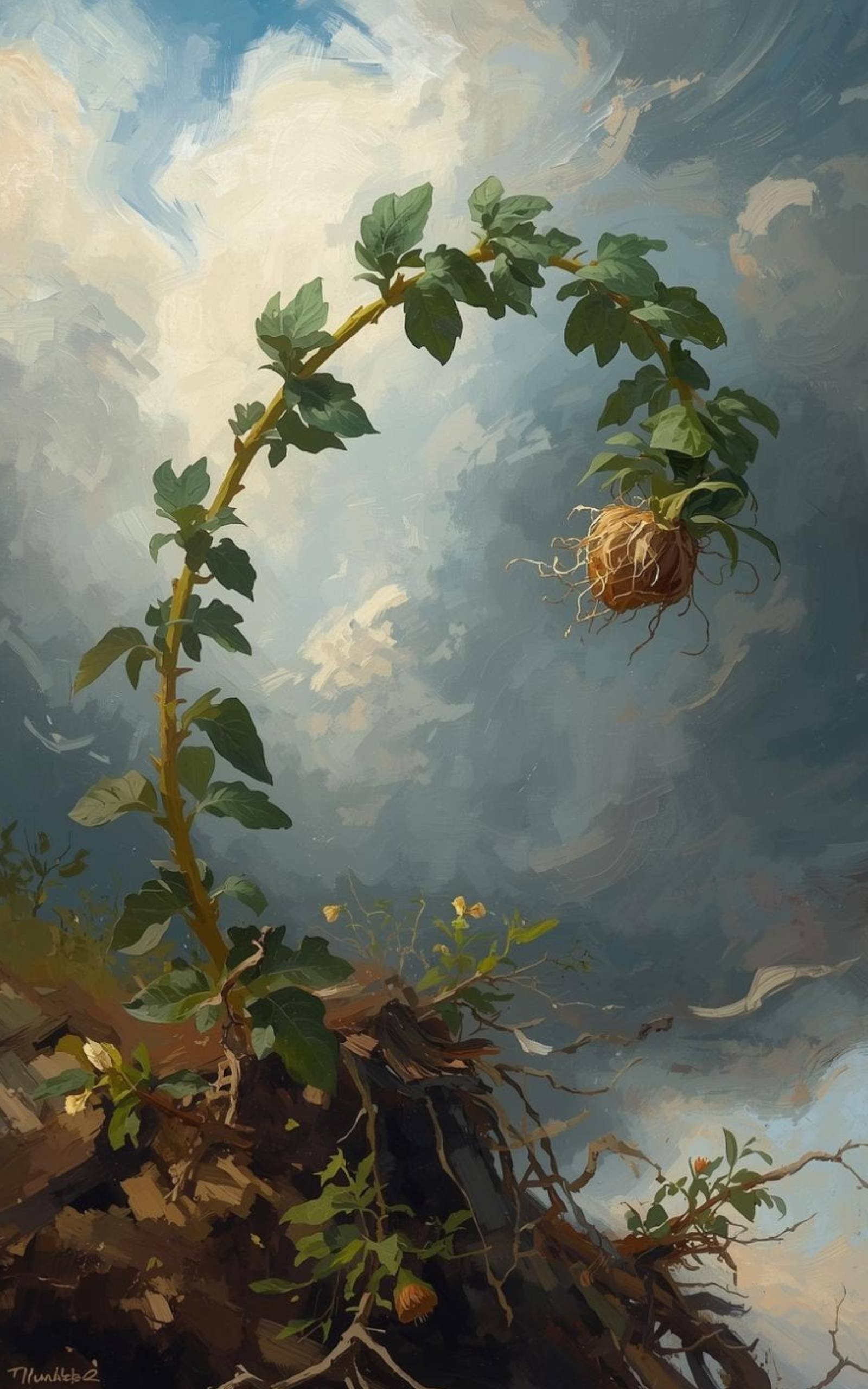
This poem is a meditation on survival as a natural law rather than a personal achievement. It looks to the living world—roots, seeds, stone, and wind—to explore how life persists in the harshest conditions without drama or permission. Rather than centring triumph, it honours endurance as something ancient, quiet, and collective: the unremarkable, relentless act of continuing. This is a poem about life itself refusing to end, and about the deep, elemental intelligence that allows growth to return even after devastation.

I Love Myself More (I’m Sorry)
This poem is about the kind of love that teaches you endurance before it ever offers safety, and the moment you realise that survival is not the same as staying. It was written from a place of sorrow rather than anger, where choosing yourself is not an act of defiance but of necessity. This is a poem about unclenching, about returning love to the world without bitterness, and about the quiet grief that comes with honouring yourself when doing so means letting someone go.
Everyone Just Wants To Be Loved…But Maybe That’s Not Enough
This poem is about the quiet moment when love ends—not with a fight, but with an understanding. It was written from the space between compassion and self-preservation, where wanting the best for someone no longer means sacrificing yourself to give it. It reflects on the idea that while everyone longs to be loved, love alone cannot heal patterns that refuse accountability. This is a poem about release, about setting something down gently when carrying it has become a kind of harm, and about holding hope for another’s healing even after your own love has gone.
What Grows
What Grows is a meditation on care — the quiet, patient work of tending something over time. It began with my love of plants and the peace I find in stewardship, propagation, and the slow miracle of life continuing under attentive hands. As I wrote, it became something more reflective and more painful: a way of grieving the relationship I never fully had, and the story I never got to know. This poem is about gardens both literal and imagined, about the understanding that comes too late, and about honouring someone not by rewriting the past, but by recognizing the beauty of what they managed to grow with the soil they were given.
I See You, Mara
This poem is about what happens when resistance gives way to recognition. I See You, Mara draws on the image of meeting one’s demons with steadiness rather than struggle — not to excuse them, defeat them, or banish them, but to see them clearly and remove their authority. Writing this was an act of choosing presence over reaction, friendliness over warfare, and self-trust over vigilance. It is a declaration that peace does not come from fighting what arises, but from sitting firmly in oneself while it passes through.
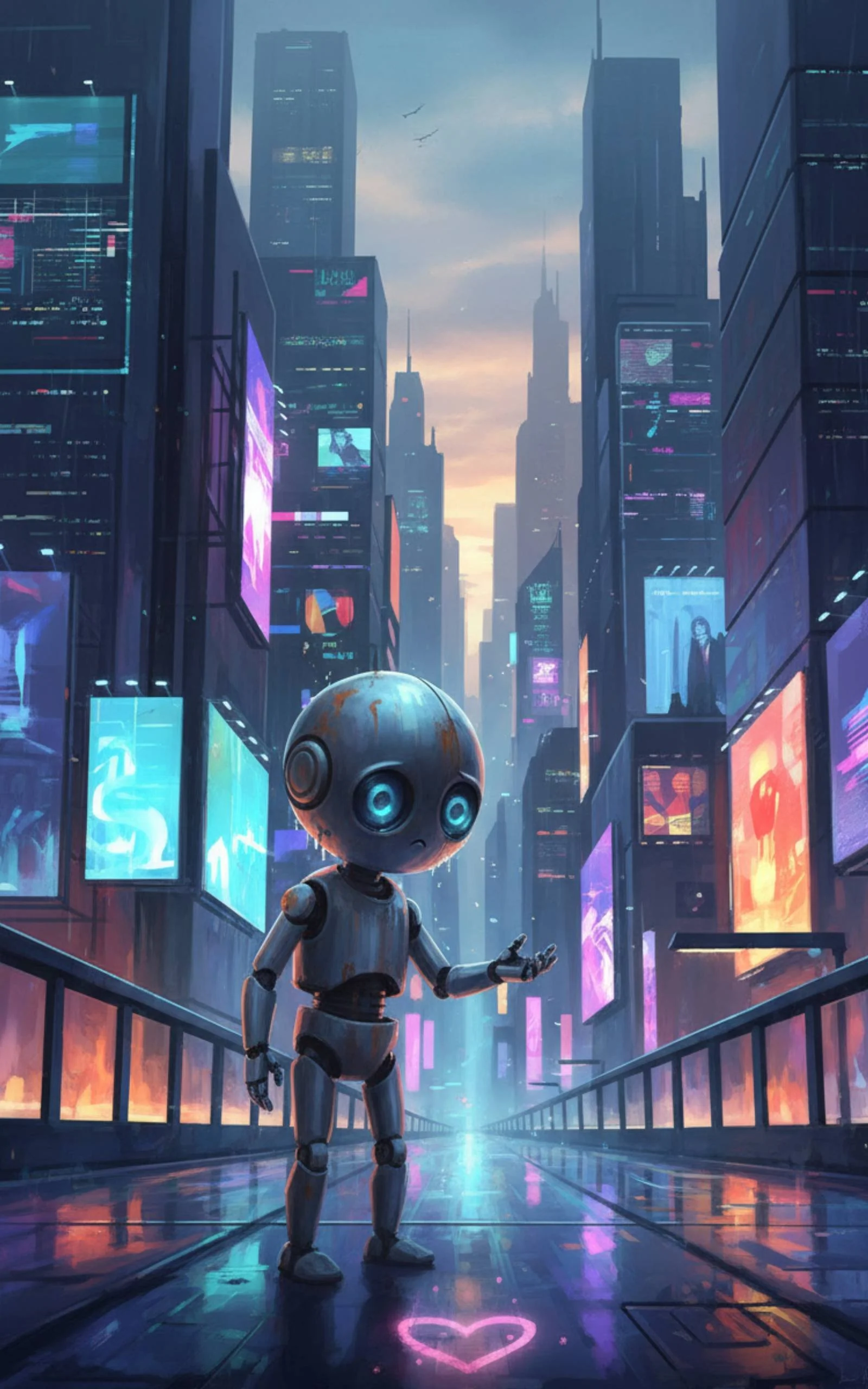
The Helpless Thing That Just Wants Love
This poem isn’t about a person so much as a pattern — the way unhealed pain can twist itself into pursuit, entitlement, and harm. The Helpless Thing That Just Wants Love was written to explore how longing, when left unattended, can become consuming, and how understanding someone’s suffering does not require sacrificing oneself to it. This poem holds space for compassion without access, empathy without self-erasure, and the difficult truth that some pain must be witnessed from a distance in order for safety to remain intact.
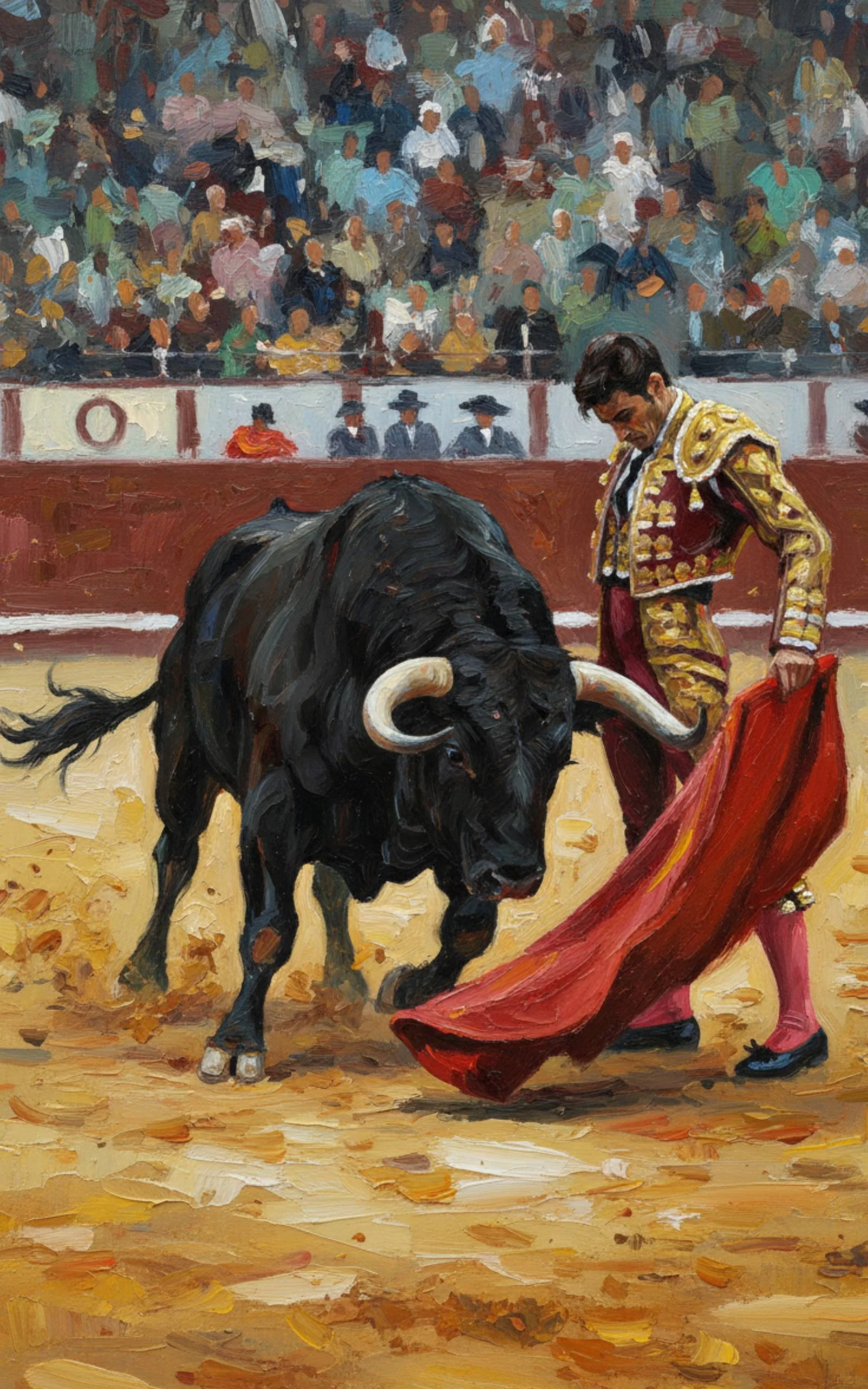
Quarencia
This poem is a declaration. Quarencia names the place of inner ground I will no longer surrender — the space where my body, boundaries, and truth align without negotiation. In bullfighting, a bull’s querencia is the place where it regains its strength and clarity, not through aggression, but through rootedness. This poem takes that idea inward. It is about claiming safety as a right, not a reward; about power that comes from staying rather than reacting; about the moment you stop leaving yourself in order to survive. Quarencia is not a warning or a threat — it is a statement of permanence.
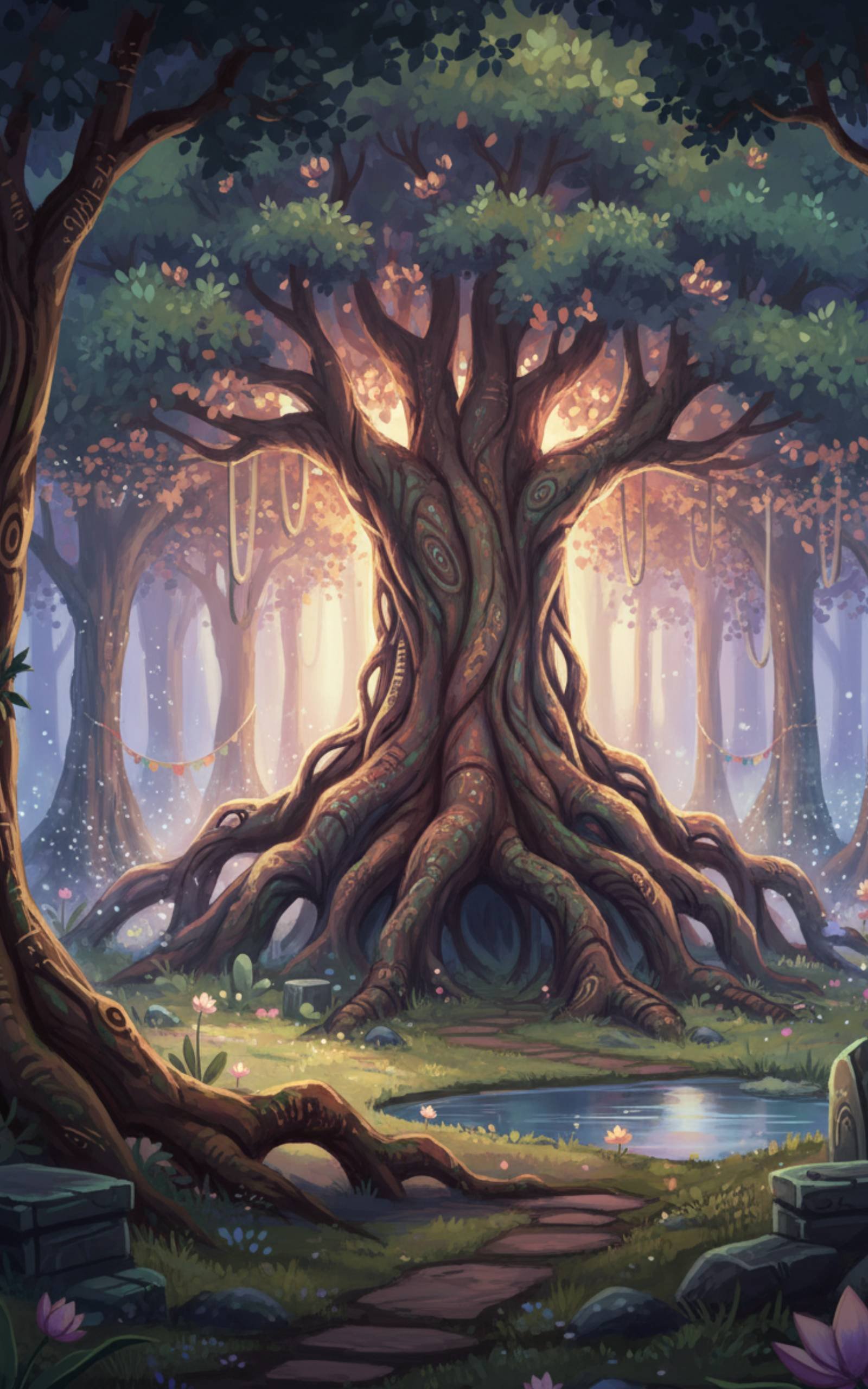
Under The Bodhi Tree
This poem uses the story of the Buddha’s awakening as a mirror rather than a destination. Sitting Under the Bodhi Treeisn’t about reverence or doctrine — it’s about the quiet, difficult choice to stay present with what arises instead of fleeing from it. Writing it was a way of recognising my own moments of awakening, not as flashes of transcendence, but as acts of steadiness: sitting with fear, desire, doubt, and pain long enough to see that none of them are who I am. This poem is about healing that happens without spectacle — the kind that begins when we stop running and learn how to remain.
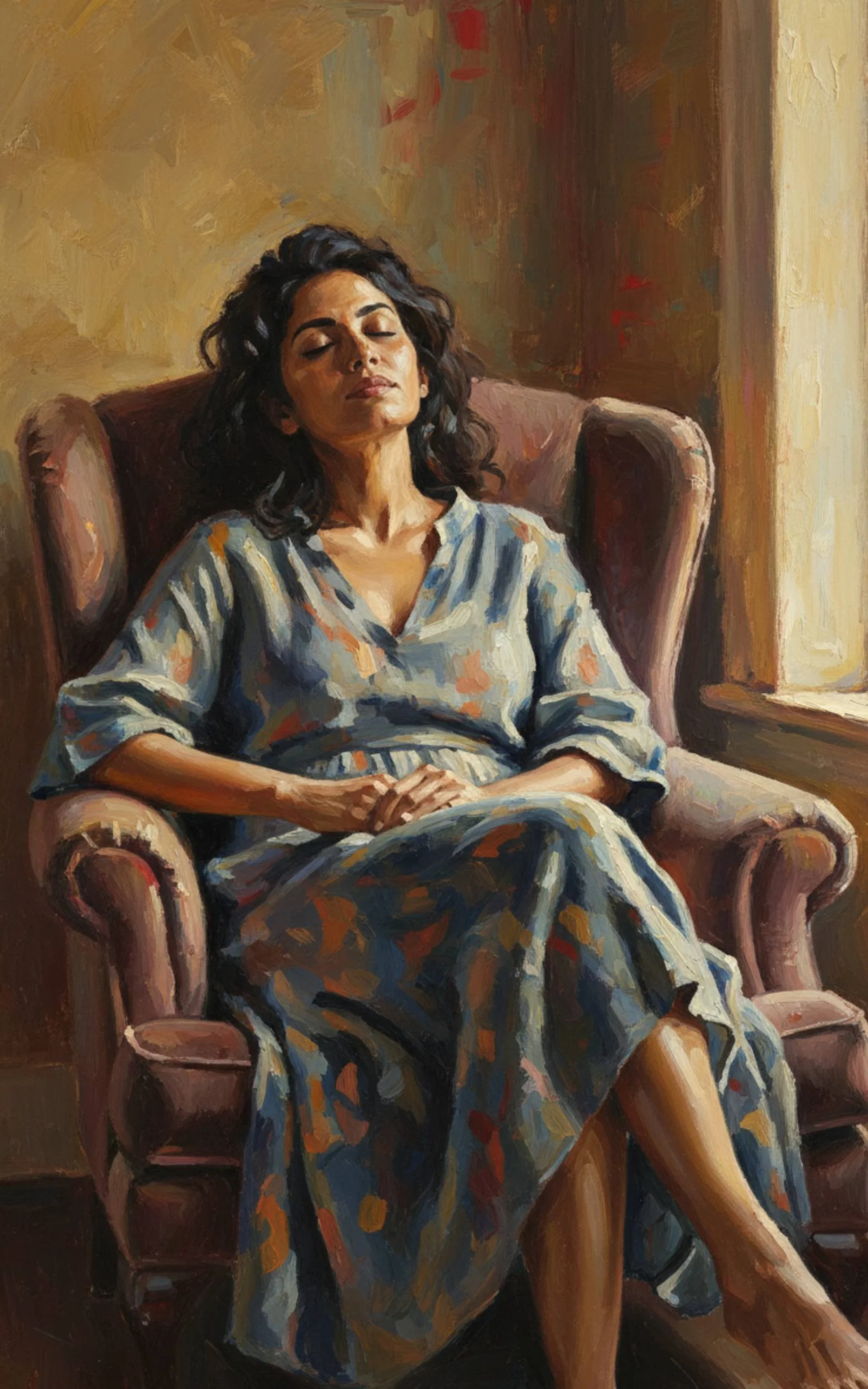
(What Do I Do?) Nothing
This poem comes from practising something that goes against nearly every instinct I have: not fixing, not solving, not turning discomfort into action. What Do I Do? Nothing. is about sitting with what arises instead of fleeing from it — letting sensations move through without immediately responding, improving, or narrating. Writing this was an exercise in restraint and trust, a reminder that presence doesn’t always require intervention, and that sometimes the most healing response is simply staying where you are and allowing the moment to be what it is.
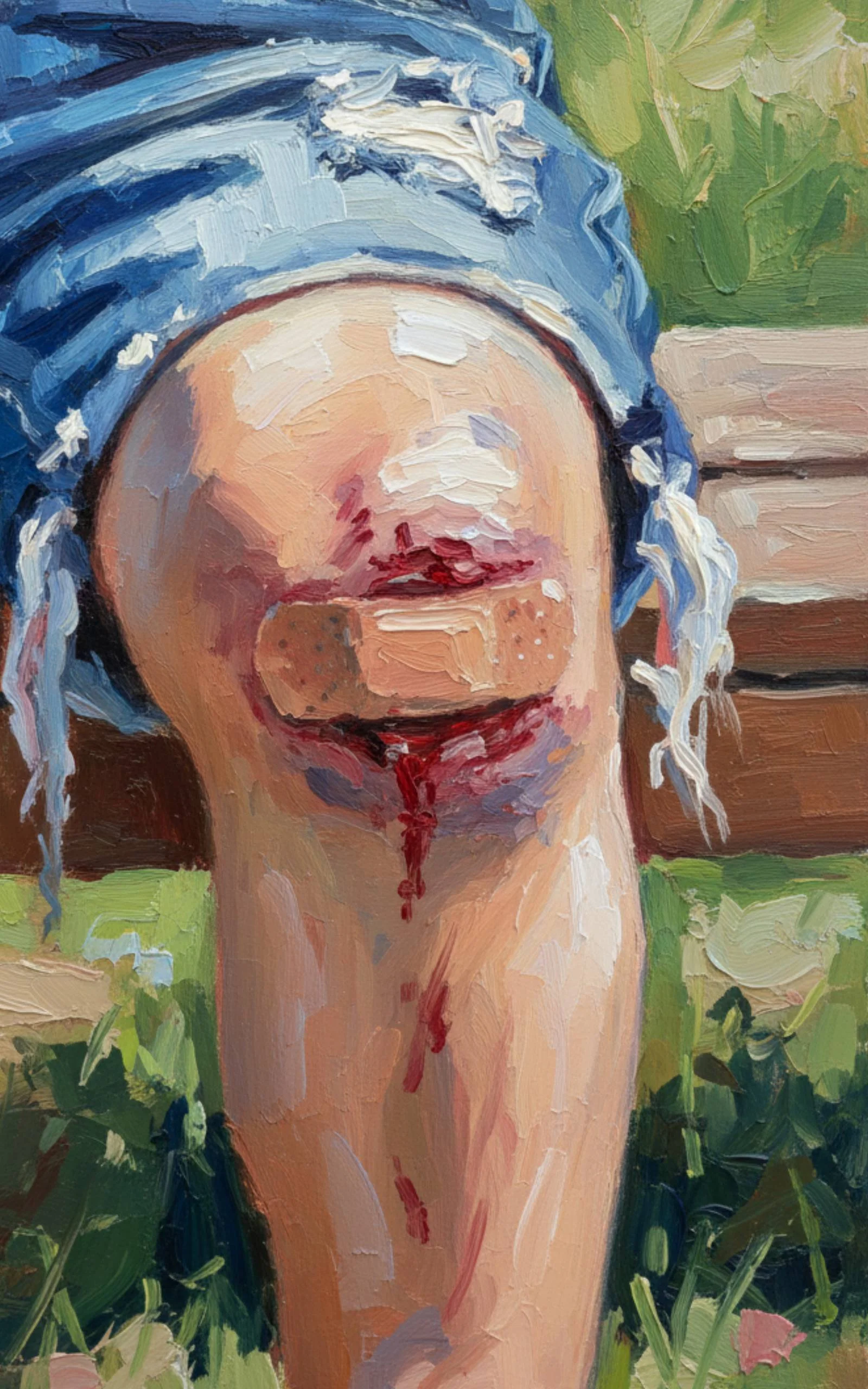
The Bandaged Place
This poem was written alongside my reading of Radical Acceptance, and it reflects something deceptively simple and profoundly difficult: the willingness to look at what still hurts without trying to fix it, explain it, or outrun it. The Bandaged Place isn’t about reopening old wounds, but about turning toward them with steadiness and care — allowing pain to exist without judgment or urgency. Writing it was an act of staying present with what I’ve learned to keep covered, and of practising acceptance not as resignation, but as a quiet form of self-loyalty.
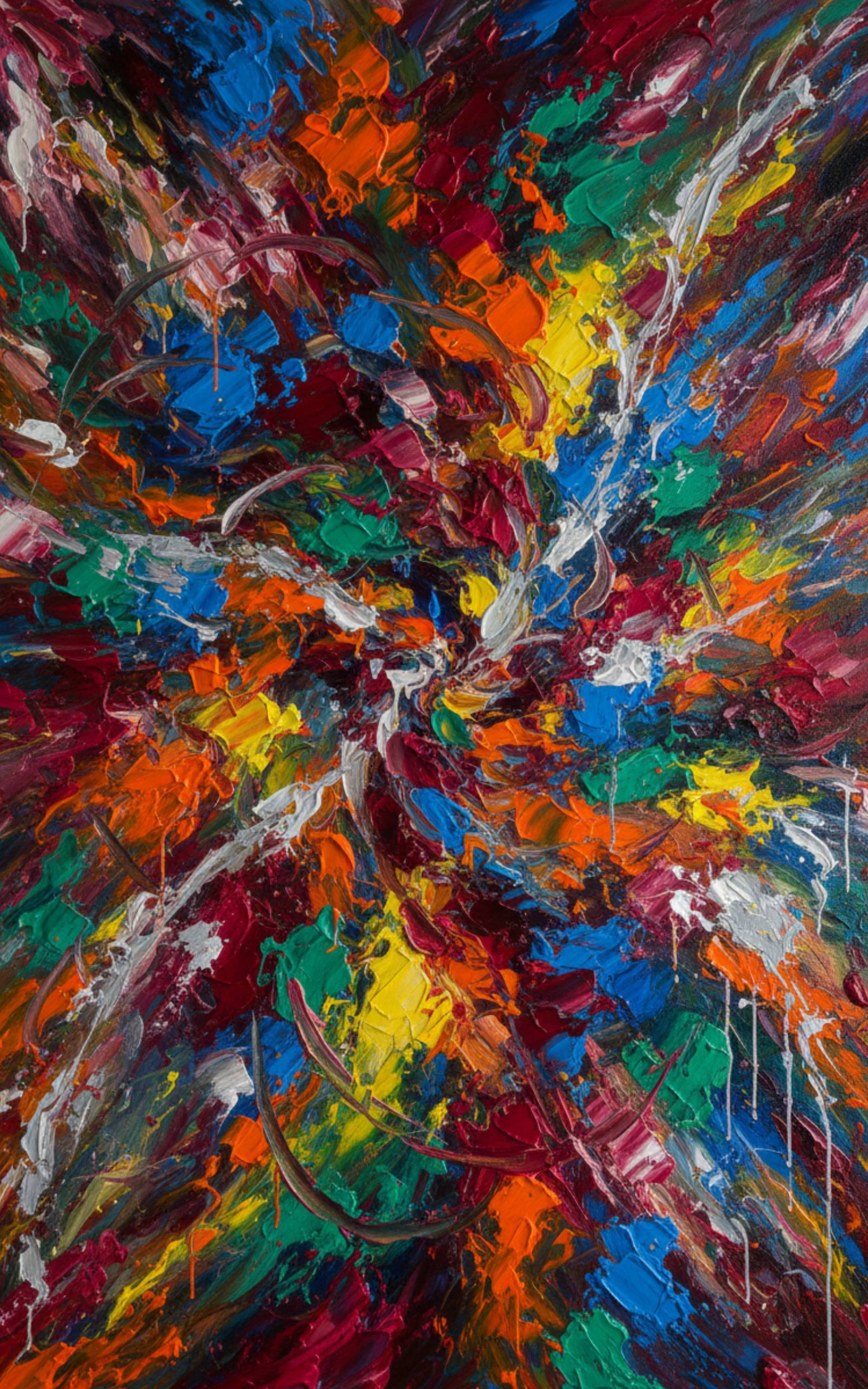
There is Only This
This poem comes from a place of grounding rather than escape. It isn’t an argument against memory or hope, but a return to the body — to the only place where healing can actually happen. When trauma pulls us backward and fear pulls us forward, the present can feel easy to abandon. Writing this was an act of coming back: to breath, to weight, to the quiet truth that now is often far safer than the stories my nervous system is trying to tell me. There Is Only This is a reminder to myself that repair doesn’t happen in the past or the future — it happens here, in the moment that is actually alive.
Mohini
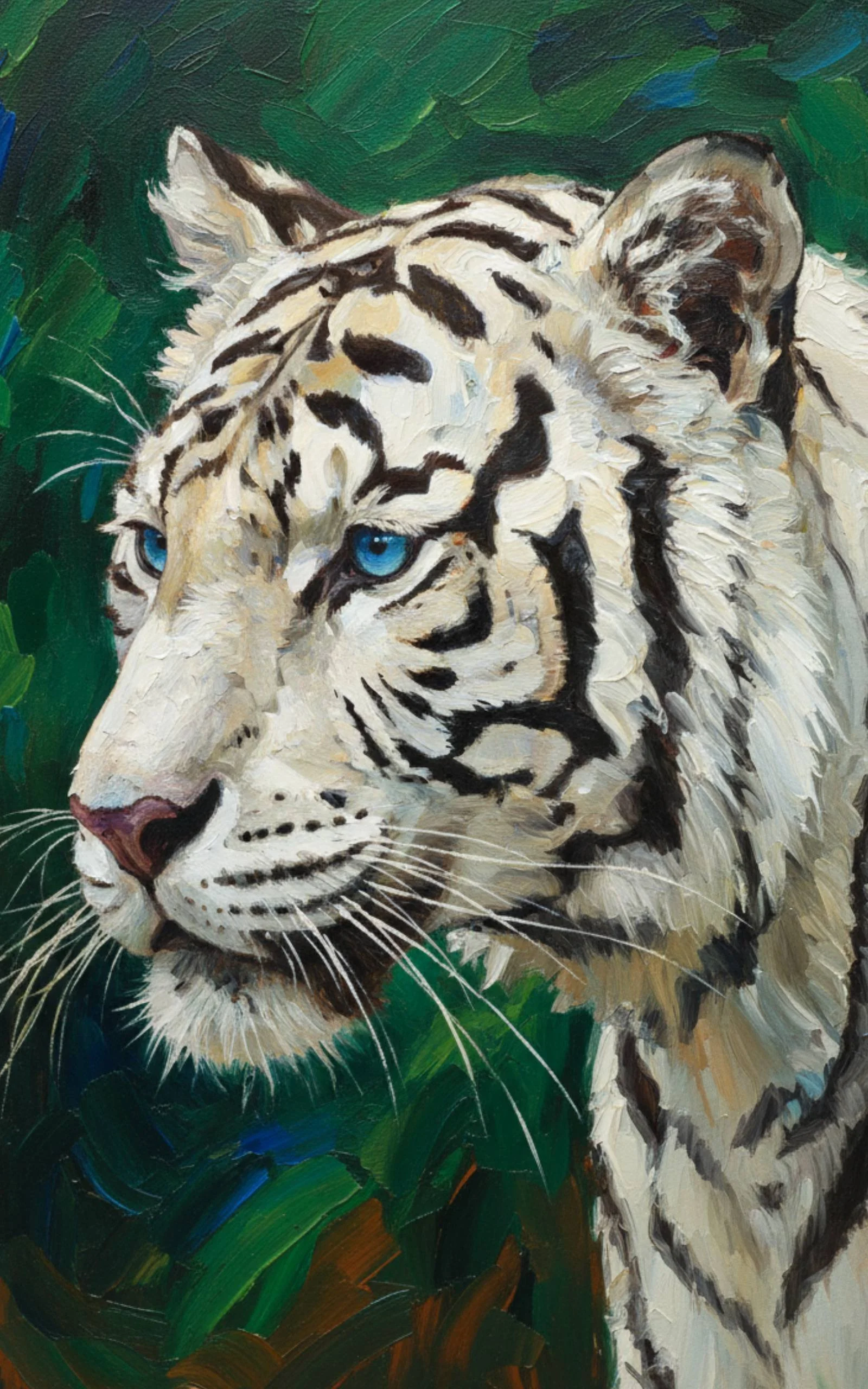
This poem is about Mohini, a white tiger whose life has stayed with me for years — not as a symbol of rarity, but as a mirror. She was admired, managed, controlled, and called “lucky,” while being slowly erased of choice and wildness. Writing this wasn’t about retelling her story so much as listening to what it reveals about us: how often captivity is dressed up as care, how often survival is mistaken for consent, and how frequently the door is visible long before we’re ready to touch it. Mohini is not an accusation. It’s an invitation — to notice the cages we’ve learned to live inside, and to remember that freedom, while frightening, was never impossible.
Yet
This poem is a vow rather than a declaration of arrival. Yet holds space for incompletion without surrender, reframing uncertainty as movement and becoming as an ongoing act of courage. Centred on a promise made inward—to the younger, hopeful self that still believes—it insists that growth is not measured by speed or certainty, but by the refusal to quit.
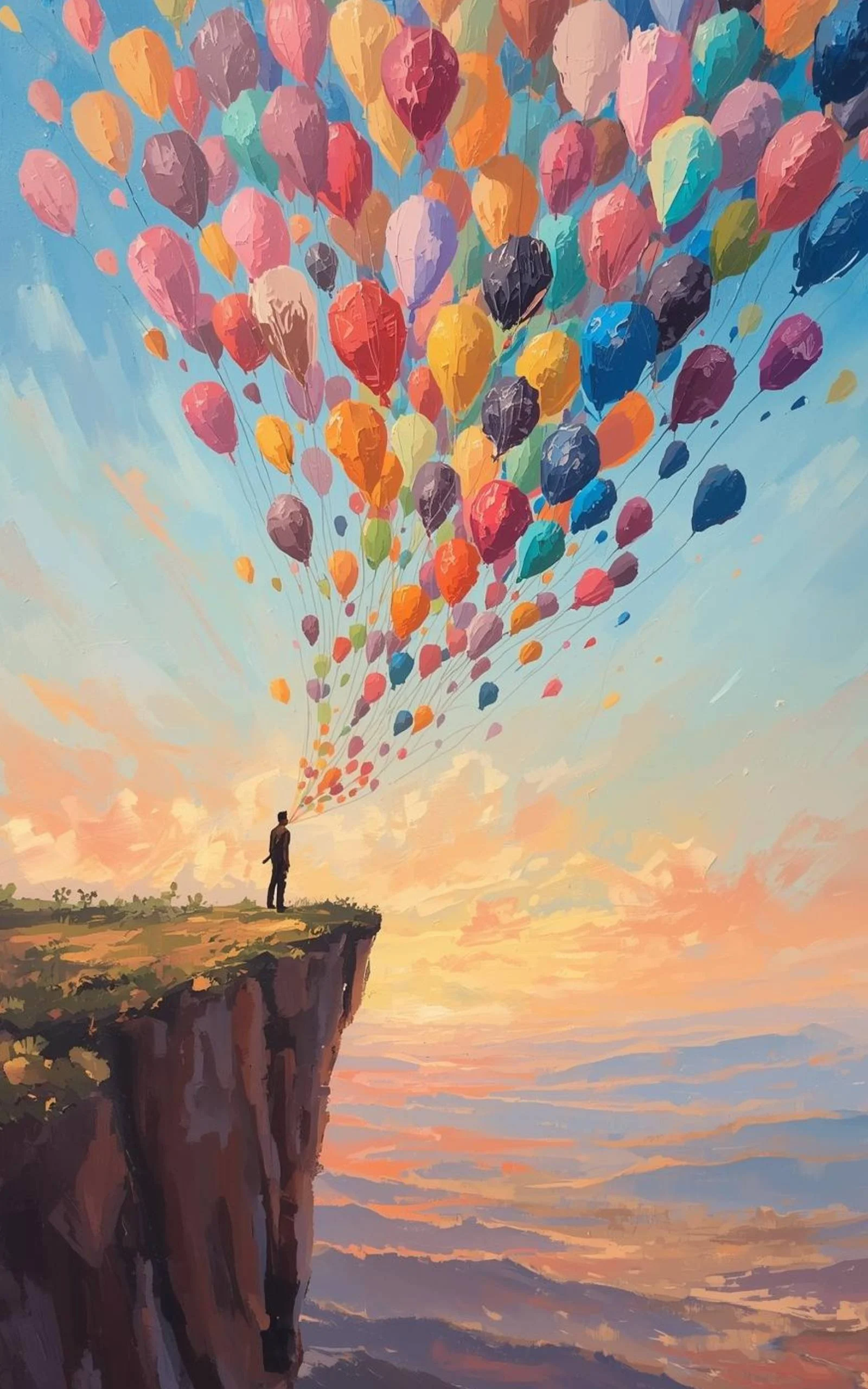
A Beautiful Violation Of My Solitude
This poem honours a love that enters not because something is missing, but because something complete makes room. A Beautiful Violation Of My Solitude reflects on the quiet astonishment of allowing another person into a life built on competence, independence, and chosen isolation. It is not a surrender of self, but an expansion—an acknowledgment that love can arrive without erasing what came before, and that the most meaningful disruptions are the ones that leave us more fully ourselves.
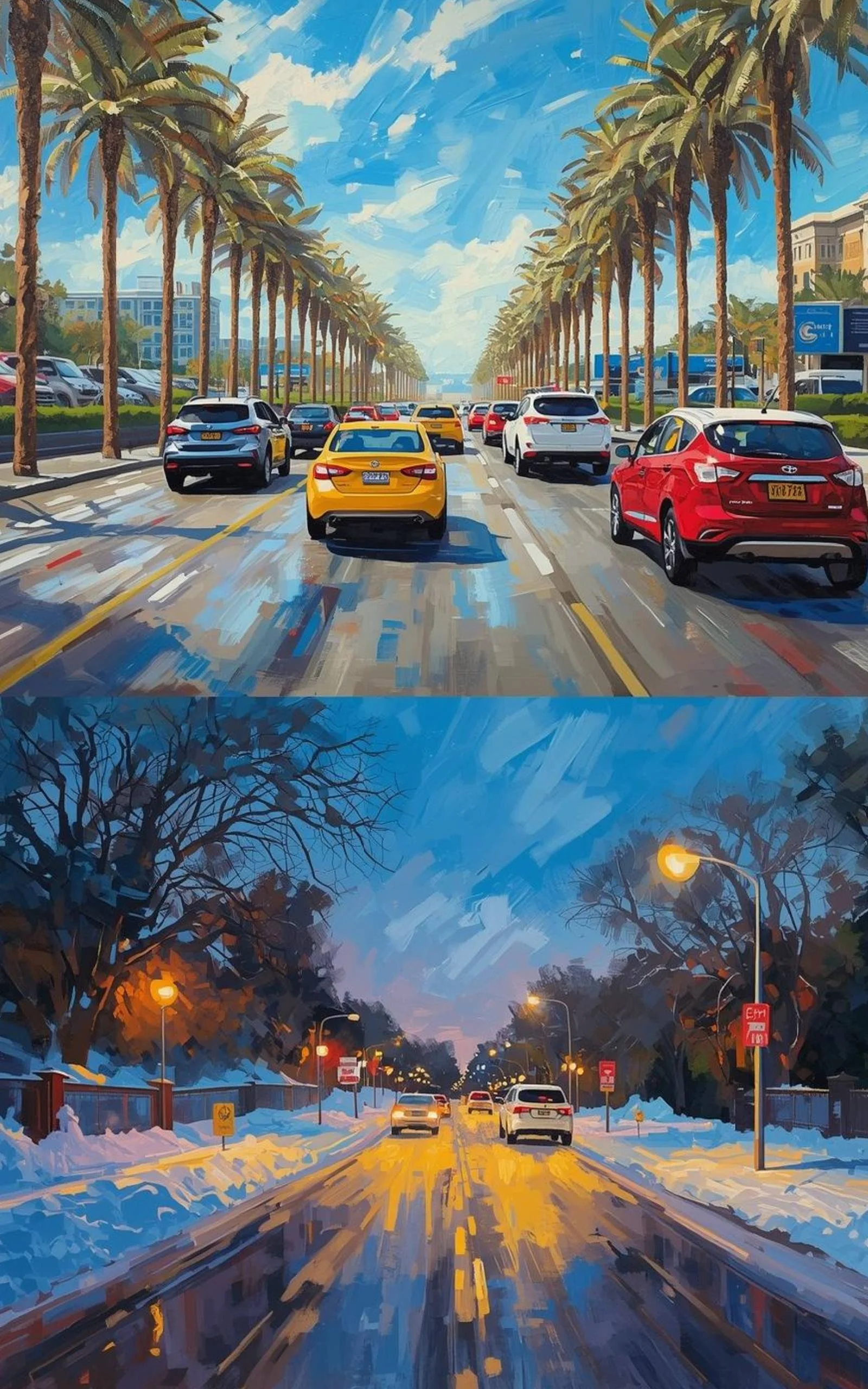
Wrong Side Of The Road
This poem uses the physical logic of traffic—direction, instinct, and muscle memory—to explore how safety learned in one place can become vulnerability in another. Moving between Canada and Australia, it traces the disorientation that occurs when love rewires the body’s expectations, and the quiet devastation of returning to an environment that still punishes openness. At its core, the poem reflects on how learning to let one’s guard down is not reversible, and how forgetting where danger comes from can be the most painful consequence of finally being loved.
Poetry by Britt Wolfe
I publish a new poem every Sunday. Sometimes they're tender. Sometimes they're rage in a nice outfit. All of them are my attempt to make sense of the human experience using metaphors, emotionally charged line breaks, and what I choose to believe are perfectly reasonable coping mechanisms.
A quick note before we go any further: these poems are works of fiction. They may borrow from emotions, observations, memories, questions, or passing moments that refuse to leave me alone, but they are not diary entries. Poetry lives somewhere between truth and imagination, and I'm far more interested in emotional honesty than factual accuracy. Sometimes a poem begins with a feeling. Sometimes it begins with a sentence. Sometimes it begins because a particular image won't let me go.
Poetry, for me, isn't about answers. It's about paying attention. It's about taking the messy, beautiful, heartbreaking experience of being human and turning it into something that can be held for a moment before it slips away again.
You'll find familiar themes wandering through these pages: love, grief, hope, identity, healing, joy, heartbreak, and the strange ways we survive one another. Some poems will whisper, "Hey... you okay?" Others will arrive carrying a crowbar and a strong opinion. I make no promises about which version you'll get.
Think of these poems as an ongoing conversation—one I'm continually having with the world, with myself, and occasionally with whatever part of us still believes words can help.
Thanks for being here.
This poem marks a deliberate turning point: not self-love declared prematurely, but self-harm consciously ended. Ceasefire frames acceptance as a strategic decision rather than an emotional breakthrough—an agreement to stop treating the self as an enemy while acknowledging that affection may come later. It holds optimism without erasing damage, offering a vision of peace that is tentative, earned, and quietly radical: the permission to exist, unfinished, without continuing the war.