Featured Poetry:









Why I Write To You Every Sunday…
Every Sunday, I publish a new poem—sometimes soft, sometimes sharp, always true to the feeling that inspired it.
When you subscribe, that week's poem arrives in your inbox at 11:11 AM, along with something I share nowhere else: a private reflection on where the poem came from, what inspired it, what I was exploring, or the thoughts lingering quietly beneath the words.
No scrolling. No noise. No algorithms competing for your attention. Just poetry, delivered on purpose, waiting patiently for you to meet it when you're ready.
And if you'd like to linger a little longer, I'd love to meet you there.
A gentle note, offered with love: these poems are works of fiction. They are not diaries, confessions, or evidence. They are emotions trying on language. Metaphors reaching for meaning. Moments becoming something else in the translation. If you recognise yourself in them… well. That’s between you and the poem.

Let The Good In
This poem speaks to those who have learned to absorb harm effortlessly while treating kindness as suspect. Let the good in explores the imbalance many survivors carry—how negativity is granted immediate access while praise is questioned, deflected, or dismissed—and reframes acceptance as a rational, evidence-based choice rather than blind optimism. Grounded in community, chosen family, and lived proof, the poem offers a quiet argument for re-learning trust: not by denying pain, but by finally allowing goodness to occupy the space it has already earned.

I Didn’t Consent To This
This poem uses the language of consent and contract to describe a love that arrives unexpectedly and alters the body, the nervous system, and the shape of daily life. I Didn’t Consent To This is not a rejection of love, but an expression of awe at its quiet power—how safety, confidence, and belonging can enter without warning and become essential. What begins as surprise becomes devotion, honouring a partnership that transforms not through force, but through presence.
Ceasefire
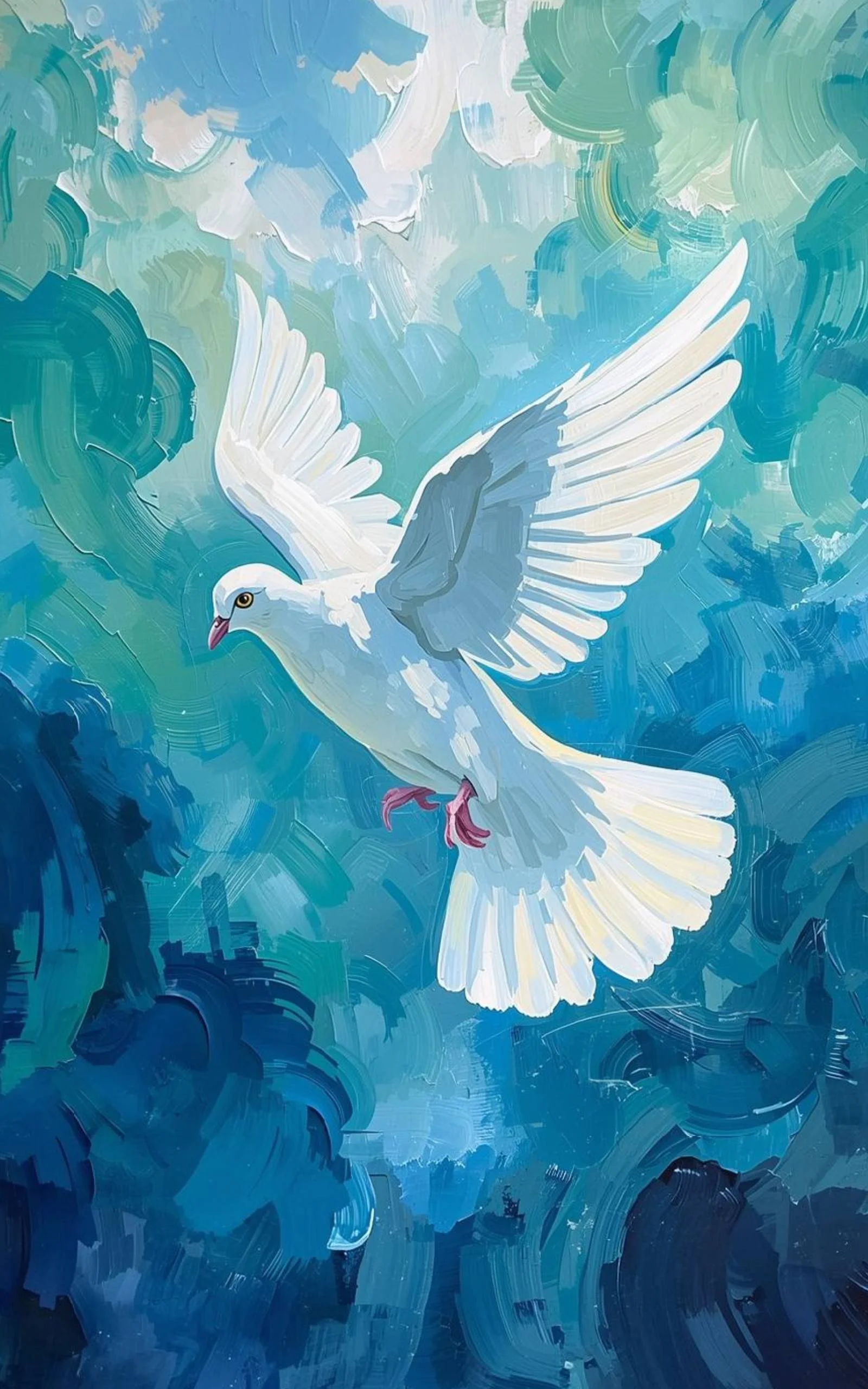
This poem marks a deliberate turning point: not self-love declared prematurely, but self-harm consciously ended. Ceasefire frames acceptance as a strategic decision rather than an emotional breakthrough—an agreement to stop treating the self as an enemy while acknowledging that affection may come later. It holds optimism without erasing damage, offering a vision of peace that is tentative, earned, and quietly radical: the permission to exist, unfinished, without continuing the war.
Pursuit Through Systems
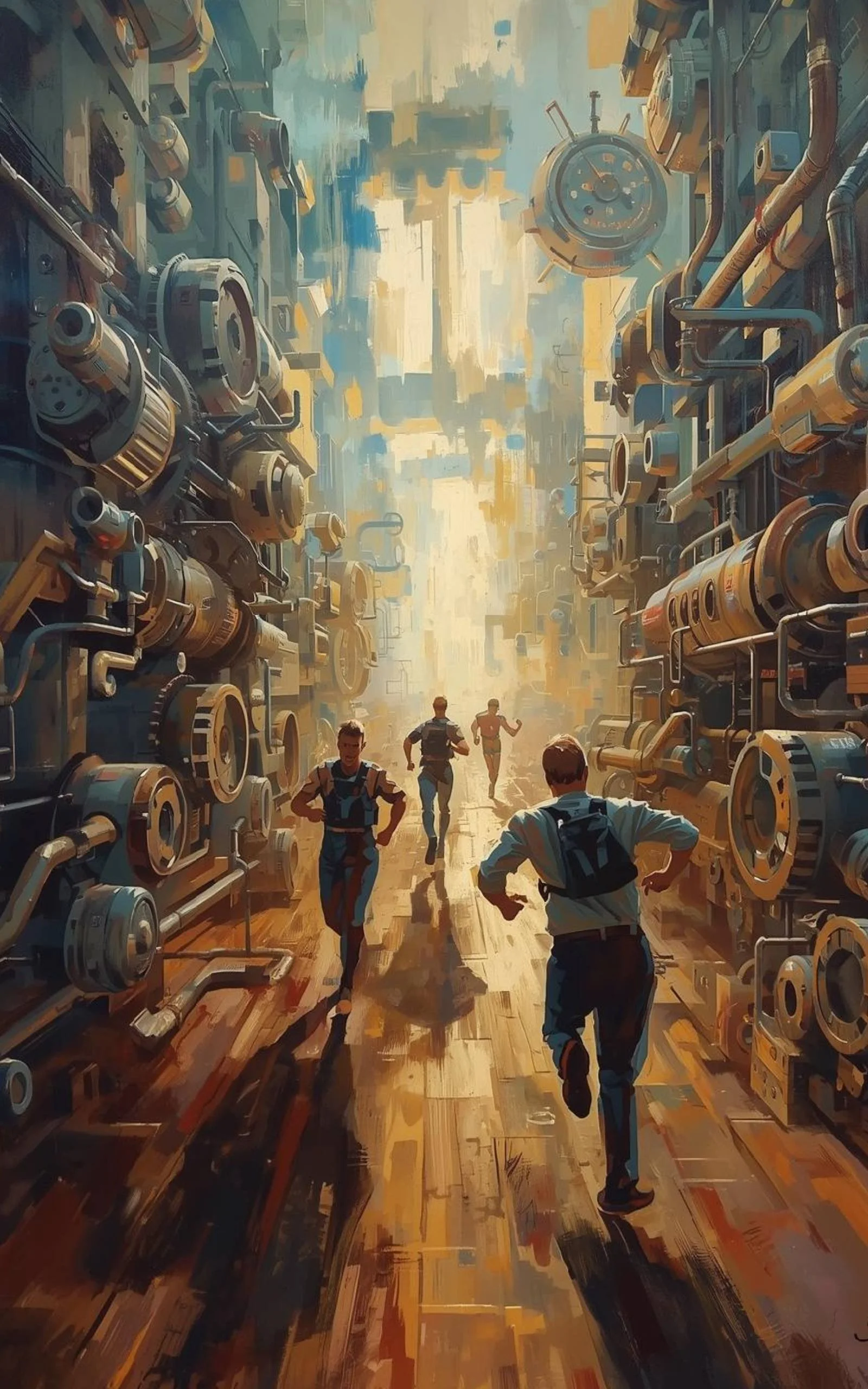
This poem names a form of harm that hides behind legitimacy: the strategic misuse of institutions to pursue, isolate, and exhaust a person without ever appearing overtly violent. Pursuit Through Systems traces how authority is leveraged, recycled, and redeployed when one channel fails—how allegations migrate, narratives are laundered, and procedure becomes a weapon. It is not about a single accusation or forum, but about the pattern itself: a sustained campaign that relies on repetition, attrition, and plausible deniability until the target becomes easier to remove than the truth they carry.

Due Process
This poem examines how harm is neutralized not through denial, but through procedure. It traces the way institutions convert unresolved wrongdoing into administrative stability—how facts are managed, witnesses are displaced, and memory is reframed as liability. Due Process is not about justice failing loudly, but about how systems succeed quietly: by exhausting the person who remembers until continuity is restored and accountability becomes unnecessary.
Credability Laundering
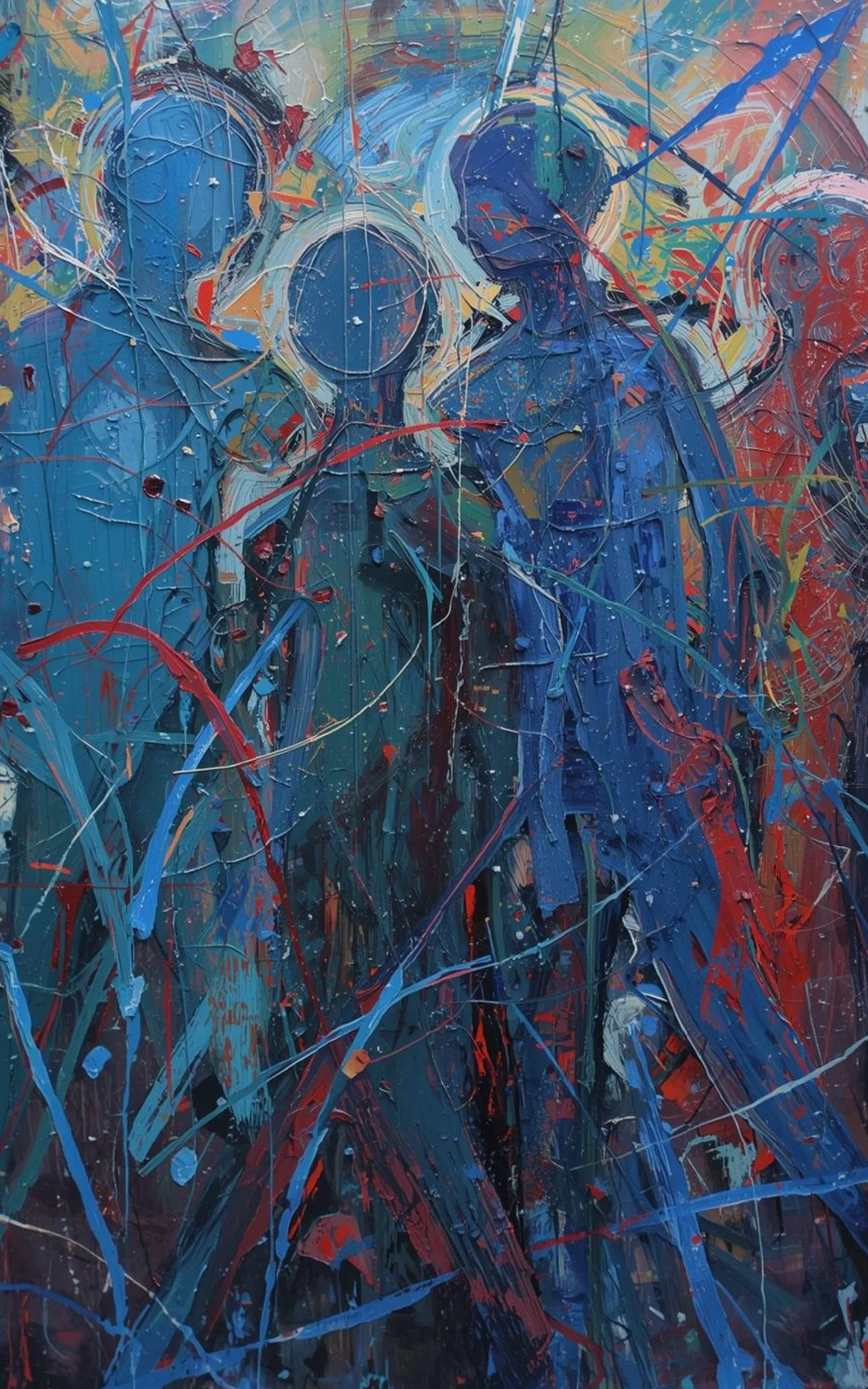
This poem examines credibility laundering not as a metaphor, but as a mechanism: a slow, institutional process by which harm is neutralized, memory is destabilized, and truth becomes professionally inconvenient. Rather than focusing on a single individual, it traces how reputations are cleaned through proximity to prestige, how ethical authority is purchased and maintained, and how those who refuse silence are quietly displaced. What follows is not an accusation shouted, but a system documented—one that survives by making exposure feel transgressive and remembrance feel impolite.
A Haunted House In The Prairies
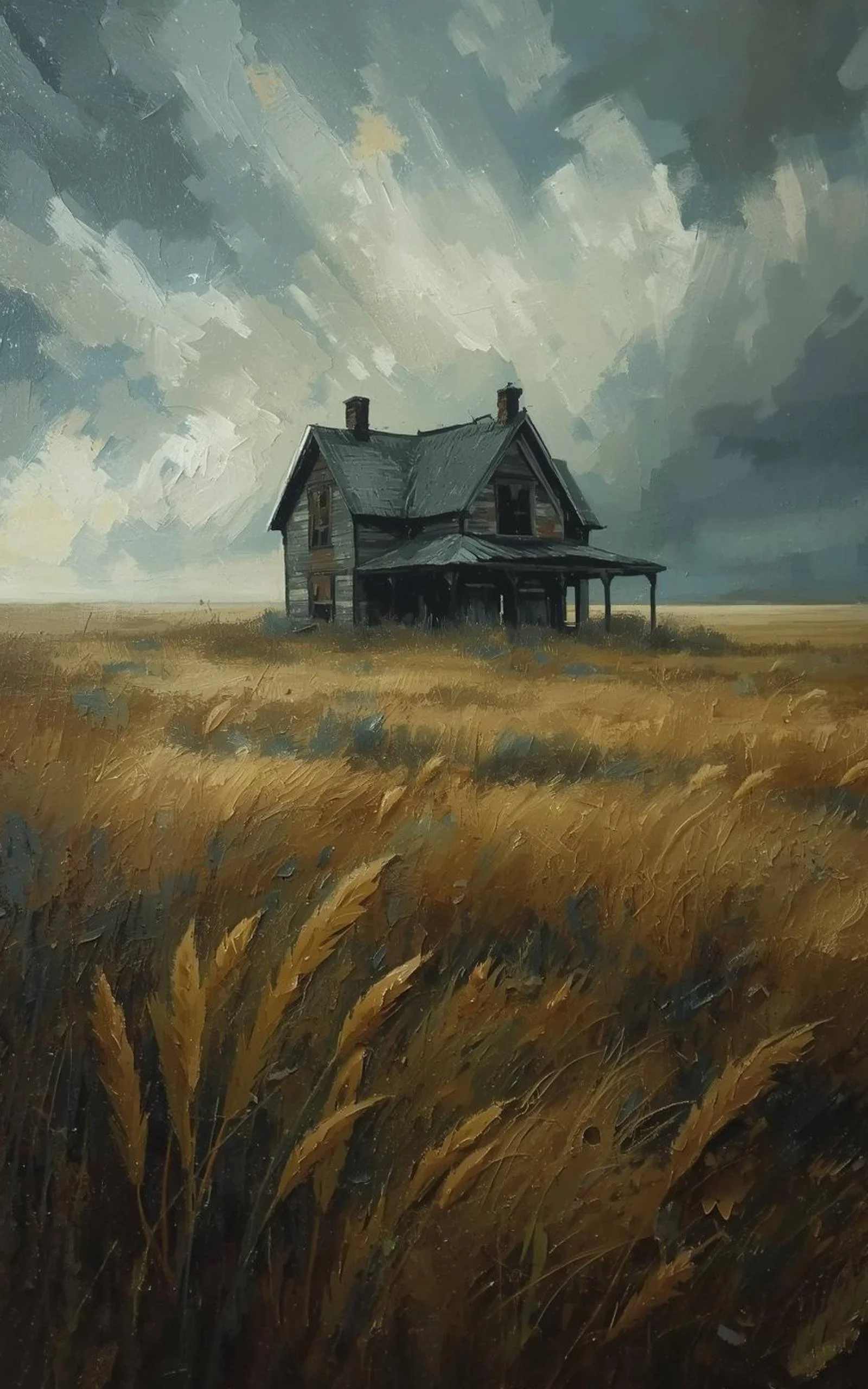
This poem approaches childhood abuse through the language of architecture and endurance rather than confession. It uses the haunted house as a misdirection—an image people recognize and feel comfortable naming—before revealing that the true site of haunting is the survivor themselves. Set against the vast indifference of the prairies, it examines how terror becomes structural, how survival is mistaken for wholeness, and how what “endures” often does so by relocating inward. This is not a story about what happened, but about what remains functional long after the visible damage has been erased.
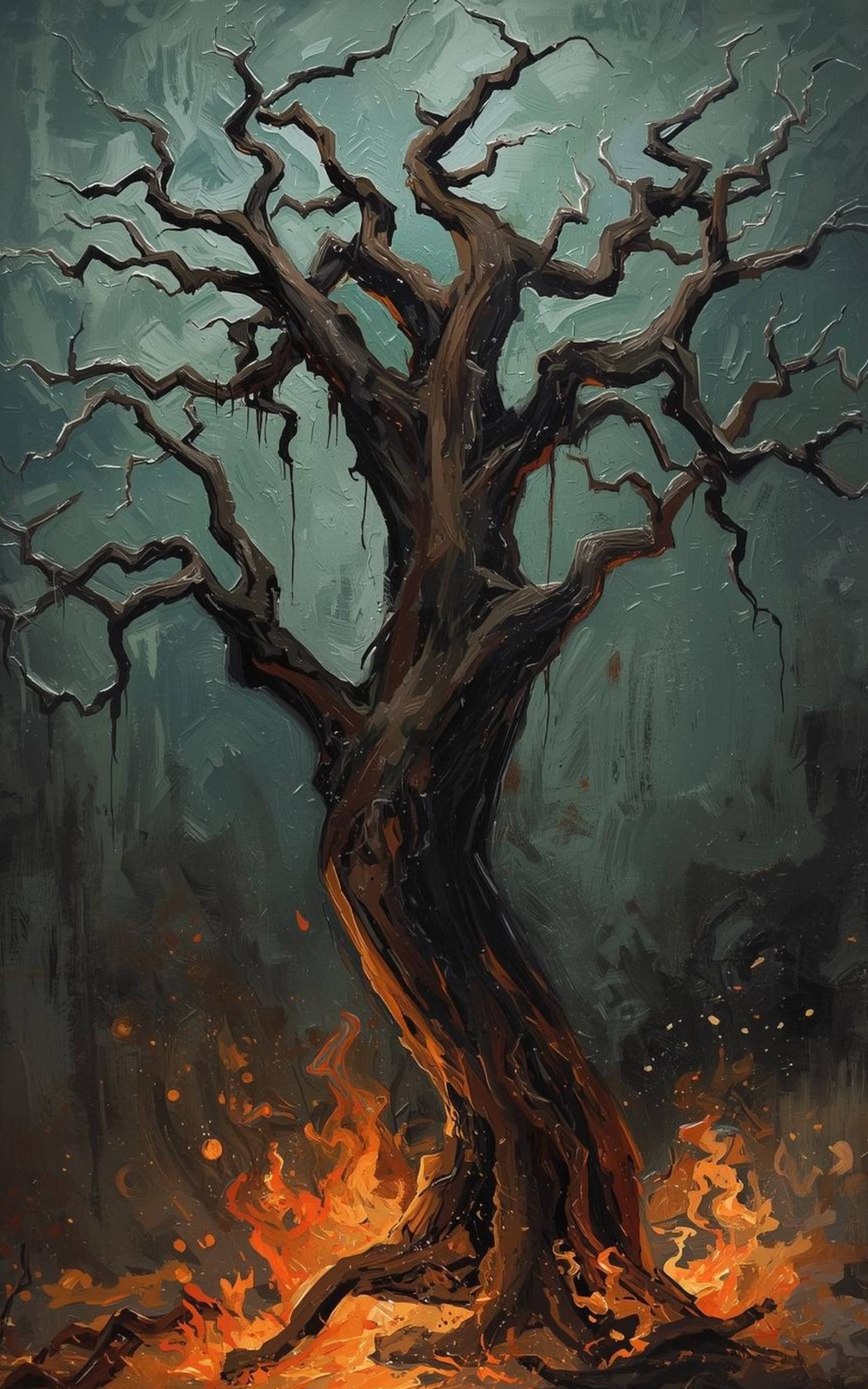
Hanging From The Family Tree
This poem explores dynamics that can emerge inside families shaped by control, denial, and inherited silence. Written in the third person, it draws on emotional realities many people recognize but struggle to name. It is not a literal account of events or specific individuals. Instead, it is an examination of how systems can distort memory, loyalty, and identity over time. It is meant to be challenging. It is meant to open space for reflection.

The Substrate Of My Heart
This poem understands love not as intensity or performance, but as the invisible structure that allows a life to stand. The Substrate of My Heart explores partnership as infrastructure—quiet, load-bearing, and enduring—where safety replaces vigilance and continuity replaces effort. It is a meditation on mature love as something that disappears into function, becoming the steady ground from which work, rest, grief, and growth are all able to unfold without fear of collapse.
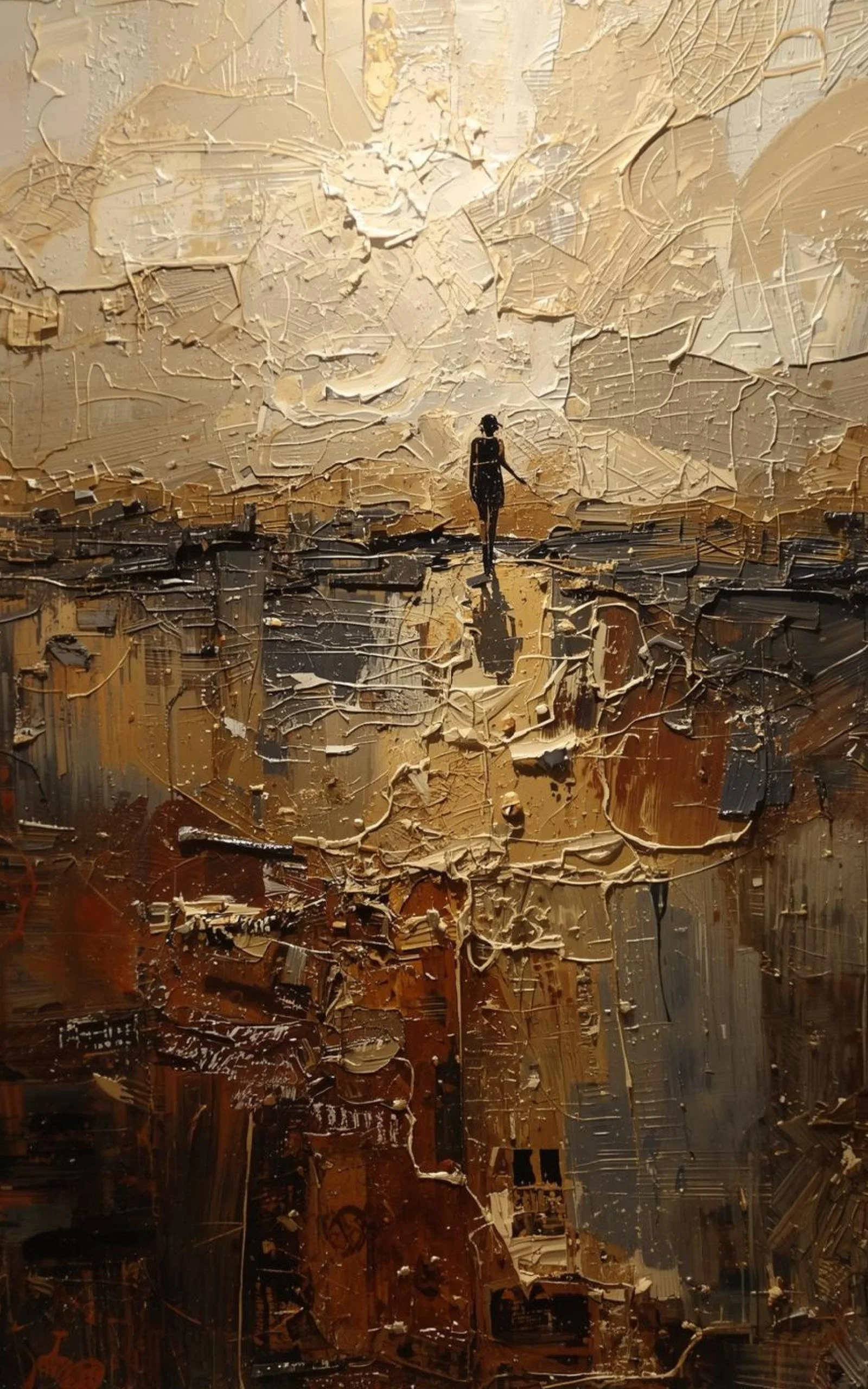
Looking At The Past To Trust The Future
This poem reflects on the quiet wisdom that emerges with time—the understanding that what once felt like loss can later reveal itself as redirection. Looking at the Past to Trust the Future explores how our early certainties are shaped by limited experience, and how the futures we once mourned might have constrained the lives we were meant to grow into. It is an offering of trust grounded not in optimism, but in evidence: the recognition that what did not work often made room for deeper love, wider worlds, and versions of ourselves that required distance, movement, and better care to exist at all.

I Am Snow So I Will Fall
This poem embraces identity as inevitability rather than effort, offering permission to stop resisting one’s own nature. I Am Snow, So I Will Fall is about letting oneself move as they are meant to move—soft, quiet, and transformative without force. It reframes falling not as failure, but as fulfilment: a trust in season, gravity, and the truth that becoming fully oneself often begins with surrender rather than striving.
I Have Spent All My Yeses (And None of Them on Myself)
This poem is a reckoning with the quiet exhaustion that comes from a lifetime of overconsent—of saying yes as a reflex rather than a choice. I Have Spent All My Yeses (And None of Them on Myself) explores how agreement becomes a form of labour, how generosity can be drained of selfhood when it is never reciprocated. It speaks to the moment of recognition when care must be reclaimed, and when learning to say no becomes the first honest yes to one’s own life.
This Is The Period
This poem marks a definitive ending—the moment of stepping off a cycle that was never chosen but long endured. This Is the Period speaks to the experience of leaving something that functioned like slow erasure, a familiar swamp that confused survival with belonging and decay with home. It is a collective exhale for anyone who has exited a place that kept them tethered to harm, and a declaration of forward motion: clean, unencumbered, and finally free to become who they are without obstruction.
This Body Is A Betrayal
This poem confronts the lived reality of chronic illness not as a battle to be won, but as an ongoing, intimate negotiation with a body that no longer feels trustworthy. This Body Is a Betrayal gives voice to the grief, exhaustion, and fractured sense of safety that come from living inside pain that originates from within. It is not a rejection of the body, but an honest reckoning with the strain of staying—of choosing life, presence, and persistence even when comfort is no longer guaranteed.
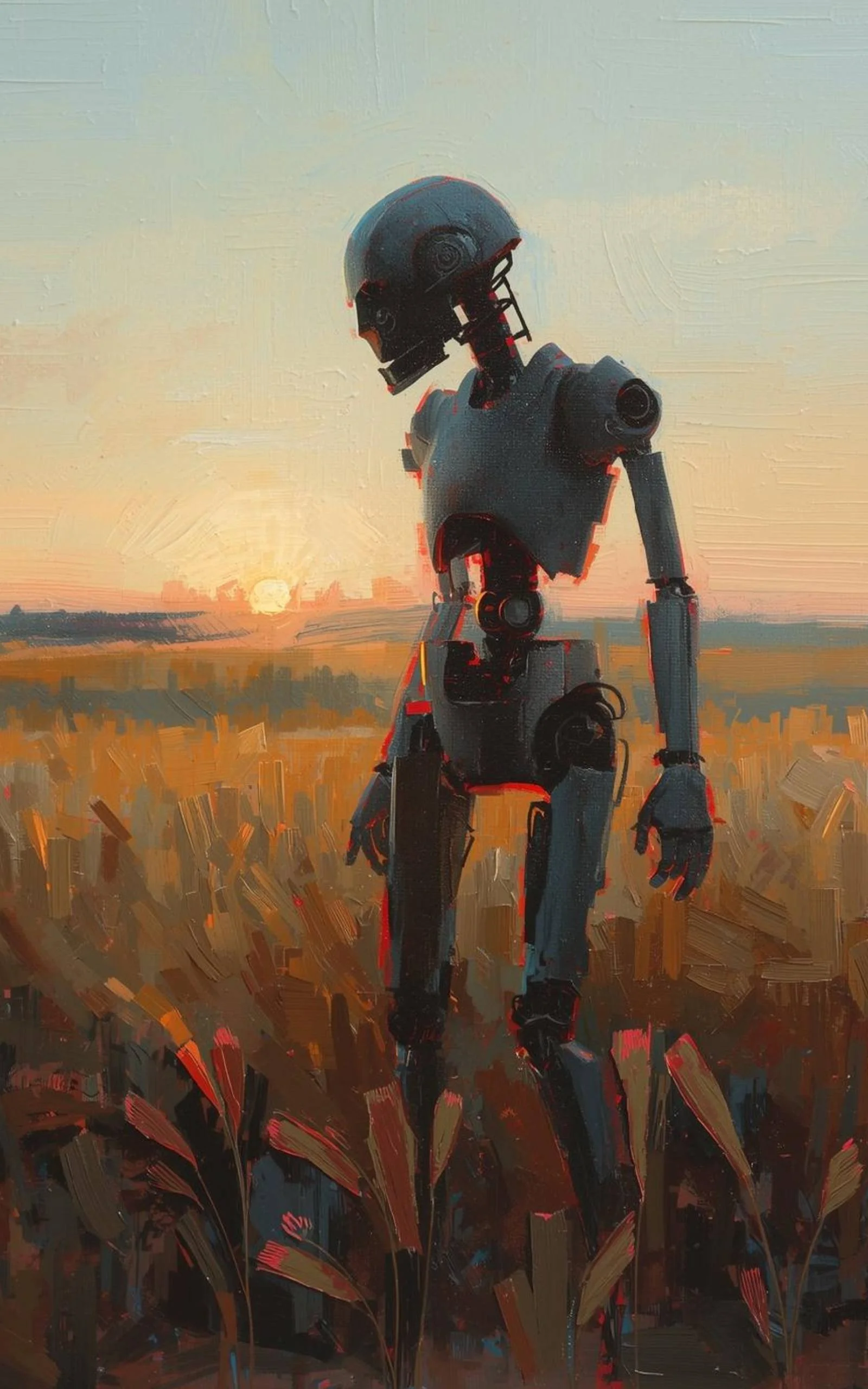
I’m Done Feeding the Machine
This poem is a declaration of withdrawal rather than confrontation—a refusal to continue supplying attention to systems that thrive on reaction rather than resolution. I’m Done Feeding the Machine explores the quiet power of disengagement, framing attention as labour and silence as strategy. It speaks to the moment of clarity when participation is no longer mistaken for impact, and when reclaiming one’s energy becomes an act of self-preservation rather than avoidance.
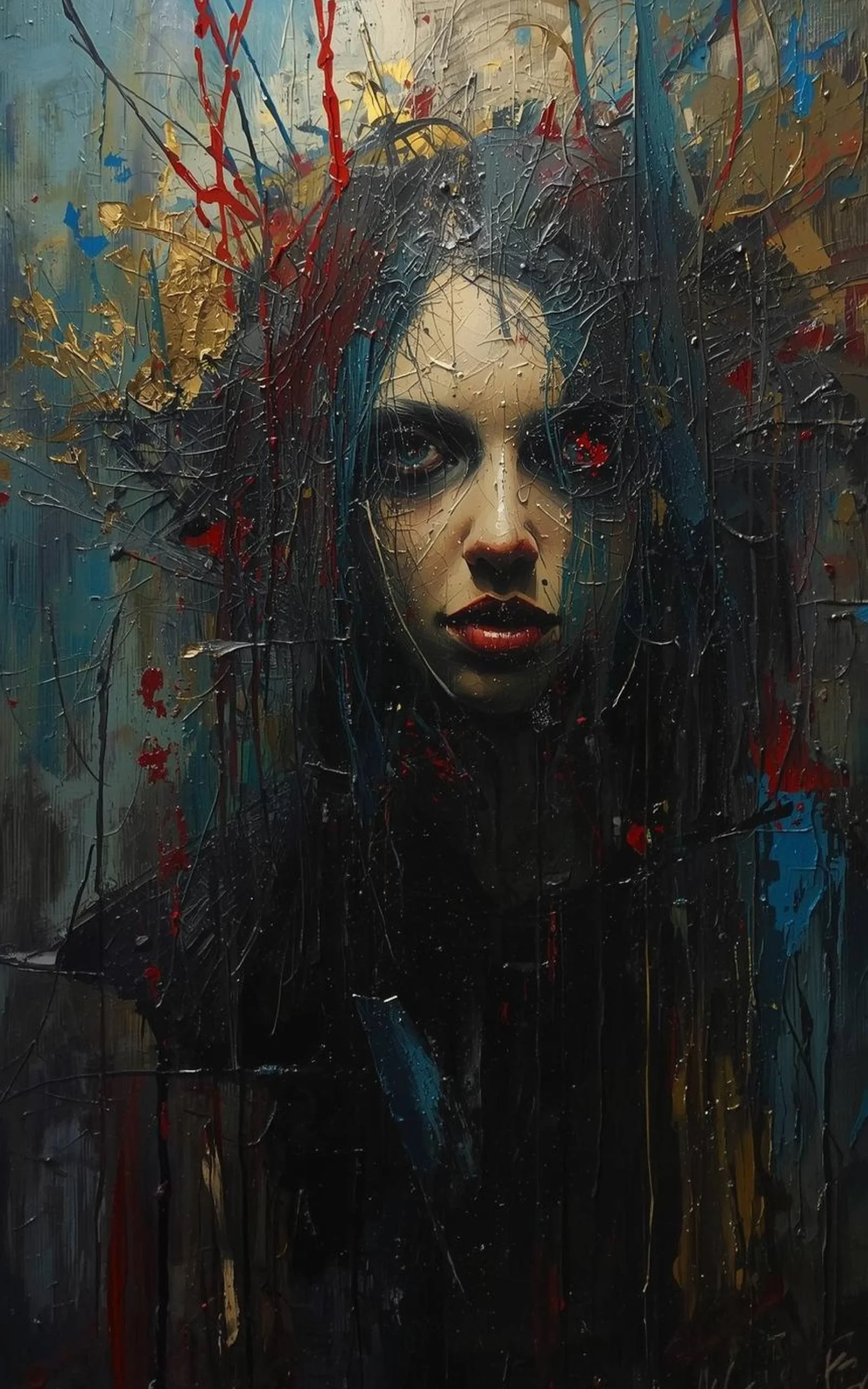
Everyone Is Toxic
This poem challenges the impulse to sort people into simple categories of healthy and toxic, good and bad, inviting a more honest reckoning with shared imperfection. Everyone Is Toxic explores the idea that harm often emerges not from malice, but from unexamined wounds and outdated survival strategies. Without excusing harm or dismissing the need for accountability and boundaries, the poem argues for curiosity over condemnation—and for the radical possibility that compassion and responsibility can coexist in the difficult, ongoing work of being human together.
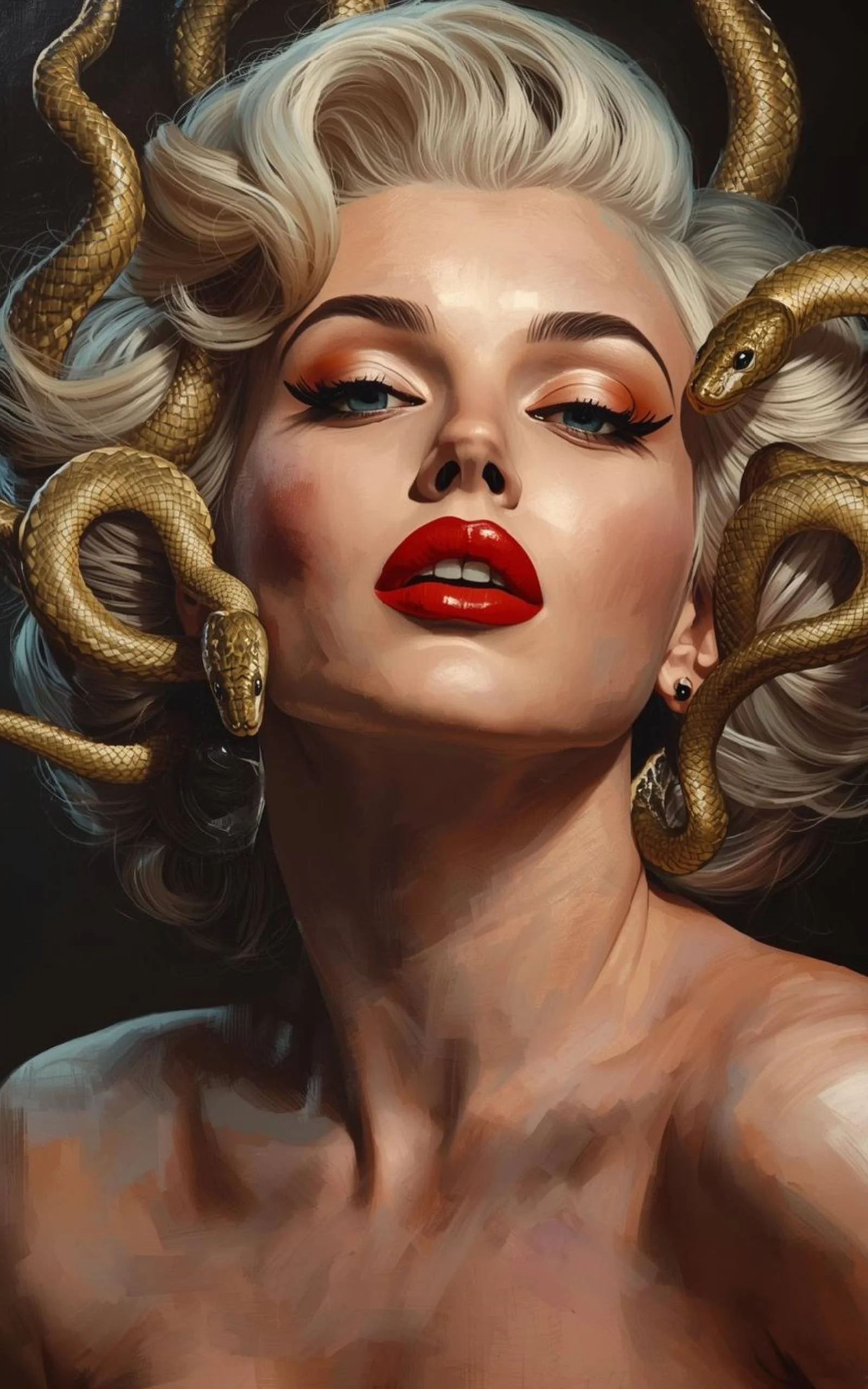
Just a Little More Medusa Than Marilyn Monroe
This poem interrogates the narrow scripts of femininity that reward women for being beautiful, compliant, and consumable, while punishing them for being changed by experience. Just a Little More Medusa Than Marilyn Monroe uses myth and iconography to contrast ornamental softness with earned power, asking what happens when a woman refuses to remain harmless for the comfort of others. It is a meditation on survival, anger as intelligence, and the radical act of choosing presence over palatability in a world that prefers women admired rather than fully alive.

The Great Adventure Of Being Me
This poem is an act of consent—to presence, to authorship, and to the ongoing work of becoming oneself without apology. Inspired by Simone de Beauvoir’s words, The Great Adventure of Being Me reframes identity not as a fixed destination, but as a lived, evolving commitment. It speaks to the courage required to remain intact in a world that often rewards self-erasure, and to the quiet radicalism of choosing curiosity, agency, and fidelity to one’s own unfolding over inherited scripts or borrowed expectations.

Becoming Was Never The Failure
This poem reframes the idea of unrealized potential, rejecting the notion that survival is a lesser outcome than becoming. Becoming Was Never the Failure speaks to the truth that many people did not fall short of who they could have been—they became exactly who their circumstances required in order to endure. It honours adaptation as intelligence rather than deficiency, and marks the quiet, powerful moment when survival gives way to choice. This is a poem about self-compassion, reclamation, and the rare grace of discovering that growth is still possible once safety is no longer in question.

How Much Of Me Is Compensation?
This poem explores the quiet, often unexamined truth that much of what we praise as strength, resilience, and self-sufficiency is born not from abundance, but from absence. How Much of Me Is Compensation? considers the ways people adapt to what was denied them—how vigilance becomes wisdom, competence becomes survival, and endurance becomes identity. It is not an indictment of who we become in response to harm, but a tender inquiry into what those adaptations cost, and who we might have been if resilience had not been a prerequisite for existing at all.
Poetry by Britt Wolfe
I publish a new poem every Sunday. Sometimes they're tender. Sometimes they're rage in a nice outfit. All of them are my attempt to make sense of the human experience using metaphors, emotionally charged line breaks, and what I choose to believe are perfectly reasonable coping mechanisms.
A quick note before we go any further: these poems are works of fiction. They may borrow from emotions, observations, memories, questions, or passing moments that refuse to leave me alone, but they are not diary entries. Poetry lives somewhere between truth and imagination, and I'm far more interested in emotional honesty than factual accuracy. Sometimes a poem begins with a feeling. Sometimes it begins with a sentence. Sometimes it begins because a particular image won't let me go.
Poetry, for me, isn't about answers. It's about paying attention. It's about taking the messy, beautiful, heartbreaking experience of being human and turning it into something that can be held for a moment before it slips away again.
You'll find familiar themes wandering through these pages: love, grief, hope, identity, healing, joy, heartbreak, and the strange ways we survive one another. Some poems will whisper, "Hey... you okay?" Others will arrive carrying a crowbar and a strong opinion. I make no promises about which version you'll get.
Think of these poems as an ongoing conversation—one I'm continually having with the world, with myself, and occasionally with whatever part of us still believes words can help.
Thanks for being here.
This poem marks a deliberate turning point: not self-love declared prematurely, but self-harm consciously ended. Ceasefire frames acceptance as a strategic decision rather than an emotional breakthrough—an agreement to stop treating the self as an enemy while acknowledging that affection may come later. It holds optimism without erasing damage, offering a vision of peace that is tentative, earned, and quietly radical: the permission to exist, unfinished, without continuing the war.