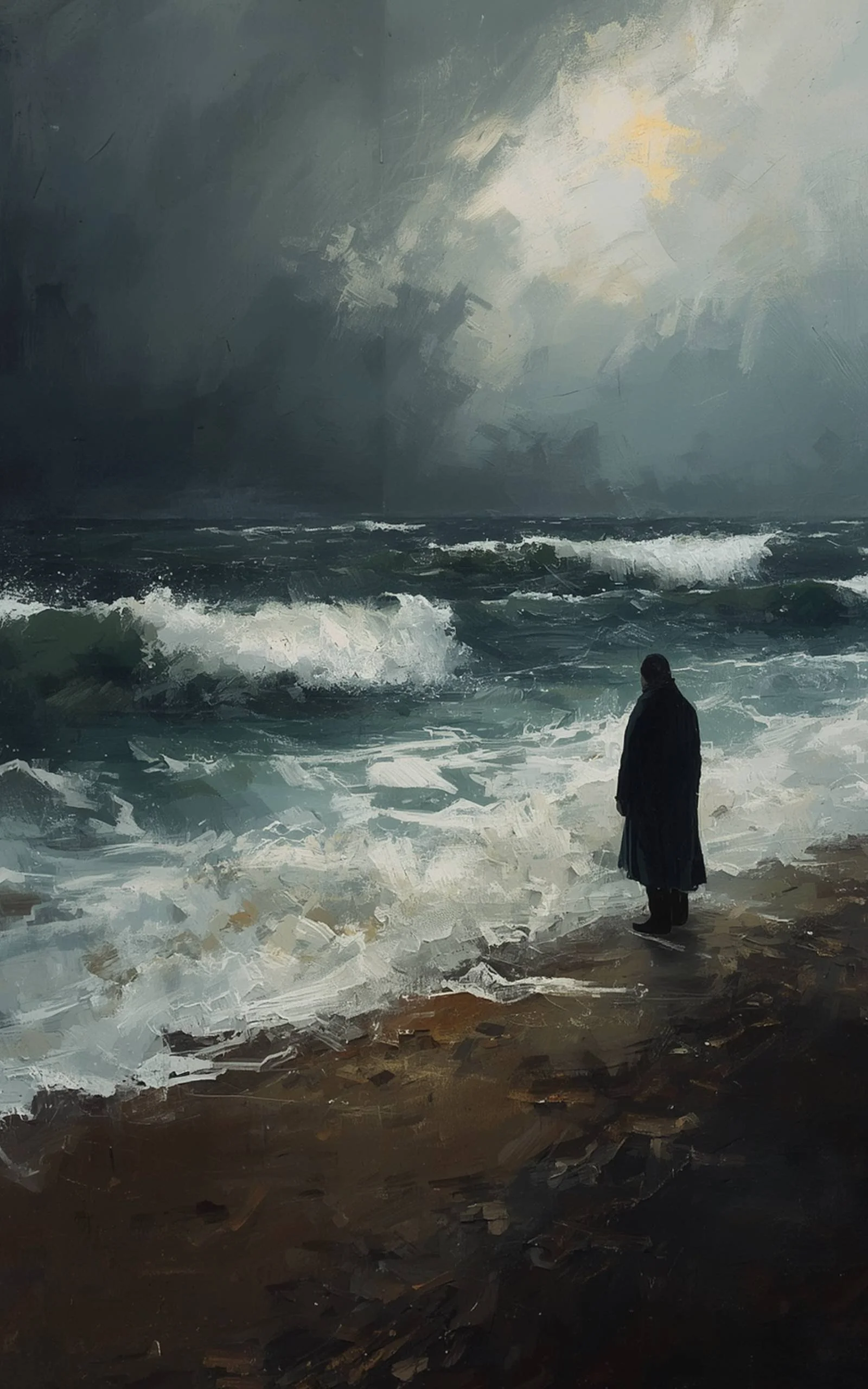
This Old House: Chapter Fourteen
It did not happen suddenly.
Nothing here did.
The youngest had been leaving
for a long time.
Not in body—
not yet.
But in the way she moved
through the house.
Less lingering.
Less waiting.
Her footsteps
no longer paused
in doorways
as if hoping
something might meet her there.
She had learned
what would not.
Time had taught her
what love could not change.
Still—
she stayed.
For a while.
That is what children do
when there is something left
to hold onto.
Even when it is barely there.
She continued
her small acts of repair.
The quiet tending
of a place
that no longer responded
to care
in the way it once had.
Dishes washed.
Surfaces cleared.
Windows opened
when she could convince herself
it mattered.
Sometimes—
the mother followed.
A step behind.
A motion
that echoed
what had been shown to her.
But it never held.
The effort
fell away
as quickly
as it formed.
Like something
too heavy
to sustain
for long.
The youngest saw that.
Of course she did.
She saw everything now.
Not as questions.
As answers.
That is how it changes.
There is a moment
when hoping
becomes knowing.
When waiting
becomes choosing.
It came quietly.
A day
no different
from the others.
Morning arriving
without urgency.
Light touching
the same unmoved surfaces.
The air
still holding
what had not been cleared
from the night before.
She stood
in the centre of it.
Not lost.
Not uncertain.
Still.
As if measuring
the space
for the last time.
There was no packing.
Not in the way
others had done it.
No gathering
of everything that mattered.
Because she understood
what could be carried
and what could not.
A bag.
Small.
Enough.
She moved
through the rooms
once more.
Not searching.
Not remembering.
Just…
seeing.
The table
where hands no longer met.
The sofa
that held more silence
than rest.
The door
that remained closed.
Always closed.
She did not open it.
Some things
are left untouched
not out of fear—
but out of understanding.
That there is nothing
on the other side
that can be returned to.
She paused
at the threshold.
The same place
she had stood
so many times before.
Looking back.
But this time—
she did not wait.
She stepped outside.
The door closed
behind her.
Not gently.
Not harshly.
Simply—
closed.
The sound
moved through the house
without resistance.
Settled
into the space
as it always had.
But this time—
there was nothing
to meet it.
No movement
to follow.
No voice
to call her back.
The house remained.
Of course it did.
Walls do not leave.
Structures do not choose.
They hold.
Even when there is nothing
left
to hold.
The mother—
she did not come
to the door.
Did not call out.
Did not move
from where she had been
set down
by a life
she no longer followed.
She remained.
As she had learned
to do.
The youngest did not return.
Not that day.
Not the next.
Not in any way
that restored
what had been.
The house learned
a new quiet.
Not the waiting kind.
Not the kind
that anticipates
the return of sound.
This was different.
Complete.
Final
in a way that did not need
to be announced.
Rooms settled
into stillness.
Air unmoving.
Time passing
without interruption
and without witness.
I held it.
The absence
of everything
that had once filled this place.
The echo
of lives
that had moved through it
as if they would always remain.
And I understood—
more clearly now
than ever before—
that holding
is not the same
as keeping.
That a place
can carry
everything
that has ever happened within it—
and still
be empty.
Keep My Words Alive
If this poem has stayed with you, you can help keep my words alive. Every bit of support helps carry the stories forward.
WHERE WORDS MEET MORNING LIGHT
BEGIN EACH DAY WITH SOMETHING BEAUTIFUL
Every morning at 11:11AM, I send a poem — sometimes soft, sometimes devastating, always true.
💚 Subscribe now to read and breathe and feel along with me 💚
Poetry by Britt Wolfe:

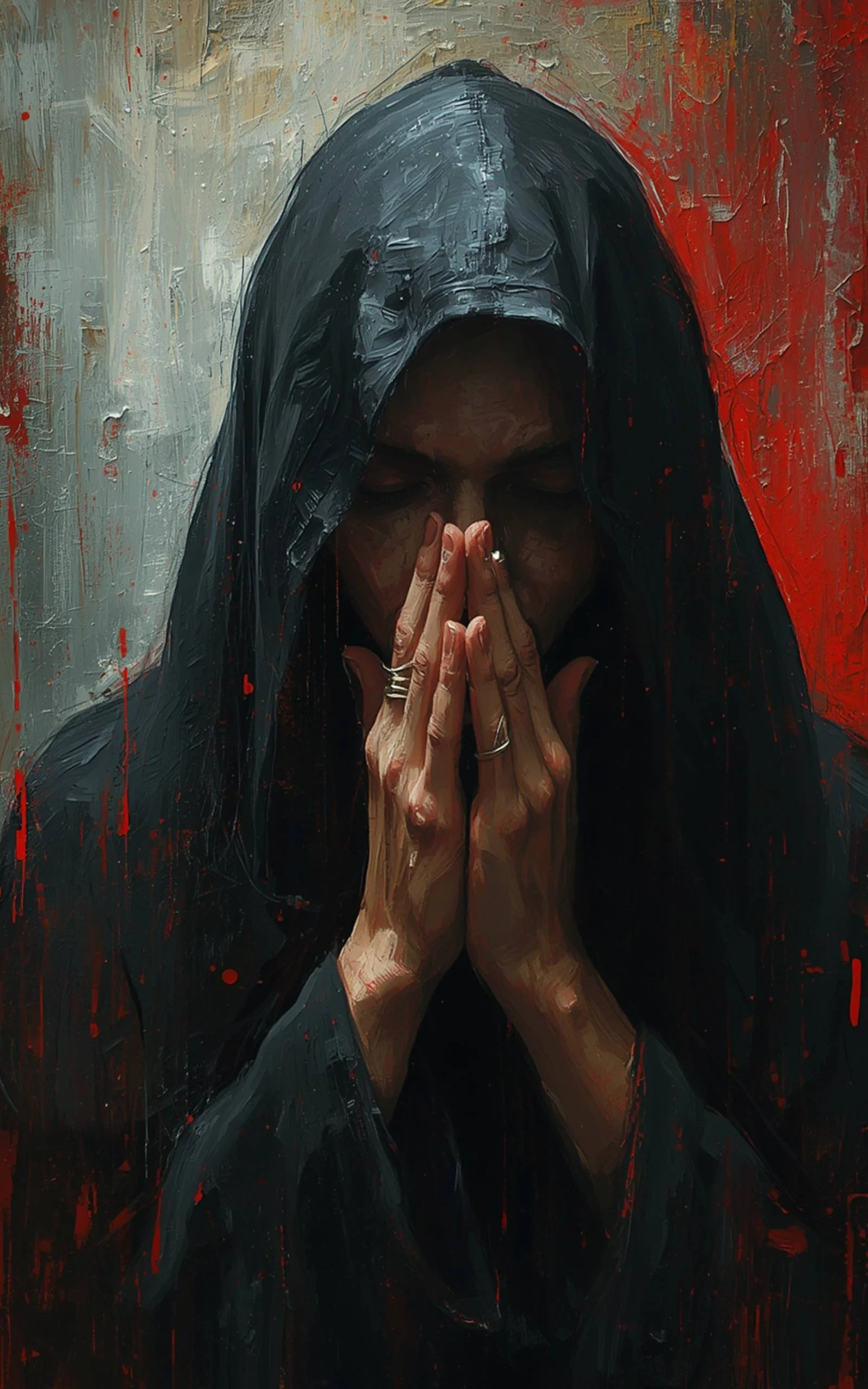
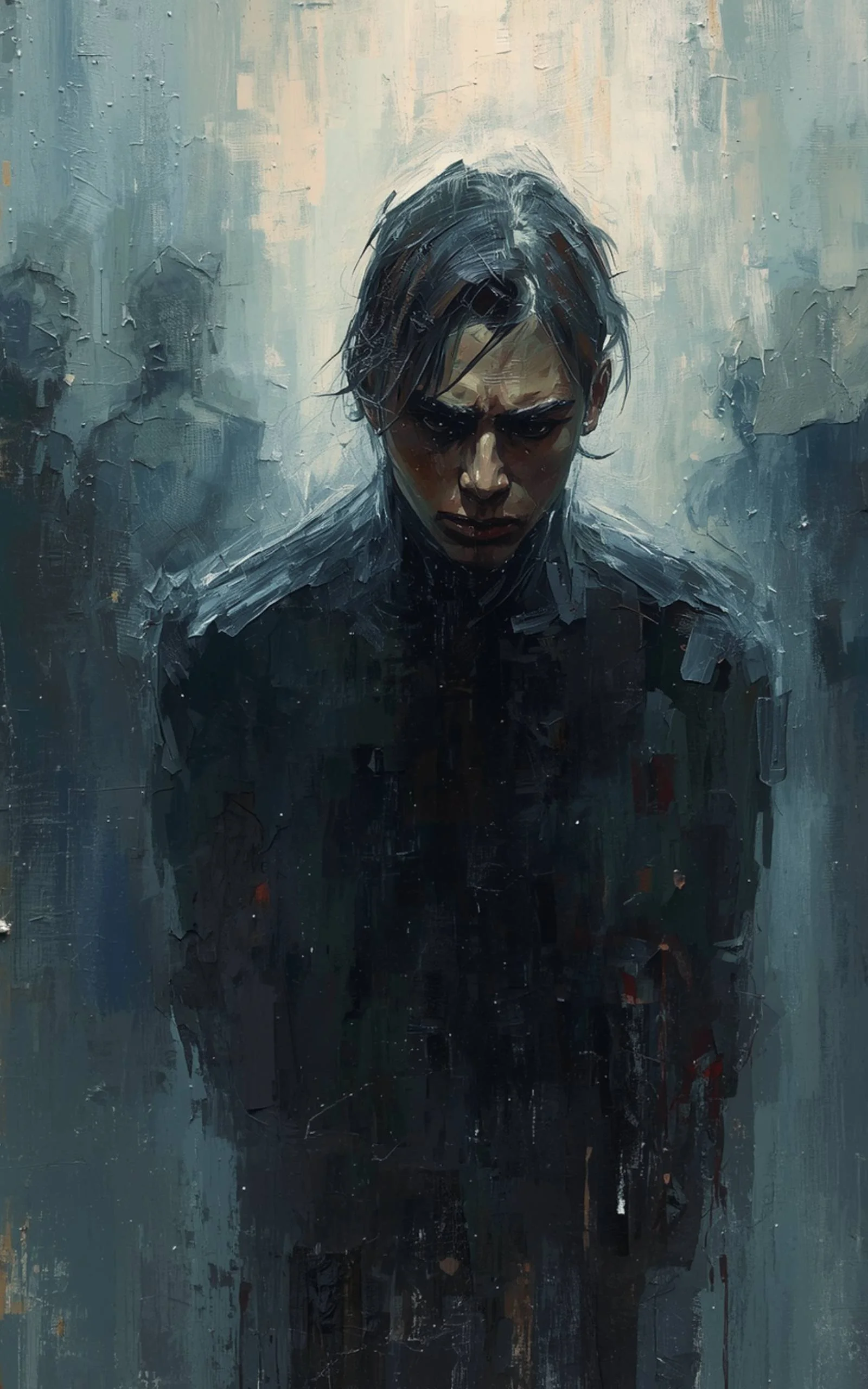
This chapter captures the final, quiet severing—the moment when what remained can no longer be held together. This Old House: Chapter Fourteen follows the youngest daughter as she reaches the point where staying is no longer an act of love, but a slow undoing of herself. Through the beam’s steady perspective, we witness the subtle shift from waiting to choosing, as she moves through the house one last time, recognizing what cannot be carried forward. It is a meditation on the kind of leaving that comes without conflict or closure, and on the profound stillness that follows when the last living thread finally lets go. 💚
This chapter lingers in the quiet, devastating space where life continues but no longer feels lived. This Old House: Chapter Thirteen traces the slow, almost imperceptible decline of someone who remains physically present while steadily receding from the world around them. Through the beam’s steady perspective, we witness how time loses its structure, how care fades into repetition, and how a home begins to mirror the stillness it contains. It is not a story of collapse, but of erosion—the kind that happens quietly, without announcement, until what once filled a space is no longer there in any meaningful way. 💚
This chapter explores the quiet aftermath of separation, where what remains must learn to exist in a space that has grown too large for it. This Old House: Chapter Twelve traces the subtle but profound shifts that follow departure—not through dramatic collapse, but through the slow thinning of presence, routine, and care. Through the beam’s perspective, we witness how absence accumulates in small, tangible ways, and how those left behind begin to change in response. It is a meditation on the weight of emptiness, the burden placed on those who try to hold what cannot be held, and the quiet ways people begin to disappear without ever leaving. 💚
This chapter marks the moment where what has been quietly unraveling can no longer be contained within silence. This Old House: Chapter Eleven brings the fracture into view, not through confrontation, but through distance—the kind that settles in slowly and becomes impossible to ignore. Through the beam’s steady perspective, we witness a family reshaping itself without ever fully acknowledging what is being lost. It is a study in absence made visible, where departure happens without ceremony, and what remains must learn to exist in a space that no longer holds what it once did. 💚
This chapter explores what happens after the moment of loss—when nothing resolves, and life continues in a shape it was never meant to hold. This Old House: Chapter Ten traces the slow, quiet erosion of a family as absence begins to press into every corner of their lives. Through the beam’s perspective, we witness how routines falter, connections strain, and the house itself starts to mirror what is unfolding within it. There is no single breaking point, only a steady unravelling, where what once felt solid becomes fragile, and everything begins to shift around the space that cannot be filled. 💚
This chapter is the quiet breaking point of the story—the moment where nothing visible happens, and yet everything changes. This Old House: Chapter Nine captures the shape of absence as it forms, not through event or explanation, but through the slow, unsettling realization that someone is no longer there. Through the beam’s steady perspective, we witness how loss first appears: as a delay, a question, a space that cannot be accounted for. It is not an ending, but an opening—one that will remain unresolved, reshaping everything that follows as the house and those within it begin to move around what cannot be filled. 💚
This chapter marks the first quiet fracture within something that once felt whole. This Old House: Chapter Eight turns its focus to the eldest daughter, tracing the subtle, almost imperceptible shifts that signal change long before anything is spoken aloud. Through the beam’s watchful perspective, we sense the tension building beneath the surface—the altered rhythms, the unspoken questions, the growing distance that cannot yet be named. Nothing has broken, not yet, but something has undeniably moved. It is a meditation on the moments that go unnoticed in real time, the beginnings of change that only reveal their weight in hindsight, when it is already too late to hold things as they were. 💚
This chapter deepens the heart of the story, as the house transforms from a place of quiet endurance into a living, breathing home. This Old House: Chapter Seven captures the beauty of ordinary life—the rhythms, routines, and small, unremarkable moments that quietly build something lasting. Through the beam’s perspective, we witness the slow formation of connection, not just between the family, but within the space itself, as it begins to hold something it has never known in quite this way. It is here that observation becomes attachment, and the act of holding shifts from obligation to something closer to meaning. 💚
This chapter marks a quiet but profound turning point, as something unfamiliar enters the house for the first time in years—gentleness. This Old House: Chapter Six introduces a family not through disruption, but through care, intention, and the slow, deliberate act of building a life within the space. Through the beam’s perspective, we feel the shift from endurance to awareness, as it begins to recognize a kind of presence that does not take, but gives. It is here that something long closed begins to open—tentatively, cautiously—as the house is filled not just with people, but with the fragile beginnings of something that might, at last, resemble belonging. 💚
This chapter captures the quiet transformation of a place being reshaped—where change is not an ending, but a layering over what came before. This Old House: Chapter Five explores the illusion of renewal, the careful ways in which spaces are stripped, softened, and reimagined without ever truly releasing their past. Through the beam’s steady perspective, we witness the house being altered into something more palatable, more acceptable, while everything it has held remains just beneath the surface. It is a meditation on time as erosion rather than disappearance, and on the truth that what is covered is not the same as what is gone. 💚
This chapter marks a shift in both atmosphere and awareness, as the house takes on a quieter, more intimate kind of life—one shaped by secrecy, restraint, and unspoken exchanges. This Old House: Chapter Four explores what it means to witness not just presence, but the weight of what is taken, hidden, and endured within closed doors. Through the beam’s perspective, the tone deepens into something more uneasy, more observant, as it begins to recognize the difference between lives lived freely and lives lived under quiet constraint. It is here that observation sharpens into understanding, and the act of holding becomes something more complicated—no longer neutral, but marked by everything the house is forced to carry. 💚
This chapter marks the moment where transformation becomes permanence—where something once living is fixed into place and made to carry lives it does not belong to. This Old House: Chapter Three introduces the house itself and the first of many occupants, expanding the story beyond the self and into the quiet, relentless act of witnessing. Through the beam’s perspective, we begin to understand the weight of holding without being seen, of supporting lives that move loudly and carelessly above and below it. It is here that observation sharpens into awareness, and the first traces of something deeper begin to take root—not just endurance, but the slow, steady becoming of a witness who will remember everything. 💚
This opening chapter lays the foundation for a story told across This chapter moves from belief into breaking—tracing the brutal transformation from something whole into something used. This Old House: Chapter Two explores the loss of identity that comes not just from being taken, but from being divided, reshaped, and repurposed without regard for what once was. Through the tree’s voice, we feel the disorientation of becoming pieces that still remember being one, and the quiet, unsettling realization that purpose can be imposed rather than chosen. It is here, in the aftermath of that understanding, that something new begins to form—not grief, not yet, but the earliest edge of something harder, something that will endure. 💚
This opening chapter lays the foundation for a story told across time, memory, and transformation. This Old House: Chapter One introduces a voice that begins in quiet devotion—rooted in belief, in purpose, in the inherited certainty that becoming something “greater” is the ultimate calling. Through the eyes of the tree, we witness the fragile nature of that belief as it collides with a harsher reality, where purpose is not honoured, but taken. This poem sets the tone for the series to come: a long, watchful journey through what is built, what is broken, and what remains to bear witness long after everything else has changed. 💚
This poem traces the slow, devastating unravelling of a home—not through spectacle, but through the quiet, accumulating moments that precede collapse. Crater explores how something once full of warmth and life can be reduced to absence without a single visible explosion, leaving behind damage that is both invisible and permanent. At its heart, it is a story about the aftermath—about standing in the hollow left behind, recognizing what cannot be rebuilt, and choosing, with painful clarity, not to remain there. It speaks to the kind of loss that reshapes a life entirely, and to the strength it takes to walk away from the ruins instead of trying to call them home again. 💚
This poem steps back just enough to tell a deeply personal story in a way that feels both intimate and universal. By shifting the perspective, it becomes a reflection on inherited harm—the patterns that repeat when they go unexamined—and the quiet, powerful act of choosing differently. What He Couldn’t Unlearn is not concerned with assigning blame or uncovering intent; instead, it centres on the moment someone sees the fire for what it is and decides not to step into it. It is a poem about awareness, distance, and the kind of strength that doesn’t need to be loud to be life-changing—the strength to walk away and, in doing so, rewrite the ending. 💚
This poem is a quiet declaration of intention—of choosing, with purpose and care, to leave something meaningful behind. It speaks to the kind of legacy that isn’t built through recognition or applause, but through the subtle, lasting impact we have on the people we touch. Britt Was Here is about pouring yourself into your work, your words, and your relationships in a way that lingers—offering comfort, strength, and a sense of being seen long after the moment has passed. It is a reminder that even the smallest acts of kindness and creation can echo far beyond us, shaping a world that feels just a little softer, a little braver, because we were in it. 💚
Feelings Aren’t Even Real is a confrontation with the voice that lives beneath everything—the one that whispers you are not enough, that you are behind, that you will never become what you hoped. It is not a story of overcoming that voice, but of learning to move alongside it, to create in spite of it, to refuse to let something so loud and convincing dictate what gets made and what never sees the light. This piece sits in the tension between belief and defiance, asking what happens when you stop waiting to feel ready—and start anyway.
Trigger warning: This piece contains themes of childhood suicidal ideation and self-perception.
I wrote Vesuvius when I was eleven years old, at a time when I felt a quiet but persistent need to leave everything behind. Not in a loud or visible way, but in the kind of way that convinces you your absence might be a kindness. I am deeply fortunate that I no longer believe that to be true. Time, life, and perspective have shifted something fundamental in me. And still, if I am being honest, I am learning—slowly and deliberately—how to fully inhabit this life without that old instinct whispering that disappearing might be the gentlest thing I could offer the world. This poem is not a return to that belief, but a recognition of the girl who held it, and the woman who chose to stay.
This poem sits in the quiet, often unspoken space between perception and truth—the place where effort is rewritten as ease, and discipline is dismissed as chance. Unlucky explores the subtle arrogance of those who stand at a distance and reduce another’s becoming to something accidental, something they were simply denied. It is a reflection on what it means to be seen incorrectly, to have your work diminished into something convenient for others to believe—and the quiet, unshakeable power of knowing the truth of what it took to become who you are.💚
There are moments in life we can never return to—places, people, and versions of ourselves that no longer exist in the same way, if at all. But It Was Ours sits in that quiet space between loss and meaning, where what is gone is not undone. This piece reflects on the enduring weight of lived experience—the simple, profound truth that something does not need to last forever to have mattered completely. It is a meditation on memory, belonging, and the quiet, unshakeable proof that for a time, we were there—and that it was real. 💚
This poem sits in the quiet devastation of memory—the place where nothing is physically present, and yet everything still exists. It explores the haunting reality that there are people, places, and versions of ourselves that continue on in memory, untouched and unchanged, while we are forced to move forward without them. There is no resolution here, no comfort offered—only the slow, aching recognition that some things are not lost in a single moment, but fade until they exist nowhere else but in the mind, waiting for us to remember them. 💚
This poem challenges the idea that survival is an individual pursuit, drawing from the quiet, undeniable intelligence of forests. Beneath the surface, trees exist in systems of connection, exchange, and interdependence—not out of kindness, but because it is the most effective way to endure. In contrast, we have built a world that rewards separation, accumulation, and dominance, even when those instincts lead to collapse. This piece is not about ideology—it’s about reality. About what it actually takes to survive, and the uncomfortable truth that nature has already figured out what we continue to resist. 💚
This poem is about the quiet, unwavering promise of partnership—the kind that isn’t built on certainty, but on commitment. It acknowledges that life will bring both beauty and hardship, often without warning, and that not everything can be controlled or prevented. But within that uncertainty, there is something steady: the choice to face it all together. This is about standing side by side through whatever comes, not because it will be easy, but because you’ve decided you will handle it—together, no matter what. 💚
This poem is about the family we choose—and the quiet, powerful truth that love given freely will always mean more than love demanded by blood. It reflects the shift from obligation to devotion, from enduring connection to embracing it, and the profound sense of belonging that comes from being seen, accepted, and held exactly as you are. This is a celebration of the people who found me, who chose me, and who have poured something real and life-giving into my world—something deeper than where I came from. 💚
This poem is about what comes after the damage—when nothing is clean or resolved, and healing isn’t a destination but a lifelong commitment. It’s about the unfairness of having to carry what you didn’t choose, and the quiet, relentless work of choosing who you want to be anyway. Even when it’s exhausting. Even when it feels like you’re losing. This is a promise to keep going—not because it’s easy, but because there is too much at stake not to. 💚
This poem is about the quiet, relentless erosion of something I once believed was unshakeable. Not the kind of loss that arrives all at once, loud and undeniable—but the kind that happens slowly, over years, through small moments that wear you down without ever fully breaking you. It reflects what it feels like to fight to remain soft in a world that rewards sharpness, and the fear that comes when you begin to feel yourself changing anyway. Not because you want to, but because something in you is tired of being the one that bends. 💚
This piece explores a quieter, more disorienting kind of harm—the kind that comes from proximity you never chose. It is about being shaped by someone who was simply there, embedded into your life without invitation, and the long, complicated process of disentangling from something that was never yours to carry. Even after distance is created, the imprint remains—subtle, persistent, and often unfair in its endurance. This poem sits in that tension: the relief of leaving, the reality of what lingers, and the truth that not all connections are chosen, but their aftermath is still ours to reckon with. 💚
This piece sits inside the anger that follows harm—not the kind that explodes outward, but the kind that lives beneath the surface, constant and uninvited. It is about the dissonance of becoming someone you were never meant to be, carrying a heat that does not feel like your own, and the quiet, exhausting work of holding it without letting it take over. There is an understanding here that the fire will not burn this brightly forever—but that knowledge does not lessen the reality of what it feels like to live with it now. This is what it means to contain something you never chose to carry. 🔥
Britt Wolfe writes emotionally devastating fiction with the precision of a heart surgeon and the recklessness of someone who definitely shouldn’t be trusted with sharp objects. Her stories explore love, loss, and the complicated mess of being human. If you enjoy books that punch you in the feelings and then politely offer you a Band-Aid, you’re in the right place.
This final chapter brings the story to a quiet, definitive close, not through resolution, but through continuation. This Old House: Chapter Fifteen returns the house to life, as new occupants arrive unaware of all that has come before, filling the space with their own rhythms, voices, and beginnings. Through the beam’s perspective, we are reminded that while lives pass through a place and eventually move on, something deeper remains—held, remembered, and unchanged beneath it all. As the concluding poem in this series, it offers a steady, unflinching truth: that life does not pause for what was lost, that new stories are built upon the remnants of old ones, and that what endures is not permanence, but the quiet act of bearing witness. 💚