Featured Poetry:













Why I Write To You Every Sunday…
Every Sunday, I publish a new poem—sometimes soft, sometimes sharp, always true to the feeling that inspired it.
When you subscribe, that week's poem arrives in your inbox at 11:11 AM, along with something I share nowhere else: a private reflection on where the poem came from, what inspired it, what I was exploring, or the thoughts lingering quietly beneath the words.
No scrolling. No noise. No algorithms competing for your attention. Just poetry, delivered on purpose, waiting patiently for you to meet it when you're ready.
And if you'd like to linger a little longer, I'd love to meet you there.
A gentle note, offered with love: these poems are works of fiction. They are not diaries, confessions, or evidence. They are emotions trying on language. Metaphors reaching for meaning. Moments becoming something else in the translation. If you recognise yourself in them… well. That’s between you and the poem.

There Can Be Brighter Days
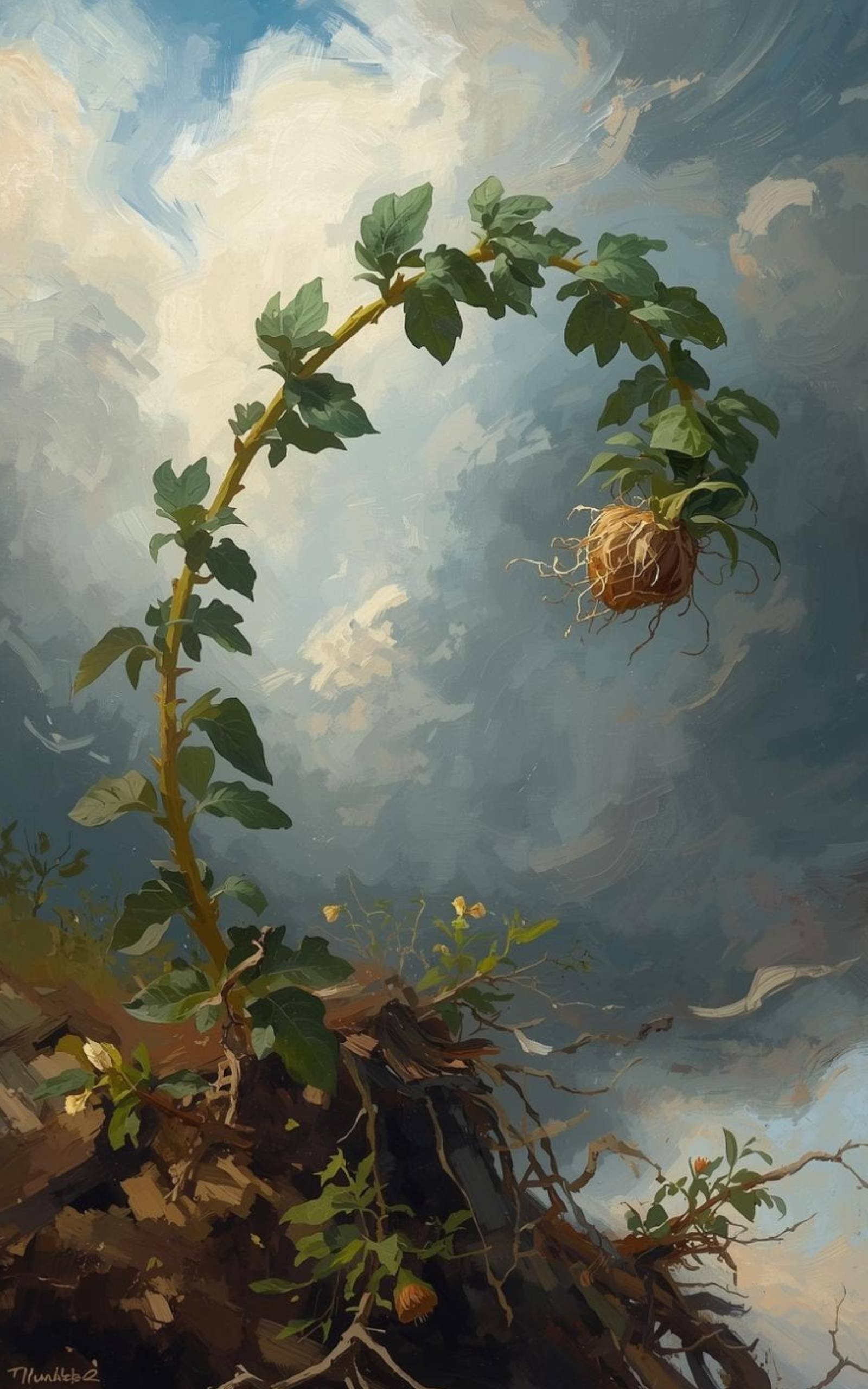
There Can Be Brighter Days is not a promise—it’s a quiet offering of possibility. It lives in the reality of long, uneven healing, where progress is rarely visible and hope doesn’t arrive on command. This poem doesn’t rush past the weight of addiction, instability, or the lingering echoes of survival. Instead, it stays with them, acknowledging how heavy and persistent they can be, while gently making space for something else to exist alongside them. Not certainty, not transformation—but the subtle, often unnoticed moments where things begin, almost imperceptibly, to shift.💚
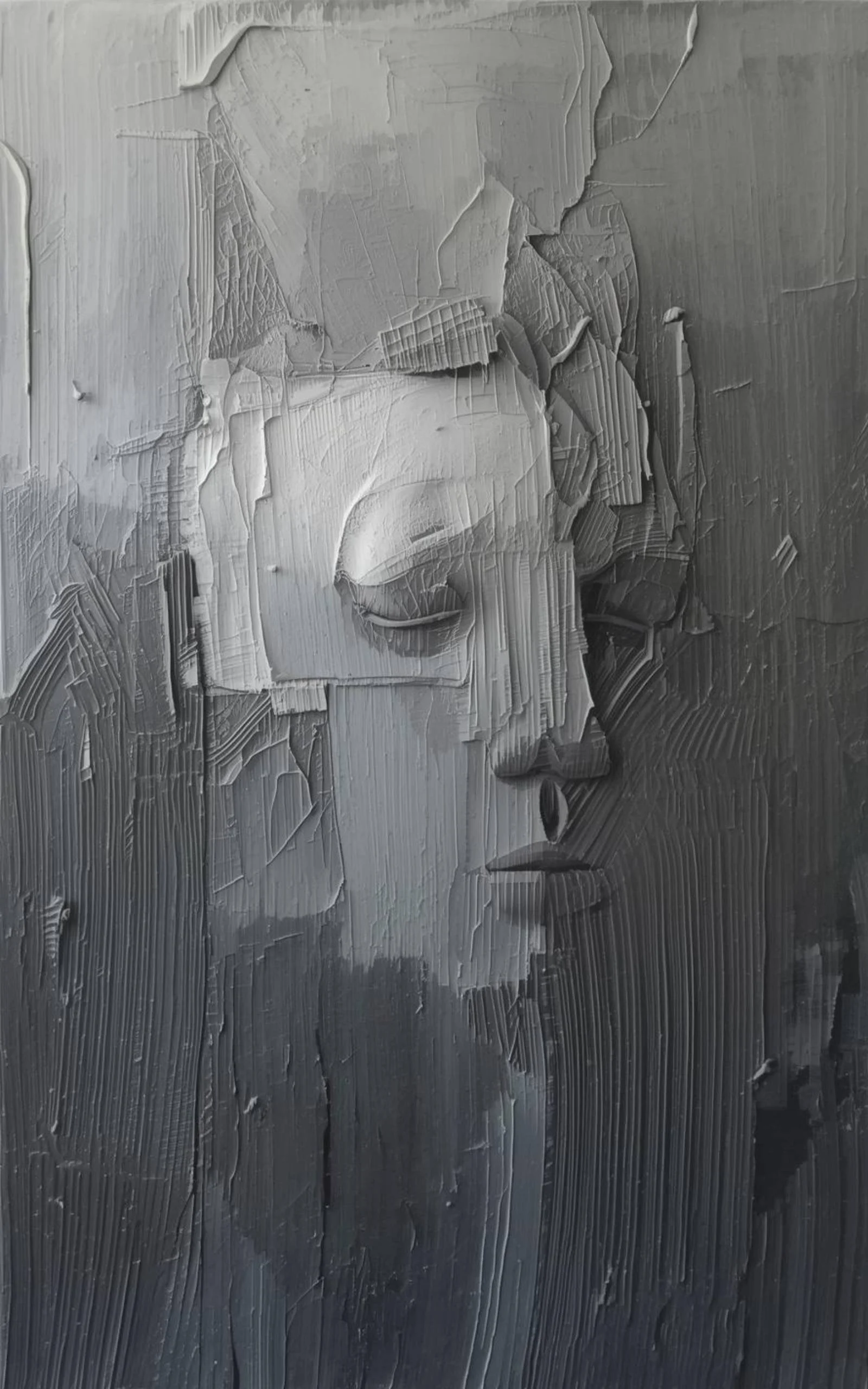
Grey
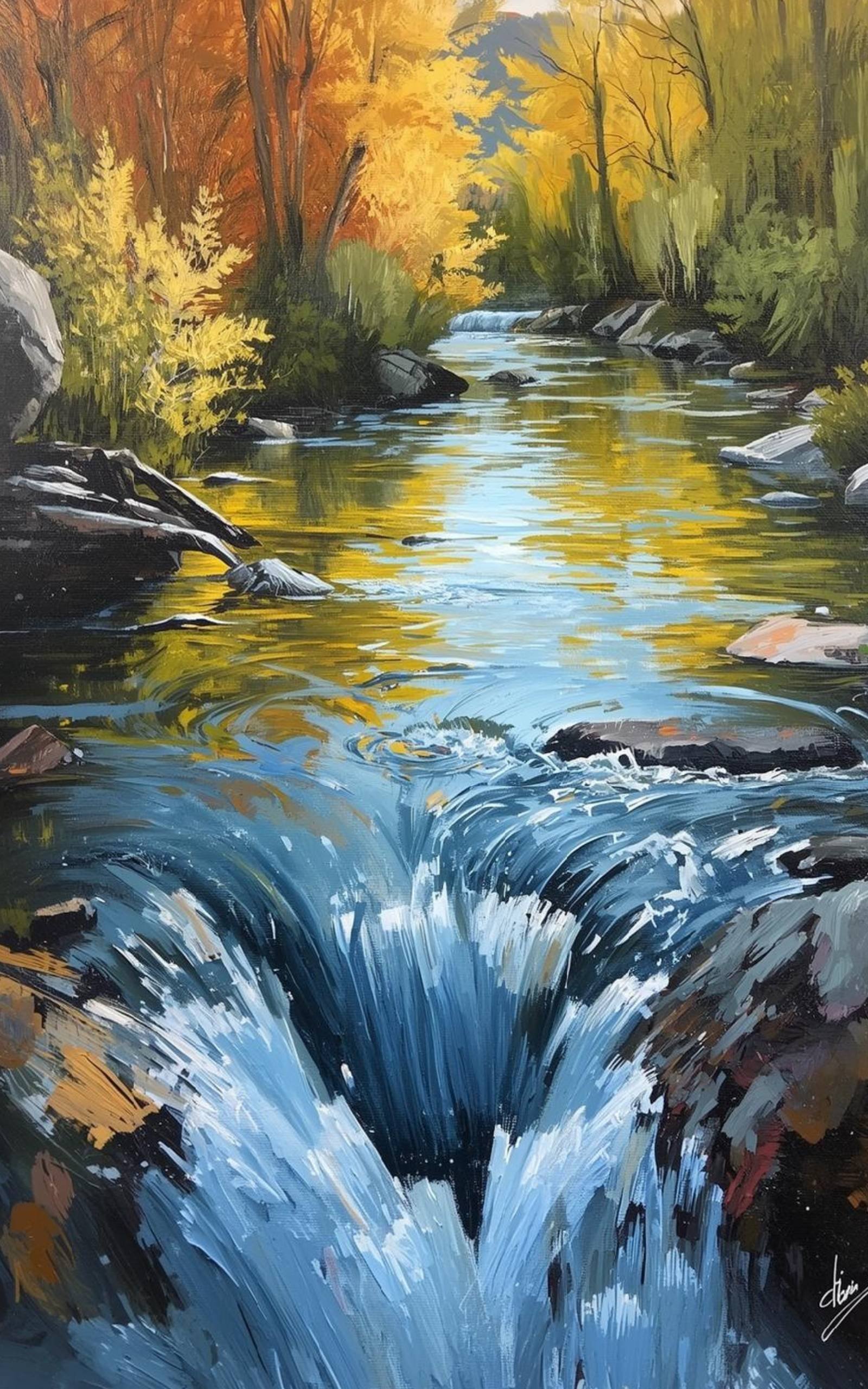
Grey is a meditation on the space between extremes—the quiet, often overlooked place where certainty softens and identity becomes something chosen rather than imposed. It explores the relief of stepping outside rigid definitions, of no longer needing to resolve every question or declare a fixed position. In this poem, the in-between is not confusion, but refuge—a place of balance, nuance, and quiet belonging, where contradictions can coexist and something more honest can begin to take shape. 💚
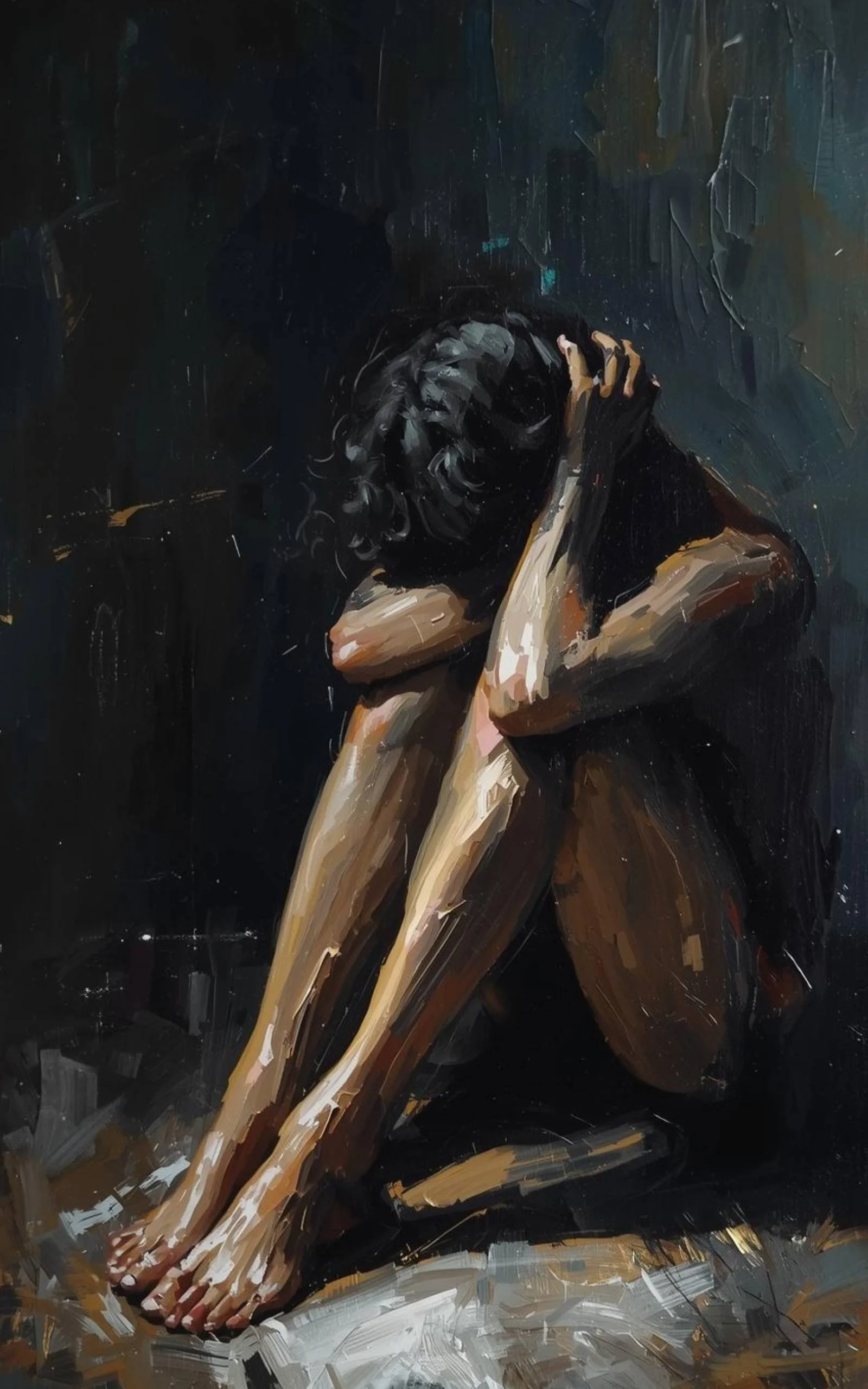
Not Every Moment
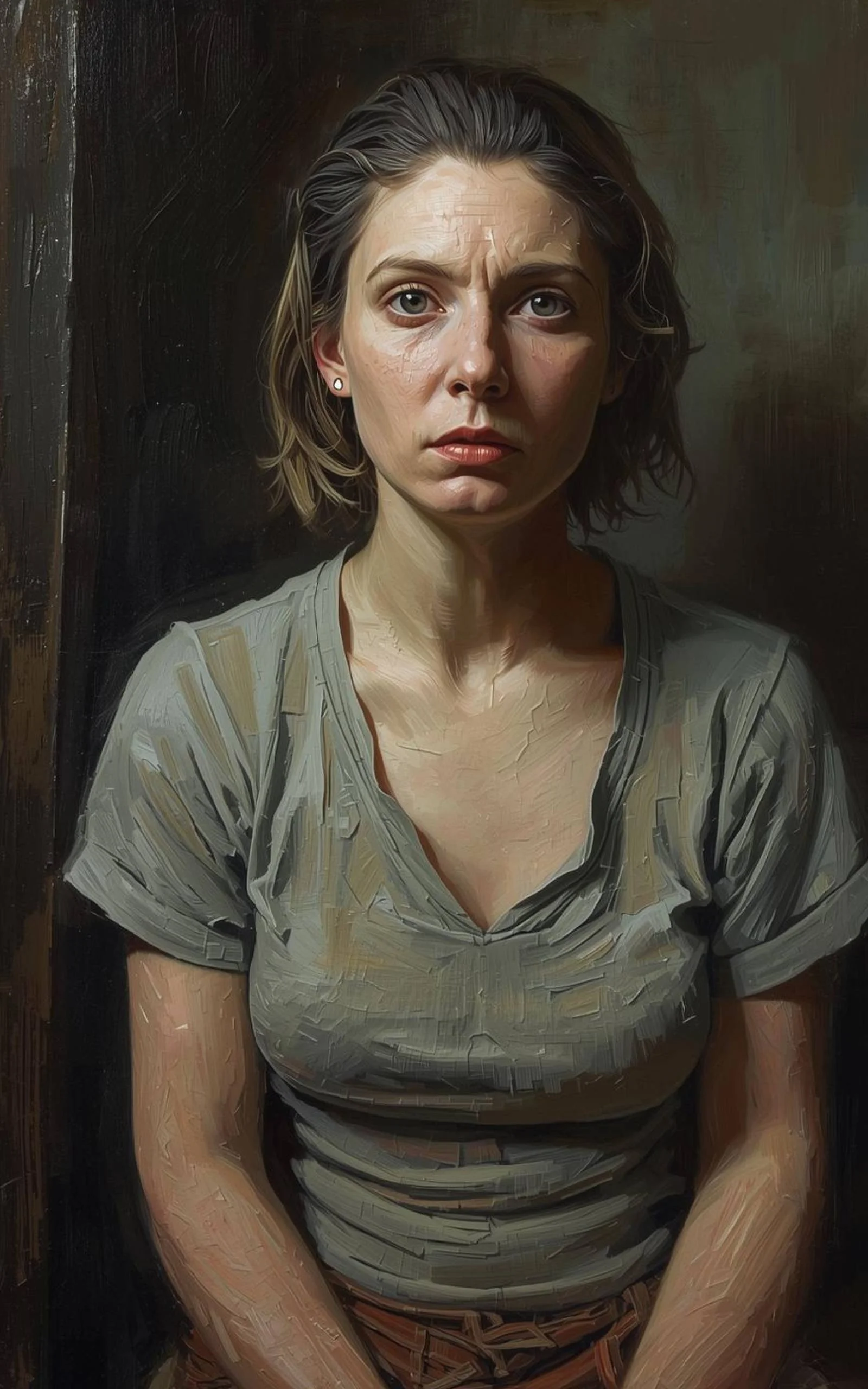
Not Every Moment is a quiet refusal of the pressure to find hope in everything. It lives in the spaces where nothing resolves, where light doesn’t arrive on cue, and where simply continuing is its own kind of truth. This poem offers permission—to sit in the hollow without explanation, to feel without reframing, and to exist without needing to transform the experience into something meaningful or redeemable. It doesn’t promise that things will get better. It simply honours the reality that not every moment does—and that this, too, is part of being human. 💚
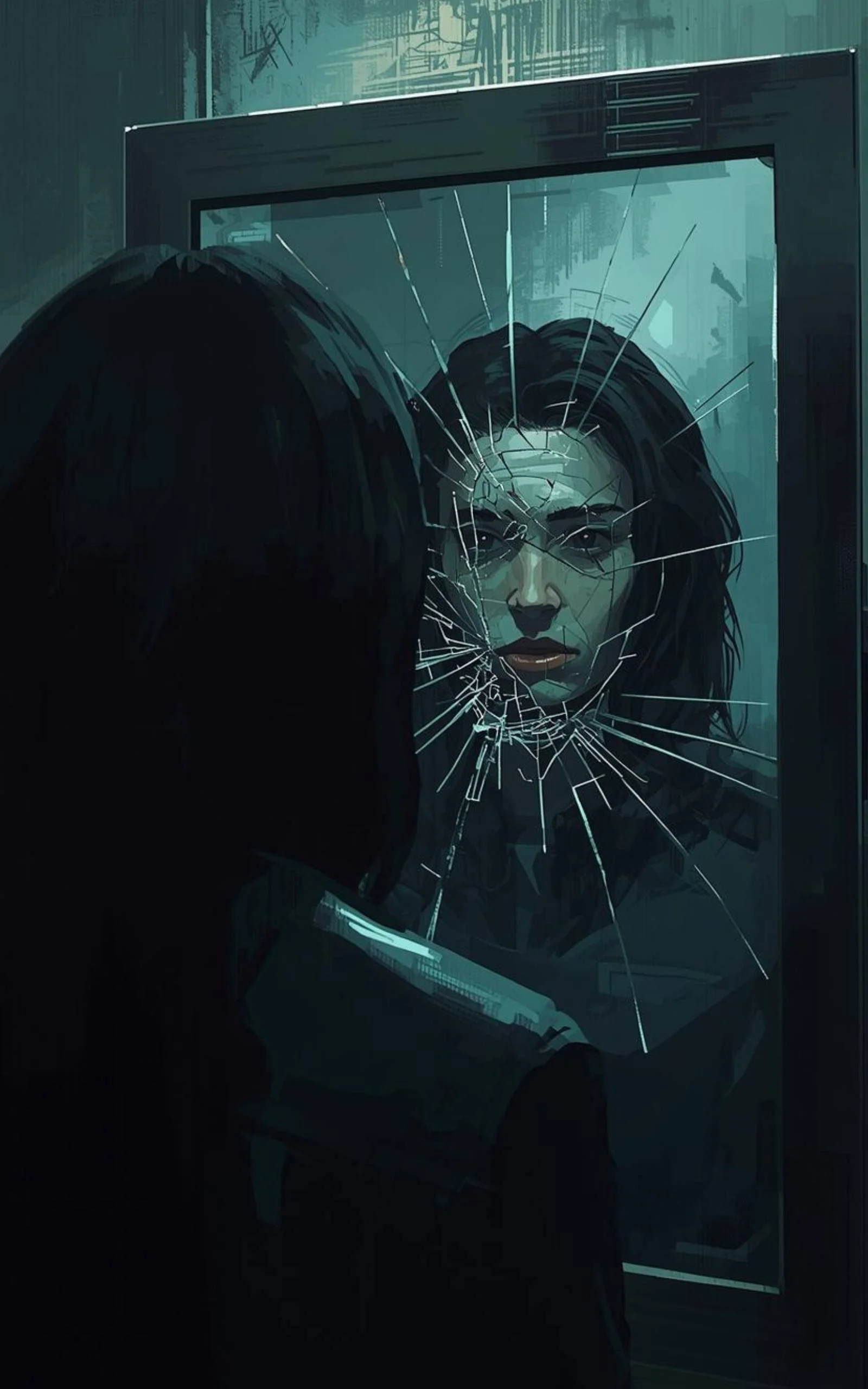
Unacceptable
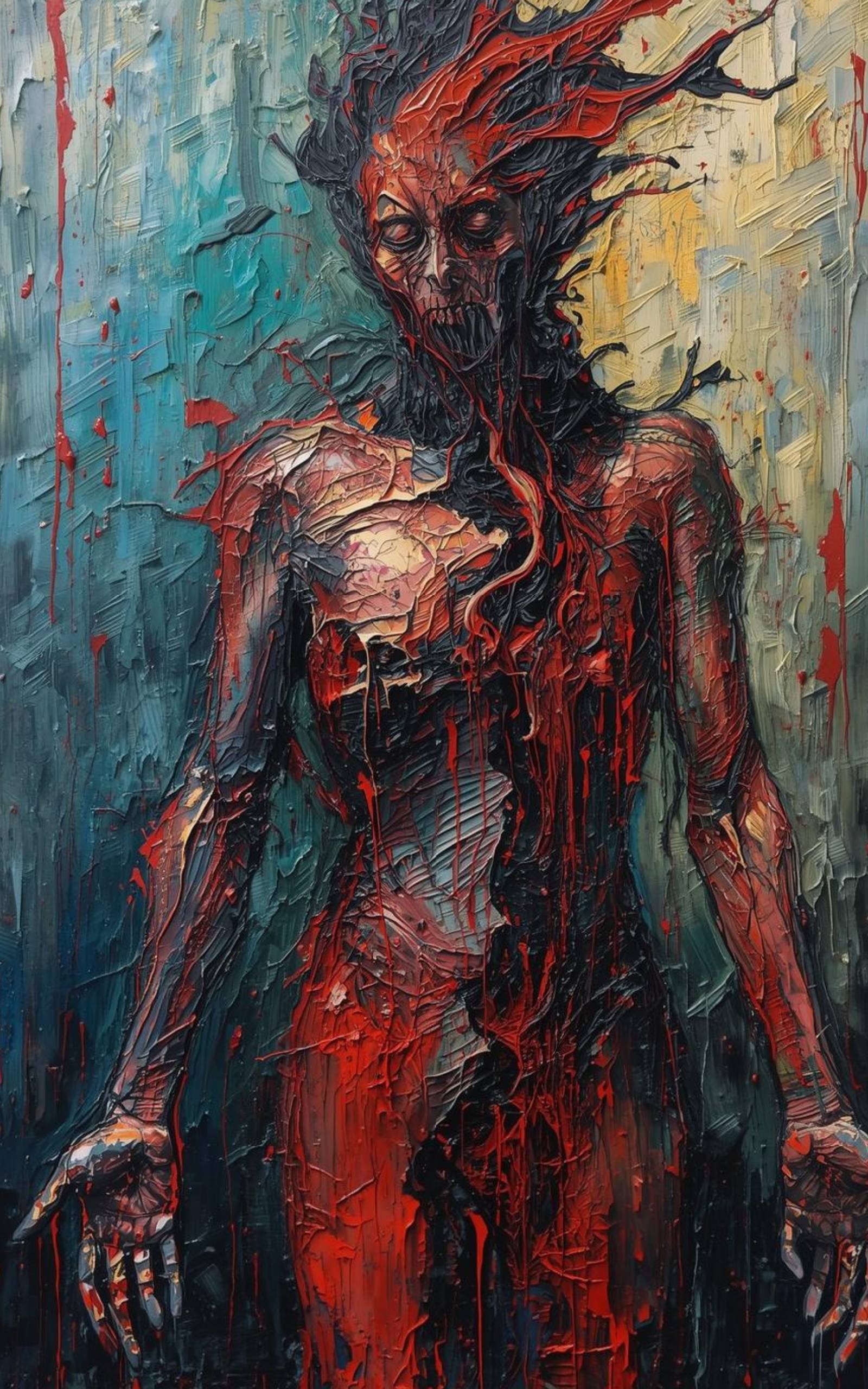
This poem was written from a place that doesn’t try to resolve itself. It doesn’t reach for hope or redemption, because not every moment offers those things honestly. Instead, it sits inside one of the darkest emotional states—the feeling of being fundamentally wrong, of carrying something unfixable beneath the surface. It is not a declaration of identity, but a mirror of a real and difficult experience, one that many people move through quietly and without language. This piece doesn’t attempt to comfort. It simply bears witness. 💚
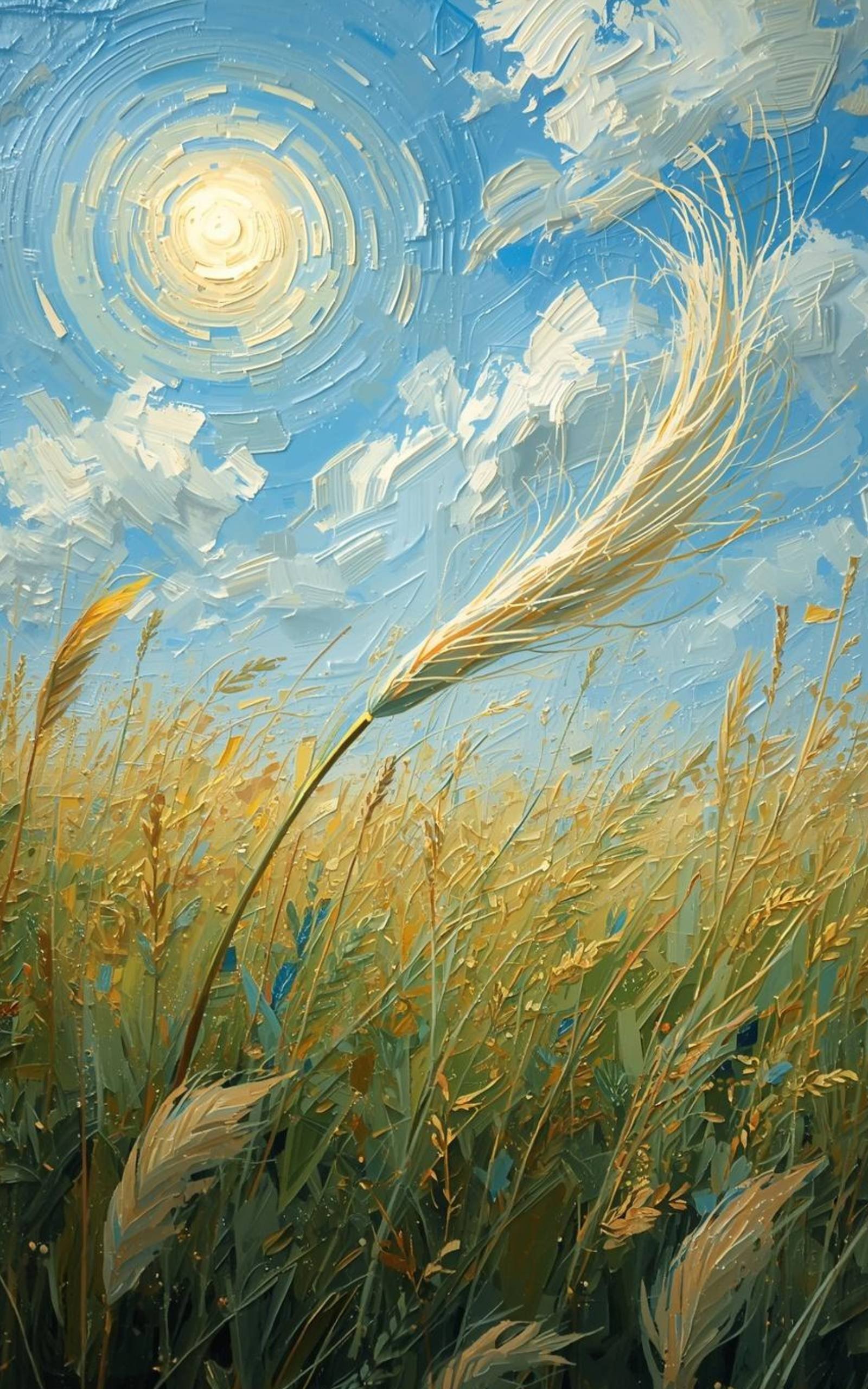
From, But Not Of
From, But Not Of is about the quiet, complicated act of becoming—of carrying where you come from without being confined by it. It explores the tension between roots and growth, between honouring the places and people that shaped you and allowing yourself to evolve beyond them. This poem lingers in that in-between space, where identity is no longer inherited but consciously chosen, and where leaving isn’t a rejection, but a natural extension of who you were always meant to become. 💚
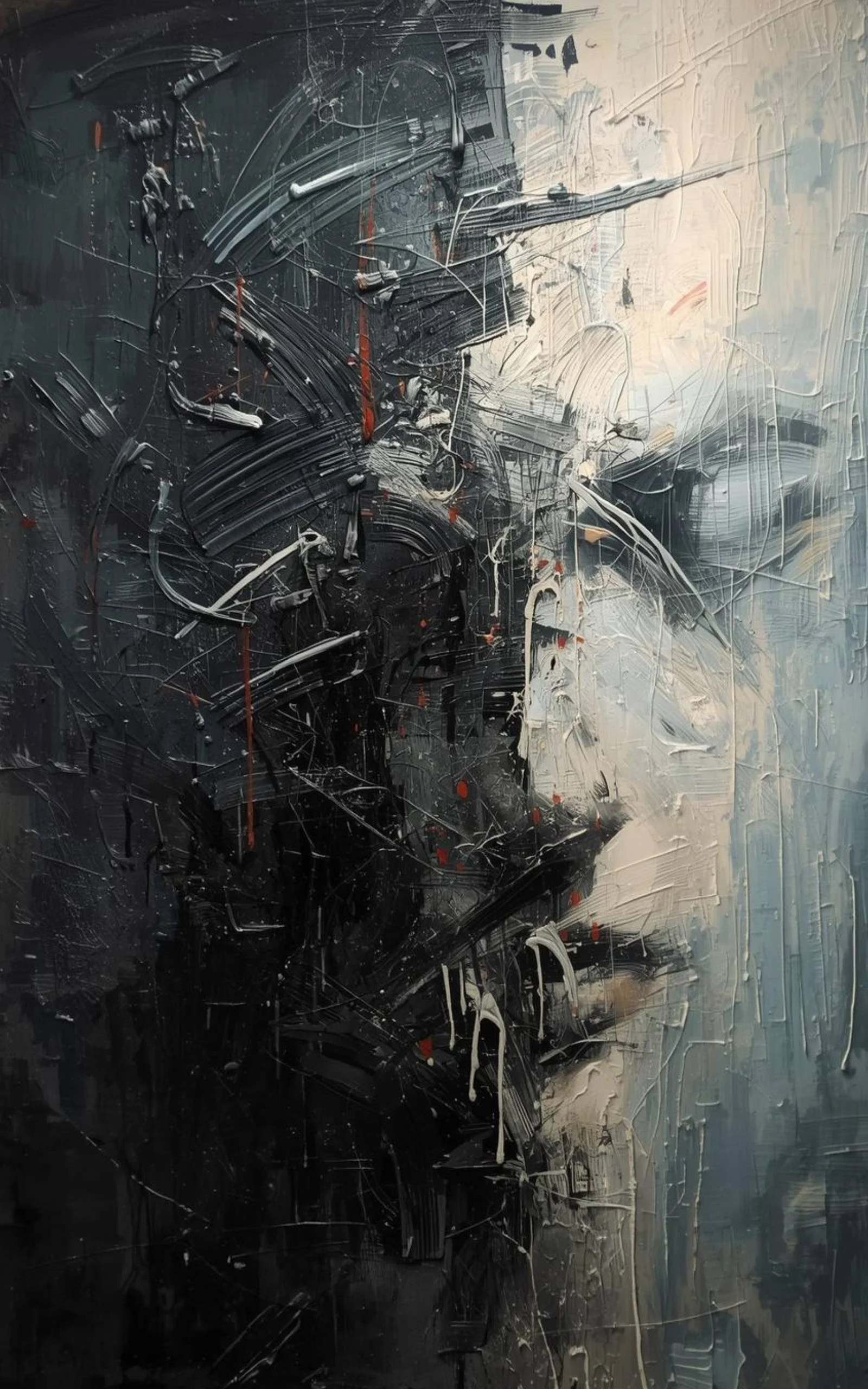
The Messy Middle
The Messy Middle lives in the part of life we rarely celebrate—the long, uncertain stretch between beginnings and endings. It’s about the quiet work of continuing when nothing feels resolved yet, when growth looks less like transformation and more like endurance. This poem lingers in those in-between moments—the ordinary, unremarkable days that slowly shape us—where courage isn’t loud, and healing isn’t linear, but something steady, human, and deeply real. 💚
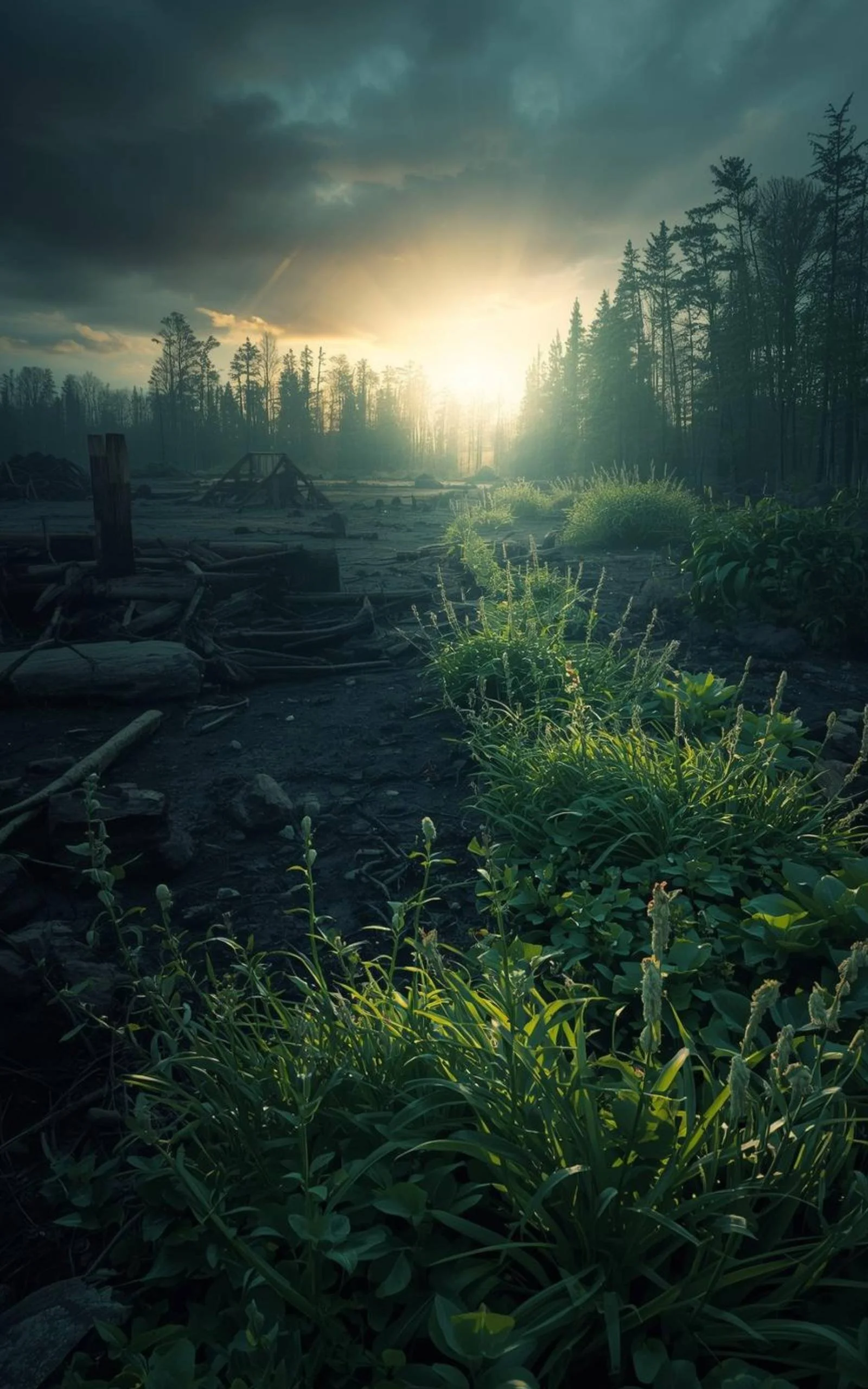
This Old House: Chapter Fifteen
This final chapter brings the story to a quiet, definitive close, not through resolution, but through continuation. This Old House: Chapter Fifteen returns the house to life, as new occupants arrive unaware of all that has come before, filling the space with their own rhythms, voices, and beginnings. Through the beam’s perspective, we are reminded that while lives pass through a place and eventually move on, something deeper remains—held, remembered, and unchanged beneath it all. As the concluding poem in this series, it offers a steady, unflinching truth: that life does not pause for what was lost, that new stories are built upon the remnants of old ones, and that what endures is not permanence, but the quiet act of bearing witness. 💚
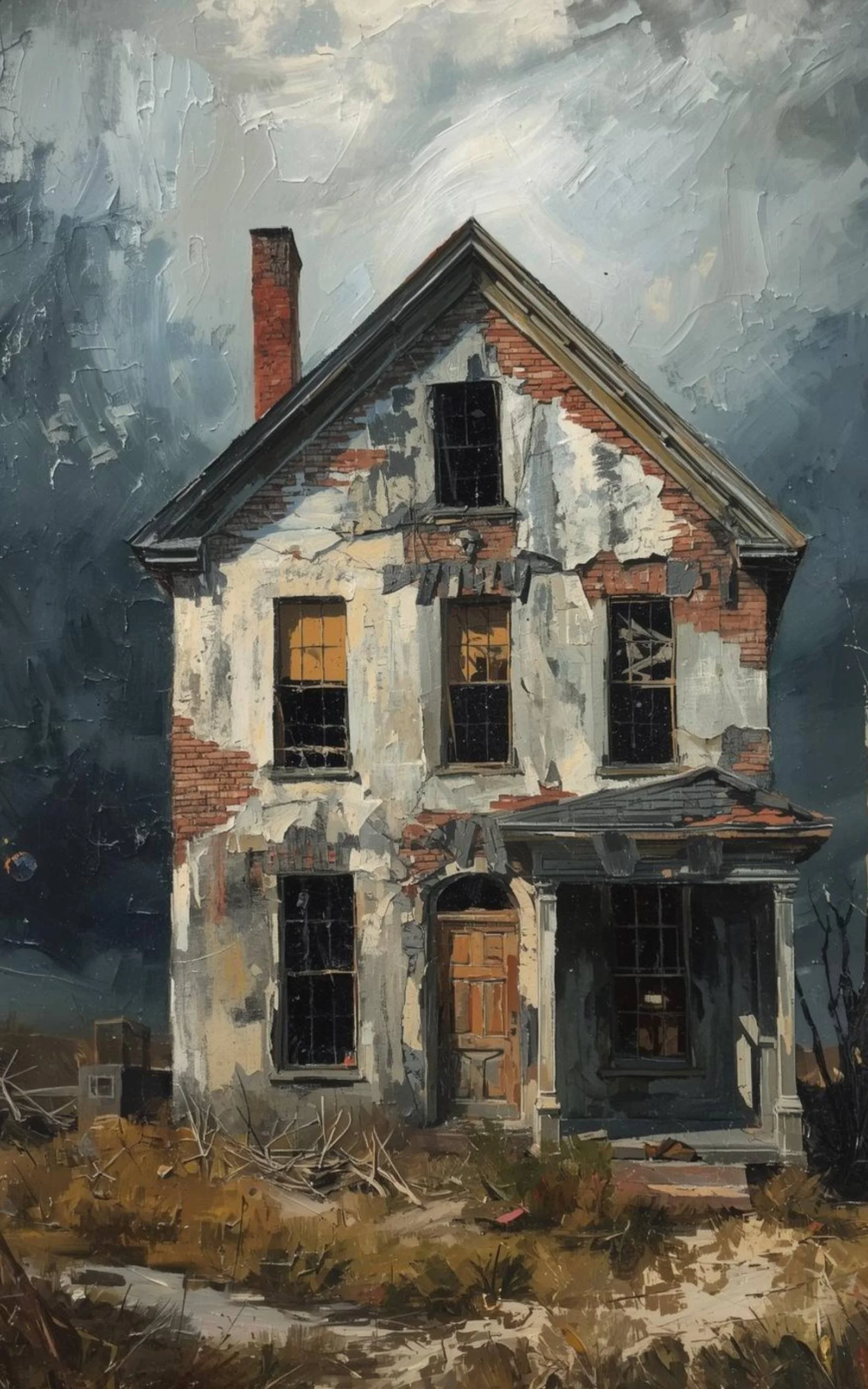
This Old House: Chapter Fourteen
This chapter captures the final, quiet severing—the moment when what remained can no longer be held together. This Old House: Chapter Fourteen follows the youngest daughter as she reaches the point where staying is no longer an act of love, but a slow undoing of herself. Through the beam’s steady perspective, we witness the subtle shift from waiting to choosing, as she moves through the house one last time, recognizing what cannot be carried forward. It is a meditation on the kind of leaving that comes without conflict or closure, and on the profound stillness that follows when the last living thread finally lets go. 💚

This Old House: Chapter Thirteen
This chapter lingers in the quiet, devastating space where life continues but no longer feels lived. This Old House: Chapter Thirteen traces the slow, almost imperceptible decline of someone who remains physically present while steadily receding from the world around them. Through the beam’s steady perspective, we witness how time loses its structure, how care fades into repetition, and how a home begins to mirror the stillness it contains. It is not a story of collapse, but of erosion—the kind that happens quietly, without announcement, until what once filled a space is no longer there in any meaningful way. 💚
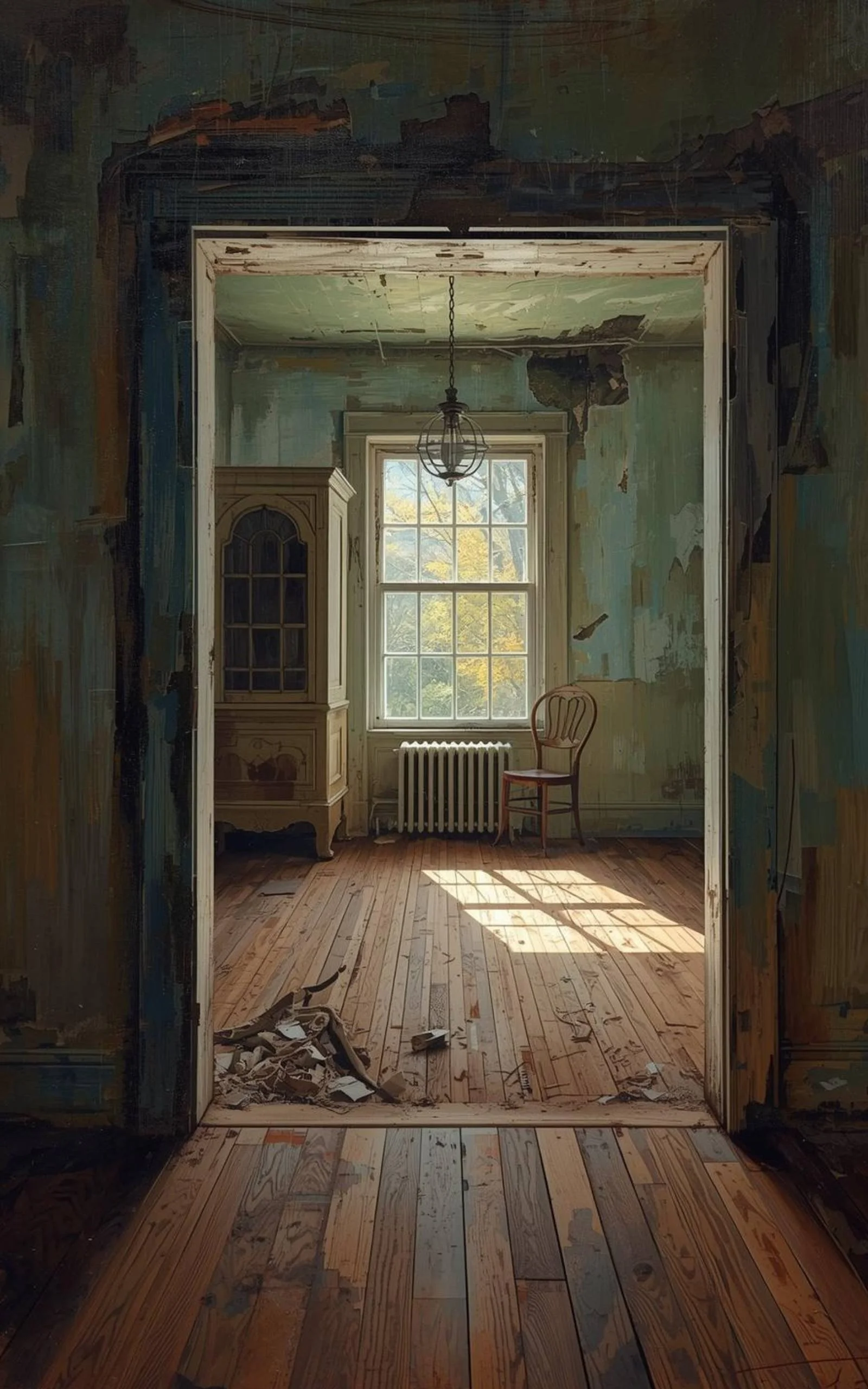
This Old House: Chapter Twelve
This chapter explores the quiet aftermath of separation, where what remains must learn to exist in a space that has grown too large for it. This Old House: Chapter Twelve traces the subtle but profound shifts that follow departure—not through dramatic collapse, but through the slow thinning of presence, routine, and care. Through the beam’s perspective, we witness how absence accumulates in small, tangible ways, and how those left behind begin to change in response. It is a meditation on the weight of emptiness, the burden placed on those who try to hold what cannot be held, and the quiet ways people begin to disappear without ever leaving. 💚
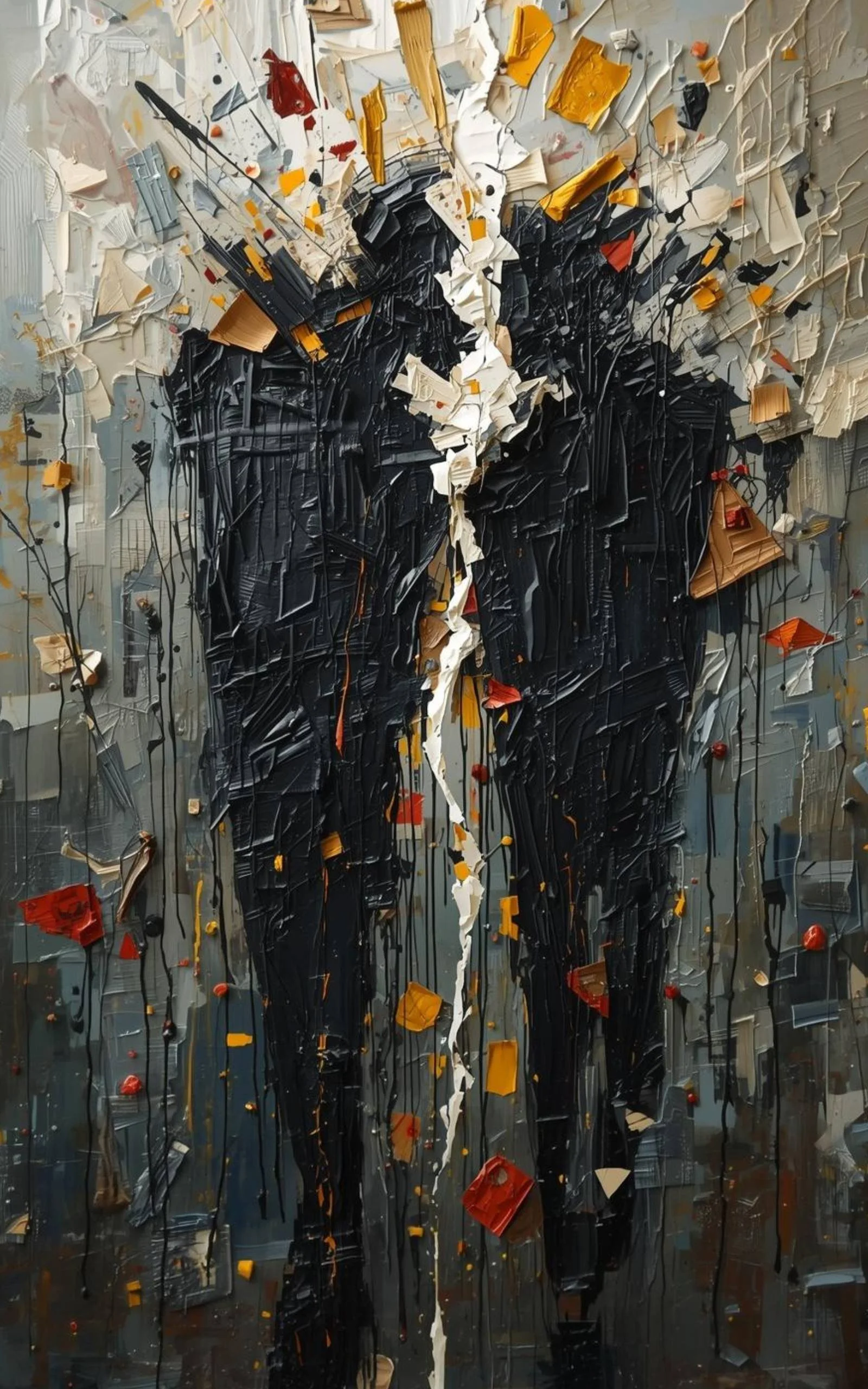
This Old House: Chapter Eleven
This chapter marks the moment where what has been quietly unraveling can no longer be contained within silence. This Old House: Chapter Eleven brings the fracture into view, not through confrontation, but through distance—the kind that settles in slowly and becomes impossible to ignore. Through the beam’s steady perspective, we witness a family reshaping itself without ever fully acknowledging what is being lost. It is a study in absence made visible, where departure happens without ceremony, and what remains must learn to exist in a space that no longer holds what it once did. 💚
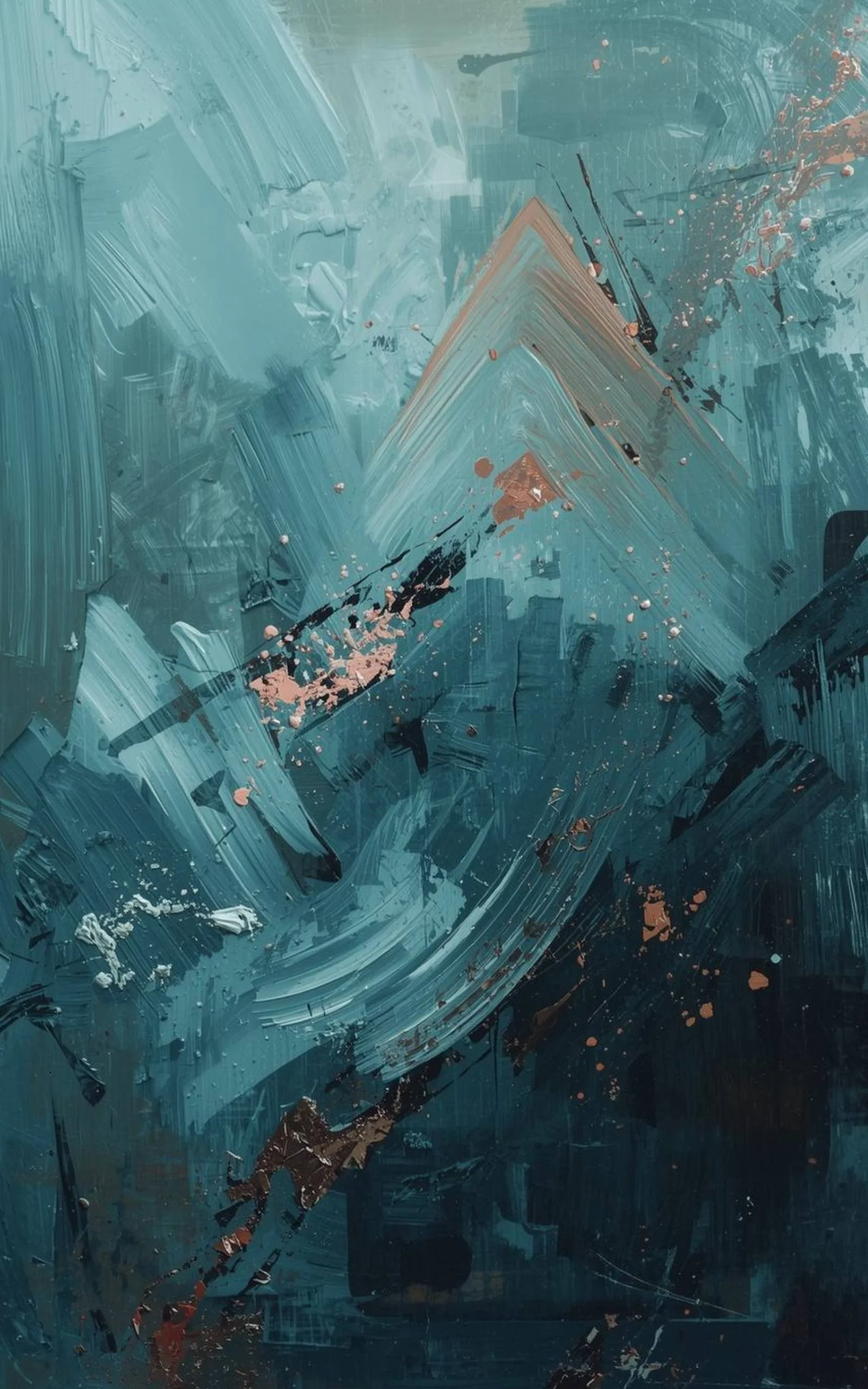
This Old House: Chapter Ten
This chapter explores what happens after the moment of loss—when nothing resolves, and life continues in a shape it was never meant to hold. This Old House: Chapter Ten traces the slow, quiet erosion of a family as absence begins to press into every corner of their lives. Through the beam’s perspective, we witness how routines falter, connections strain, and the house itself starts to mirror what is unfolding within it. There is no single breaking point, only a steady unravelling, where what once felt solid becomes fragile, and everything begins to shift around the space that cannot be filled. 💚
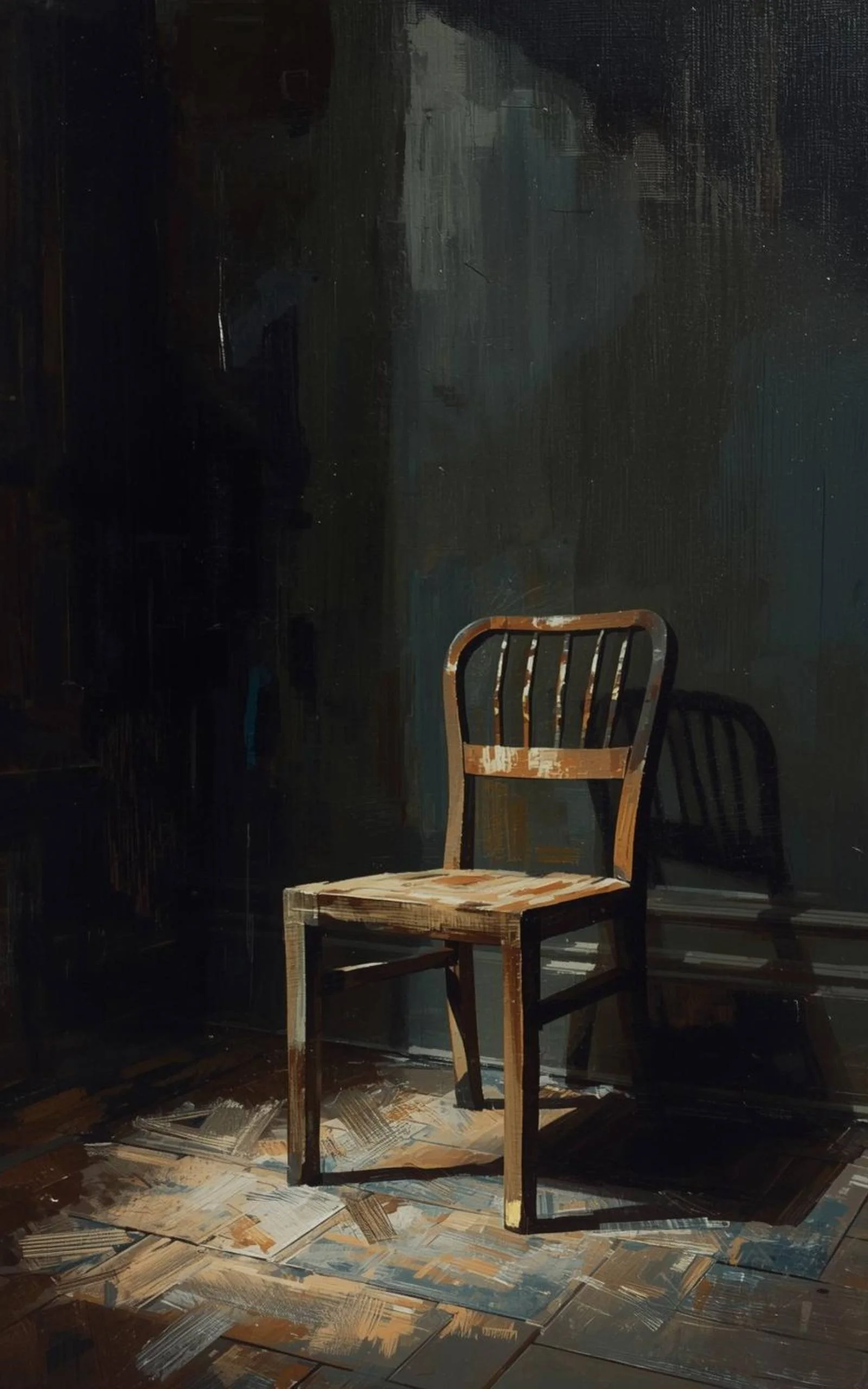
This Old House: Chapter Nine
This chapter is the quiet breaking point of the story—the moment where nothing visible happens, and yet everything changes. This Old House: Chapter Nine captures the shape of absence as it forms, not through event or explanation, but through the slow, unsettling realization that someone is no longer there. Through the beam’s steady perspective, we witness how loss first appears: as a delay, a question, a space that cannot be accounted for. It is not an ending, but an opening—one that will remain unresolved, reshaping everything that follows as the house and those within it begin to move around what cannot be filled. 💚
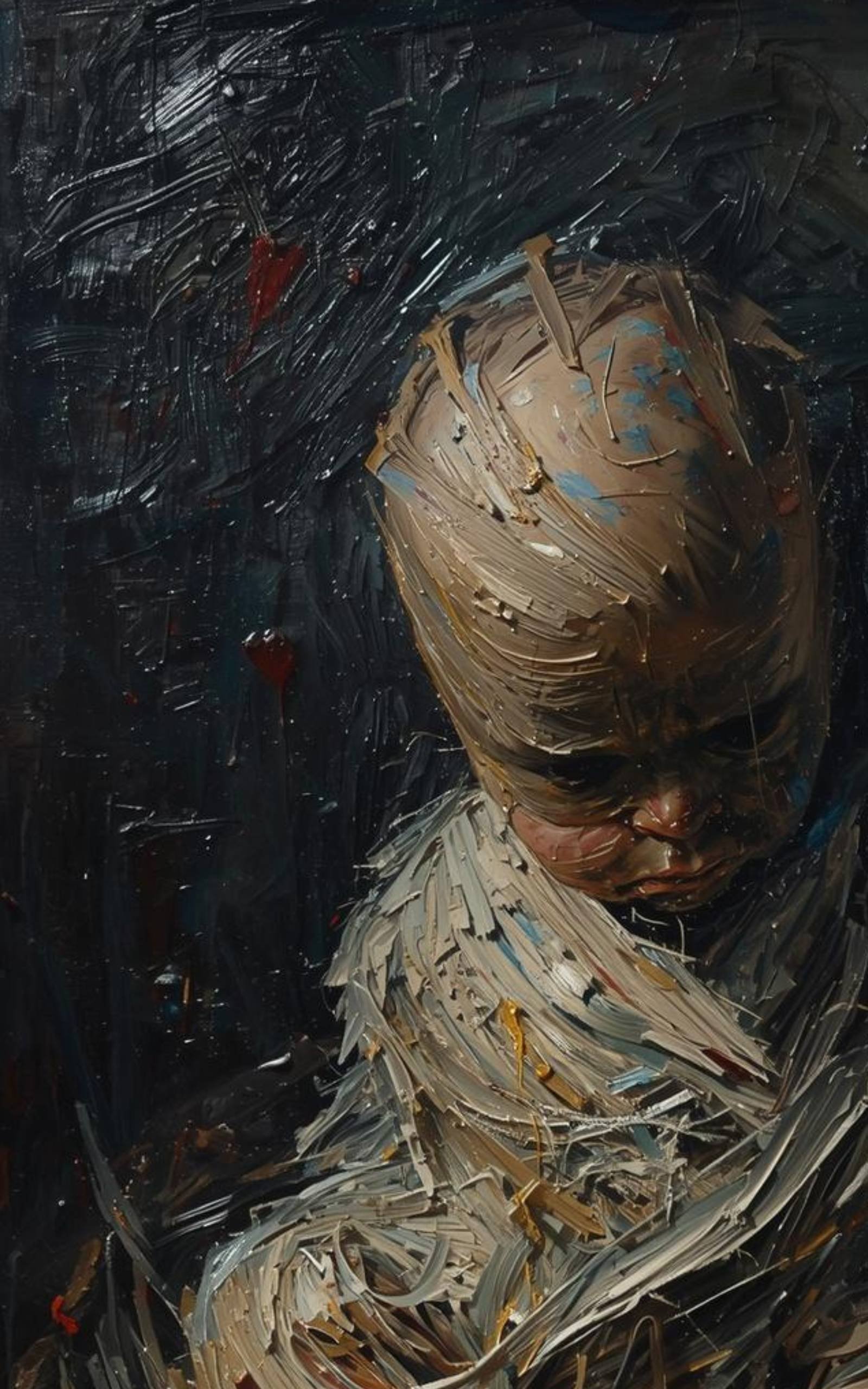
This Old House: Chapter Eight
This chapter marks the first quiet fracture within something that once felt whole. This Old House: Chapter Eight turns its focus to the eldest daughter, tracing the subtle, almost imperceptible shifts that signal change long before anything is spoken aloud. Through the beam’s watchful perspective, we sense the tension building beneath the surface—the altered rhythms, the unspoken questions, the growing distance that cannot yet be named. Nothing has broken, not yet, but something has undeniably moved. It is a meditation on the moments that go unnoticed in real time, the beginnings of change that only reveal their weight in hindsight, when it is already too late to hold things as they were. 💚
This Old House: Chapter Seven
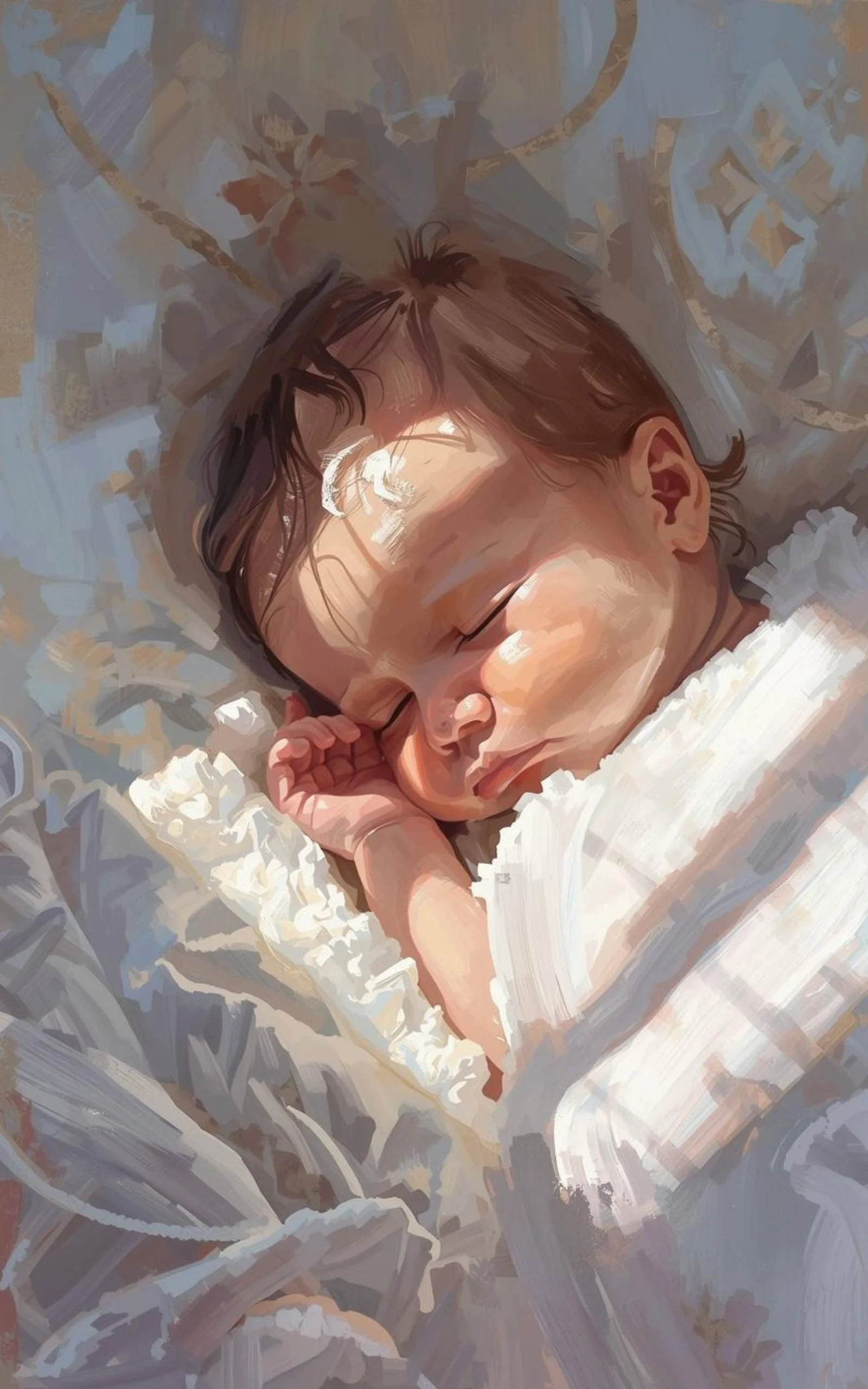
This chapter deepens the heart of the story, as the house transforms from a place of quiet endurance into a living, breathing home. This Old House: Chapter Seven captures the beauty of ordinary life—the rhythms, routines, and small, unremarkable moments that quietly build something lasting. Through the beam’s perspective, we witness the slow formation of connection, not just between the family, but within the space itself, as it begins to hold something it has never known in quite this way. It is here that observation becomes attachment, and the act of holding shifts from obligation to something closer to meaning. 💚

This Old House: Chapter Six
This chapter marks a quiet but profound turning point, as something unfamiliar enters the house for the first time in years—gentleness. This Old House: Chapter Six introduces a family not through disruption, but through care, intention, and the slow, deliberate act of building a life within the space. Through the beam’s perspective, we feel the shift from endurance to awareness, as it begins to recognize a kind of presence that does not take, but gives. It is here that something long closed begins to open—tentatively, cautiously—as the house is filled not just with people, but with the fragile beginnings of something that might, at last, resemble belonging. 💚
This Old House: Chapter Five
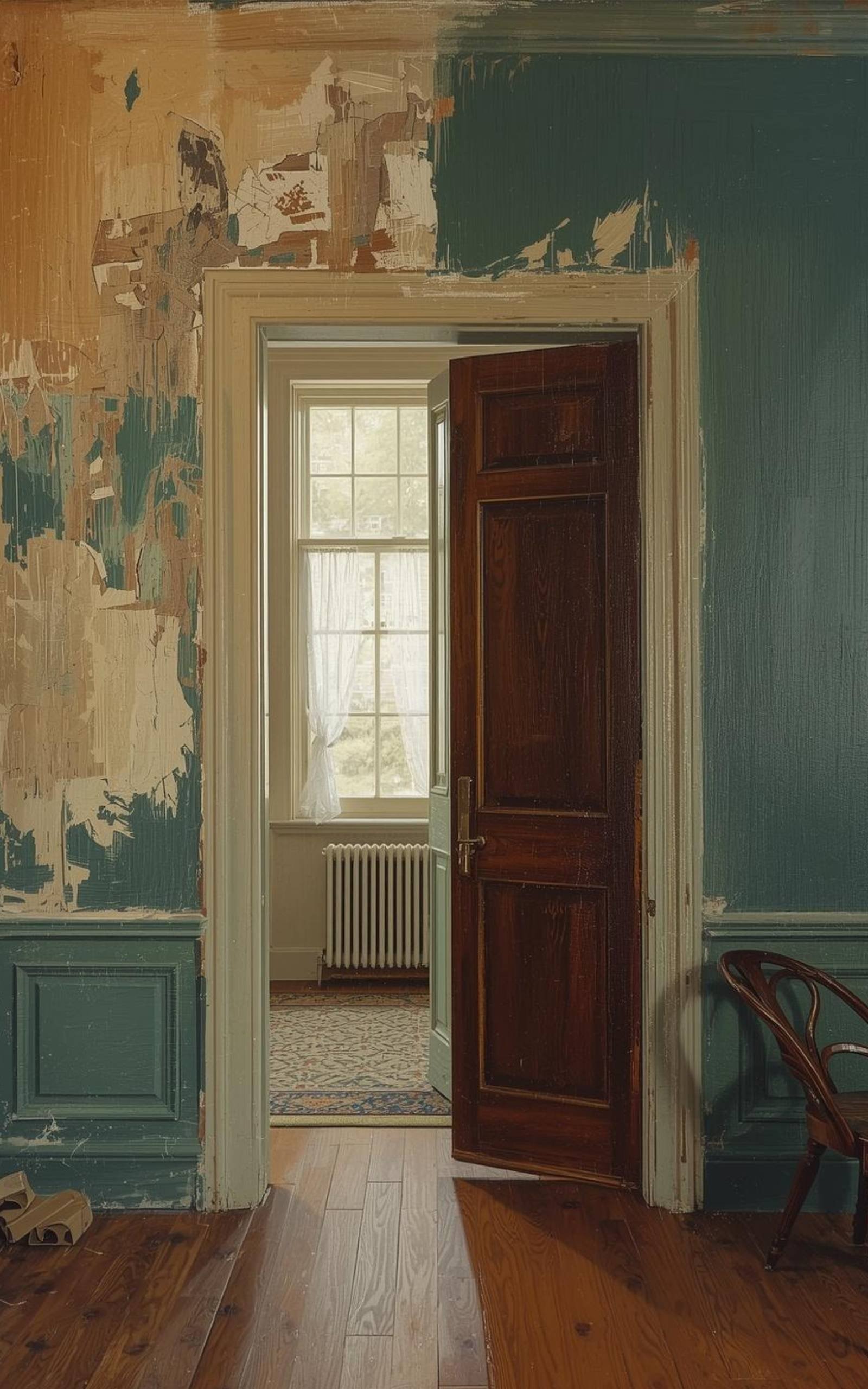
This chapter captures the quiet transformation of a place being reshaped—where change is not an ending, but a layering over what came before. This Old House: Chapter Five explores the illusion of renewal, the careful ways in which spaces are stripped, softened, and reimagined without ever truly releasing their past. Through the beam’s steady perspective, we witness the house being altered into something more palatable, more acceptable, while everything it has held remains just beneath the surface. It is a meditation on time as erosion rather than disappearance, and on the truth that what is covered is not the same as what is gone. 💚
This Old House: Chapter Four
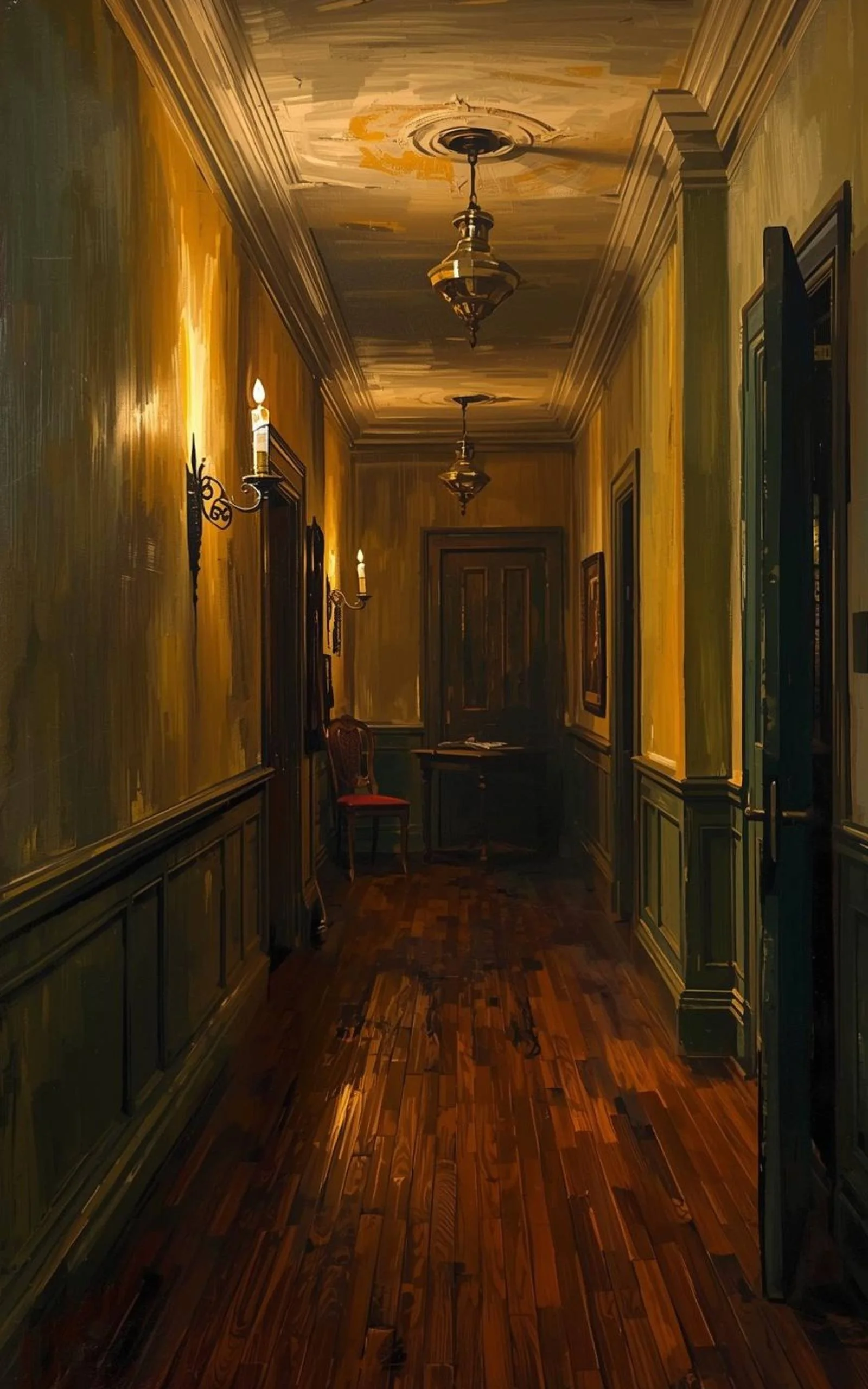
This chapter marks a shift in both atmosphere and awareness, as the house takes on a quieter, more intimate kind of life—one shaped by secrecy, restraint, and unspoken exchanges. This Old House: Chapter Four explores what it means to witness not just presence, but the weight of what is taken, hidden, and endured within closed doors. Through the beam’s perspective, the tone deepens into something more uneasy, more observant, as it begins to recognize the difference between lives lived freely and lives lived under quiet constraint. It is here that observation sharpens into understanding, and the act of holding becomes something more complicated—no longer neutral, but marked by everything the house is forced to carry. 💚
This Old House: Chapter Three
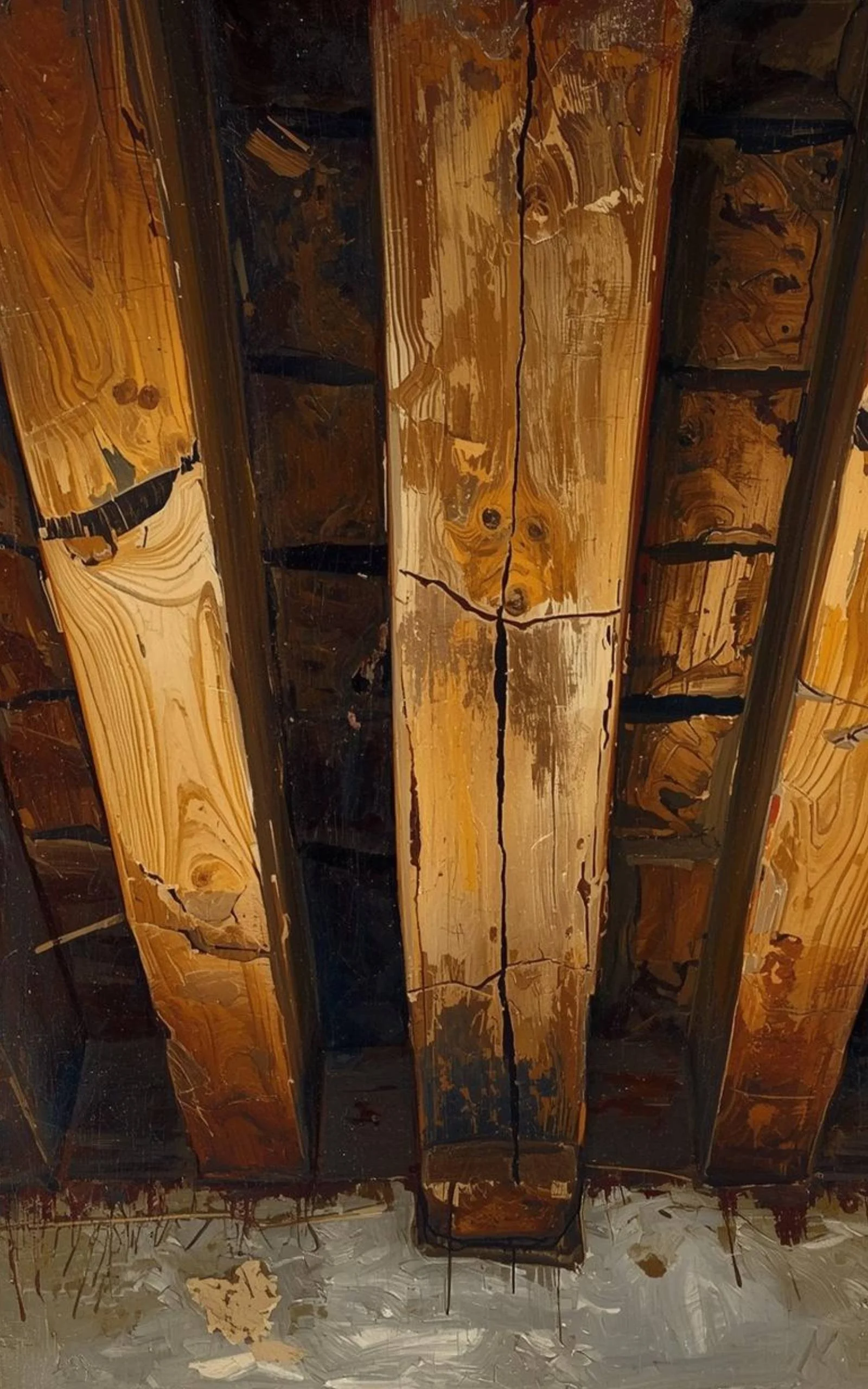
This chapter marks the moment where transformation becomes permanence—where something once living is fixed into place and made to carry lives it does not belong to. This Old House: Chapter Three introduces the house itself and the first of many occupants, expanding the story beyond the self and into the quiet, relentless act of witnessing. Through the beam’s perspective, we begin to understand the weight of holding without being seen, of supporting lives that move loudly and carelessly above and below it. It is here that observation sharpens into awareness, and the first traces of something deeper begin to take root—not just endurance, but the slow, steady becoming of a witness who will remember everything. 💚
This Old House: Chapter Two
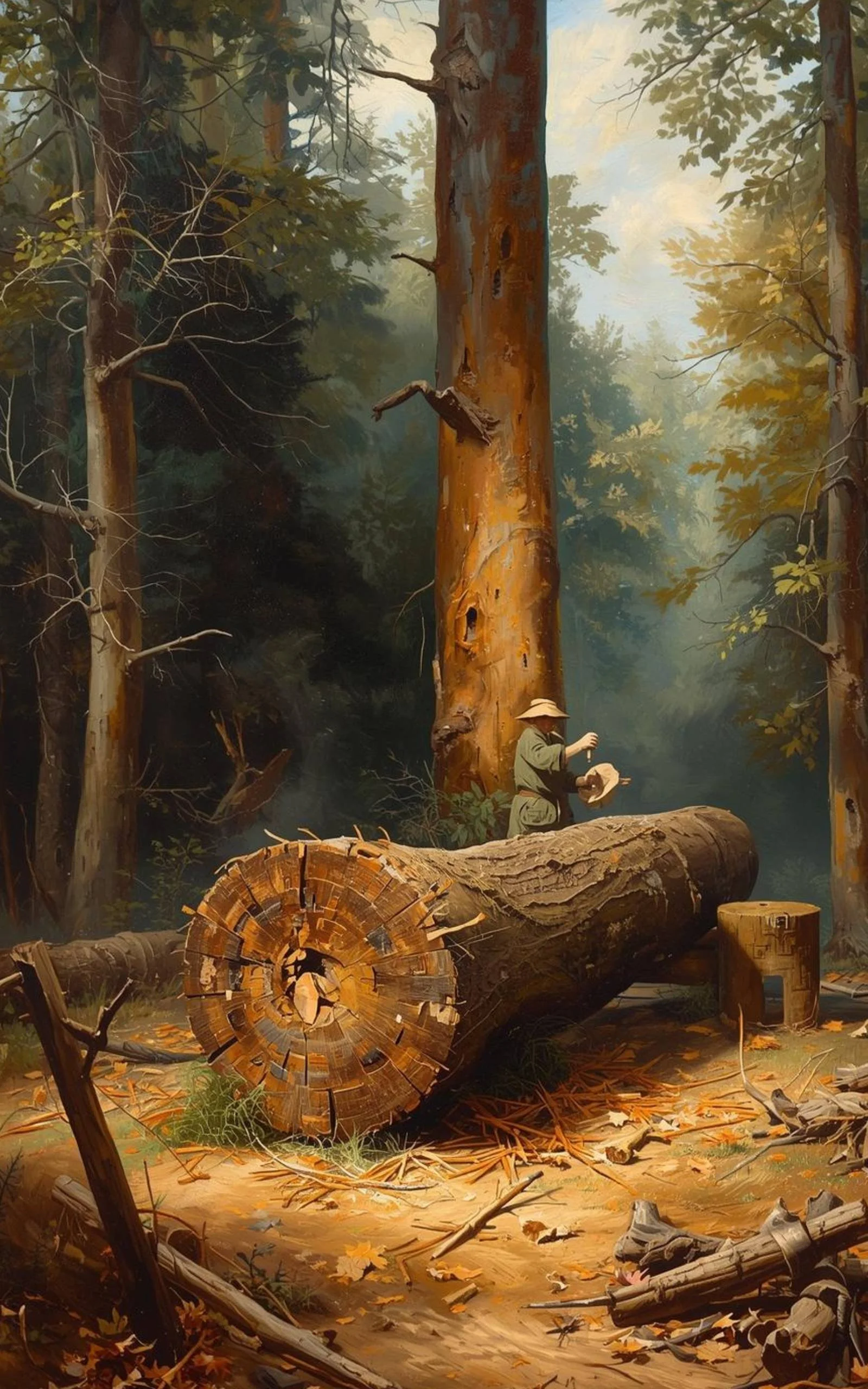
This opening chapter lays the foundation for a story told across This chapter moves from belief into breaking—tracing the brutal transformation from something whole into something used. This Old House: Chapter Two explores the loss of identity that comes not just from being taken, but from being divided, reshaped, and repurposed without regard for what once was. Through the tree’s voice, we feel the disorientation of becoming pieces that still remember being one, and the quiet, unsettling realization that purpose can be imposed rather than chosen. It is here, in the aftermath of that understanding, that something new begins to form—not grief, not yet, but the earliest edge of something harder, something that will endure. 💚
Poetry by Britt Wolfe
I publish a new poem every Sunday. Sometimes they're tender. Sometimes they're rage in a nice outfit. All of them are my attempt to make sense of the human experience using metaphors, emotionally charged line breaks, and what I choose to believe are perfectly reasonable coping mechanisms.
A quick note before we go any further: these poems are works of fiction. They may borrow from emotions, observations, memories, questions, or passing moments that refuse to leave me alone, but they are not diary entries. Poetry lives somewhere between truth and imagination, and I'm far more interested in emotional honesty than factual accuracy. Sometimes a poem begins with a feeling. Sometimes it begins with a sentence. Sometimes it begins because a particular image won't let me go.
Poetry, for me, isn't about answers. It's about paying attention. It's about taking the messy, beautiful, heartbreaking experience of being human and turning it into something that can be held for a moment before it slips away again.
You'll find familiar themes wandering through these pages: love, grief, hope, identity, healing, joy, heartbreak, and the strange ways we survive one another. Some poems will whisper, "Hey... you okay?" Others will arrive carrying a crowbar and a strong opinion. I make no promises about which version you'll get.
Think of these poems as an ongoing conversation—one I'm continually having with the world, with myself, and occasionally with whatever part of us still believes words can help.
Thanks for being here.
This poem marks a deliberate turning point: not self-love declared prematurely, but self-harm consciously ended. Ceasefire frames acceptance as a strategic decision rather than an emotional breakthrough—an agreement to stop treating the self as an enemy while acknowledging that affection may come later. It holds optimism without erasing damage, offering a vision of peace that is tentative, earned, and quietly radical: the permission to exist, unfinished, without continuing the war.