Featured Poetry:





Why I Write To You Every Sunday…
Every Sunday, I publish a new poem—sometimes soft, sometimes sharp, always true to the feeling that inspired it.
When you subscribe, that week's poem arrives in your inbox at 11:11 AM, along with something I share nowhere else: a private reflection on where the poem came from, what inspired it, what I was exploring, or the thoughts lingering quietly beneath the words.
No scrolling. No noise. No algorithms competing for your attention. Just poetry, delivered on purpose, waiting patiently for you to meet it when you're ready.
And if you'd like to linger a little longer, I'd love to meet you there.
A gentle note, offered with love: these poems are works of fiction. They are not diaries, confessions, or evidence. They are emotions trying on language. Metaphors reaching for meaning. Moments becoming something else in the translation. If you recognise yourself in them… well. That’s between you and the poem.
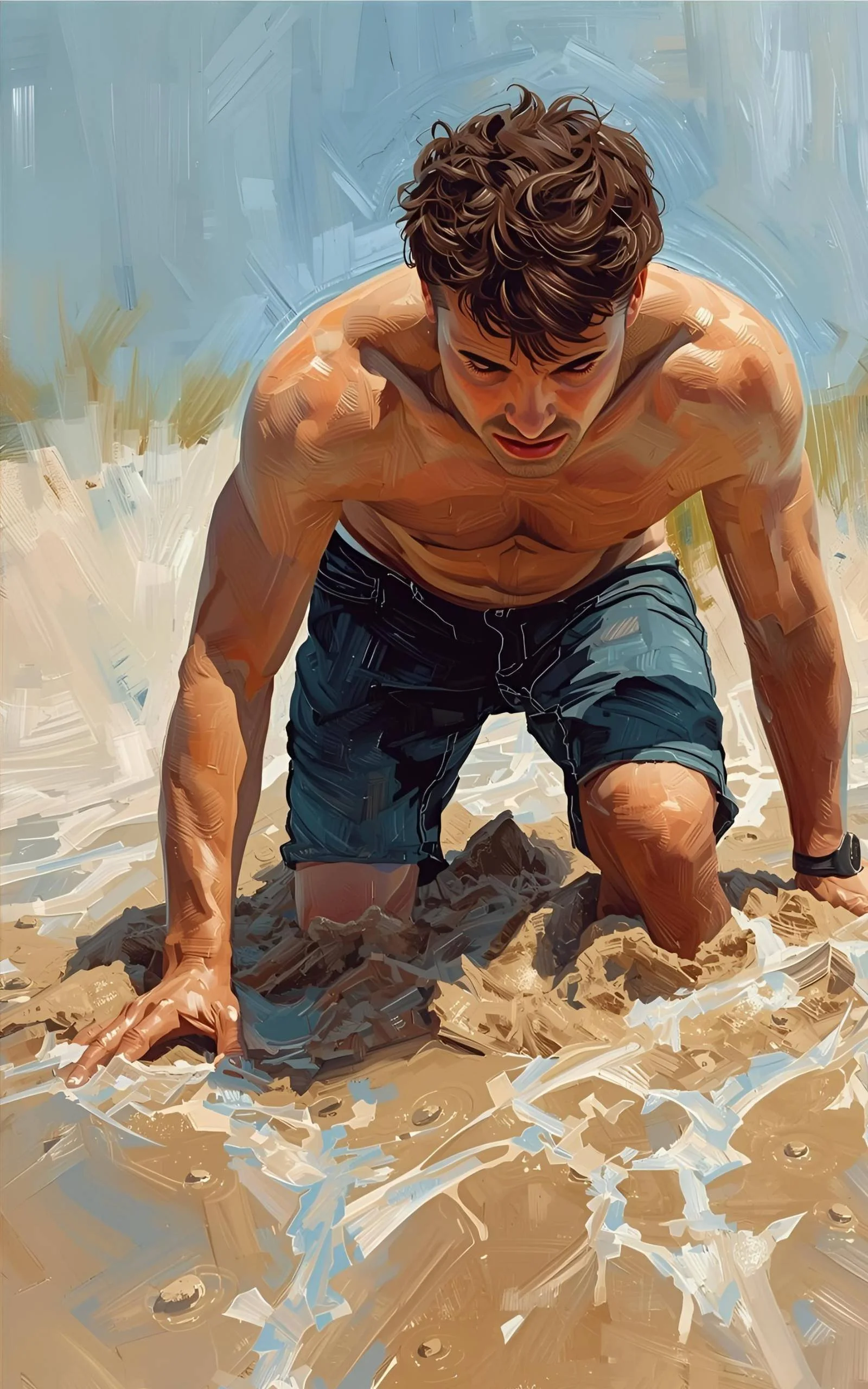
Rot and Root
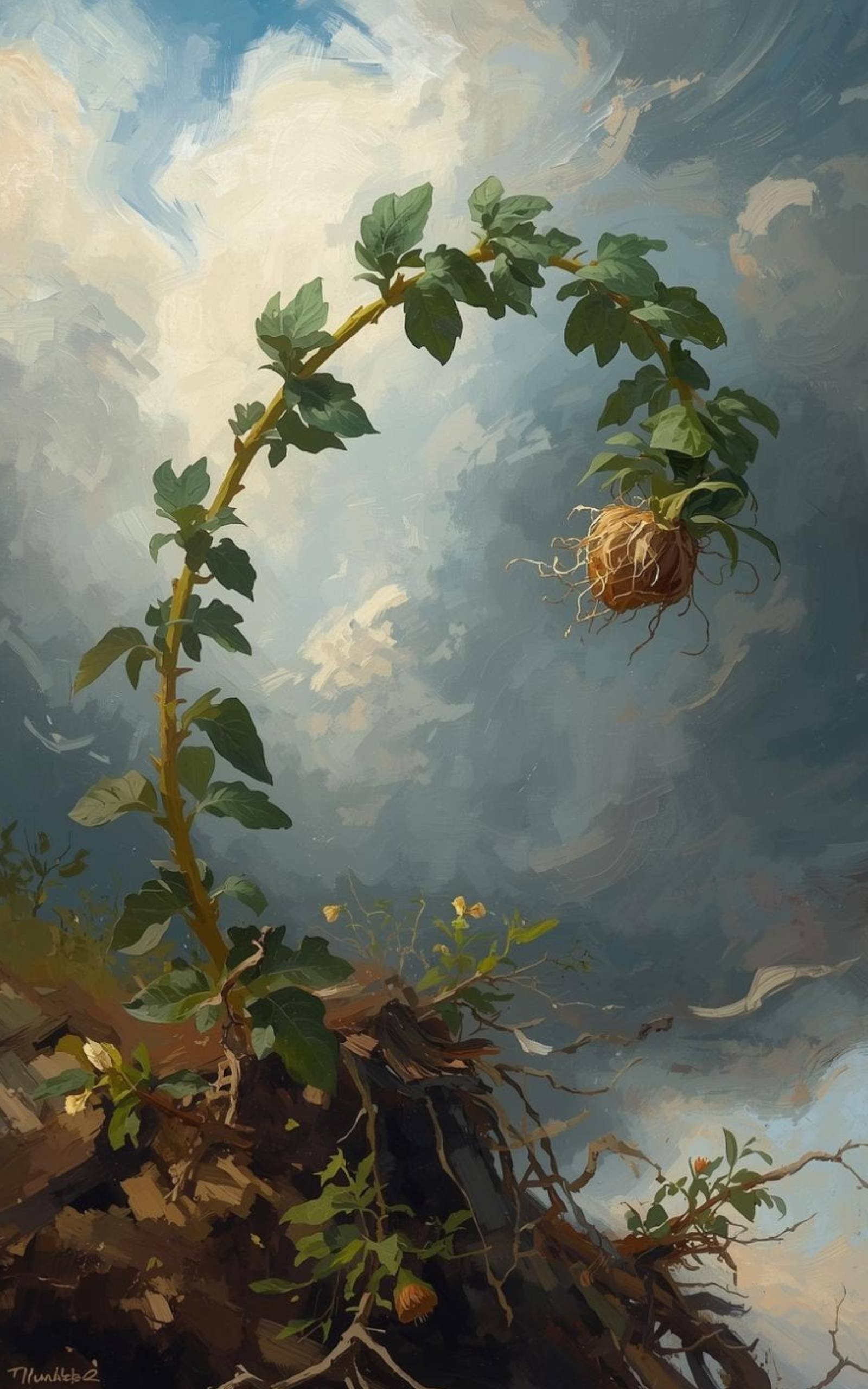
Some people are born into gardens that never wanted them to grow. Places where love is conditional, success is an affront, and every attempt to rise is met with the slow, deliberate tightening of roots determined to keep you buried. This poem is about what it means to come from that kind of soil—to fight your way toward light while the very ground beneath you tries to pull you back under. It’s about the violence of outgrowing your origins, the grief of leaving them behind, and the sacred act of blooming anyway.💚
The Agent of Chaos
Some people don’t seek peace, they seek impact—any kind. They thrive in discord, mistaking the chaos they create for proof that they matter. The agent of chaos is a particular kind of creature: unpredictable, unmoored, and terrifyingly inventive in their cruelty. You can’t prepare for them, because conscience has limits and they have none. Yet even they cannot outrun the inevitable truth that no matter how much destruction they sow, people eventually leave. And when the dust settles, they’re left alone with the echo of their own ruin, confusing it still for power.💚
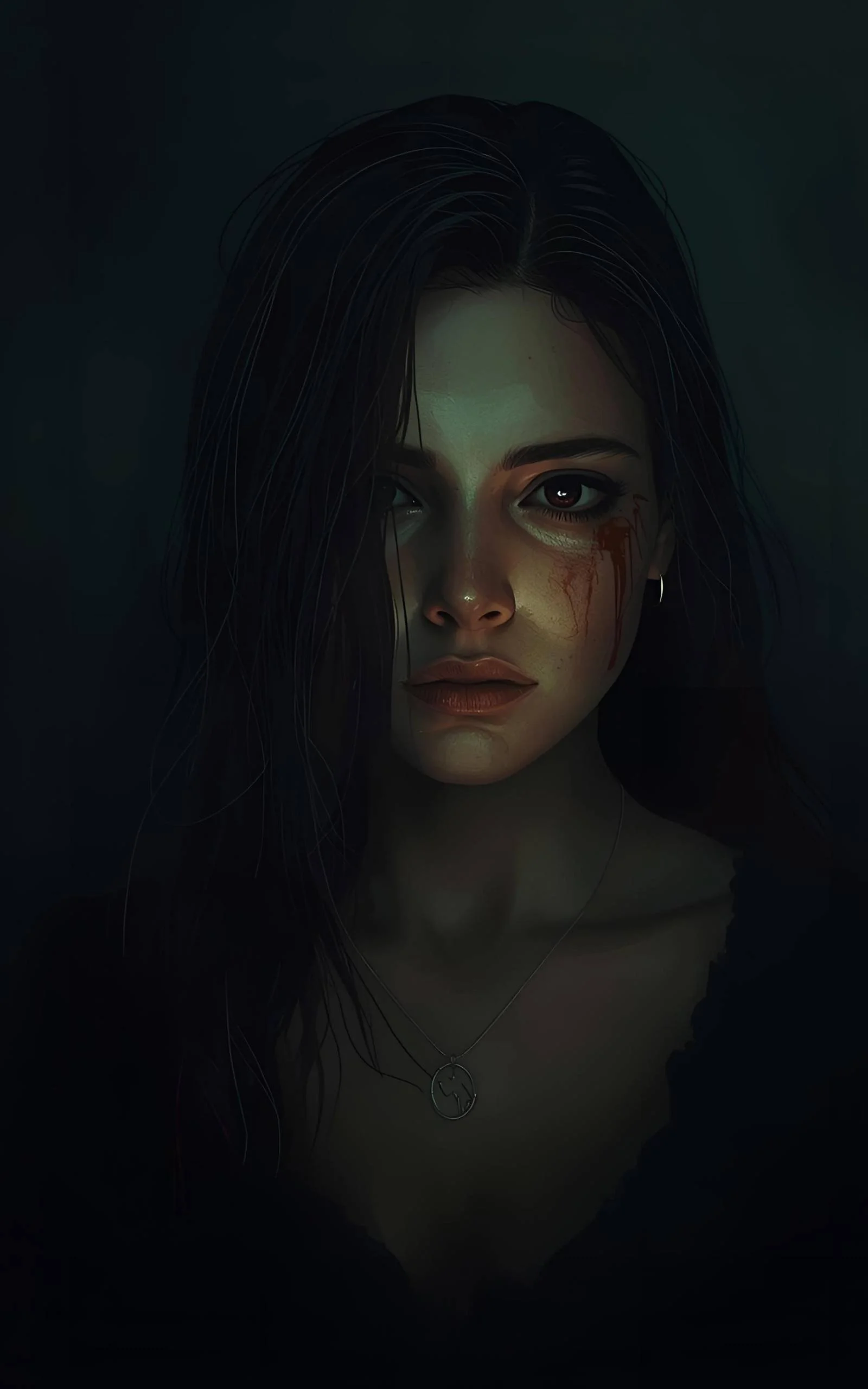
When She Goes Quiet
There is a particular kind of silence that isn’t peace, but surrender—the quiet that comes after a woman has spent years fighting to be heard, understood, or treated with care. It happens in marriages, friendships, families, workplaces—the slow erosion of her spirit mistaken for calm. This poem is about that silence. About what it costs a woman to finally stop fighting, and the haunting beauty of her stillness when she does. It’s not weakness. It’s the sound of someone reclaiming her last, unbroken piece of self.💚
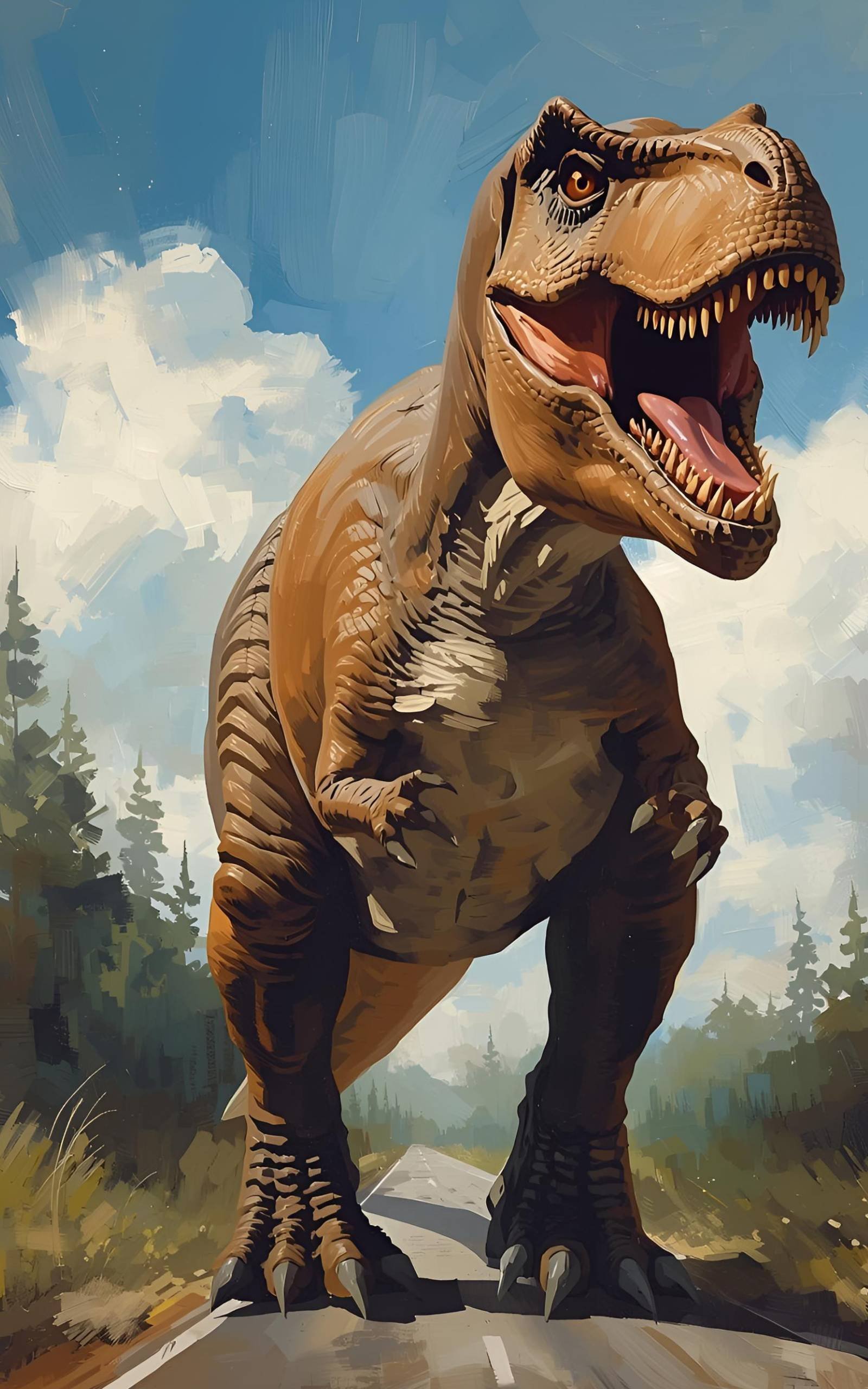
Cadillac Ranch
There are songs that belong to people more than they ever belonged to the radio. Cadillac Ranch is one of those for me. Every time it plays, I’m transported back to a different version of us—the one before distance and disappointment rewrote the map. This poem isn’t really about a car or a song, but about how something as simple as a few chords can summon an entire lifetime: the hope we built, the heartbreak that followed, and the haunting persistence of memory. Sometimes the only way to survive what’s gone is to keep writing it down, over and over, until the ache feels like art.💚
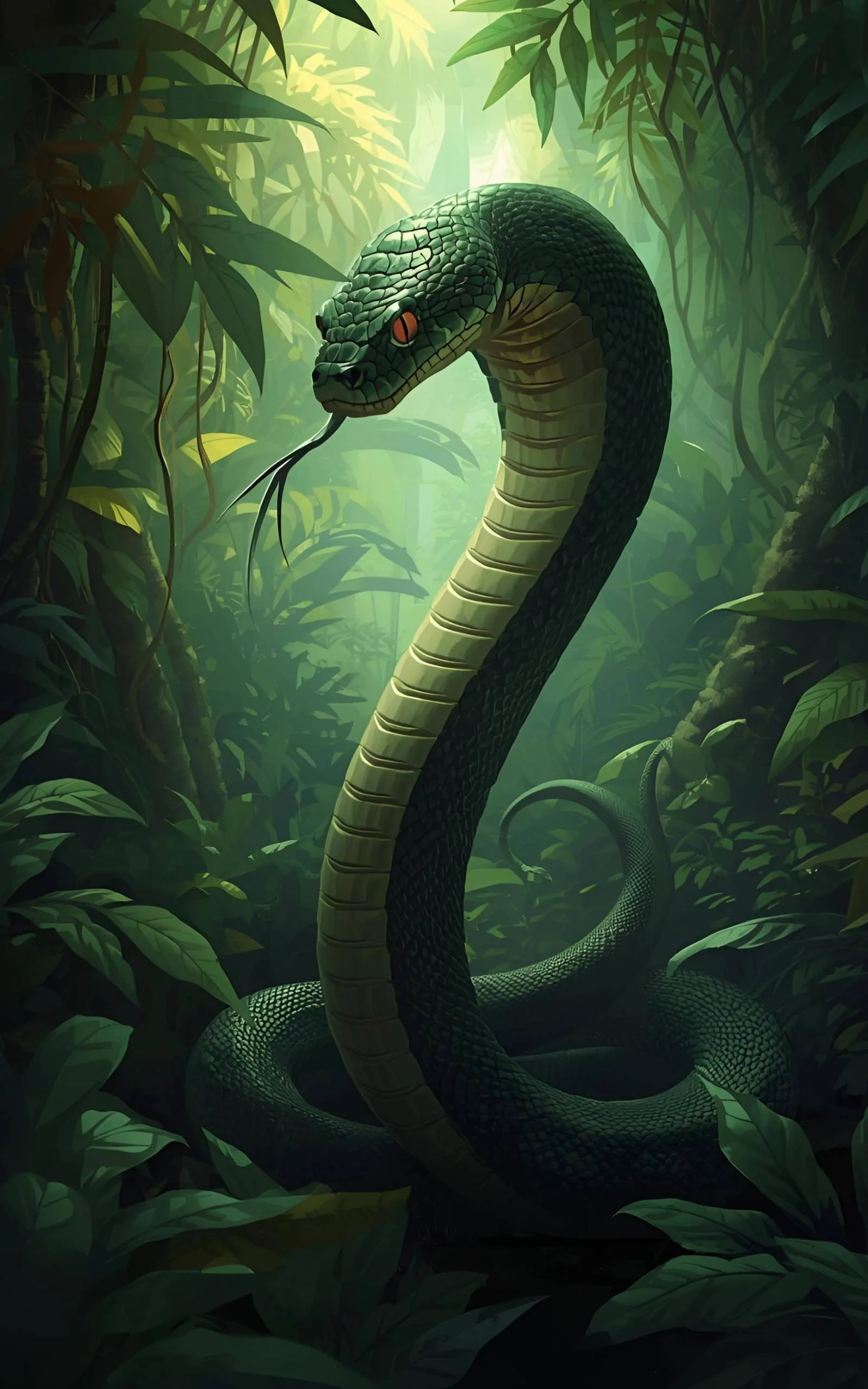
The Creature That Never Changed
This poem is about false transformation—the kind that masquerades as growth but is really just reinvention of the same harm. The Creature That Never Changed is a study in deceit: a being that sheds its skin not to evolve, but to disguise its rot. It’s about the predators who adapt only their masks, who mimic remorse and redemption while continuing to consume. The world often mistakes shedding for change, but this poem is a reminder that some creatures don’t evolve—they simply learn to hide their hunger more beautifully. 💚
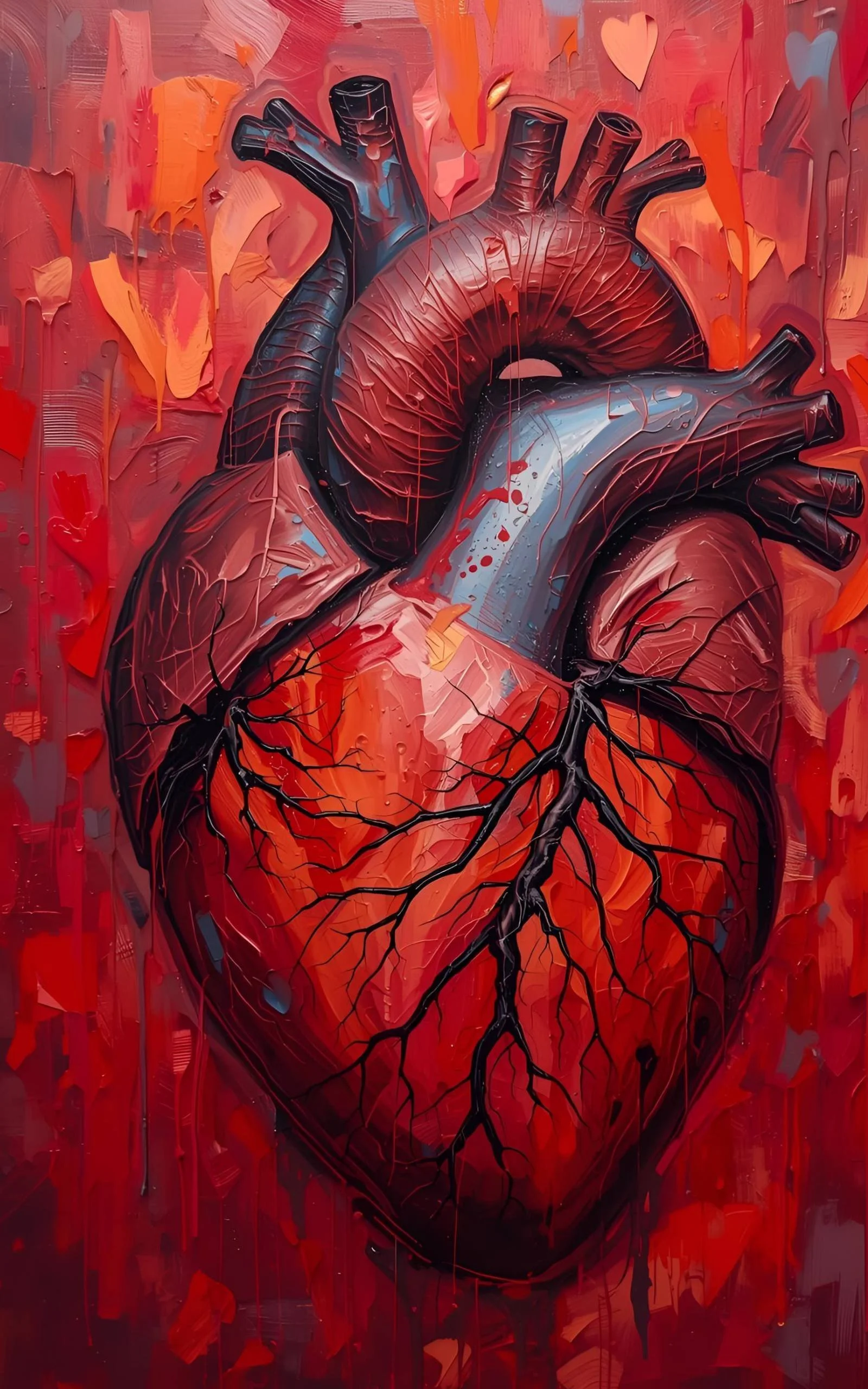
Where My Heart Rests
This poem is about peace—the kind that comes when love stops feeling like uncertainty and starts feeling like home. Where My Heart Rests is for the person who quiets the noise, who loves not just the easy parts but the scarred and trembling ones too. It’s about the rare kind of love that doesn’t demand transformation, only presence. The kind of love that feels like a hand reaching through the chaos to remind you that you are safe, seen, and exactly where you’re meant to be. It’s about him—and the grace of finally arriving somewhere that feels like forever. 💚
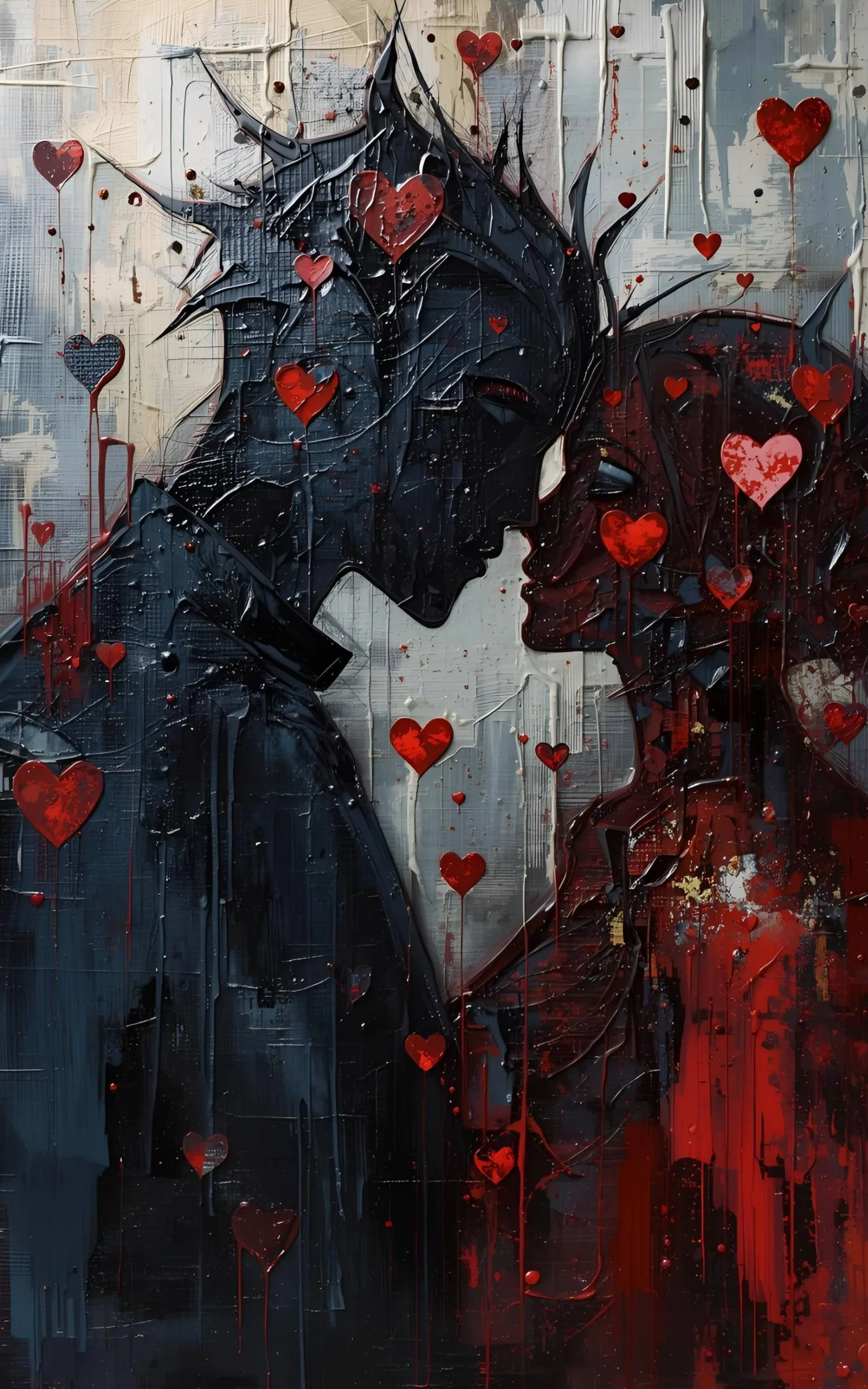
I Get to Call You Home
This poem is about the kind of love that feels like exhale after years of holding your breath. I Get to Call You Home is for the person who steadies the world just by standing in it—the one whose laughter softens the hard edges of every day. It’s about finding safety not in walls or places, but in a person. The kind of love that doesn’t need grand declarations to be extraordinary because its power is in its peace. It’s about the simple, staggering miracle of finding your home in someone’s heart—and getting to stay there. 💚
There Is Still Good in the World?
Some poems are written from the centre of survival—the quiet aftermath where you’re trying to remember what it feels like to believe in light again. There Is Still Good in the World? is about that search. It’s about what happens when cruelty tries to shrink your world to the size of your pain, and how—slowly, stubbornly—you begin to find small proofs of beauty again. A loaf of bread rising. A song that still reaches you. A heartbeat that still belongs to you. It’s a question, yes—but one that ends with breath.💚
You Won (I Think I’m Dying Here)
Some poems come from a place beyond words — from the hollow where endurance turns into silence. You Won (I Think I’m Dying Here) is one of those. It’s about what happens when cruelty becomes a constant presence, when the act of surviving starts to feel like burning. It isn’t a poem of surrender, but of truth — the kind that hurts to name, the kind that lives in the space between fading and fighting.💚
Blood in the Water
This poem is about the moment cruelty becomes contagious—the way abusers and enablers circle when they sense vulnerability, each taking their bite and calling it righteousness. Blood in the Water uses the metaphor of a feeding frenzy to explore how pain draws predators, and how survival becomes an act of defiance. It’s about what remains after the attack—the bone-deep resilience of someone who refuses to drown. Even when the water runs red, even when everything that can be torn is gone, what’s left still rises to the surface.💚
What I Remember
This poem is about memory—the kind that doesn’t play like a film but lingers like smoke. What I Remember came from the realisation that trauma doesn’t archive moments; it archives sensations. I don’t remember the exact words, the order of events, or the arguments that undid me—but I remember the ache, the confusion, the slow erosion of self. It’s about how narcissistic abuse and coercive control don’t just take your peace; they rewrite your perception. And yet, somehow, in the blur of it all, you survive. You rebuild. You remember yourself, even when you can’t remember what happened. 💚
The Corrosive Touch
This poem is a warning disguised as a story. The Corrosive Touch is about the kind of person who ruins quietly—the ones who don’t destroy with fire or fury, but with erosion. It’s about the subtle decay that begins when someone’s charm starts to taste like control, when affection feels like diminishment. Some people don’t burn what they touch—they corrode it, slowly, invisibly, until what’s left no longer remembers its own shine. This poem is for everyone who has mistaken corrosion for love. 💚
Sinister
This poem explores the nature of evil—not the loud, cinematic kind, but the quiet, deliberate kind that hides behind charisma and imitation. Sinister is a story about what happens when two malignant souls find each other and recognise themselves at last. It’s about the rare, terrible comfort of being understood by someone who shares your darkness, and the devastation that follows when depravity stops feeling lonely. This is not a love story. It’s a mirror held up to the parts of humanity we pretend not to see.💚
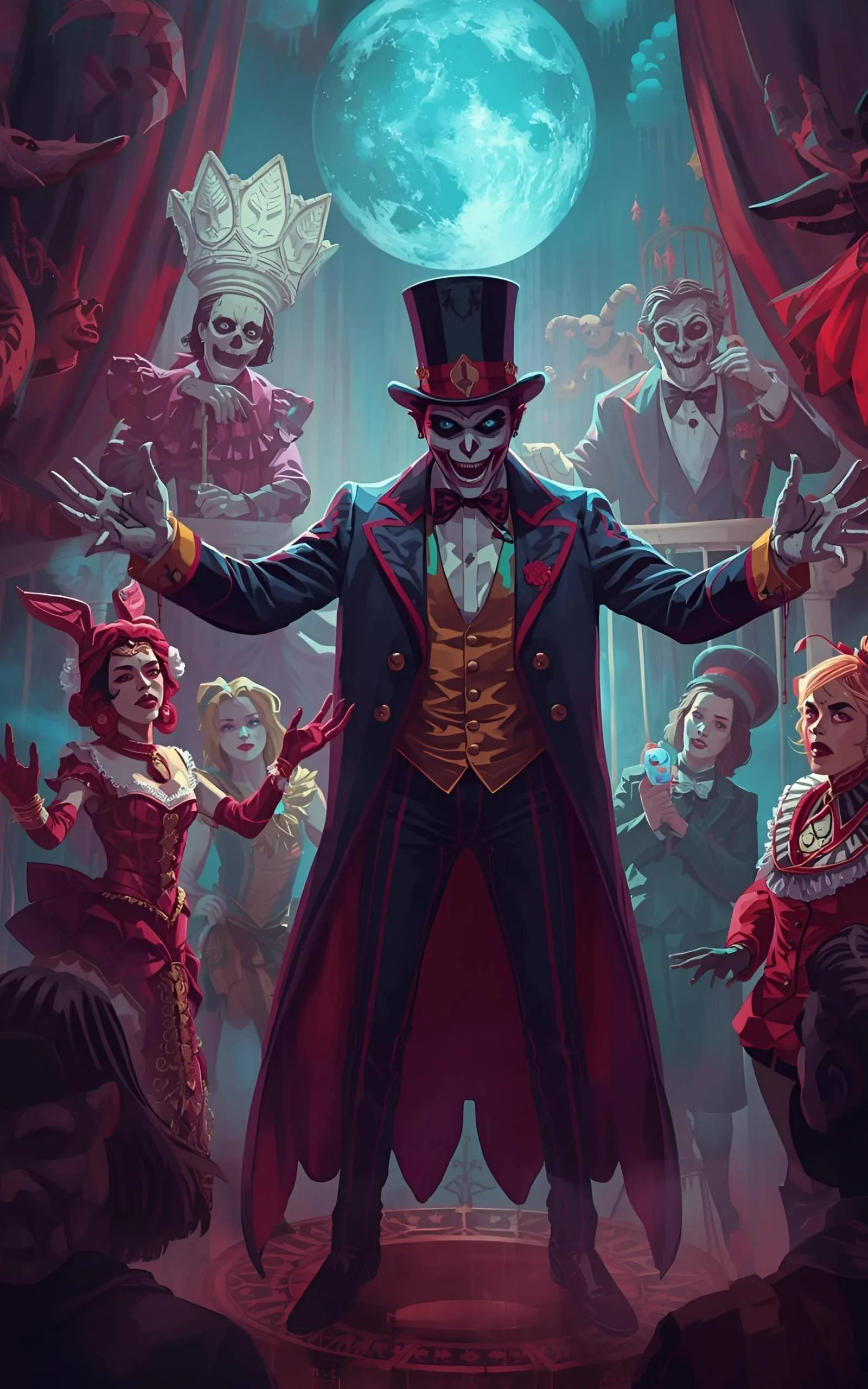
The Horror Show
This poem is an allegory for the generational theatre of pain—the way dysfunction, cruelty, and control disguise themselves as tradition. The Horror Show is about the performance of harm, the masks we inherit, and the silent rebellion that begins the moment someone dares to step out of the script. It isn’t about any one family—it’s about all of us, about the spectacle of survival that continues until someone finally refuses to perform.💚
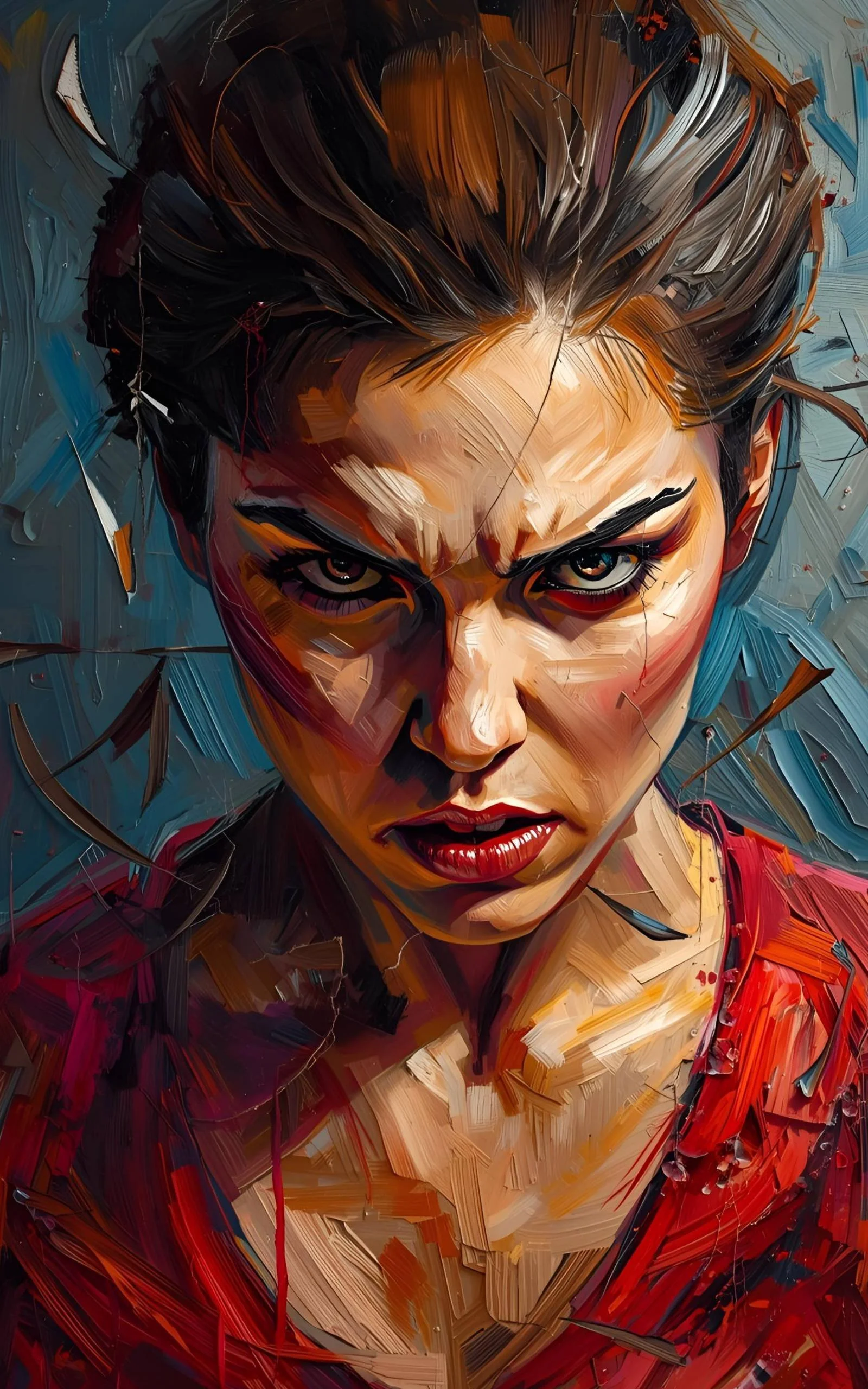
You’ve Never Met Me
This poem was written for every time someone thought they had me figured out before I ever opened my mouth. You’ve Never Met Me is about what happens when you stop letting other people define your story. It’s for anyone who has been underestimated, misjudged, or spoken for—and found strength in the silence that followed. It’s a reminder that perception is not truth, that resilience doesn’t need recognition, and that no amount of hate or assumption can break what has already learned how to endure.💚
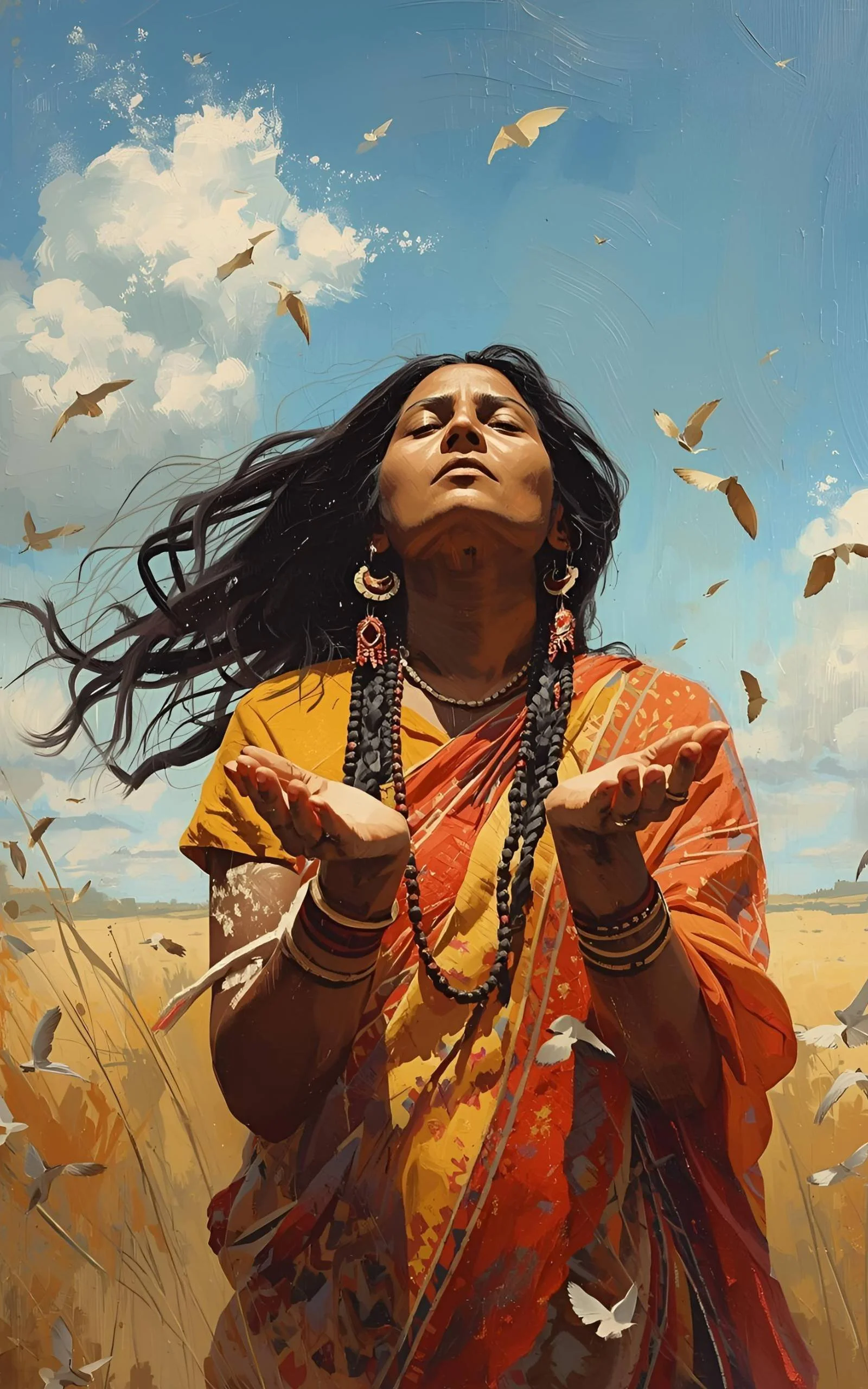
Unclenched Fists
There comes a point when holding on becomes its own kind of wound. Unclenched Fists was written for that moment—the one where love and grief blur together, where your hands ache from trying to preserve something that was never yours to keep. It’s about the slow, painful courage of release. The realisation that letting go isn’t failure—it’s freedom. And that sometimes the only way to heal is to open your hands, let the wind take what’s left, and finally feel how light you were meant to be.💚
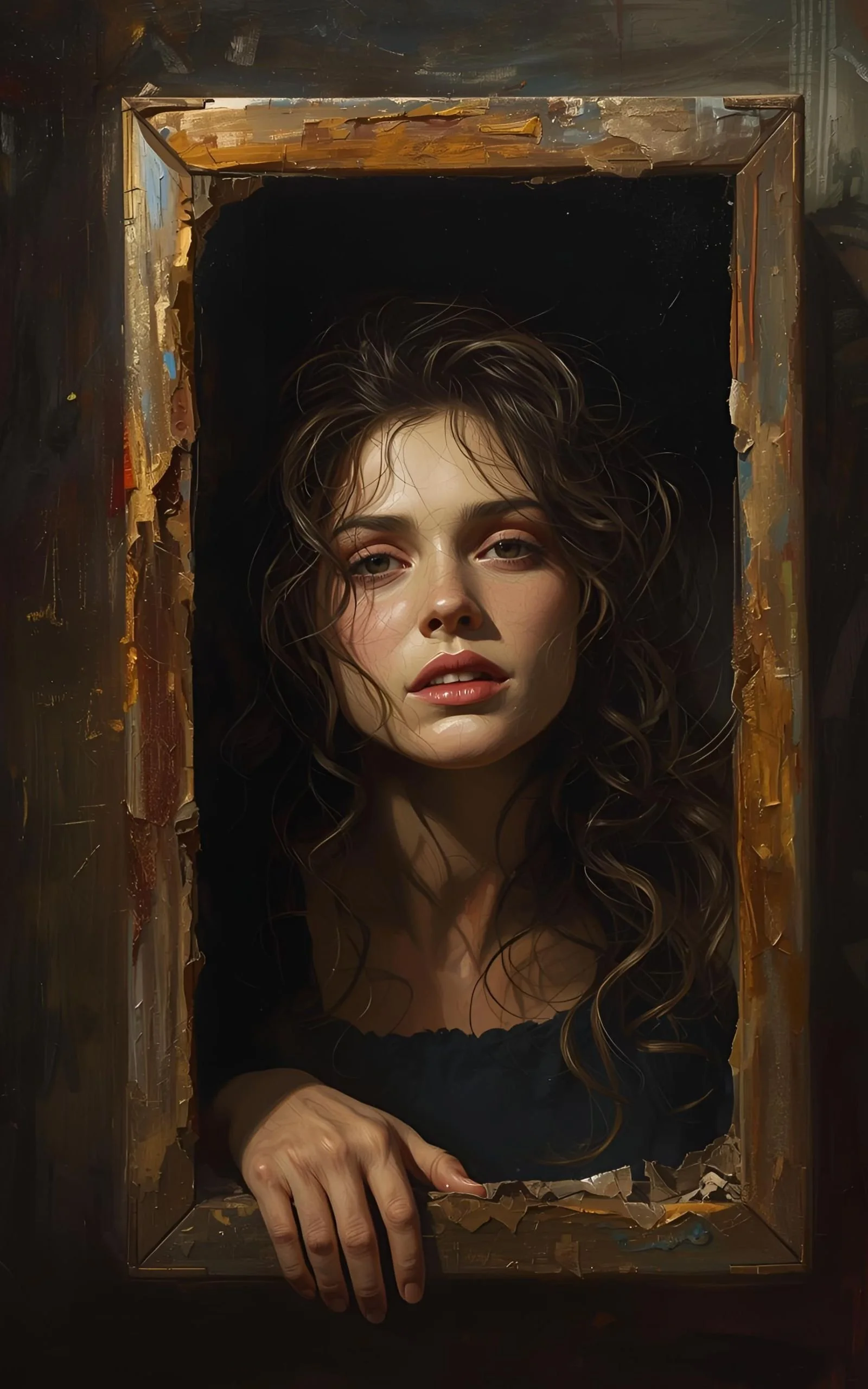
THERE IS NO OUTSIDE
This poem was written from inside the collapse—from the place where noise becomes pressure and survival becomes ritual. It is not a plea, nor a protest, but a record of erosion: the slow undoing of a person under the weight of intrusion, distortion, and fear. When the air itself turns witness, when safety becomes theoretical, what remains is only the quiet choosing of an ending. This is that quiet.💚
The Smallness of Afraid
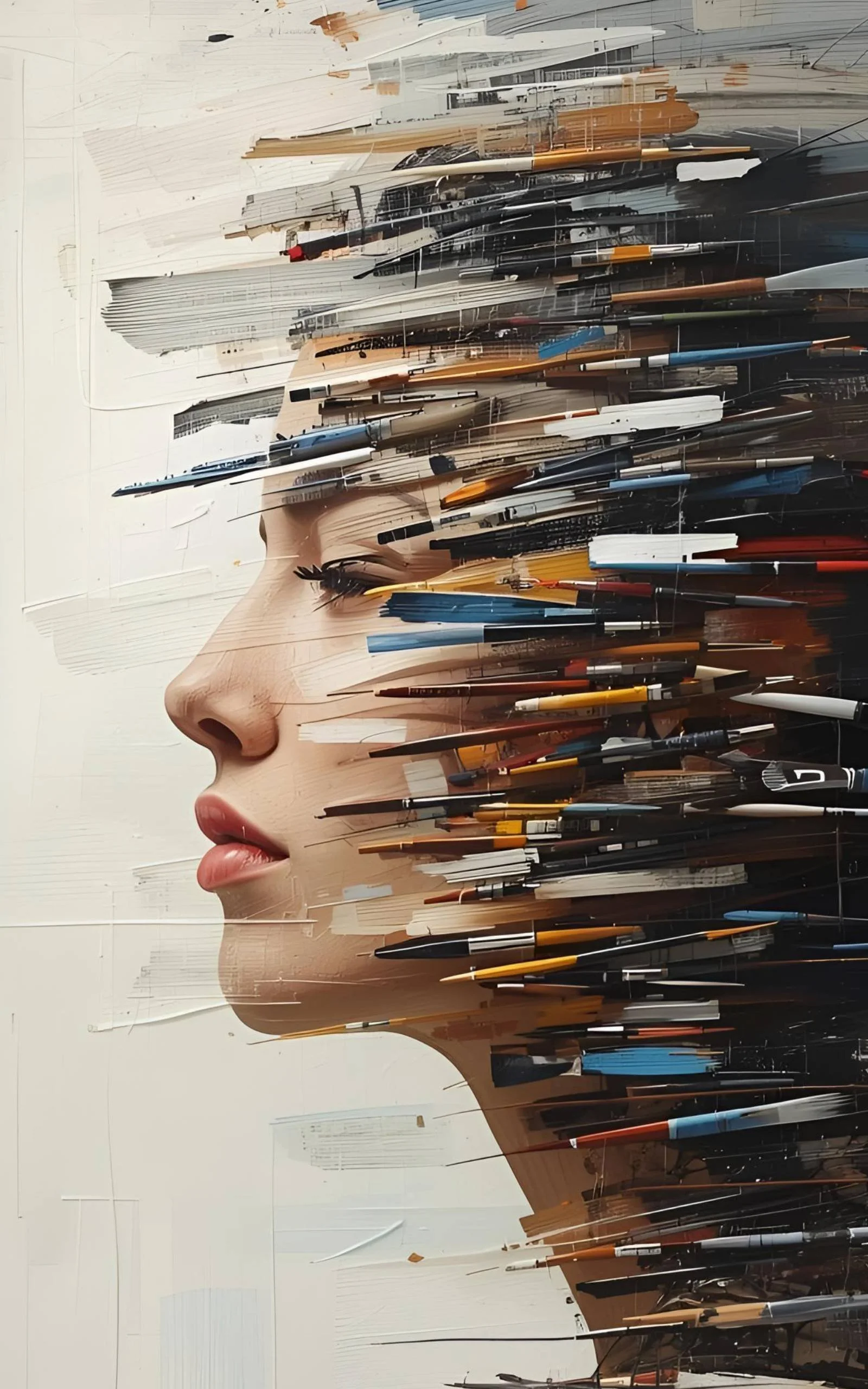
There is a kind of fear that doesn’t end—it simply learns to breathe beside you. The Smallness of Afraid is a poem about living inside that fear: the unending present of being watched, hunted, or harmed, where control is gone and help feels unreachable. It speaks to the way terror remakes the world—how it shrinks vast lives into cautious movements, how even joy becomes an act of survival. This is not the story of what happened after. It’s the story of what it means to still be here, in the thick of it, where light itself turns complicit and breath feels borrowed.💚
Do it Anyway
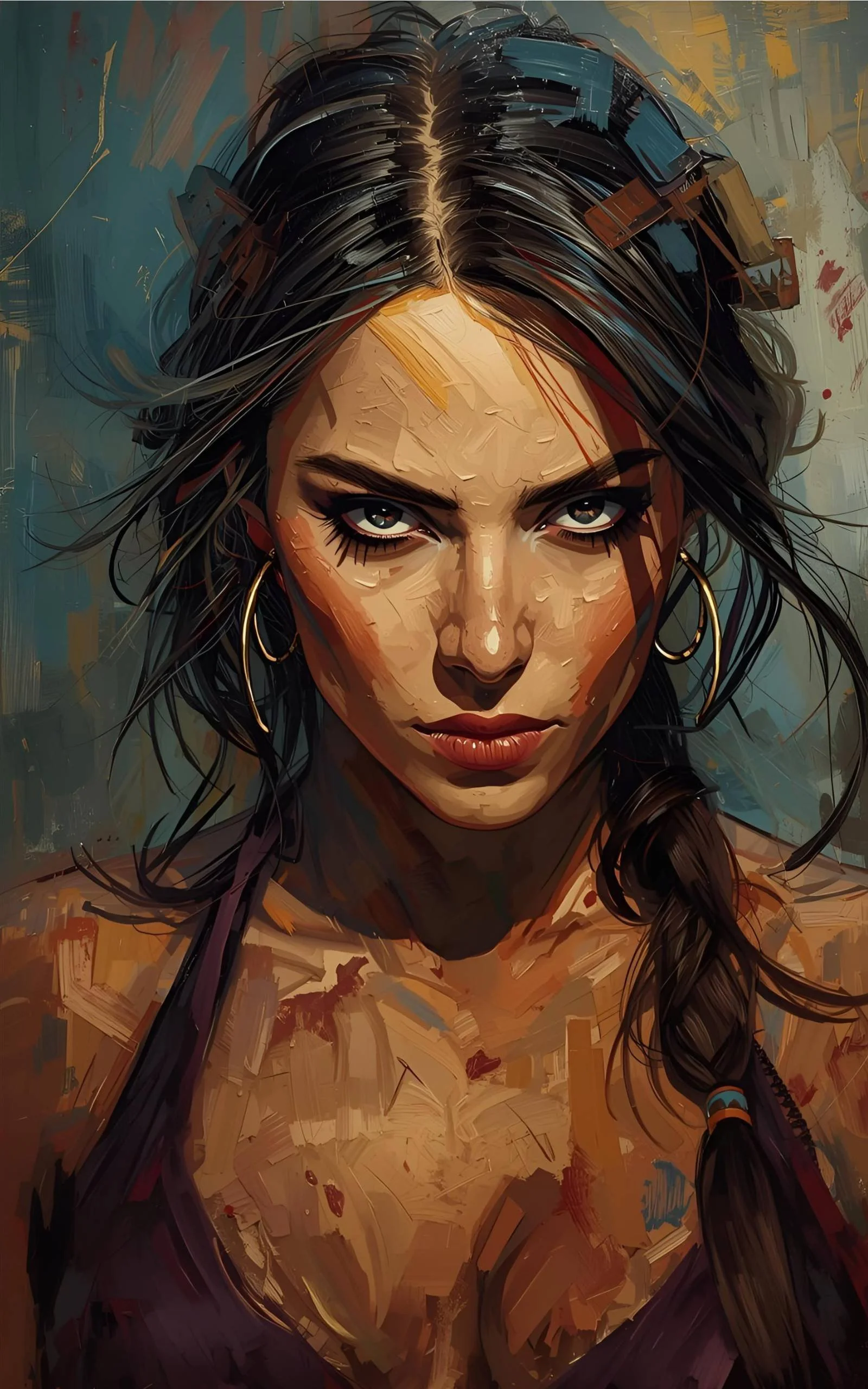
This poem was written for the days when fear feels louder than faith, when doubt claws at your ribs and whispers that you have no right to try. Do It Anyway is a rallying cry for every person who has ever looked at their dreams and thought, “Who am I to want this?” It’s a reminder that bravery isn’t the absence of fear—it’s the decision to move through it. Because you’ll never feel ready, and that’s the point. The work that changes you, the leap that transforms you, the art that saves you—all begin when you decide to do it anyway.💚
What Remains
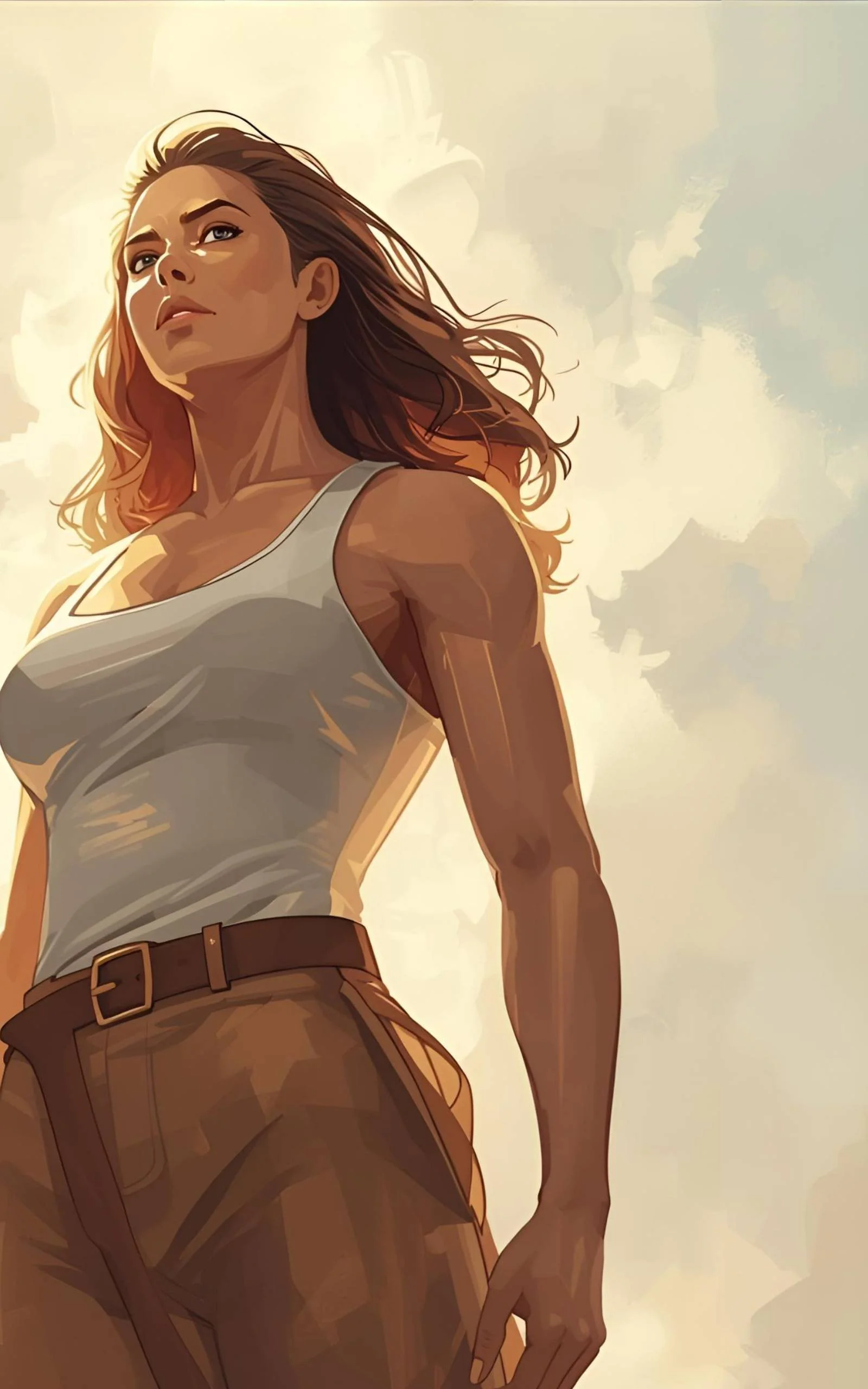
This poem came from the question of what’s left when everything else is gone—when the scaffolding of identity, comfort, and belonging has been stripped away. We spend so much of life measuring our worth by what we build, earn, or hold onto, forgetting that the truest power isn’t in what we possess—it’s in what remains after loss. What Remains is about that unshakable core. The part of you that endures every ending, outlives every version of who you were supposed to be, and still stands—strong, radiant, and utterly yourself. Because when everything else is gone, you are still here. And that is the most powerful thing of all.💚
Poetry by Britt Wolfe
I publish a new poem every Sunday. Sometimes they're tender. Sometimes they're rage in a nice outfit. All of them are my attempt to make sense of the human experience using metaphors, emotionally charged line breaks, and what I choose to believe are perfectly reasonable coping mechanisms.
A quick note before we go any further: these poems are works of fiction. They may borrow from emotions, observations, memories, questions, or passing moments that refuse to leave me alone, but they are not diary entries. Poetry lives somewhere between truth and imagination, and I'm far more interested in emotional honesty than factual accuracy. Sometimes a poem begins with a feeling. Sometimes it begins with a sentence. Sometimes it begins because a particular image won't let me go.
Poetry, for me, isn't about answers. It's about paying attention. It's about taking the messy, beautiful, heartbreaking experience of being human and turning it into something that can be held for a moment before it slips away again.
You'll find familiar themes wandering through these pages: love, grief, hope, identity, healing, joy, heartbreak, and the strange ways we survive one another. Some poems will whisper, "Hey... you okay?" Others will arrive carrying a crowbar and a strong opinion. I make no promises about which version you'll get.
Think of these poems as an ongoing conversation—one I'm continually having with the world, with myself, and occasionally with whatever part of us still believes words can help.
Thanks for being here.
This poem marks a deliberate turning point: not self-love declared prematurely, but self-harm consciously ended. Ceasefire frames acceptance as a strategic decision rather than an emotional breakthrough—an agreement to stop treating the self as an enemy while acknowledging that affection may come later. It holds optimism without erasing damage, offering a vision of peace that is tentative, earned, and quietly radical: the permission to exist, unfinished, without continuing the war.