Meet Me in My Words:






Why I Write to You Every Morning
Every morning, I write something new — sometimes soft, sometimes sharp, always true to the feeling in me.
A gentle note, offered with love: these poems are works of fiction. They are not diaries, confessions, or evidence. They are feelings passing through language, moments being processed, emotions trying on metaphors to see what fits. If you recognise yourself in them… well. That’s between you and the poem.
When you subscribe, that day’s poem arrives in your inbox at 11:11 AM, every single day. No scrolling, no noise, no algorithms gently screaming for your attention. Just words, delivered on purpose, waiting quietly for you to meet them where you are.
And if you’d like to linger a while longer, you can meet me in my words below. 🌿
Adaptation
Adaptation explores the invisible ways people evolve in order to survive emotional injury. Rather than depicting resilience as dramatic transformation, this poem traces the subtle recalibrations that occur beneath the surface—shifts in perception, boundary, and self-preservation that are almost imperceptible from the outside. It reflects on adaptation as a form of intelligence: a quiet, strategic reordering of the self that allows tenderness to endure without remaining exposed to harm. This is a poem about survival not as spectacle, but as precision—and about the profound life that continues after pain has reshaped the landscape within.
The Bones Are Good
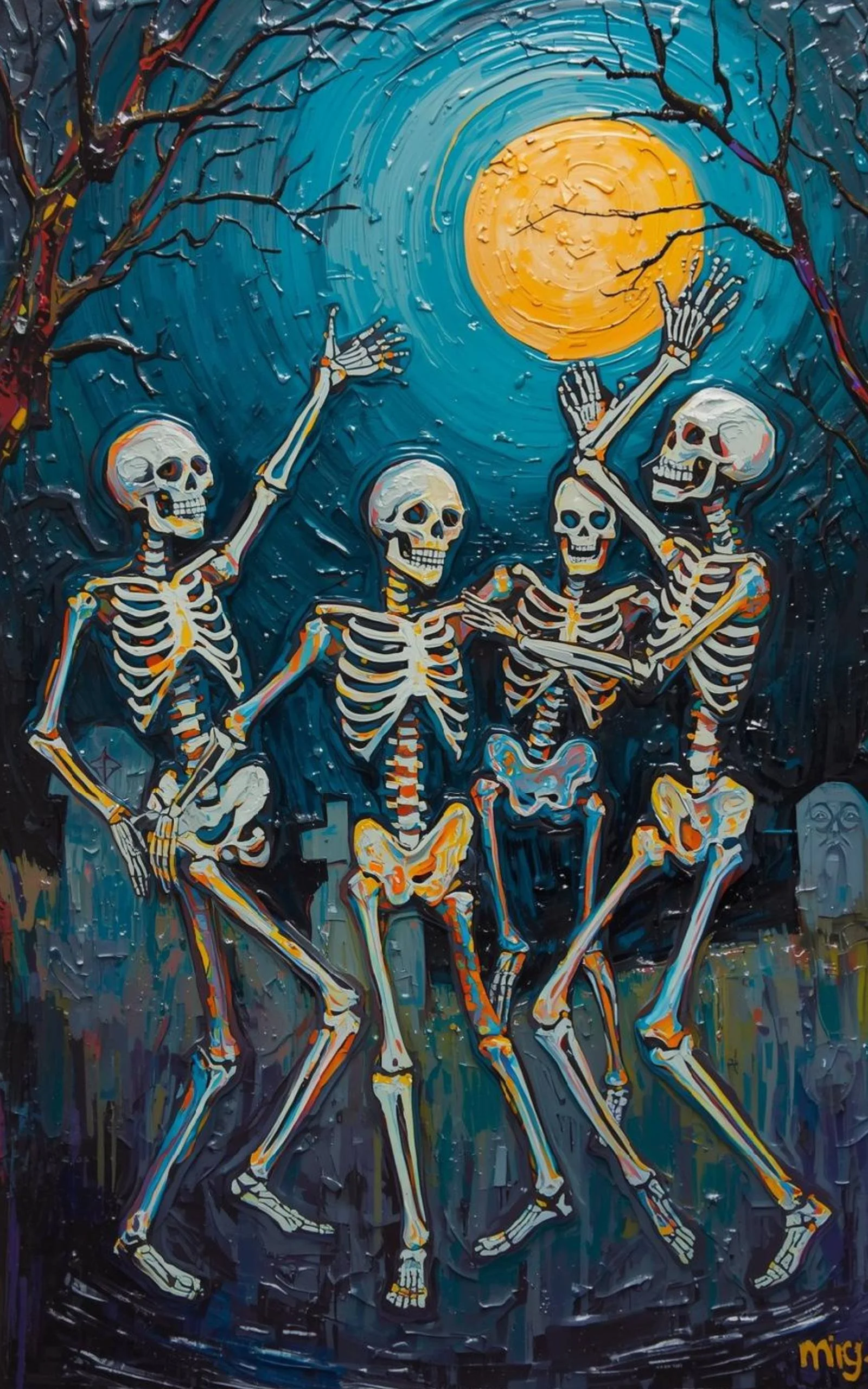
The Bones Are Good is a meditation on lineage, resilience, and the relief of rediscovering where one truly comes from. Through the language of roots and growth, this poem reflects on how dysfunction in one small part of a family can obscure the strength of a much wider inheritance. It explores the joy of reconnection—of finding abundance, warmth, and care in extended kinship—and reframes belonging not as proximity to harm, but as alignment with what is enduring and life-giving. This is a poem about returning to what was always there, waiting to be claimed.
The Empath and The Worm
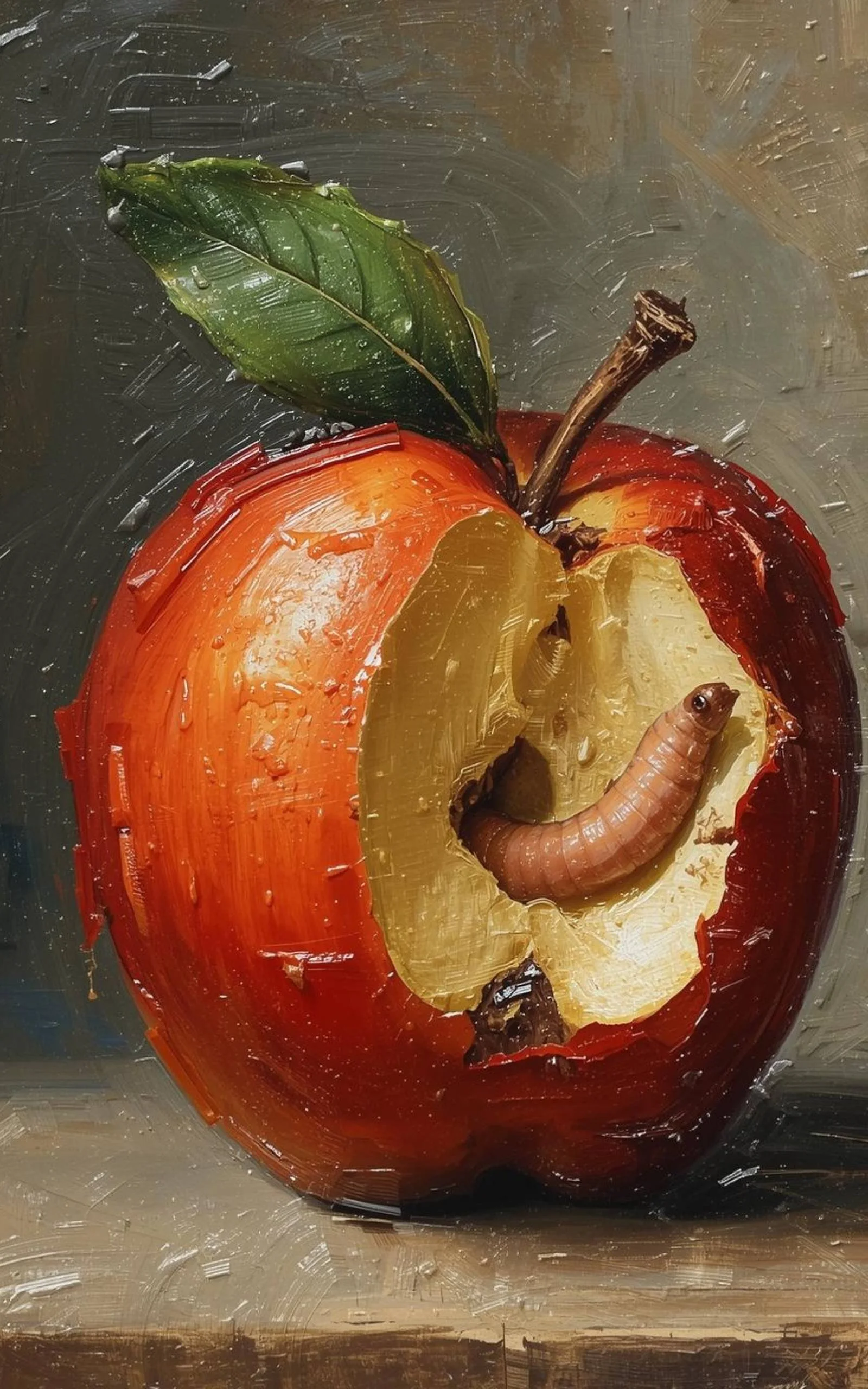
The Empath and The Worm examines the asymmetric psychological dynamic between empathic individuals and narcissistic personalities, grounding its imagery in well-documented patterns of manipulation, projection, and emotional predation. Drawing on psychological concepts rather than metaphorical mysticism, this poem explores how empathy is exploited as a resource, how boundaries are reframed as harm, and how care is weaponized against those inclined to offer it. Rather than dramatizing the encounter, the poem anatomizes it—revealing disengagement, not confrontation, as the true point of power. This is a poem about recognition, withdrawal, and the quiet finality of choosing not to be consumed.
The Golden Egg
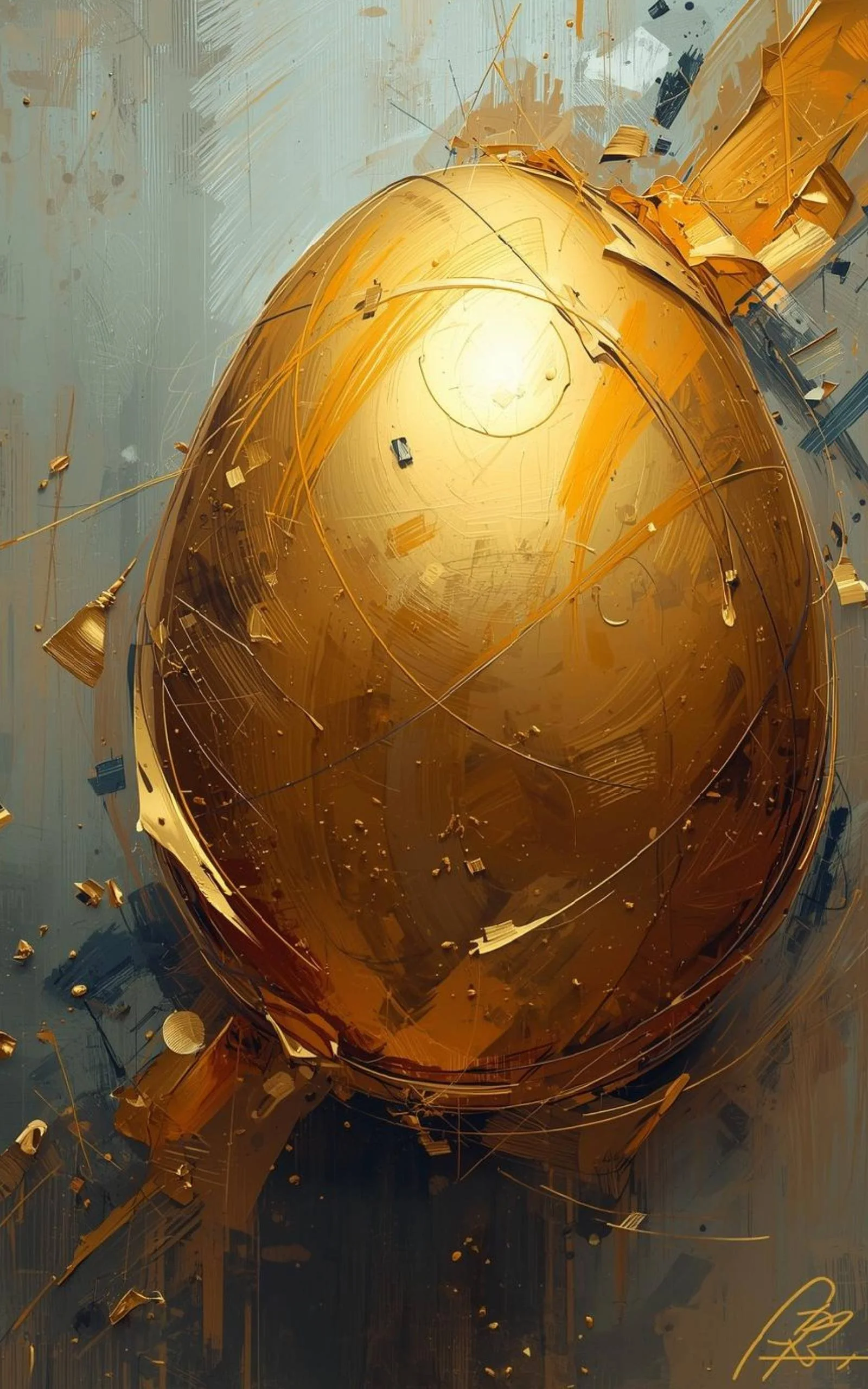
The Golden Egg is a meditation on the cost of conditional love within narcissistic family dynamics, focusing on the child elevated, protected, and quietly erased all at once. This poem approaches the golden child not as a villain, but as a casualty—shaped by approval, deprived of autonomy, and taught that safety depends on perfect alignment. It explores how borrowed power replaces identity, how specialness becomes a trap, and how the absence of a self is often mistaken for strength. Above all, this poem is an act of mourning: for the person who might have existed if love had not required such total surrender.
This Is Not A Game
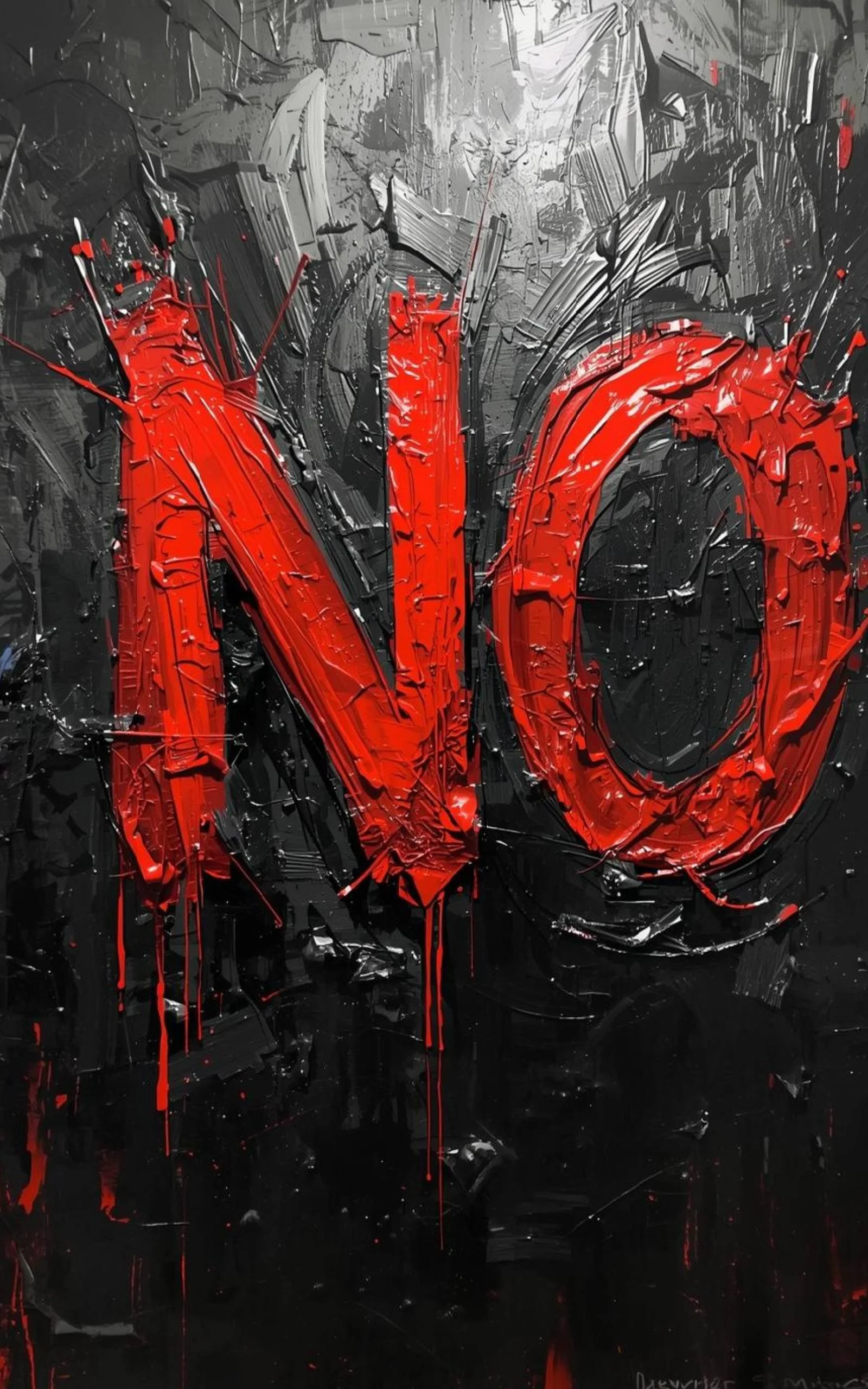
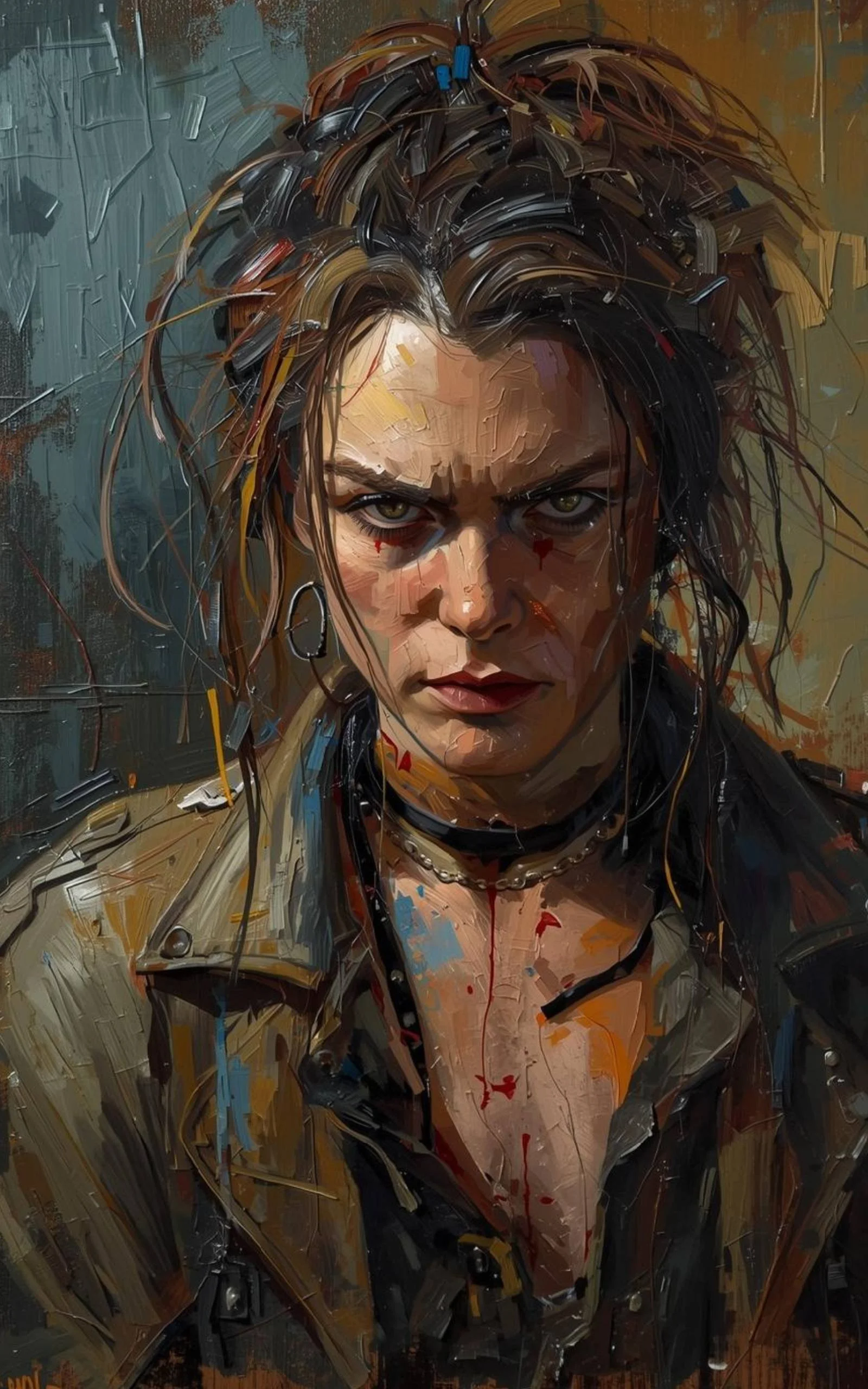
This Is Not a Game is a declaration of irrevocable boundary, written in response to repeated violations disguised as persistence, entitlement, or misunderstanding. This poem rejects the minimization of harassment and exposes the manipulation embedded in refusing to accept no as an answer. With controlled fury and precise language, it dismantles the fantasy that access can be negotiated once consent has been withdrawn. This is not a plea or an explanation—it is a formal severance, asserting autonomy with clarity, contempt for intrusion, and the certainty of an ending that does not require agreement.
The Misery You Make
The Misery You Make examines suffering not as an accident of circumstance, but as a consequence of sustained choice. This poem interrogates how comfort, when paired with entitlement and avoidance, can curdle into resentment—and how that resentment is often externalized through harm inflicted on others. Rather than locating misery in trauma or loss, it exposes the quieter, more unsettling reality of self-manufactured suffering: the kind created to avoid accountability, introspection, and growth. This is a poem about ethical causality—and about the cost of refusing to become more when nothing is standing in the way.
All Their Projections
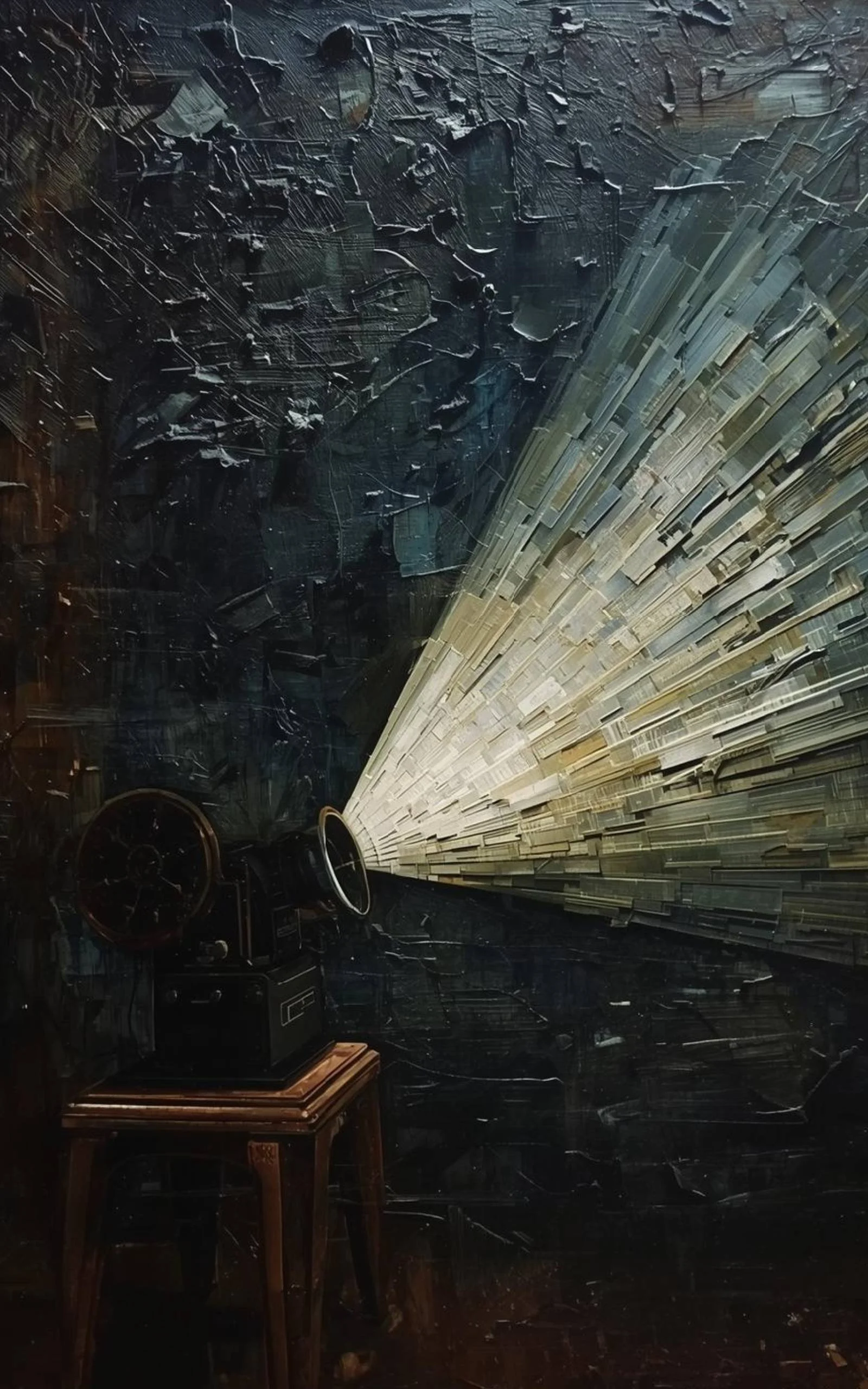
All Their Projections is a clinical and moral dissection of narcissistic defence, examining how projection functions not as a momentary lapse, but as a structural necessity within narcissistic pathology. Drawing on psychological language and diagnostic insight, this poem exposes the mechanisms by which shame, guilt, and aggression are expelled and reassigned to others in order to preserve grandiosity and avoid accountability. It interrogates the violence of moral inversion—where the harmed are recast as perpetrators and truth itself becomes a threat—and reveals projection not as power, but as evidence of a psyche organized around evasion rather than integrity. This is a poem that names the system, not just the damage.

Attitude of Gratitude
Attitude of Gratitude interrogates the difference between performative positivity and lived, authentic gratefulness. Rather than presenting gratitude as a prescribed mindset, this poem explores it as a slow, earned orientation—one that cannot bypass pain or be adopted on command. With philosophical restraint, it traces the space between knowing and embodying, acknowledging the work required to arrive at gratitude without denying truth. This is a poem about refusing spiritual shortcuts, choosing authenticity over optics, and trusting that real gratefulness emerges not through posture, but through presence.
Listening to Brené Brown and Walking in the Woods
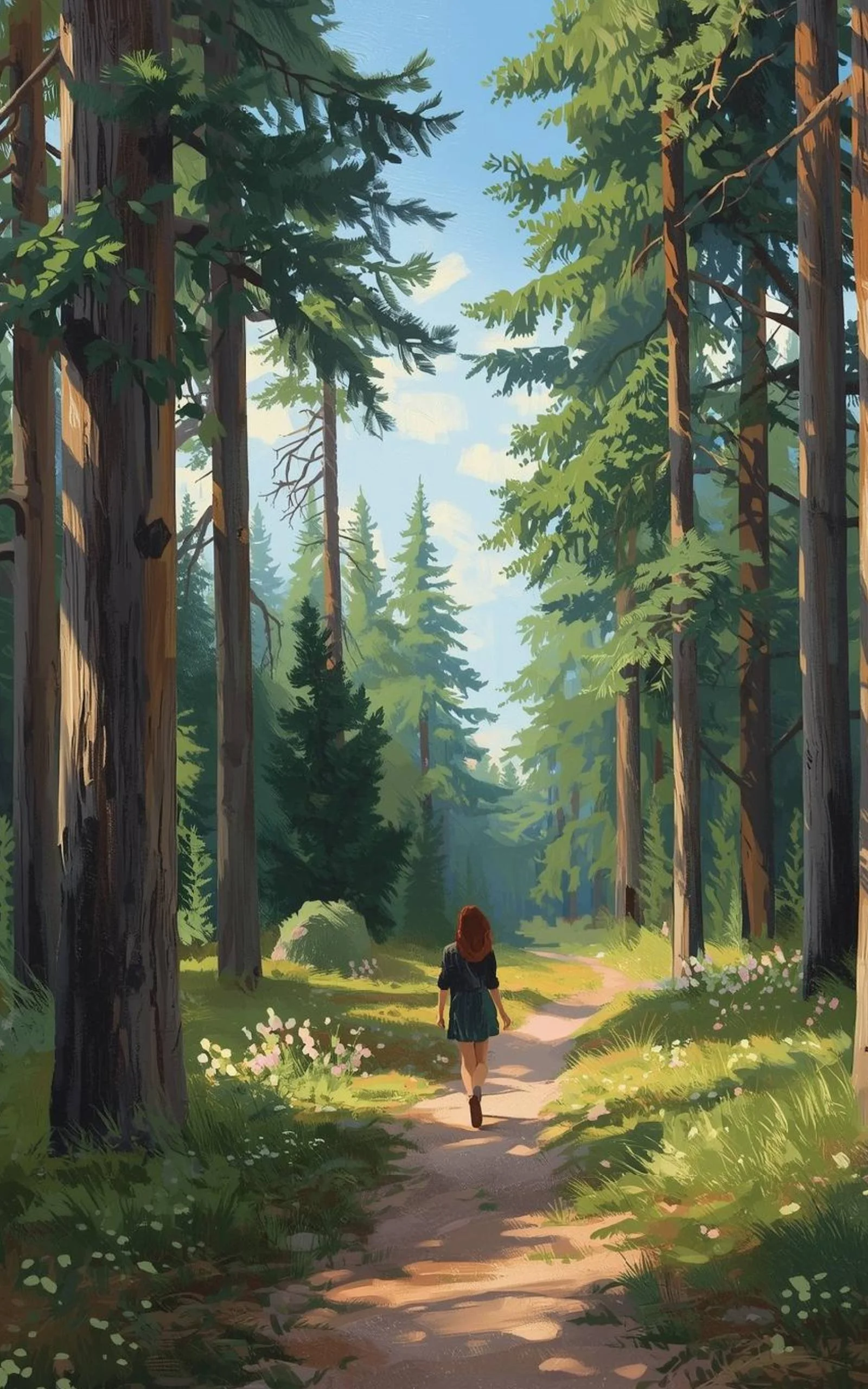
Listening to Brené Brown and Walking in the Woods is a meditation on healing that resists drama and instead returns to wonder. Rather than recounting pain directly, this poem follows the subtle reawakening that happens when insight meets movement, and when the natural world offers its steady, ancient reassurance. It reflects on the sacredness of breath, body, and belonging, suggesting that meaning—and even divinity—are found not in answers, but in the shared continuity of life itself. This is a poem about remembering how to be present, and about the soft, enduring companionship of healing as it unfolds.
Pushing Harder
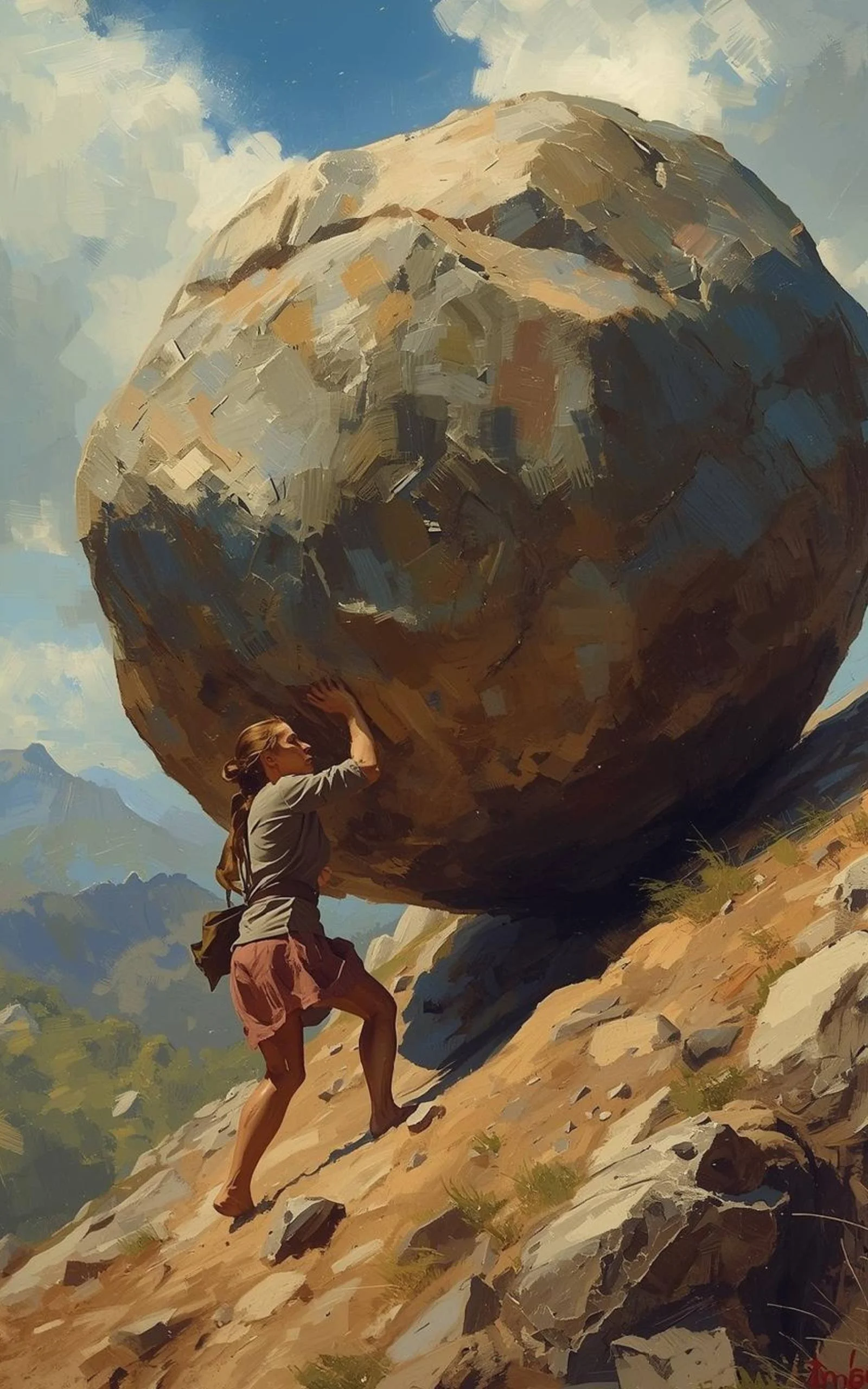
Pushing Harder is a meditation on disciplined ambition—the kind rooted in responsibility rather than fear. This poem examines the drive to create, build, and refine across every aspect of life, while refusing to romanticize exhaustion or credit suffering for strength. It acknowledges the cost of relentless momentum, the lessons learned through fracture and failure, and the evolution from force to discernment. Ultimately, this poem celebrates perseverance as a cultivated skill: a form of intelligence that knows when to press forward, when to listen, and how to pursue excellence without turning ambition into self-harm.
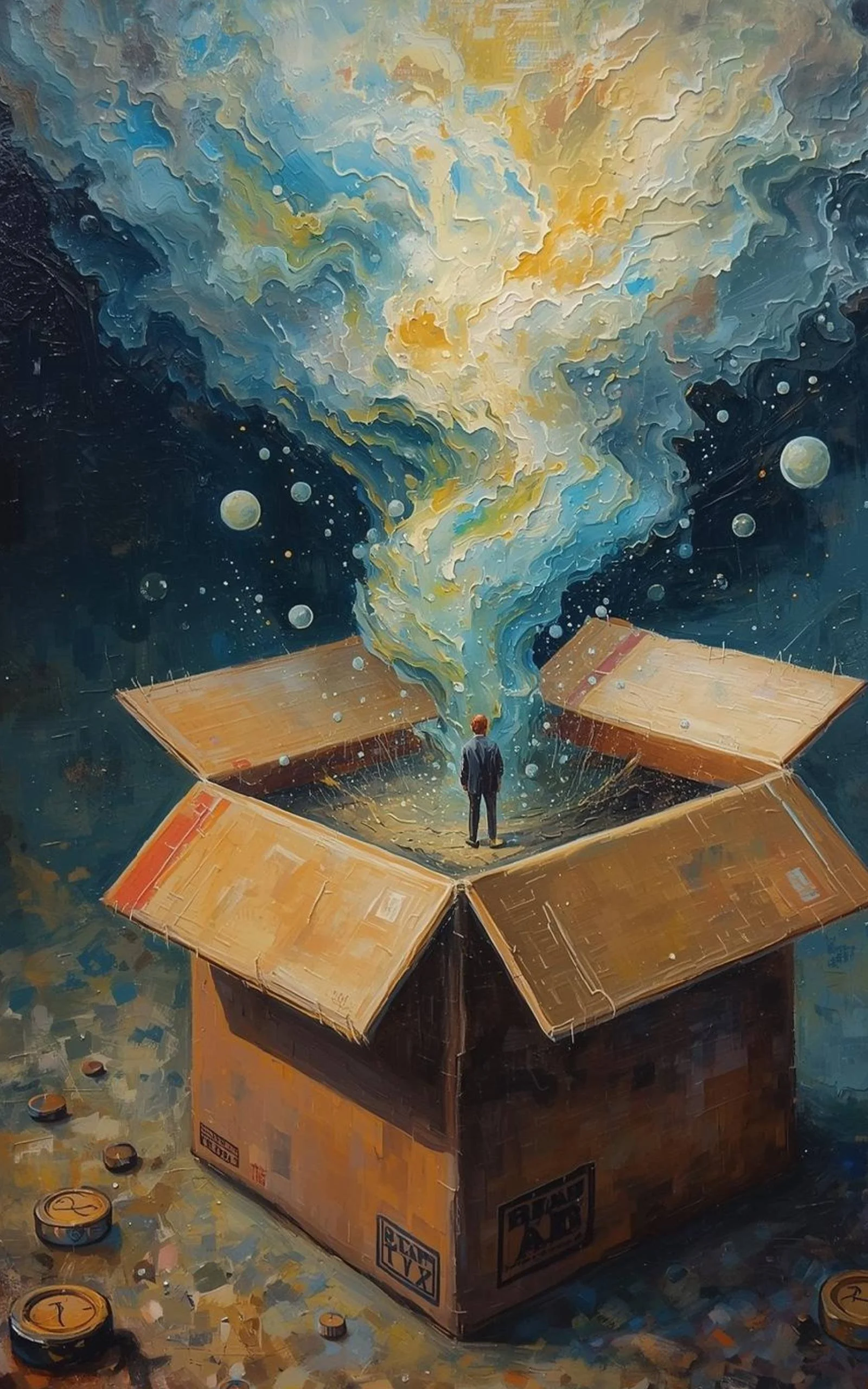
Boxes
Boxes reflects on the subtle, often well-intentioned ways we organize our relationships—and the unseen cost of that order. Rather than condemning the impulse to define roles, this poem examines how categorization can quietly limit intimacy, curiosity, and growth. It considers what is lost not through conflict or refusal, but through assumption: the connections that never deepen because they were never allowed to. This is a meditation on the difference between kindness and openness, and on the expansive possibilities that remain untouched when we mistake clarity for completion.
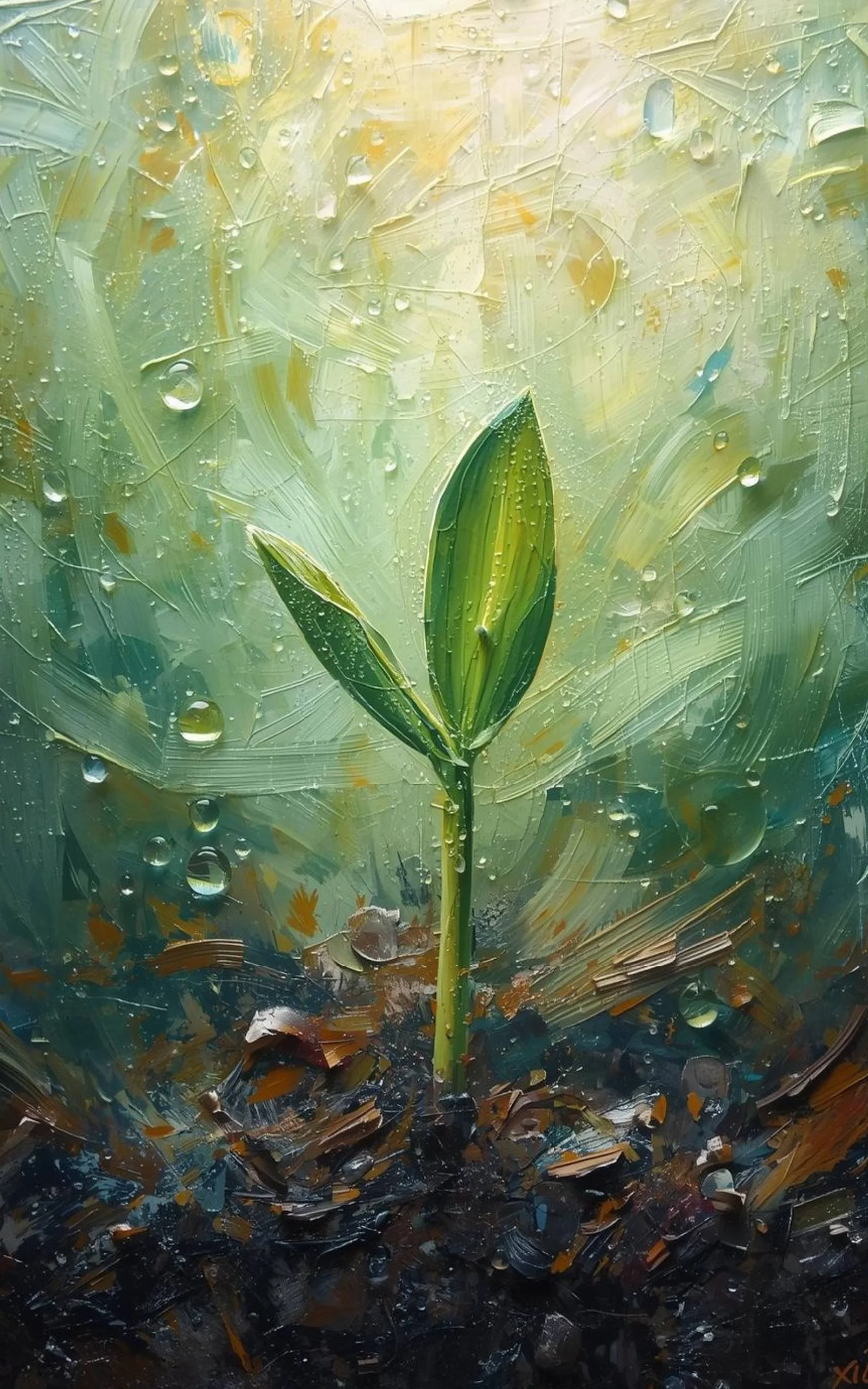
(I Didn’t Just Survive Them) I Outgrew Them
(I Didn’t Just Survive Them) I Outgrew Them reframes survival as a threshold rather than an identity. This poem moves beyond the language of endurance to explore what happens after harm is metabolized—when growth creates distance, scale, and perspective that render former threats irrelevant. It is not concerned with proving resilience or revisiting injury, but with naming the quiet power of expansion: the moment when a life becomes too large to be shaped by those who tried to contain it. This poem stands as a declaration of arrival—not back to who one was, but forward into something bigger.
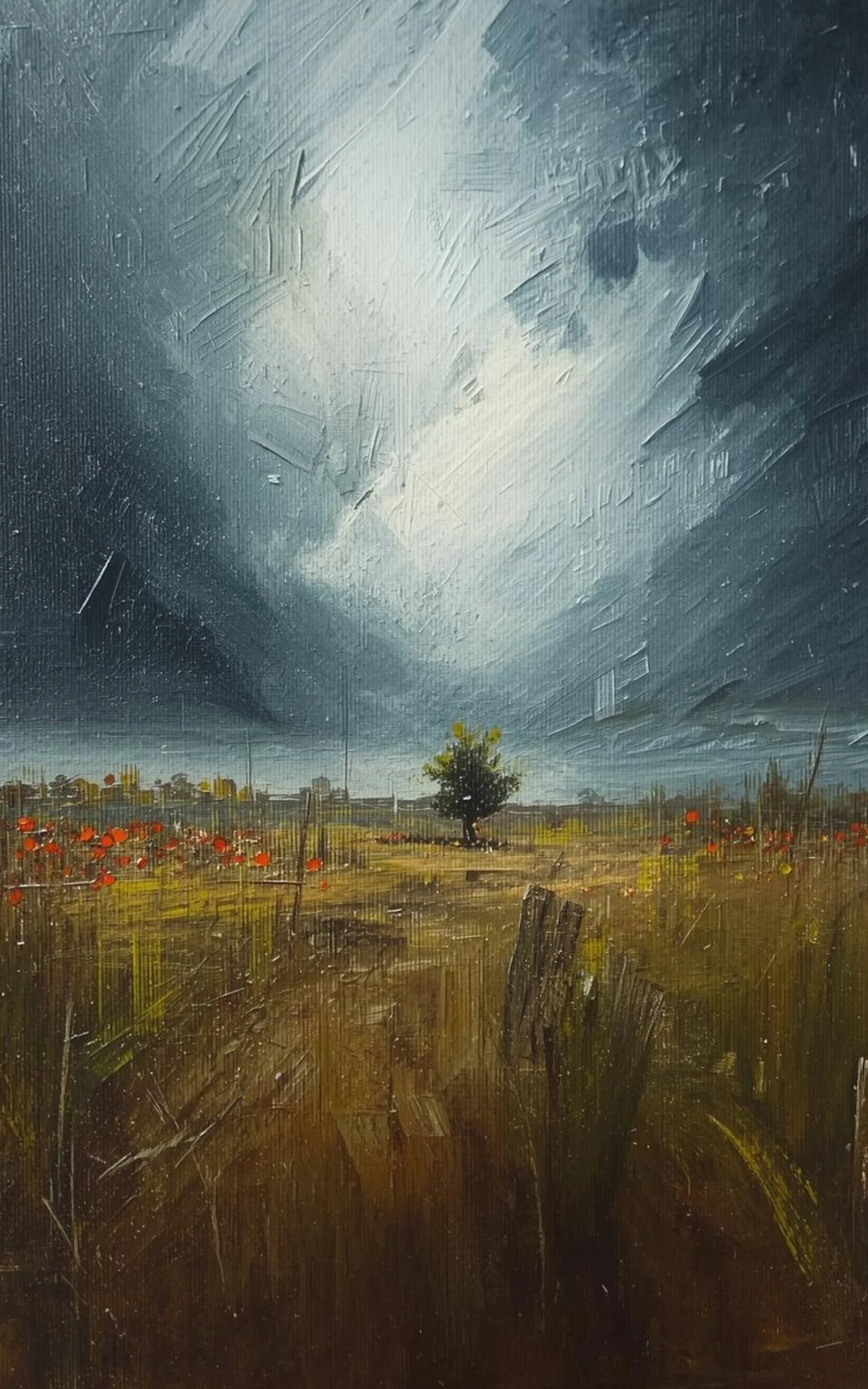
The Ones Who Couldn’t Stop
The Ones Who Couldn’t Stop examines the moral failure at the centre of sustained harm: the refusal to interrupt oneself. This poem shifts focus from the survivor to those who perpetuate cruelty not because they must, but because stopping would require accountability, effort, and change. It interrogates how violence is normalized through momentum, how harm is passed forward under the guise of inevitability, and how those who cannot stop often resent anyone who proves that stopping was always a choice. This is a poem about repetition as cowardice—and about the quiet threat posed by anyone who steps out of the cycle.
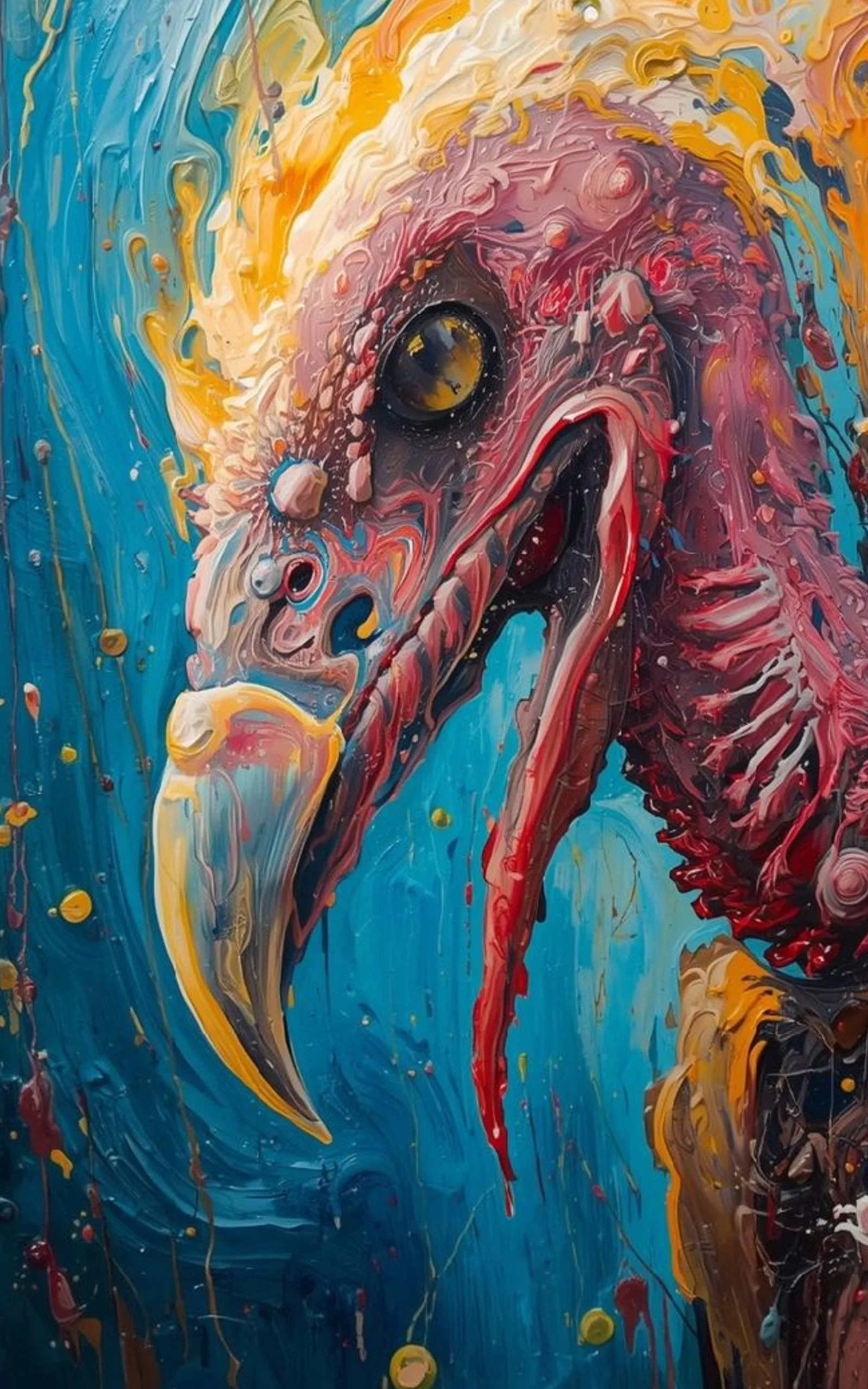
I Just Kind Of Stopped
I Just Kind Of Stopped is a poem about what happens when harm is pushed so far that stopping becomes the only remaining act of agency. It explores the moment when survival no longer looks like fighting back, but like stepping out of reach altogether—refusing to continue feeding cruelty, manipulation, and collective violence. Through the imagery of vultures and harbingers, the poem reframes withdrawal not as defeat, but as a strategic and transformative victory. This is a poem about choosing containment over collapse, silence over spectacle, and discovering that what looks like an ending can become the beginning of freedom.
It Must Be Amazing
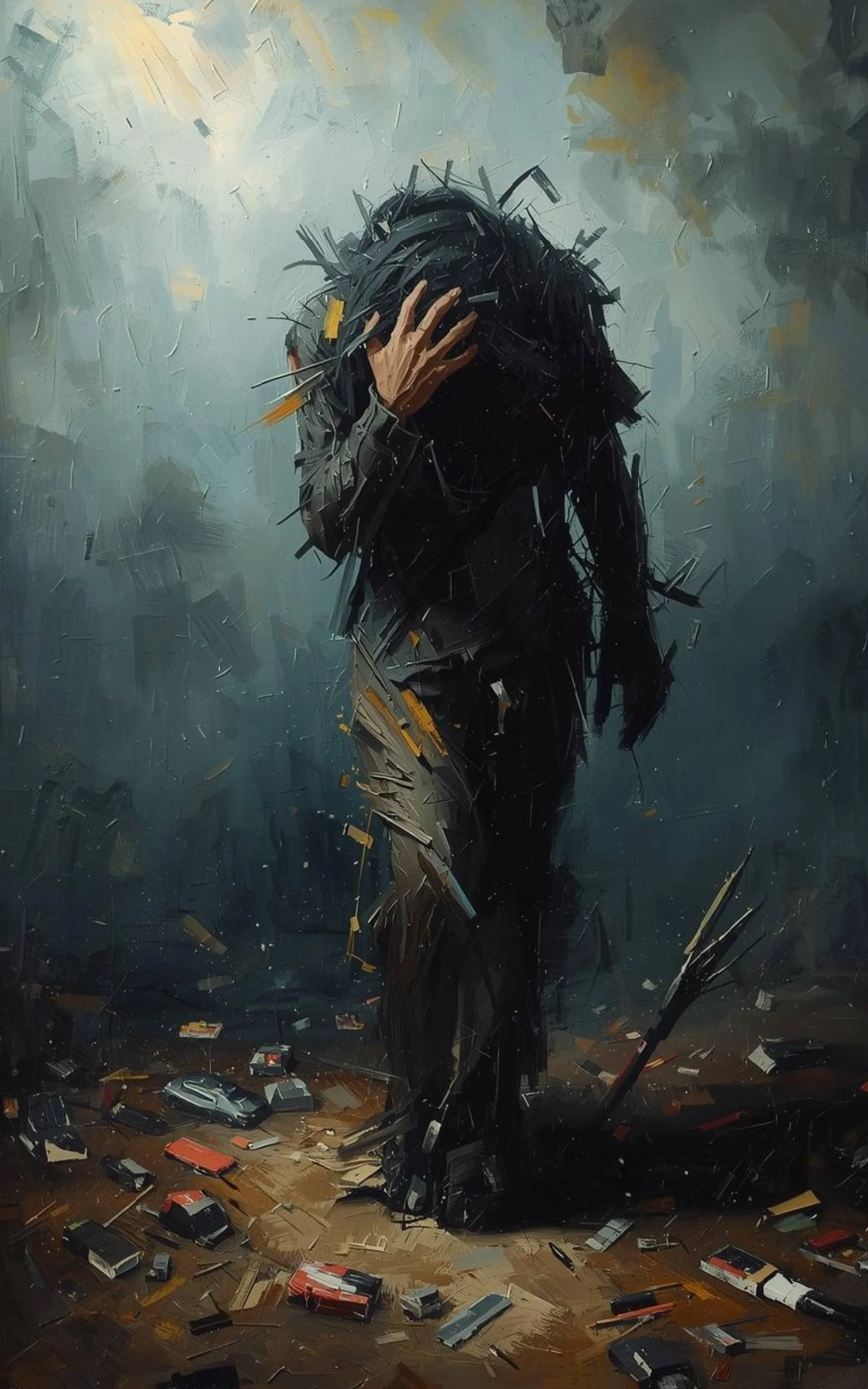
It Must Be Amazing examines the internal architecture of narcissistic self-protection—the psychological mechanisms that allow harm to be inflicted without ever being owned. This poem dissects the quiet brilliance with which responsibility is deflected, memory is rewritten, and accountability is transformed into accusation. Rather than centring the damage itself, it exposes the systems of thought that make such damage possible, illuminating how blame is off-loaded and innocence preserved at all costs. This is a poem about the privilege of never reckoning—and the invisible labour carried by those left to absorb what someone else refuses to hold.

You Know What You Are Getting Into Bed With
You Know Who You’re Getting Into Bed With is a reckoning disguised as prophecy. This poem examines the conscious choice to align with instability, exploitation, and scorched-earth power, and the dangerous illusion that proximity to destruction offers protection. Drawing on the myth of those who would rather rule over ashes than relinquish control, it exposes the lie of mutual assured destruction and reminds the reader that complicity does not grant immunity. This is a poem about knowing—and choosing anyway—and about the kind of ruin that remembers exactly who stood where when the fire was lit.
I Was Never Beautiful
I Was Never Beautiful rejects the narrow, conditional definitions of beauty placed on women and interrogates the cost of being valued primarily for appearance. Rather than mourning what was withheld, this poem reclaims the deliberate choice to want more—to seek substance, impact, and selfhood over admiration. It speaks to the hunger to be taken seriously in a world that rewards palatability, and to the power of building an identity rooted in growth, intellect, and presence rather than something time can erode. This is a poem about choosing depth over decoration, and becoming over being seen.
Trapped Inside Your Obsession
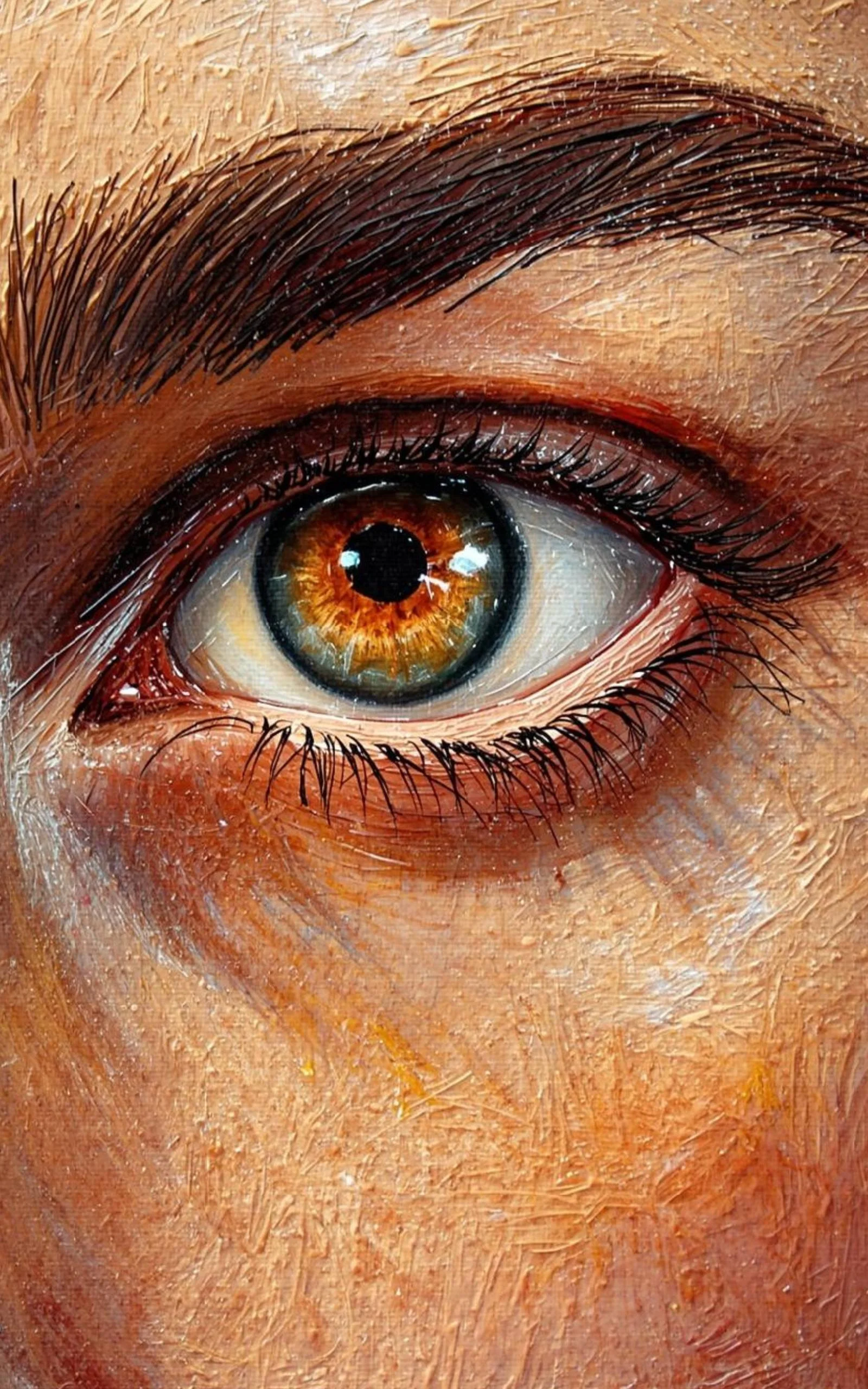
Trapped In Your Obsession confronts the rarely named violence of being watched, tracked, and emotionally claimed without consent. Written to collapse the distance between reader and subject, this poem immerses the body in the experience of unwanted fixation—the slow erosion of safety, autonomy, and selfhood that occurs when someone refuses to let go. It explores how obsession masquerades as care, how attention can become a form of restraint, and how being seen without being respected can make even existence feel unsafe. This is a poem about the cost of being made into an object—and the quiet, defiant survival of those who endure it.
Metallica Vs. Megadeth
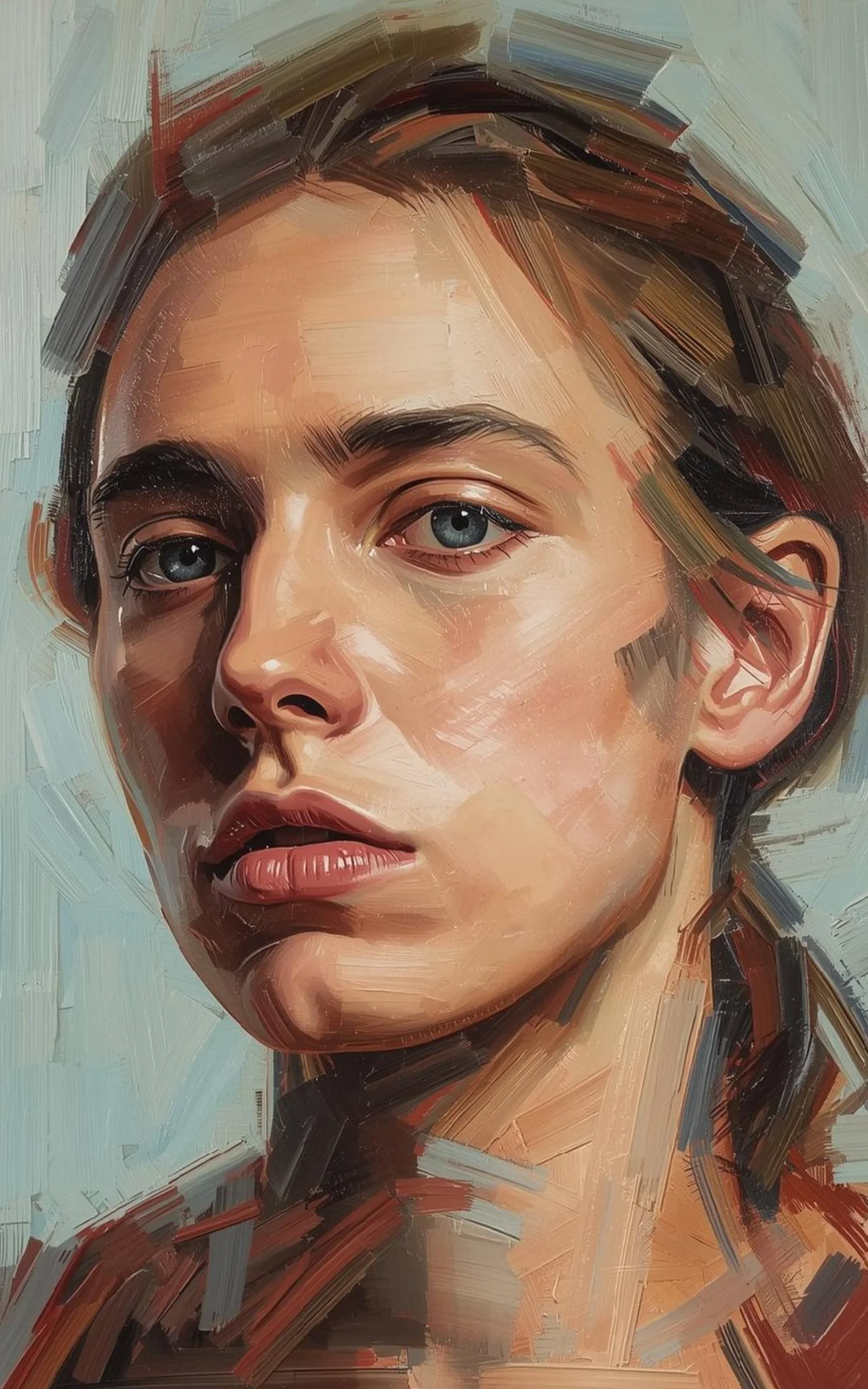
Metallica VS. Megadeth uses one of rock music’s most enduring rivalries as a metaphor for the quiet damage of comparison and the radical freedom that comes from choosing self-alignment over envy. It explores how success can still feel hollow when it is built in reaction to someone else’s trajectory—and how true mastery arrives only when the gaze turns inward. This poem traces the shift from fear-driven striving to self-possessed growth, ultimately claiming a hard-won truth: greatness is not measured against others, but defined by the moment you stop listening for who’s ahead and start becoming inevitable yourself.
The Pull of Forward
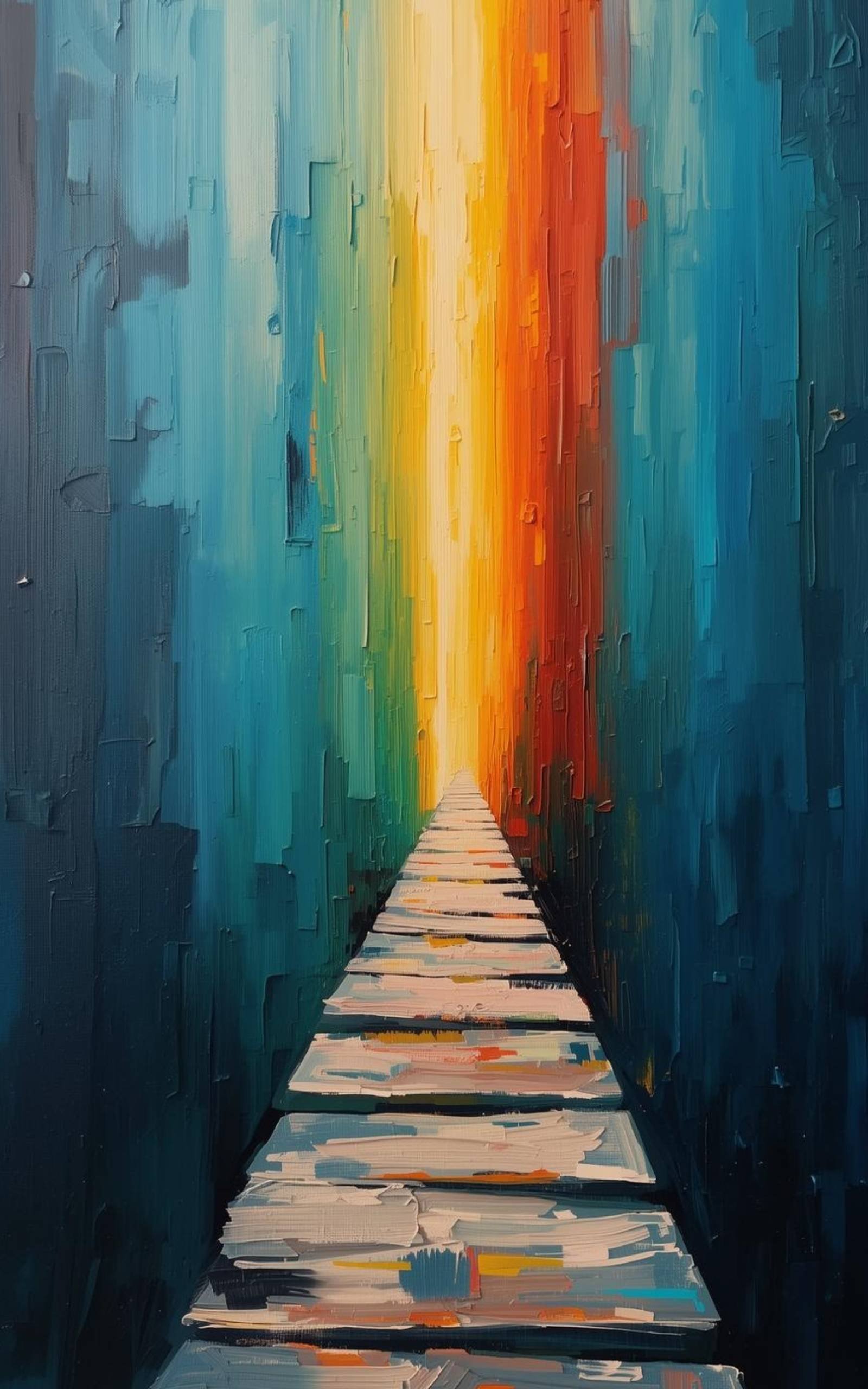
The Pull of Forward is a meditation on the ancient, almost animal force that lives beneath human ambition—the instinct not merely to survive, but to move, to seek, to become. It explores the uneasy truth that stillness, even when safe, can feel like a kind of erasure, and that our desire to grow is not a flaw to be corrected but an inheritance written into our bodies. This poem speaks to the part of us that refuses complacency, that listens for the horizon even when life is comfortable, and that understands forward motion not as greed or restlessness, but as reverence for being alive.
Poetry by Britt Wolfe
I publish a new poem every single morning. Or mourning. Depends on the emotional forecast. Some are tender. Some are rage in a nice outfit. All of them are my attempt to make sense of the human experience using metaphors, emotionally charged line breaks, and questionable coping mechanisms.
Let me be clear: these poems are fiction. Or feelings. Or both. Sometimes they’re exaggerated. Sometimes they’re the emotional equivalent of screaming into a throw pillow. Sometimes they’re just a vibe that got out of hand. They are not confessions. They are not journal entries. They are not cry-for-help-coded-messages. (I have actual coping strategies. And group chats.)
Poetry, for me, isn’t about answers. It’s about shouting into the abyss—but rhythmically. Some pieces will whisper, “Hey… you okay?” Others will show up uninvited, grab you by the collar, and scream, “SAME.” They’re moody, messy, and occasionally helpful—kind of like me.
You’ll find themes running through them like recurring nightmares or that one playlist you swear you’ve moved on from. Love. Grief. Identity. Joy. Ruin. It’s all here, jostling for attention like emotionally unstable toddlers on a sugar high.
Think of these poems as an ongoing conversation—one I started, overshared during, and have now awkwardly walked away from. Good luck with that.
This poem marks a deliberate turning point: not self-love declared prematurely, but self-harm consciously ended. Ceasefire frames acceptance as a strategic decision rather than an emotional breakthrough—an agreement to stop treating the self as an enemy while acknowledging that affection may come later. It holds optimism without erasing damage, offering a vision of peace that is tentative, earned, and quietly radical: the permission to exist, unfinished, without continuing the war.