Meet Me in My Words:





Why I Write to You Every Morning
Every morning, I write something new — sometimes soft, sometimes sharp, always true to the feeling in me.
A gentle note, offered with love: these poems are works of fiction. They are not diaries, confessions, or evidence. They are feelings passing through language, moments being processed, emotions trying on metaphors to see what fits. If you recognise yourself in them… well. That’s between you and the poem.
When you subscribe, that day’s poem arrives in your inbox at 11:11 AM, every single day. No scrolling, no noise, no algorithms gently screaming for your attention. Just words, delivered on purpose, waiting quietly for you to meet them where you are.
And if you’d like to linger a while longer, you can meet me in my words below. 🌿
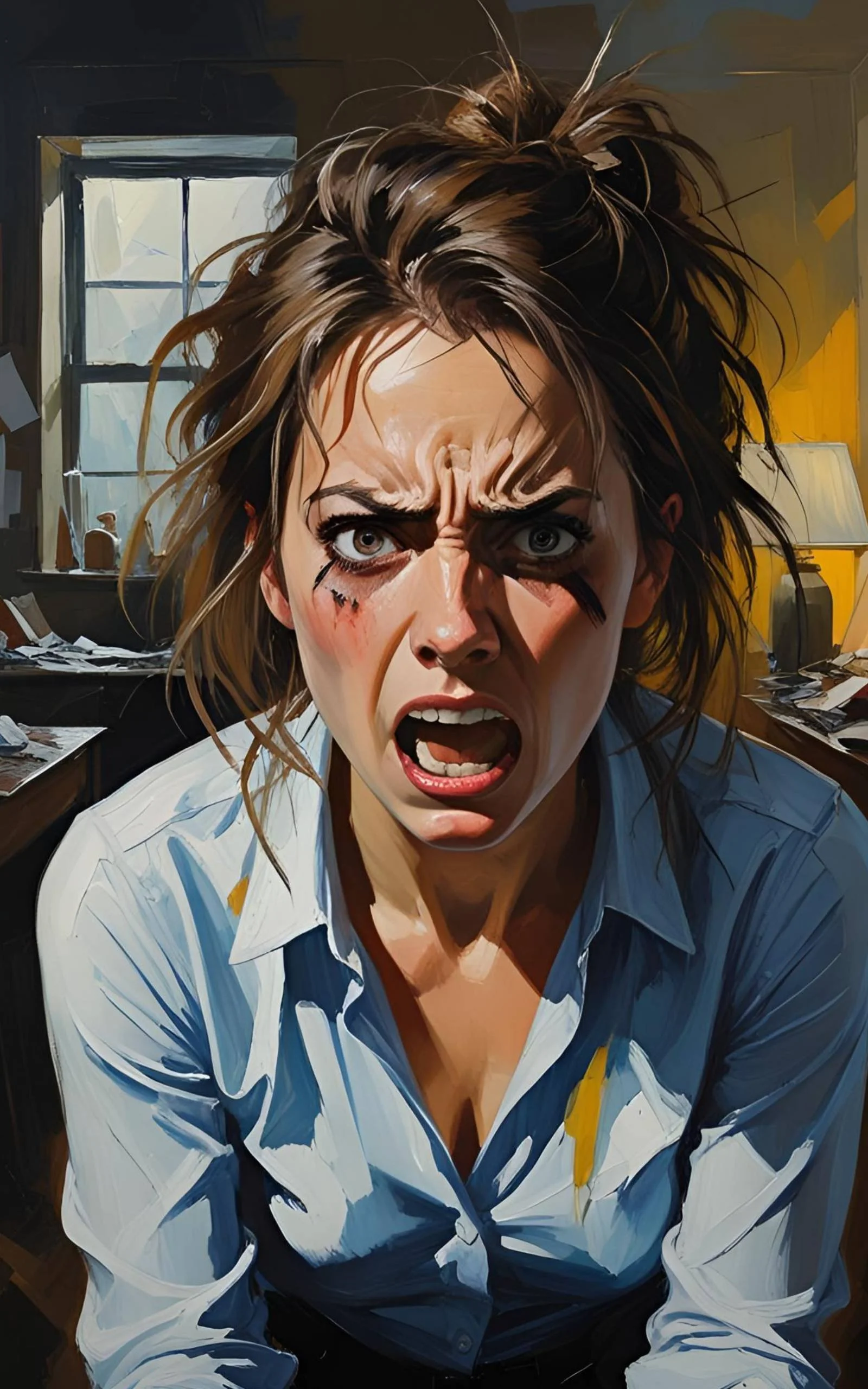
Everything Hurts Where They Wrenched Her Apart
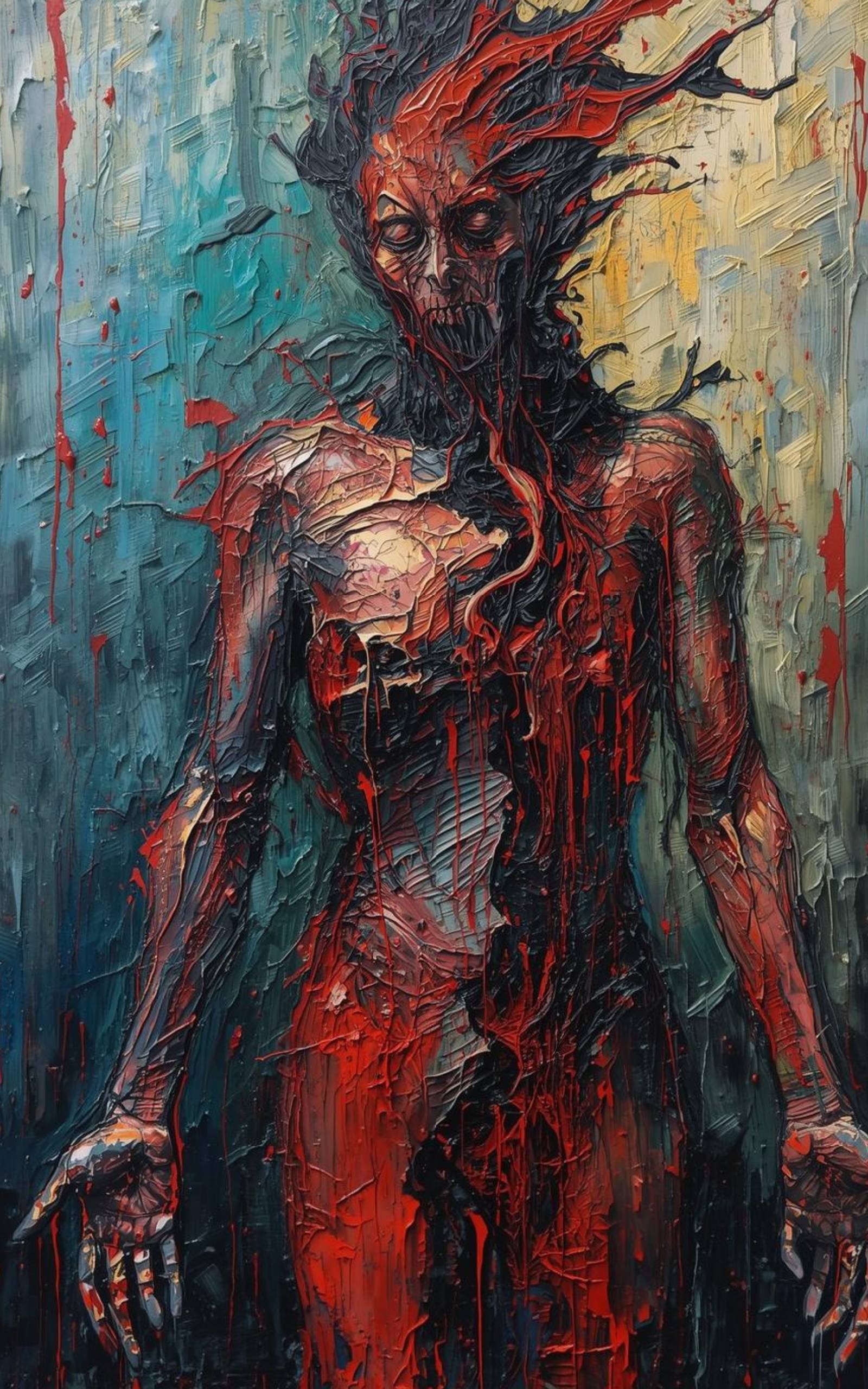
There is a quiet devastation in being the one everyone turns to—especially when no one pauses to ask what it costs. Everything Hurts Where They Wrenched Her Apart is a poem for the women who are always expected to show up. The ones who are needed in every room but never nurtured. The ones who are unraveling silently under the weight of unrelenting demands, still expected to smile through their own undoing. This isn’t about one person—it’s about all of it. All of them. All the ways we’re pulled apart to meet the needs of everyone else, while our own are left unattended. If you’ve ever felt like your very self is being divided into pieces just to keep others whole—this is for you.💚
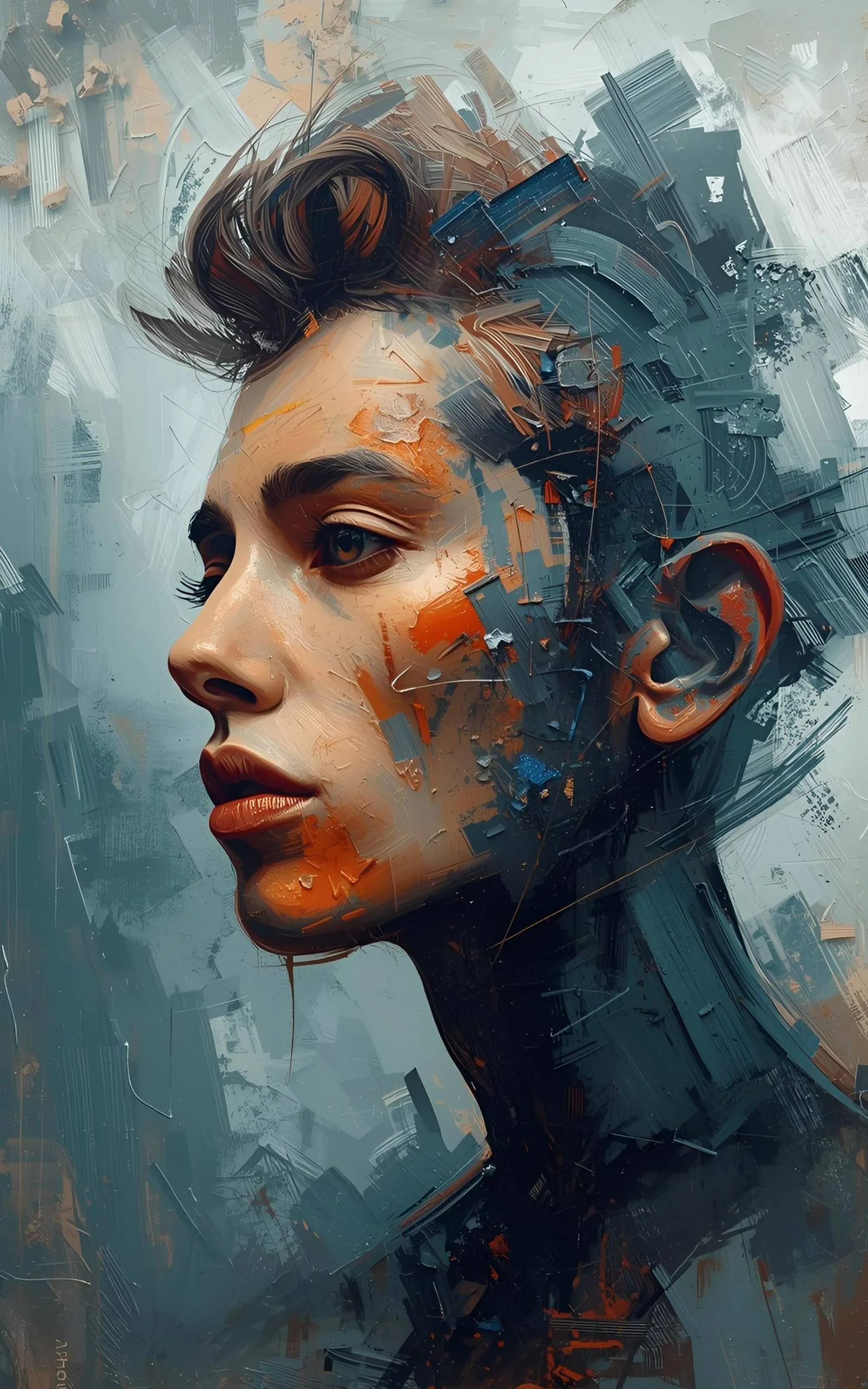
How Many Cheeks Did You Expect Me to Turn?
This poem is a refusal dressed as a question—a fierce, grieving reckoning with the moral script that taught us to absorb harm until we vanished. How Many Cheeks Did You Expect Me to Turn? holds the ache of repeated compromise and then, with clear, unflinching voice, chooses reclamation: the boundary struck, the leaving practised, the slow assembling of a life that will not be vandalised by someone else’s cruelty. Read it as both indictment and anthem for anyone learning that mercy is a gift, not a debt, and that survival sometimes means stopping the turning and starting to live.💚
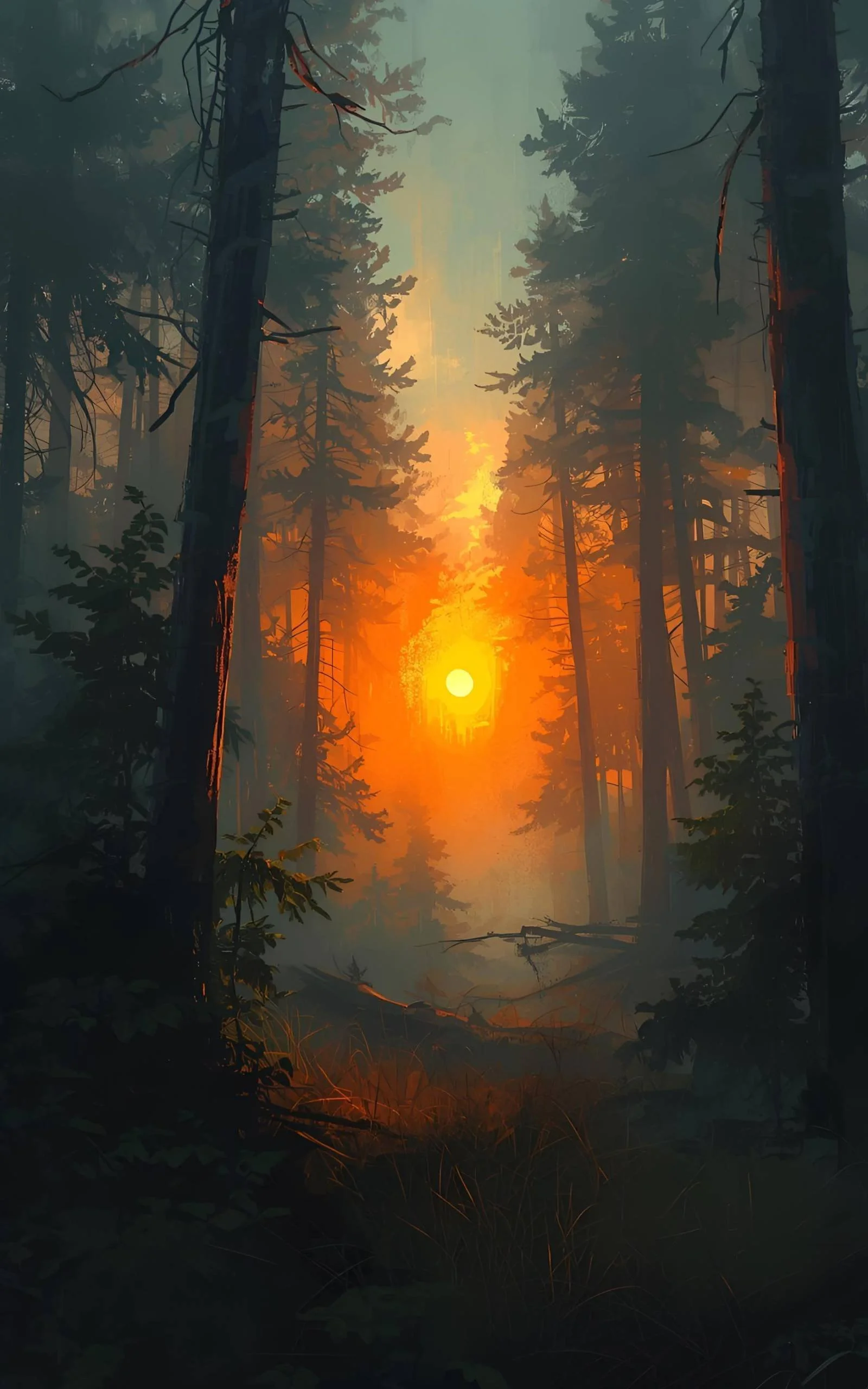
Dawn
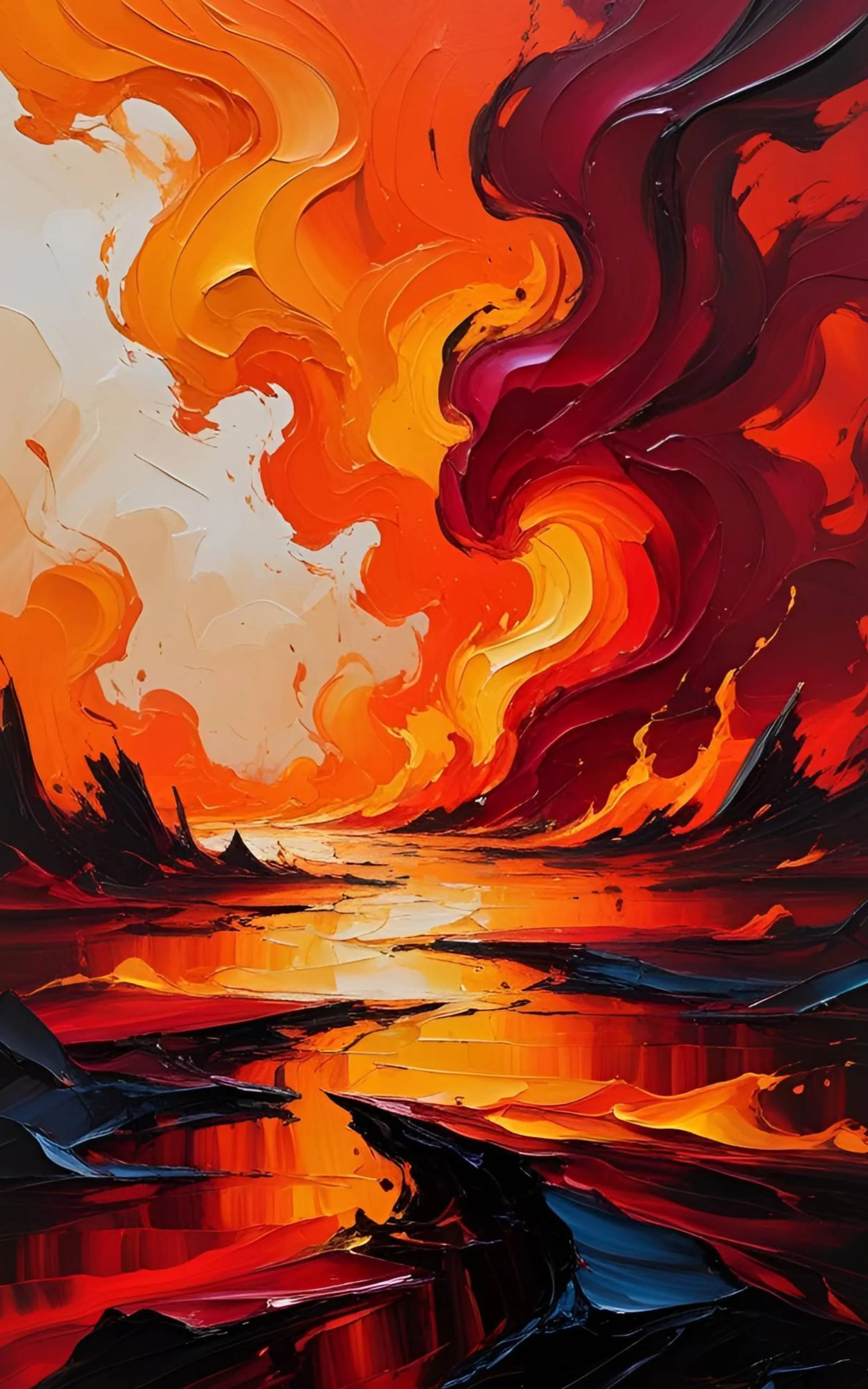
Some beginnings arrive quietly, like a garden blooming in secret. Others break through like fire across the horizon—inescapable, fierce, unstoppable. This poem is about that kind of rising: a light that refuses to be dimmed, a reminder that even the longest night must eventually surrender to morning.💚

Eden
Every once in a while, life offers a beginning so tender it feels like dawn breaking over the whole earth. This poem is about that kind of arrival—the kind that reshapes everything with its quiet power, its beauty, and its defiance. It is about creation, freedom, and the sacred work of tending to what blooms. 💚
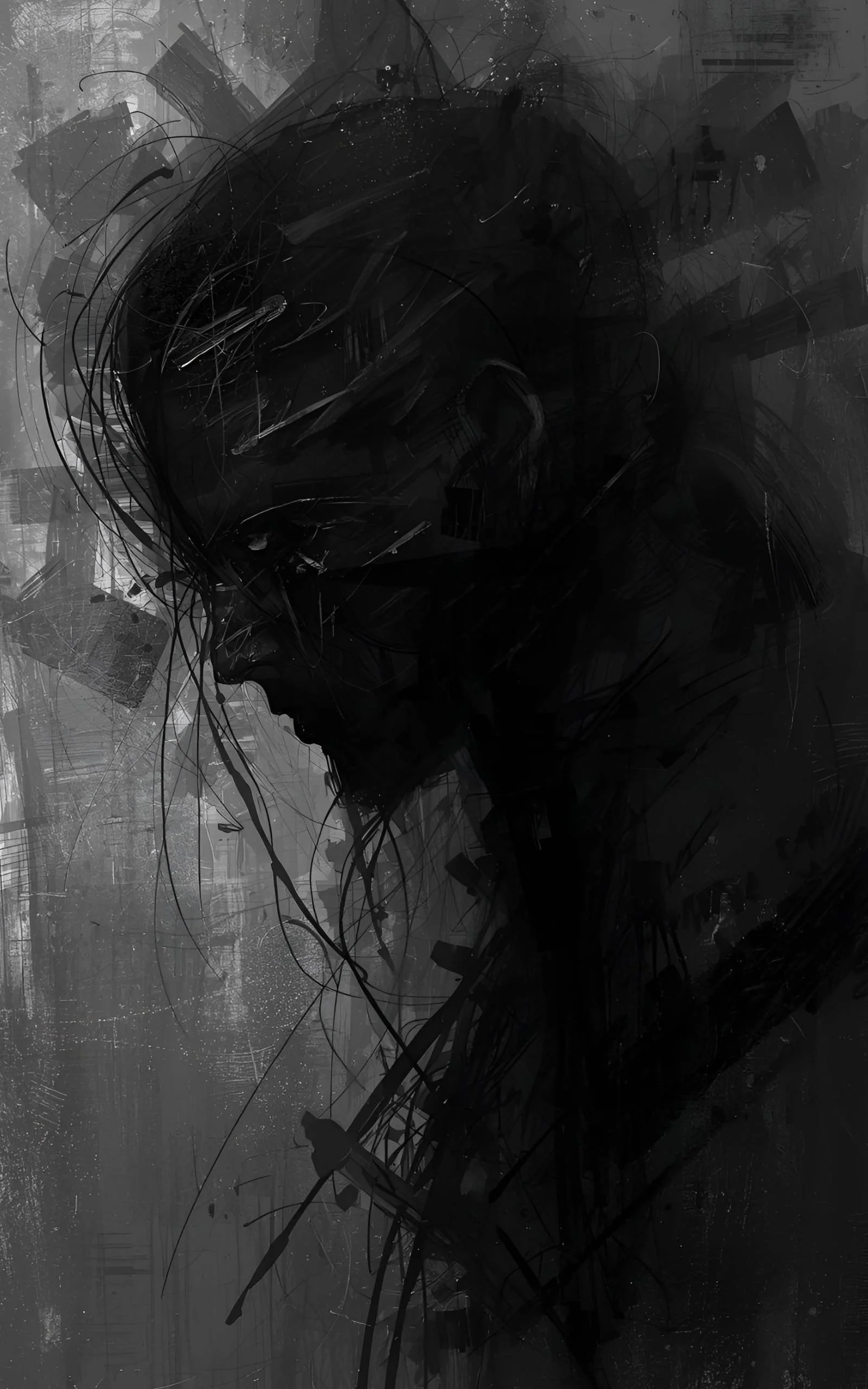
The Grinding
This poem is an account of becoming: not the gilded ceremony we were promised, but the slow abrasion of hope against the teeth of the world. The Grinding reads adulthood as machine and mortar—an insistently patient mechanism that raspens bright edges into useful, manageable shapes. It is about the quiet tax of compromises, the accumulation of small defeats that shorten a spine and mute a voice, and the way injustice settles into habit until it is mistaken for normal. Yet within its wear and erosion there is also a brittle resilience: the stubborn learning to walk beneath weight, to carry another’s breaking, to muster a tenderness that the mill cannot quite pulverize. Read it as elegy and indictment, as mourning for what was lost and as the witness to what we are forced to become.💚

A Name on a Stone
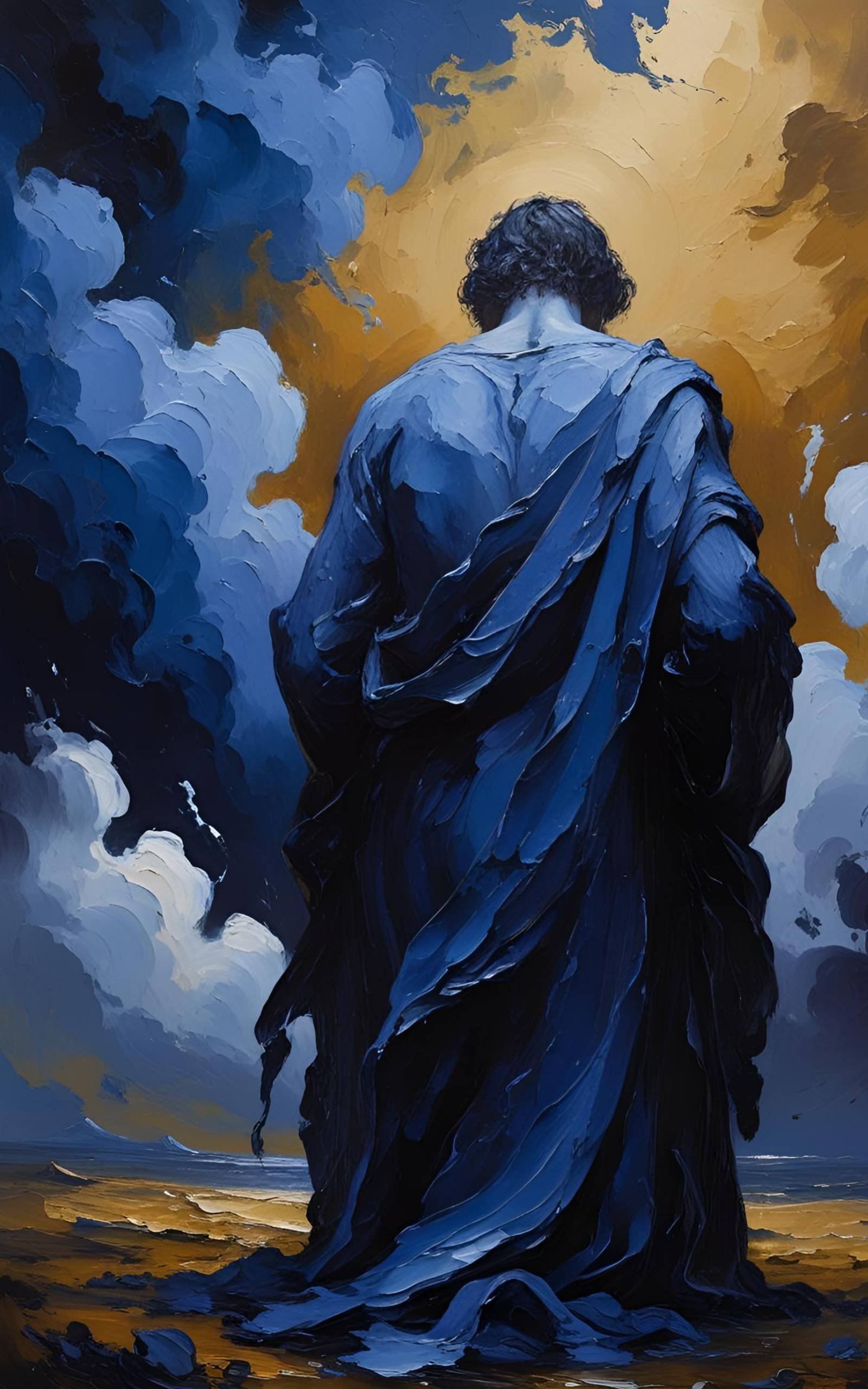
This poem is an imagining, a reckoning given voice: a man standing before the grave of his father, addressing not a legacy of love or honour, but the absence of both. It is about confronting the futility of a life squandered, the ache of what should have been, and the bitter truth that sometimes the most tangible thing a father leaves behind is nothing more than a name on a stone. It is elegy as indictment, grief braided with fury, and the unflinching acknowledgment that some inheritances are only ruin.💚

The Argument
There’s a particular grief that comes from watching someone you once cared for slip behind their own armour. It’s not about politics, not really — it’s about what happens when curiosity gives way to cruelty, when someone you remember as kind becomes a stranger who confuses arrogance for insight. This poem is about that moment — the quiet breaking point where conversation turns to contempt, and all that’s left is the hollow echo of what could’ve been empathy.💚

Exhibit A: A Woman Who Will Not Diminish
There comes a point when explanation becomes cross-examination — when a woman’s intellect is not met, but managed. This poem is for every woman who’s been told she’s too loud, too certain, too articulate for her own good. It treats sexism like a courtroom proceeding: the accusations, the discrediting, the endless attempts to impeach her credibility. But it also delivers the verdict. Because beneath the mock civility and coded insults lies a simple truth — that her refusal to diminish isn’t defiance at all; it’s evidence of evolution, and the men threatened by it are simply unqualified to preside over her anymore.💚

God And Oatmeal
God and Oatmeal lingers on the story of a man who vanished into Alaska’s wilderness in 2018, never to be seen again. It imagines his search for the divine, not in thunder or revelation, but in the small mercy of survival—the steam of oatmeal rising like prayer in the frozen air. This poem is both elegy and meditation, a haunting reflection on how the wilderness can keep its secrets, and how sometimes the closest we come to God is in the quiet provision that sustains us just long enough to disappear into mystery.💚

The Shameless Have No Shame
The Shameless Have No Shame explores the futility of confronting those who thrive on deceit. It speaks to the hollowness of people who cannot be embarrassed, who simply shed one falsehood for another without pause. In its lines, we are reminded that exposure does not undo them, because their power lies not in truth but in audacity. The poem insists that the true act of resistance is not in proving them wrong, but in refusing to let their noise define your silence.💚
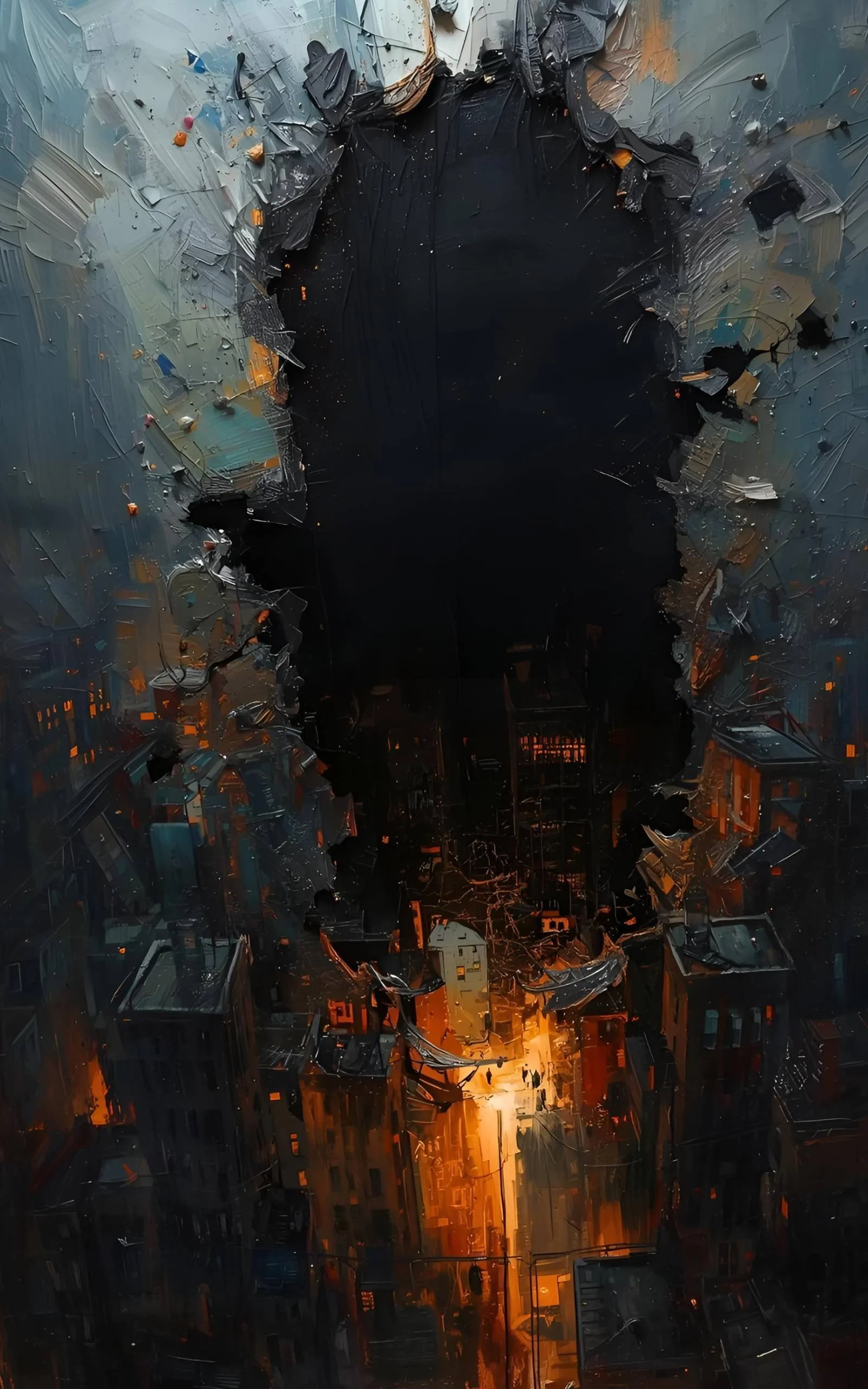
This is an Erasure
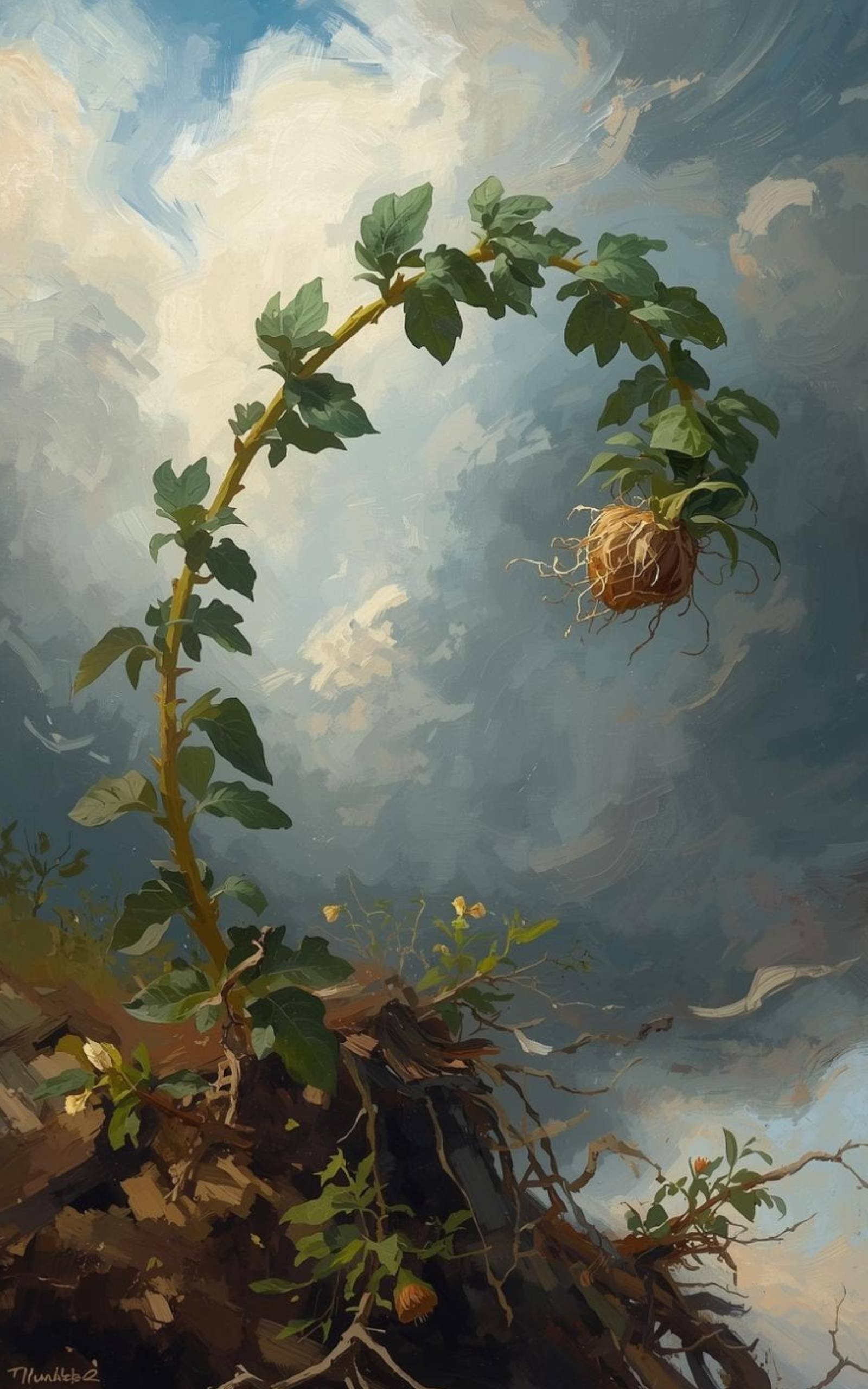
This is an Erasure is a meditation on the deliberate act of removing what no longer serves—tearing out the past by its deepest roots, even when it has grown into the bone. It is not simply about loss, but about reclamation: the fierce decision to eradicate what once defined you, and in doing so, to clear space for light, breath, and thriving. This poem inhabits both the violence of erasure and the grace that follows, offering a vision of renewal born not from what remains, but from what has finally been stripped away.💚
What You Did
There’s a particular kind of evil that hides behind comparison. The kind that says, I wasn’t as bad as them, as if that’s absolution. As if a quieter cruelty is somehow less cruel. This poem is for the one who pretended to be a bystander while their hands left marks. Who rewrote history to dodge the guilt. Who watched, who hurt, who blamed—then claimed innocence. This is not a misunderstanding. It’s a reckoning. You are not who you pretend to be. You are what you did.💚

Factitious Disorder Imposed on Another
There is a particular terror in cruelty disguised as care—the kind that wears tenderness like a mask while quietly orchestrating ruin. Factitious Disorder Imposed on Another is a poem that peers into that horror: the calculated breaking of a body under the guise of devotion, the soft smile that hides the sharpest blade. It is less about illness itself than about the sinister ways love can be counterfeited, turned into ritual, and used as a weapon.💚

Eyes of Envy
Jealousy is a thief—of time, of joy, of life itself. While some spend their years watching and measuring themselves against others, the wiser choice is to build, to tend, to grow. This poem is both an elegy for the wasted years envy leaves behind and a hope that one day those blinded by it might turn inward, tending their own gardens and building their own homes, brick by brick.💚

Failure to Launch (Words About the Watcher)
Envy is not inspiration—it is paralysis. To covet another’s life so deeply that you neglect your own is to chain yourself to stillness, to become a watcher rather than a doer. This poem is about the futility of obsession, the emptiness of imitation, and the way jealousy corrodes until nothing remains but a complete failure to launch.💚

The Compost Heap SCAVENGER
There are those who build, and there are those who scavenge. Some create lives rooted in growth, while others paw through the discarded remnants of what they could never grow themselves. This poem is about envy, imitation, and the futility of trying to steal wholeness from another’s cast-offs.💚

THE MASK SLIPS IN THE END
There is a particular kind of cruelty in those who spend their lives constructing masks—polished, practised, and paper-thin. They believe performance is protection, that lies repeated often enough will outlast the truth. But masks are fragile things. They crack under the weight of time, under the strain of reality, under the unrelenting patience of those who refuse to be erased. This poem is a reminder: the mask always slips.💚

Stewardship
Motherhood, at its truest, is not about ownership but about care—the quiet, faithful work of tending to what is precious, nurturing what is wild, and protecting what is meant to flourish. This poem is a reflection on that kind of love: stewardship as devotion, guidance, and awe in the face of becoming.💚

If You’d Left Me Out of It
Sometimes, silence is mistaken for surrender. If You’d Left Me Out of It was written in the aftermath of being drawn into conflict I neither caused nor sought. It’s about the moment you realise that the people you once trusted have rewritten the truth in ways that force you to find your own voice again. It isn’t about revenge or retaliation—it’s about clarity. About the way pain can turn to precision, and how standing in your truth, even quietly, can be the loudest thing you ever do.💚

When You Tell a Man NO
When You Tell a Man No is a reckoning with the fragile architecture of male pretence. It captures the precise moment when resistance strips away performance, revealing the hollow core beneath. This poem speaks to the bitter disappointment of discovering that affection was conditional, that tenderness was only ever costume—and yet, it also honours the clarity that emerges in refusal. To say no is not only to protect yourself, but to illuminate who was never worthy of your yes.💚
Poetry by Britt Wolfe
I publish a new poem every single morning. Or mourning. Depends on the emotional forecast. Some are tender. Some are rage in a nice outfit. All of them are my attempt to make sense of the human experience using metaphors, emotionally charged line breaks, and questionable coping mechanisms.
Let me be clear: these poems are fiction. Or feelings. Or both. Sometimes they’re exaggerated. Sometimes they’re the emotional equivalent of screaming into a throw pillow. Sometimes they’re just a vibe that got out of hand. They are not confessions. They are not journal entries. They are not cry-for-help-coded-messages. (I have actual coping strategies. And group chats.)
Poetry, for me, isn’t about answers. It’s about shouting into the abyss—but rhythmically. Some pieces will whisper, “Hey… you okay?” Others will show up uninvited, grab you by the collar, and scream, “SAME.” They’re moody, messy, and occasionally helpful—kind of like me.
You’ll find themes running through them like recurring nightmares or that one playlist you swear you’ve moved on from. Love. Grief. Identity. Joy. Ruin. It’s all here, jostling for attention like emotionally unstable toddlers on a sugar high.
Think of these poems as an ongoing conversation—one I started, overshared during, and have now awkwardly walked away from. Good luck with that.
This poem marks a deliberate turning point: not self-love declared prematurely, but self-harm consciously ended. Ceasefire frames acceptance as a strategic decision rather than an emotional breakthrough—an agreement to stop treating the self as an enemy while acknowledging that affection may come later. It holds optimism without erasing damage, offering a vision of peace that is tentative, earned, and quietly radical: the permission to exist, unfinished, without continuing the war.