Meet Me in My Words:





Why I Write to You Every Morning
Every morning, I write something new — sometimes soft, sometimes sharp, always true to the feeling in me.
A gentle note, offered with love: these poems are works of fiction. They are not diaries, confessions, or evidence. They are feelings passing through language, moments being processed, emotions trying on metaphors to see what fits. If you recognise yourself in them… well. That’s between you and the poem.
When you subscribe, that day’s poem arrives in your inbox at 11:11 AM, every single day. No scrolling, no noise, no algorithms gently screaming for your attention. Just words, delivered on purpose, waiting quietly for you to meet them where you are.
And if you’d like to linger a while longer, you can meet me in my words below. 🌿

Through Rose-Coloured Glass
There are times in life when survival depends not on strength, but on softness. On the gentle act of turning your gaze just slightly away from the thing that might undo you. This poem was born from that space—from the ache of pretending, of pressing forward with a painted smile and carefully arranged silences. It’s about the quiet performance of being okay, the beauty and burden of rose-coloured glasses, and the way we sometimes choose illusion not out of cowardice, but out of necessity. Because some truths are too sharp to carry daily. And sometimes, the only way to keep moving is not to look too closely.💚

If I Am Gone By Morning
This poem is a love letter meant for the impossible moment—the one we never want to imagine but all silently fear. If I Am Gone By Morning is what I would want the love of my life to carry in their heart if I didn’t get another day, another breath, another chance to say it out loud. It’s a hymn of devotion, a whisper across time, a promise that love—when it is real, when it is chosen with your whole soul—never truly ends. It lingers in the laughter, in the quiet, in the very air we leave behind. This is everything I would want them to know, if tomorrow came without me in it.💚

The Table
This poem is about the kind of absence that lingers—when someone you once made space for stops showing up, and you’re left to rearrange the table around the silence. It’s about hope that turns into ritual, and the quiet sorrow of learning to stop preparing for someone who no longer arrives. Sometimes we let go not with anger, but with exhaustion. And even then, the ache has a way of finding its seat.💚

From One Ghost to Another
Some losses are too quiet for funerals. Some griefs don’t get eulogies. There are people we mourn not with flowers or tears, but with the weight we carry in silence—the ones we still reach for in dreams, or hear in the pauses between sentences. This poem is for them. For the ones who were never properly held, never properly remembered. It’s a love letter written in the language of absence. From one ghost to another.💚

You’re a Photocopier
Some people don’t raise children—they replicate themselves. They breed cruelty, not through neglect, but through intention. They reward manipulation, feed delusion, and call it strength. And when the monster they created grows louder, sharper, more unrestrained than they ever dared to be, they act shocked. As if it wasn’t them who loaded the machine. As if it wasn’t them who pressed copy. This poem is about what happens when evil doesn’t just repeat—it escalates.💚

She lit the fuse herself
There’s a particular kind of self-destruction that masquerades as power. A detonation disguised as a declaration. This poem was born in the silence that follows that kind of explosion—the kind triggered by one’s own hand, in one’s own name, aimed at no one but echoing everywhere. It’s not a poem about revenge. It’s not even a warning. It’s simply a mirror held up to what happens when you light the fuse, press send, and forget to step back.💚
IF GOD IS A FATHER
This poem is called If God Is A Father, and it’s the most personal thing I’ve ever written. It’s about the grief of losing my faith—not through rebellion or doubt, but through the example of my own father. I was taught that God is a father, and so I watched mine. And what I saw was cruelty, absence, punishment without accountability, and a love so conditional it could barely be called love at all. This poem is a reckoning. With the mythology I was handed. With the harm that was justified in His name. With the silence that still echoes. It’s not just a rejection of the God I was taught to worship—it’s a refusal to let that kind of fatherhood define what I believe in ever again.💚
THE FAILURE OF THE FATHER GOD
This next poem is called The Failure of the Father God. It’s a deliberate and direct reckoning with the concept of God as a father—a metaphor I was handed as a child, and one that never brought me comfort. In fact, it mirrored the harm I was already trying to survive. This poem isn’t subtle. It’s not meant to be. It’s for every woman who was told to kneel in gratitude while being broken, for every daughter who was asked to call silence “love,” and for anyone who has been asked to make peace with a God who looks far too much like the man who hurt them. The Failure of the Father God is not just a personal poem—it’s a refusal.💚
I Feel It in My Bones
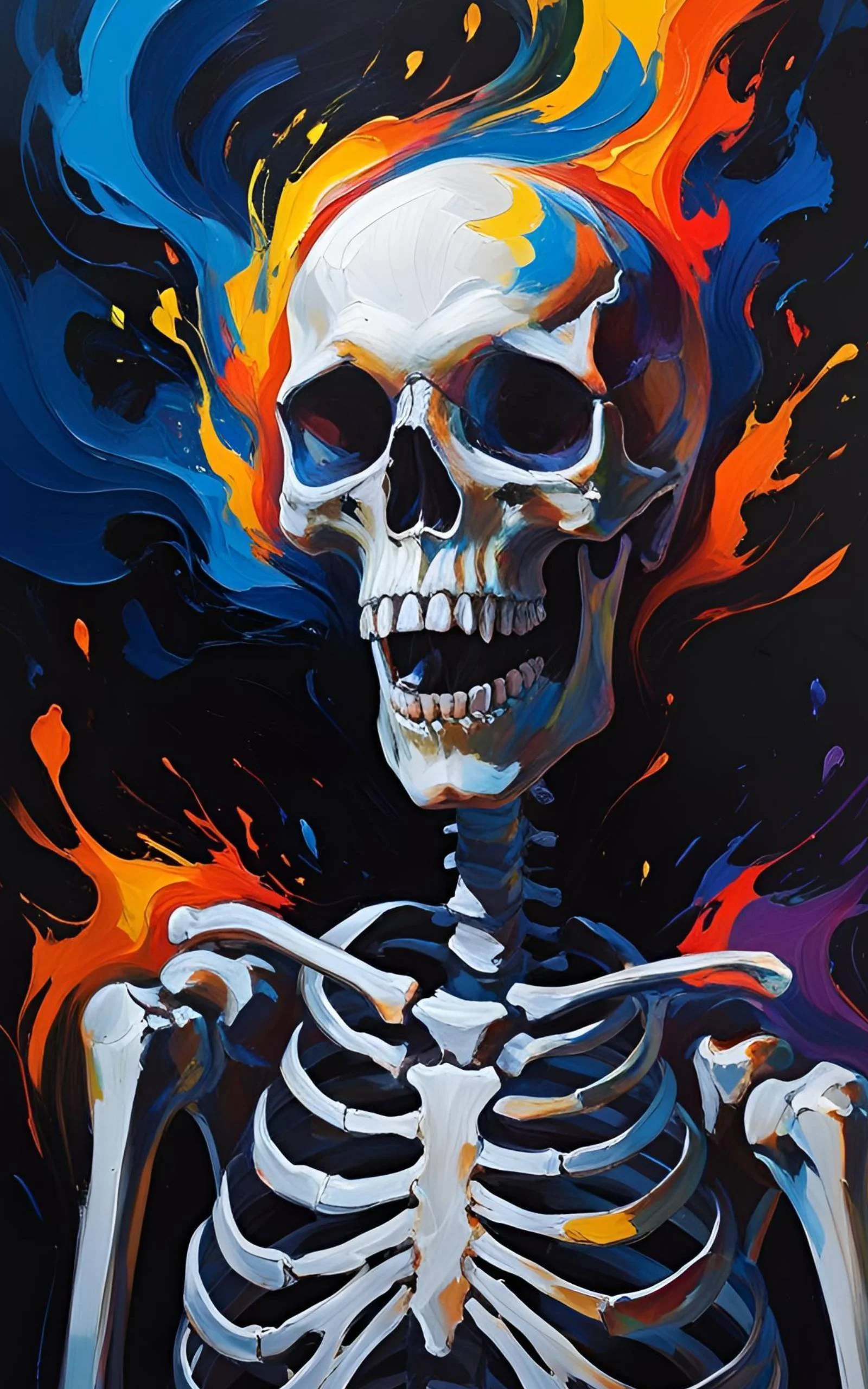
Some pain never leaves. It wakes with you, walks with you, weaves itself into the shape of your life until it’s impossible to remember what it felt like to live without it. This poem is a reckoning with that kind of pain—a body turned battlefield, a lifelong ache mistaken for strength. It speaks to the sorrow of feeling old before your time, of wondering if your illness is somehow an echo of your own self-loathing. It’s as much as I’m willing to say about it. Because in the end, worse things have happened to better people—and I won’t mourn myself for something so small in the grandness of all I still have to be grateful for.💚
You Told Me Who You Were
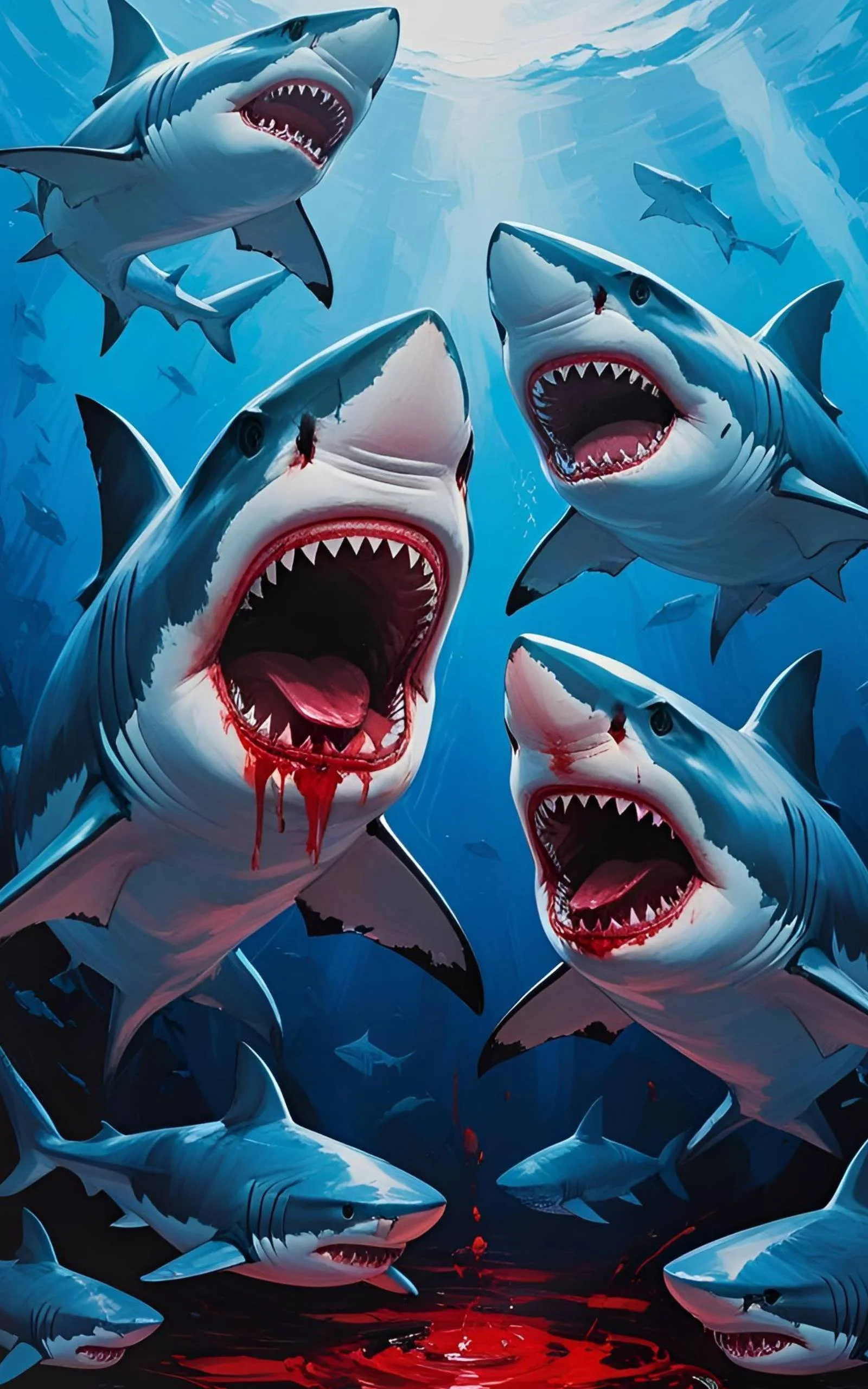
Sometimes, people don’t just tell you who they are—they show you, again and again, in ways that leave marks you try to ignore. This poem is about what it means to keep going back. To keep hoping. To keep rewriting cruelty as complexity, because the truth feels too painful to hold. It’s an indictment—not just of the person who kept causing harm, but of the part of ourselves that kept making room for it. This is what it sounds like to finally believe what you were shown all along.💚
The Violins Are Playing
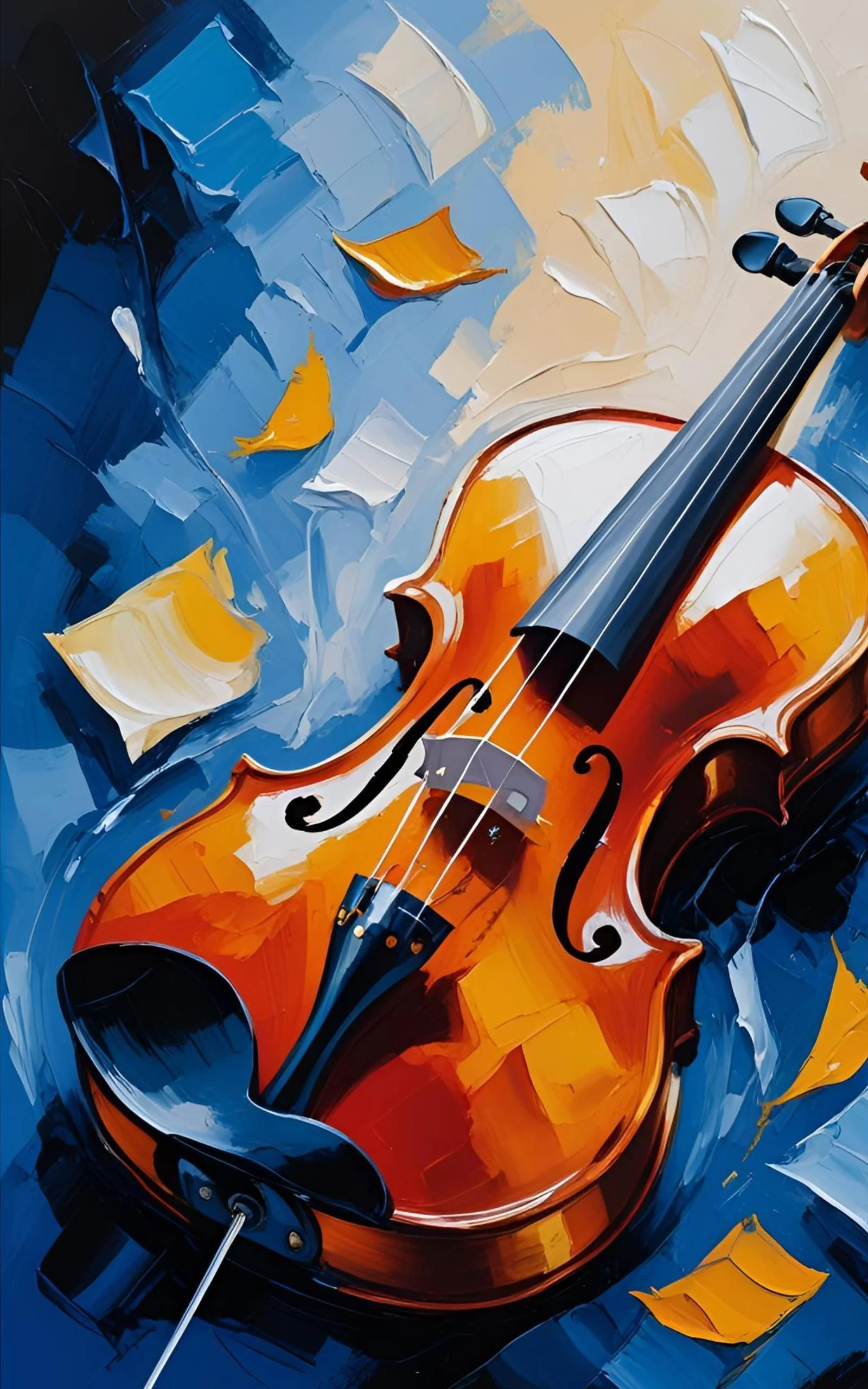
Some endings don’t come with fireworks or final fights—they arrive quietly, like a bow drawn across the strings. This poem is a farewell to something that has lingered too long, to a connection stretched thin by hurt, by taking, by silence. It’s about the painful clarity that comes when you finally see someone for who they are—and the quiet strength it takes to walk away anyway. It’s not rage. It’s not revenge. It’s the mournful music of letting go.💚
Never Smile at a Man
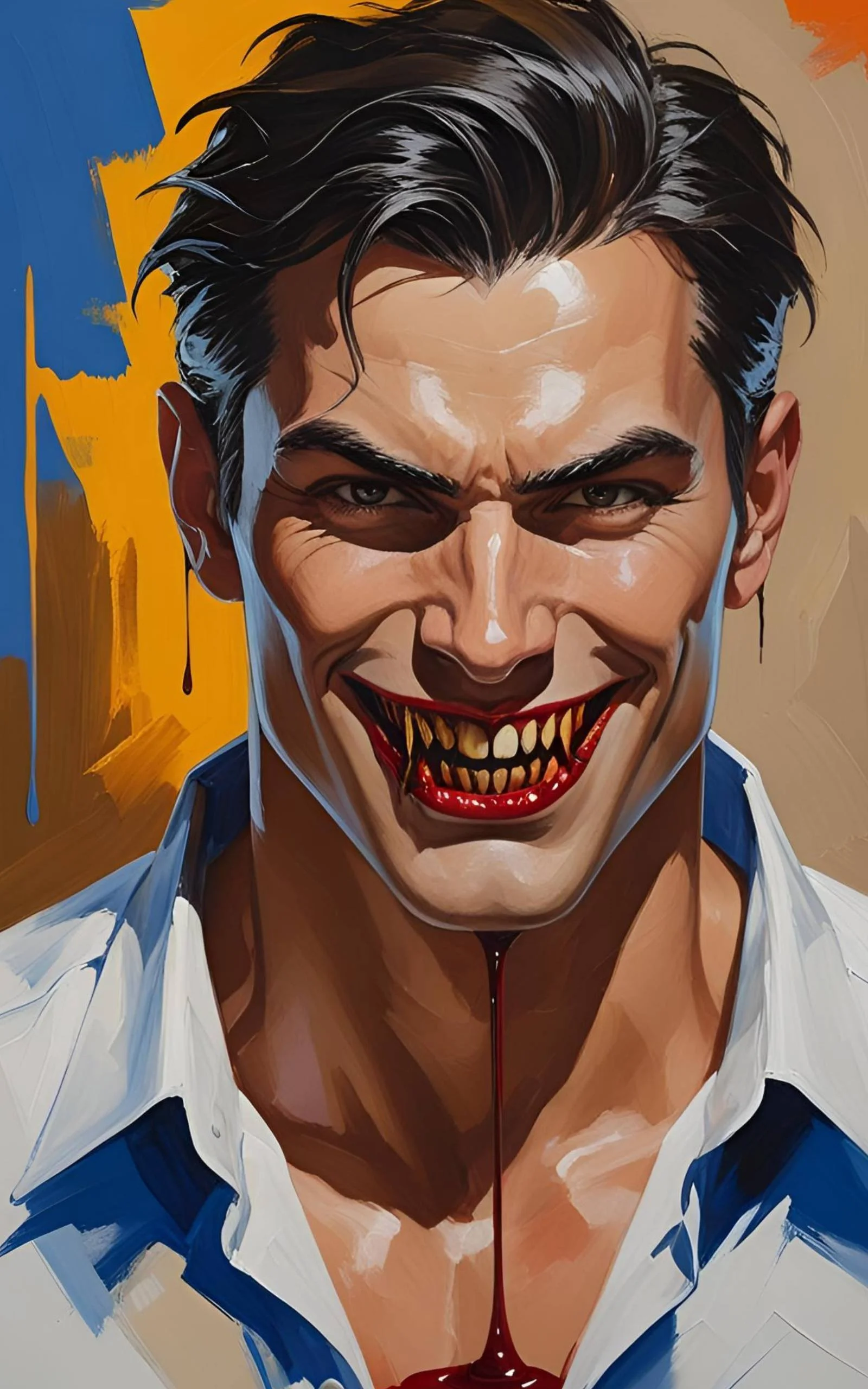
This poem is written in the playful rhythm of Dr. Seuss—but there’s nothing playful about its message. It’s about the danger of being a woman in public. About how a smile, a glance, even the most mundane interaction, can be twisted into invitation. It’s a commentary on fear, on survival, and on how we contort ourselves just to stay safe. The sing-song cadence is deliberate—a jarring contrast meant to highlight just how absurd, exhausting, and terrifying it is to have to strategize your existence in a world that sees your body as public domain. Because sometimes, the only way to show how dark something is… is to wrap it in rhyme.💚
This Moment Is Not My Life
There are moments that feel all-consuming—so loud, so sharp, so heavy, they try to convince us that they are all we’ll ever be. But pain is not permanence. Trauma is not identity. And what we endure does not get to decide who we become. This poem is a declaration of defiance, a reminder that we are not the worst things that have happened to us, nor the hardest things we’re facing. We are more than any single moment. We are becoming, always. And this—whatever this is—is not our whole story.💚

They Will See You II
Some people move through the world wearing masks they believe are impenetrable—convinced that charm can erase cruelty, that manipulation dressed as concern won’t leave a mark. But the truth has a way of surfacing, even when it’s been buried beneath smiles and carefully crafted narratives. This poem is for the reckoning that always comes. For the quiet clarity that follows confusion. For the moment when the mask slips, and the world finally sees what’s been there all along.💚
What Fire Knows
We are so often taught that anger is something to suppress, something unbecoming of a woman—that to be palatable, we must be pleasant, forgiving, quiet. But anger is not the enemy. Anger is clarity. Anger is the voice that speaks when everything else has been silenced. It is the moment we stop enduring and start transforming. This poem is a reclamation of female rage—not the kind that destroys for the sake of destruction, but the kind that frees, that rebuilds, that says enough. Let this be a reminder that your anger is not shameful. It is sacred. And when they fear it, when they try to diminish it, know that they are witnessing the most dangerous thing of all: a woman no longer afraid to burn.💚
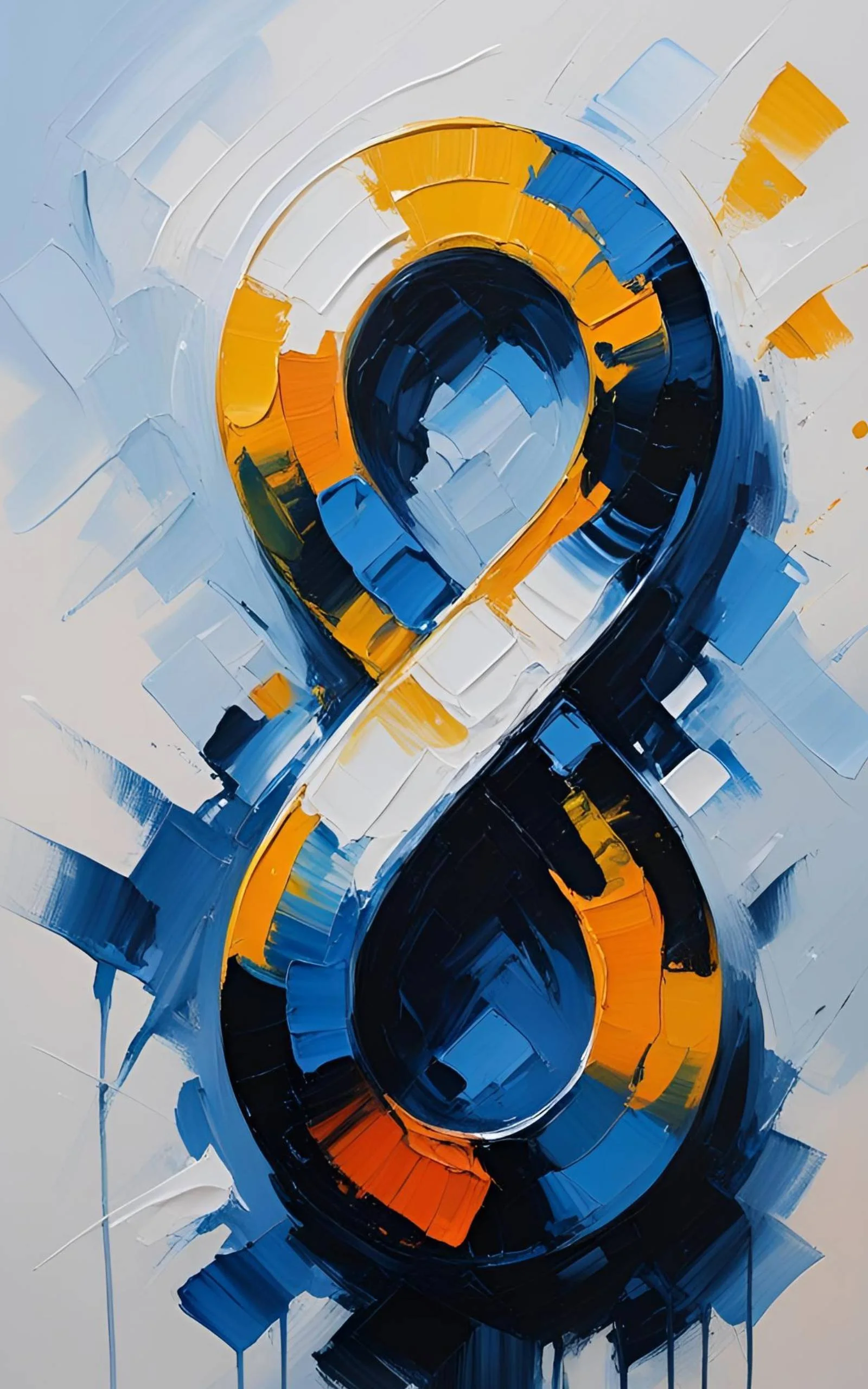
Why Are You So Obsessed with Me (Nevermind, I Know)
Some love is so vast, so holy, it refuses to be casual. It insists on remembering. This poem is a quiet vow—to the people who make my life full, to the ones who hold my heart without ever asking, and most of all, to Sophie and Lena. It’s about the aching privilege of witnessing them, loving them, and wanting to keep every detail, every second, every breath safely tucked inside me. Because nothing lasts forever—but memory, if we love hard enough, just might.💚
The Sky Will Do What the Sky Does
This poem is a reckoning with release. The Sky Will Do What the Sky Does is about the futility of trying to contain someone else’s chaos—about the heartbreak of watching a storm rise in someone you once begged to be calm. It’s about learning that no matter how gentle, reasonable, or forgiving you are, you cannot rewrite the weather. You cannot turn thunder into quiet. This piece is for anyone who has exhausted themselves trying to bring peace to someone committed to destruction. It’s not about surrender—it’s about sovereignty. About stepping away from the storm, not because it has stopped, but because you finally understand: it was never yours to still.💚
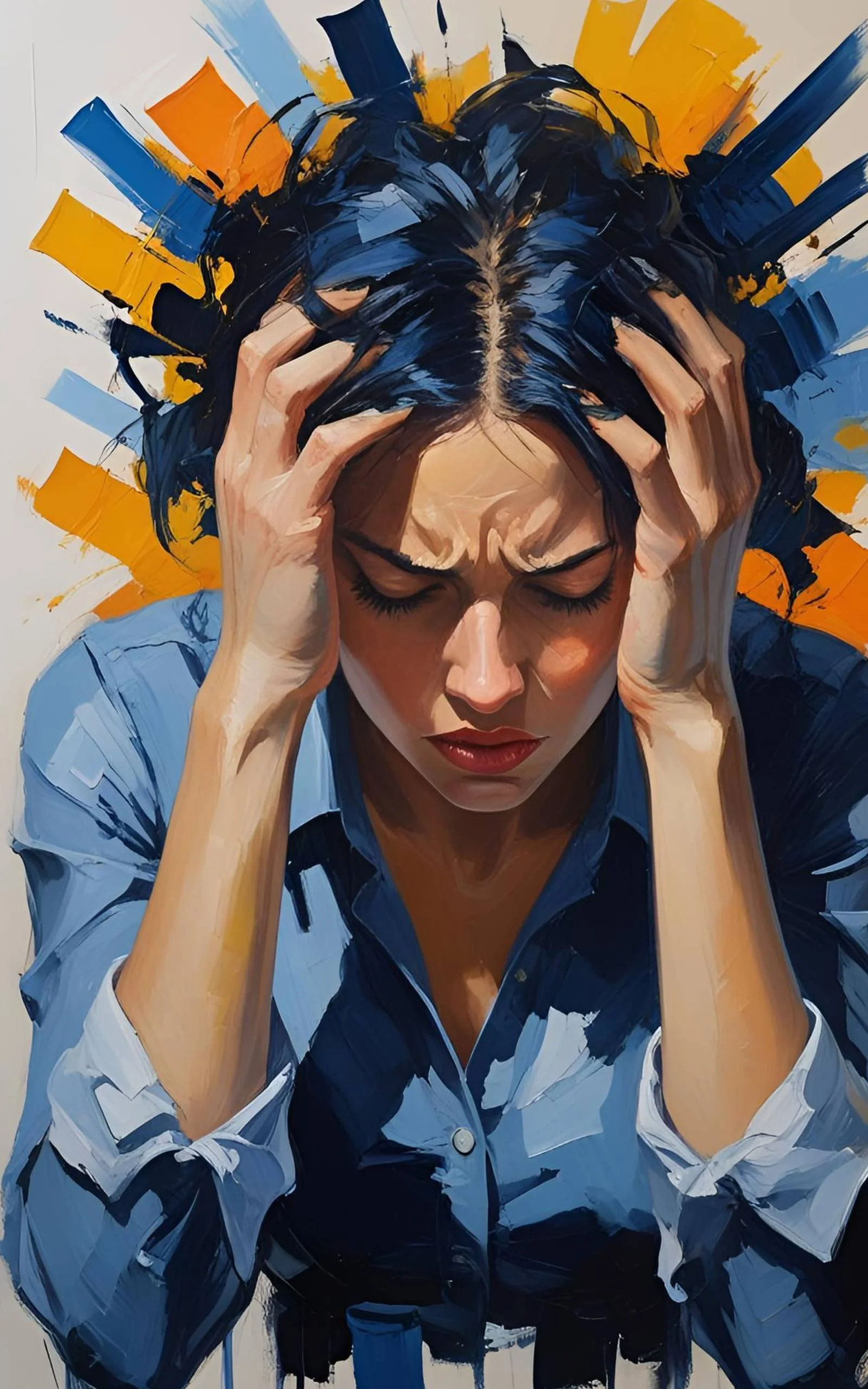
I Do Not Like This Grown-Up Game
Being a grown-up is basically just guessing. Guessing how much things cost. Guessing what the government wants from you this time. Guessing whether that noise your car is making is serious serious or just expensive serious. And somehow we’re all just expected to keep going, keep smiling, and keep paying for things we never even asked for. This poem is my love letter to the absolute disaster that is adulthood—and the barely functioning weirdos who are out here doing their best anyway. I see you. And I also forgot what day it is.
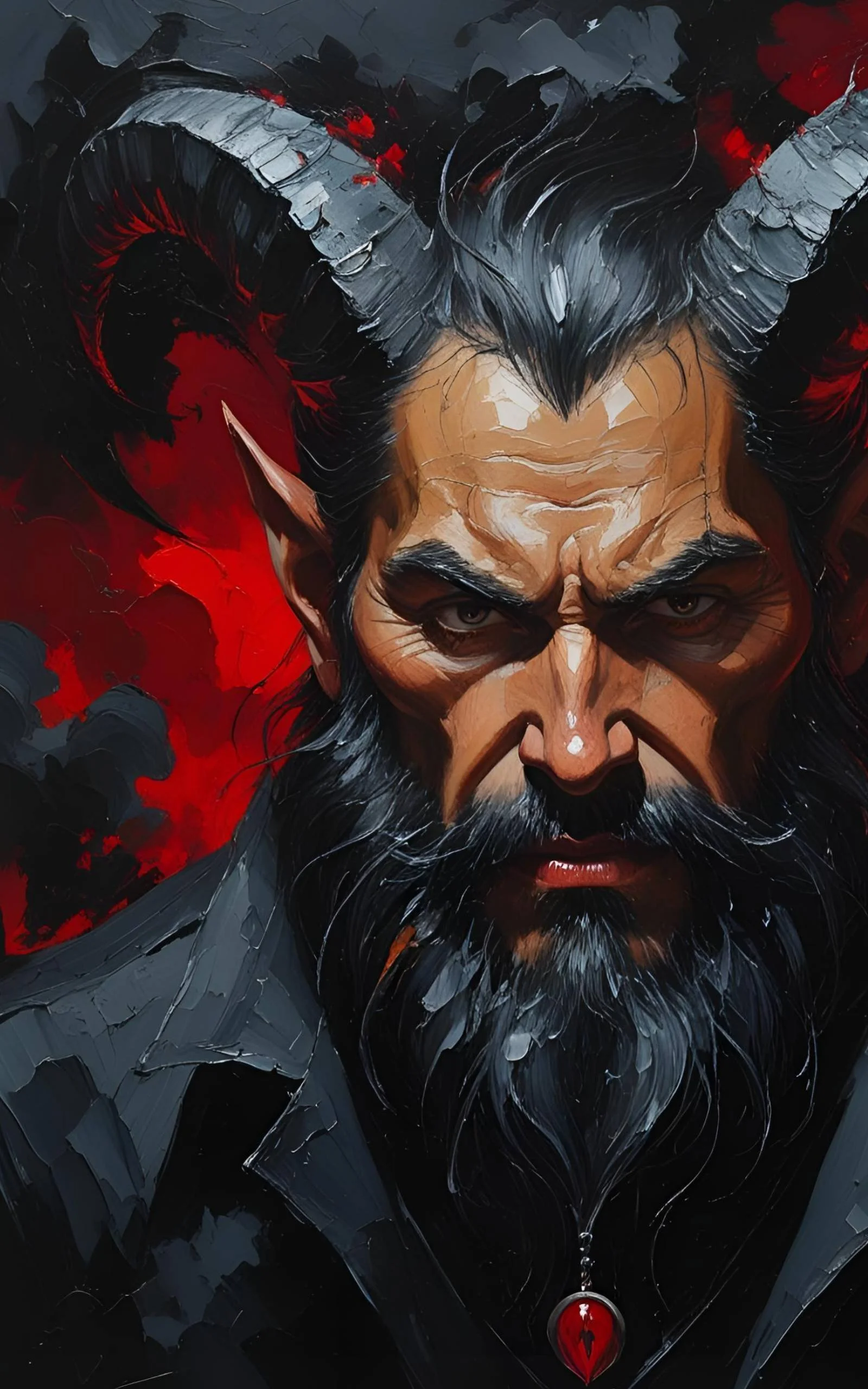
The Devil I Knew: a liturgy for the unsainting of a father
This poem is not a cleansing. It is not healing. It is the brutal act of naming what was done, and who did it. The Devil I Knew is an elegy for a father who never truly existed, and a reckoning with the man who took his place. It is about the kind of harm that doesn’t just leave bruises—it leaves echoes. This poem does not flinch. It speaks of evil not as myth or metaphor, but as something embodied, chosen, wielded. And yet, it also carries the unbearable ache of disappointment—the longing for a softness that never came, for a redemption that never arrived. It is not about rising above. It is about living with the wreckage—and still choosing to breathe. To walk. To love. Even when the first man who was supposed to show you how did nothing but destroy.💚
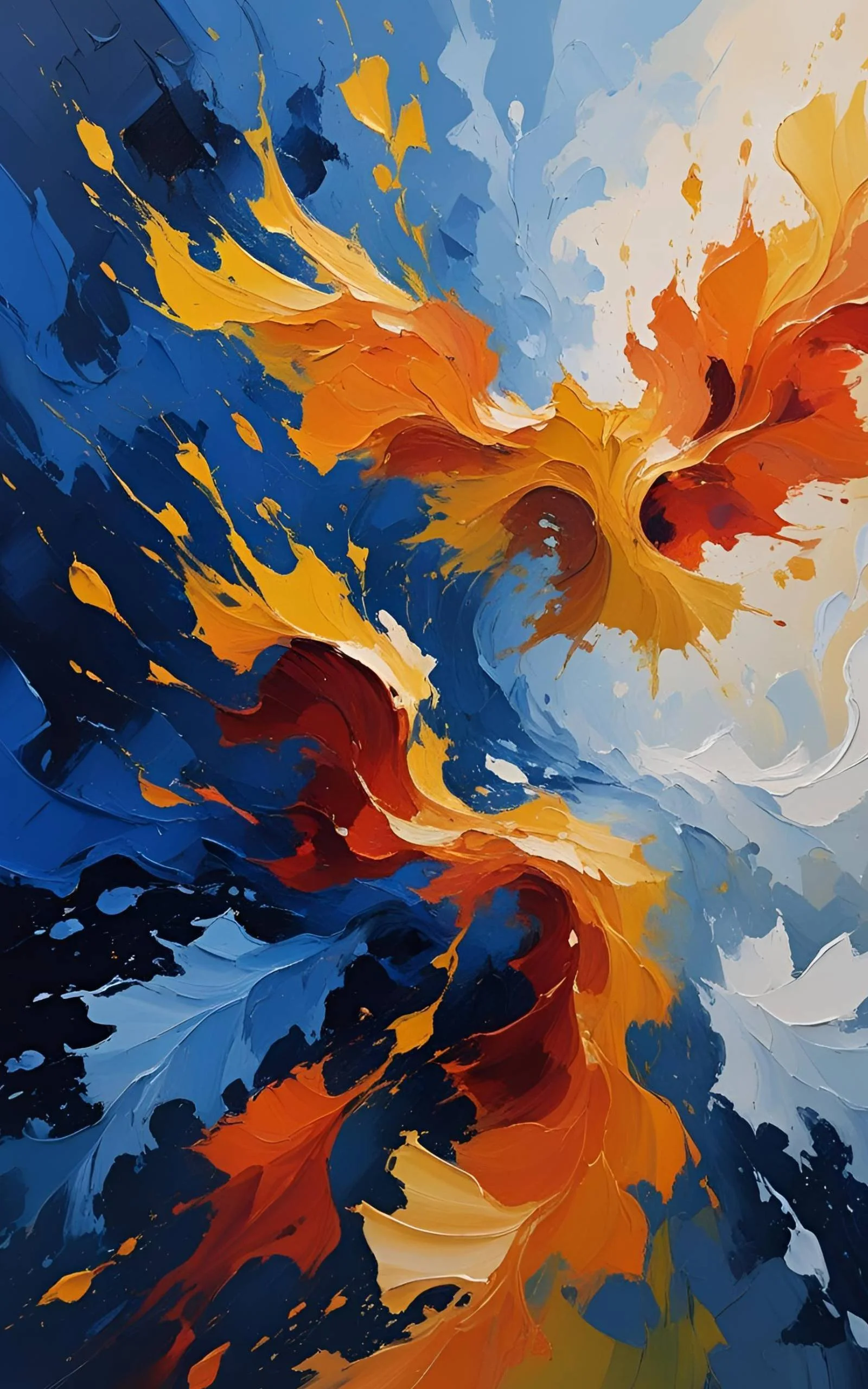
The Benediction of Suffering
This poem is an unflinching meditation on the paradox of pain—that every wound carved by existence is, in its own brutal way, a gift. The Benediction of Suffering explores the idea that to suffer is not to be punished, but to be awakened—to be marked by the sheer intensity of being alive. It’s about understanding that God’s “punishments” may not be condemnations at all, but invitations to feel more deeply, to break more beautifully, to live more fully. Suffering, in this telling, is not a flaw in the fabric of divinity—it is the fabric. And to feel it is to know, beyond doubt, that you were here.💚
Poetry by Britt Wolfe
I publish a new poem every single morning. Or mourning. Depends on the emotional forecast. Some are tender. Some are rage in a nice outfit. All of them are my attempt to make sense of the human experience using metaphors, emotionally charged line breaks, and questionable coping mechanisms.
Let me be clear: these poems are fiction. Or feelings. Or both. Sometimes they’re exaggerated. Sometimes they’re the emotional equivalent of screaming into a throw pillow. Sometimes they’re just a vibe that got out of hand. They are not confessions. They are not journal entries. They are not cry-for-help-coded-messages. (I have actual coping strategies. And group chats.)
Poetry, for me, isn’t about answers. It’s about shouting into the abyss—but rhythmically. Some pieces will whisper, “Hey… you okay?” Others will show up uninvited, grab you by the collar, and scream, “SAME.” They’re moody, messy, and occasionally helpful—kind of like me.
You’ll find themes running through them like recurring nightmares or that one playlist you swear you’ve moved on from. Love. Grief. Identity. Joy. Ruin. It’s all here, jostling for attention like emotionally unstable toddlers on a sugar high.
Think of these poems as an ongoing conversation—one I started, overshared during, and have now awkwardly walked away from. Good luck with that.
This poem marks a deliberate turning point: not self-love declared prematurely, but self-harm consciously ended. Ceasefire frames acceptance as a strategic decision rather than an emotional breakthrough—an agreement to stop treating the self as an enemy while acknowledging that affection may come later. It holds optimism without erasing damage, offering a vision of peace that is tentative, earned, and quietly radical: the permission to exist, unfinished, without continuing the war.