Meet Me in My Words:




Why I Write to You Every Morning
Every morning, I write something new — sometimes soft, sometimes sharp, always true to the feeling in me.
A gentle note, offered with love: these poems are works of fiction. They are not diaries, confessions, or evidence. They are feelings passing through language, moments being processed, emotions trying on metaphors to see what fits. If you recognise yourself in them… well. That’s between you and the poem.
When you subscribe, that day’s poem arrives in your inbox at 11:11 AM, every single day. No scrolling, no noise, no algorithms gently screaming for your attention. Just words, delivered on purpose, waiting quietly for you to meet them where you are.
And if you’d like to linger a while longer, you can meet me in my words below. 🌿

Poetry Disguised As A Man
Some people don’t just love you—they become the light in your life. The beginning, the stillness, the warmth, the return. This poem is for the kind of love that doesn’t need grand declarations to be extraordinary. It’s the slow, sacred kind. The kind that shows up in sunbeams through the window, in a soft voice at dusk, in the moonlight brushing your skin when everything else has gone quiet. Poetry Disguised As A Man is a love letter to the one who reminds me daily that devotion can be gentle, and forever can feel like home. 💚

I’m Here For The Hope
This poem was born from the soul-deep wisdom of my friend Melissa Zoller, whose words about “hope scrolling” stopped me in my tracks. In a world that often feels too heavy, too loud, too hopeless—she reminded me that there is still softness, still beauty, still something worth reaching for. I Am Here For The Hope is a love letter to that idea. It’s for the quiet scrollers searching for light, for the ones who keep showing up even when it hurts, for those who still believe in the possibility of something better. It’s not naïve to hope. It’s brave. 💚
Like A Lake In Summer: For The Kind Of Love That waits For You
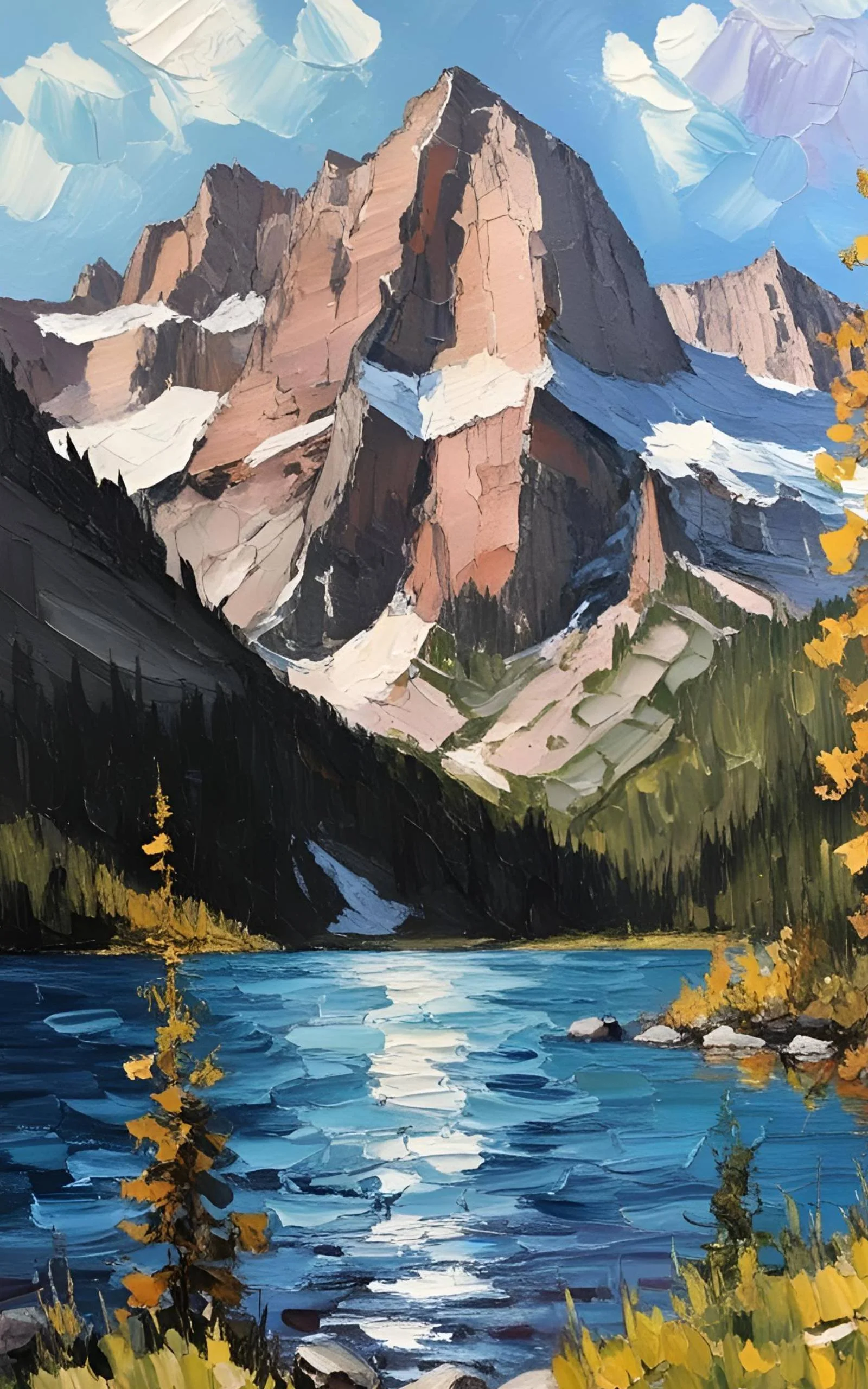
Like a Lake in Summer was born from a quiet, powerful idea—that real love doesn’t rush in all at once, but meets you gently, exactly where you are. It was inspired by the feeling of wading slowly into something safe and beautiful, where each step forward brings more comfort, more calm, more truth. This poem is for the kind of love that doesn’t overwhelm, but welcomes. That waits, patiently, while you learn to trust its warmth. That wraps around you like water on a still summer afternoon—clear, steady, and always there to hold you..💚

The Porch Swing
The Porch Swing was inspired by a single line from a tiny poem I once wrote for the Petite Poetry Project: “my heart has a porch swing with your name on it.” That line lingered with me—soft and sun-drenched—and I knew it held more. I imagined a love that lingers like summer air, like wood warmed by years of memories, like something waiting patiently for someone to come home to it. This poem is for the kind of love that stays rooted, even through time and silence, always swaying gently in the direction of the one who feels like home.💚

Don’t Stay In Room 13
Every horror story has that room—the one the locals avoid, the one with the door that closes just a little too slowly, the one with a number you shouldn’t say out loud. Don’t Stay in Room Thirteen is a mischievous little rhyme about what happens when someone ignores every warning and checks in anyway. With strict rhythm, classic rhyme, and just enough haunted hotel chaos to make you laugh and shiver at the same time, this poem is a cautionary tale for the curious, the skeptical… and anyone who thinks ghosts don’t have a sense of humour. Check in, if you dare—but don’t say you weren’t warned.🖤

I Never Left
There’s a particular kind of haunting that doesn’t scream—it watches. It lingers in the spaces we call safe, just out of reach, patient and quiet. I Never Left is told from the other side of that silence. This is the voice of a ghost not yet at rest, tethered not by vengeance but by memory. What begins as a familiar haunting slowly unspools into something stranger: a tale of a spirit unsettled by the living, unnerved by their presence, their noise, their breath. In this house, it’s not the ghost that needs to be feared—it’s the way the living disturb what should have been left undisturbed. Read it slowly. Let the dread bloom. And whatever you do—don’t turn your back on the mirror. 🖤

The Room That Watches: A Slow Horror In Verse
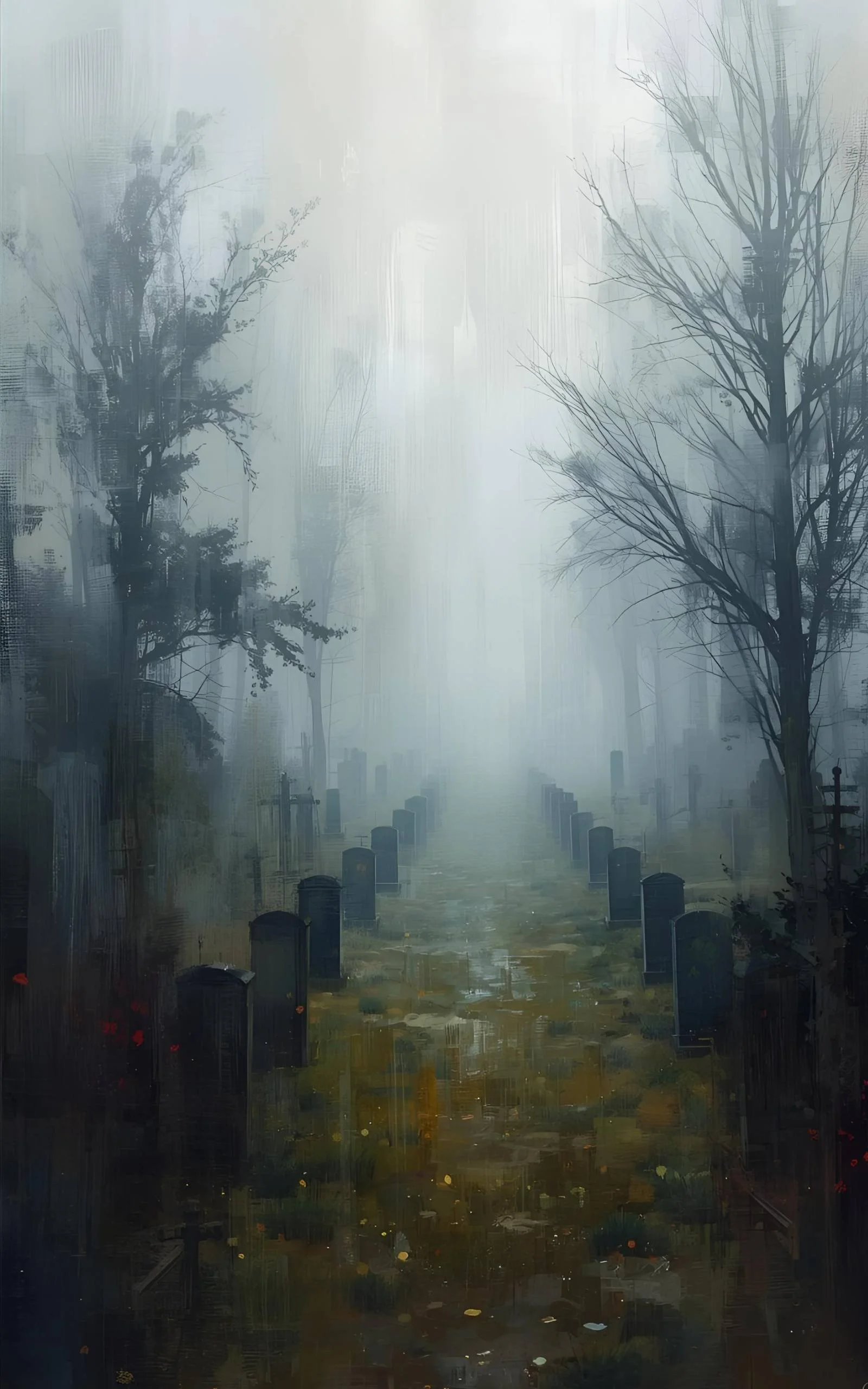
Some horror doesn’t arrive with blood or screams. It lingers instead—silent, patient, threaded into the corners of a room you once trusted. The Room That Watches is a quiet descent into that kind of fear: the kind that doesn’t chase you, because it knows you’ll stay. It’s about the unease of things slightly askew, the breath behind the silence, and the growing certainty that something in the house remembers you—even if you don’t remember it. This is a poem for the sleepless, the watched, the ones who leave a room only to wonder if they truly left. Let the fear rise slowly. Let it surround you like fog. And whatever you do, don’t look back at the mirror. Not just yet. 🖤

What It Means To Be Chosen
For anyone who’s ever waited to be seen—for the ones who softened their voice, shrunk their joy, and twisted themselves into someone else's shape just to feel worthy of staying. This poem is for the moment someone doesn’t ask you to earn it. Doesn’t need you to change. Doesn’t make you ache for crumbs of attention. They choose you—not in spite of your softness, your scars, your complexity—but because of it. This is what it means to be wanted without conditions. Chosen without begging. Held, fully and finally. 💚

If You Leave, Take Me Too
Some loves don’t just fill you—they become you. They seep into your breath, your pulse, the spaces in your home and the pauses in your sentences. This poem is for the kind of love that remakes you from the inside out, so fully and gently that the idea of living in a world without them feels like forgetting how to be. It’s not about codependency—it’s about connection so deep, so sacred, that parting feels like grief before it even happens. This is for the ones you’d follow anywhere. Even to the edge. Even into the after. 💚

You Might Be The After
There are some people who enter your life like sunlight through a window you didn’t know could open. Who don’t just love you in spite of your wounds—but love you in the places where you thought you’d never feel anything soft again. This poem is for the ones who arrive after the survival story ends—the ones who make healing not just possible, but beautiful. For the ones who remind us that maybe we weren’t just meant to endure. Maybe we were always meant to bloom. 💚

What The Movies Never Told Us
We’re so often told that love must be chaos to be real—that it needs grand gestures, wild arguments, stormy reunions. But what if love is meant to be something quieter? Something that doesn’t demand, but invites? What the Movies Never Told Us is a poem about the kind of love that feels like slipping into a cool lake on a summer day—refreshing, honest, and whole. It’s about ease. About deepening, step by step, into something that doesn’t crash or consume, but holds you. A reminder that sometimes the most profound love is the one that lets you exhale.💚

And Then You
Some loves don’t arrive to disrupt the quiet we’ve made for ourselves—they arrive to join it. To add to it. This poem is a reflection of that kind of love: gentle, reverent, unexpected. And Then, You is for anyone who has found peace in their own company, only to discover that the right person doesn’t take that peace away—they become part of it. It’s about the moment solitude shifts into something even more luminous, like the moon rising into a sky that was already beautiful, but is now breathtaking.💚
The Way We Begin
There’s something exquisitely brave about loving someone through fear—not because the fear is gone, but because the love is greater. This poem is an offering for those moments when hearts hesitate but still choose each other. It’s for the kind of love that doesn’t pretend to be fearless, but holds hands anyway and whispers, let’s stay. The Way We Begin is about facing love not as a guarantee, but as a sacred risk worth taking. A soft, honest declaration that says: I’m here. And I want to feel everything—with you.💚

Blooming Is Not The Same As Growing
There are times in life when blooming feels impossible—when the world is too sharp, too loud, or too cold. This poem is a reflection on those seasons, and a gentle reminder that we, like flowers, don’t bloom for everyone or everything. We bloom when we are safe. When we are loved. When the sun touches us in just the right way. Blooming Is Not the Same as Growing is a love letter to resilience, to tenderness, and to the quiet, instinctive pull toward light. It is for anyone who has ever withheld their colour until the world felt worthy of it. 💚

Double Bind Communication
This poem is both a diagnosis and a declaration—a name for the cruelty that masquerades as care, and a voice for the child who was trapped inside its impossible logic. Double Bind Communication is a psychological tactic often used by emotionally immature or narcissistic parents to control their children without appearing cruel. It keeps the child forever wrong—too much, not enough, delusional, forgetful—no matter what they do. This poem is for anyone who was told their truth was a betrayal, their memories a crime, and their healing a threat. It is not just poetry—it is a testimony. And for those who know this pain, may it feel like being finally, beautifully understood. 💚
You Called It Love (But I Know What It Was)
There comes a moment—quiet at first, then roaring—when the weight of pretending is heavier than the truth. When you finally stop twisting yourself to fit into someone else’s denial, and start telling your story exactly as it happened. This poem is that moment. It is a reckoning for those who dressed up cruelty as care, who punished you for remembering, and then punished you again for healing. It is written for every child who was silenced, blamed, gaslit, and dehumanized—and who now refuses to return to the fire just to prove they can still burn. This is not a plea for understanding. It is a statement of fact. A farewell to fiction. And above all, a declaration of love—for the self that made it out. 💚

No-Win, No More: For The Ones Who Keep Surviving
There are some wounds that do not bleed but echo. Some homes that were never homes, only battlegrounds disguised as family. When the people who claim to love you twist your reality, silence your voice, and shame your very breath, healing is not just survival—it’s rebellion. This poem is for every soul who was told they were the problem, when all they ever did was try to find the door out of the maze. It’s a reckoning. A remembering. And most of all, it’s a declaration: you are not lost—you were just never meant to belong in a world built on denial. Read this slowly. Let it echo. Let it free you. 💚

Laughing With My Mouth Full
Laughing With My Mouth Full is a celebration of joy in its most visceral, unfiltered form—the kind of joy that doesn't ask permission or wait to be observed. It’s about revelling in the messiness of being alive, about choosing presence over perfection, flavour over formality. This poem is for the women who live vividly, who taste every moment, who dare to take up space and sound and sensation without apology. It’s for the ones who laugh mid-bite, who spill wine while storytelling, who know that elegance isn’t silence—it’s the art of fully inhabiting your life. This is a love letter to embodied joy, and a refusal to ever quiet it down. 💚
What He Said To me After Court
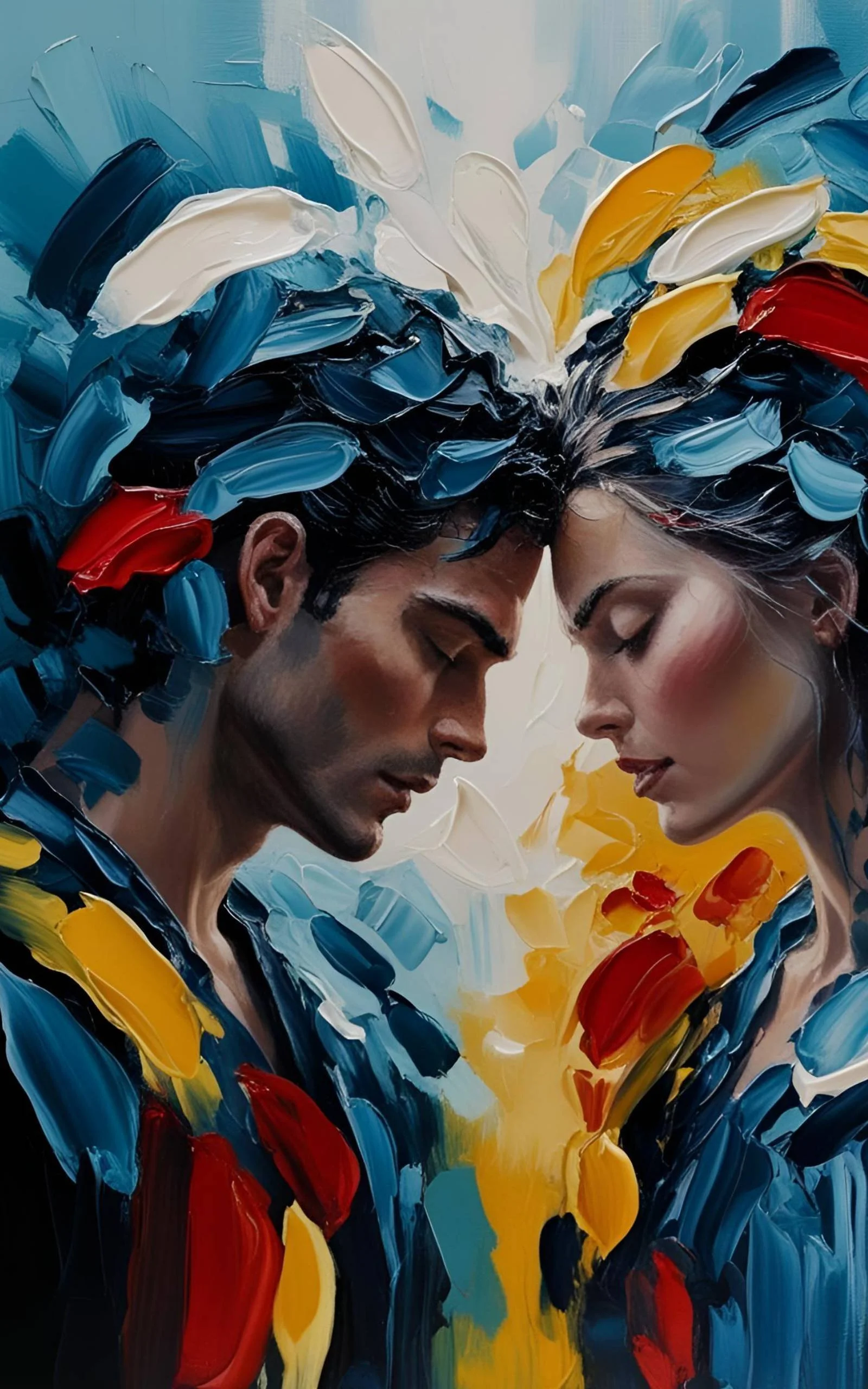
This poem is about a moment I’ll never forget—standing outside a courtroom, raw and rattled, after being forced to sit through lies meant to break me. It’s about the man who met me there, not just with love, but with fury on my behalf. My husband has always seen me clearly, even when others tried to distort the view. What He Said To Me After Court is a tribute to that kind of love—the kind that holds you upright when you’re shaking, that speaks truth over you when the world tries to bury you in falsehoods. This poem is what it feels like to be chosen, again and again, by someone who sees all of you and still says, “You are worth it.” 💚

I Didn’t Mean To Leave You Too: For My Sister
This poem is for my sister—the one I left behind when I ran. I didn’t mean to leave her. I was running from pain, from damage, from a past that threatened to drown me if I didn’t break free. But in saving myself, I also abandoned the people who loved me most. It took me years to return, to find the courage to reach out, to ask if there was still space for me in her life. Her forgiveness was a gift I can never repay—only honour, with love and presence and truth. This poem is my heart laid bare. It’s the apology I’ve carried for too long, and the gratitude that spills over every time I remember what it means to be welcomed home. 💚
Poetry by Britt Wolfe
I publish a new poem every single morning. Or mourning. Depends on the emotional forecast. Some are tender. Some are rage in a nice outfit. All of them are my attempt to make sense of the human experience using metaphors, emotionally charged line breaks, and questionable coping mechanisms.
Let me be clear: these poems are fiction. Or feelings. Or both. Sometimes they’re exaggerated. Sometimes they’re the emotional equivalent of screaming into a throw pillow. Sometimes they’re just a vibe that got out of hand. They are not confessions. They are not journal entries. They are not cry-for-help-coded-messages. (I have actual coping strategies. And group chats.)
Poetry, for me, isn’t about answers. It’s about shouting into the abyss—but rhythmically. Some pieces will whisper, “Hey… you okay?” Others will show up uninvited, grab you by the collar, and scream, “SAME.” They’re moody, messy, and occasionally helpful—kind of like me.
You’ll find themes running through them like recurring nightmares or that one playlist you swear you’ve moved on from. Love. Grief. Identity. Joy. Ruin. It’s all here, jostling for attention like emotionally unstable toddlers on a sugar high.
Think of these poems as an ongoing conversation—one I started, overshared during, and have now awkwardly walked away from. Good luck with that.
This poem marks a deliberate turning point: not self-love declared prematurely, but self-harm consciously ended. Ceasefire frames acceptance as a strategic decision rather than an emotional breakthrough—an agreement to stop treating the self as an enemy while acknowledging that affection may come later. It holds optimism without erasing damage, offering a vision of peace that is tentative, earned, and quietly radical: the permission to exist, unfinished, without continuing the war.