Featured Poetry:





Why I Write To You Every Sunday…
Every Sunday, I publish a new poem—sometimes soft, sometimes sharp, always true to the feeling that inspired it.
When you subscribe, that week's poem arrives in your inbox at 11:11 AM, along with something I share nowhere else: a private reflection on where the poem came from, what inspired it, what I was exploring, or the thoughts lingering quietly beneath the words.
No scrolling. No noise. No algorithms competing for your attention. Just poetry, delivered on purpose, waiting patiently for you to meet it when you're ready.
And if you'd like to linger a little longer, I'd love to meet you there.
A gentle note, offered with love: these poems are works of fiction. They are not diaries, confessions, or evidence. They are emotions trying on language. Metaphors reaching for meaning. Moments becoming something else in the translation. If you recognise yourself in them… well. That’s between you and the poem.
I Was Never Beautiful
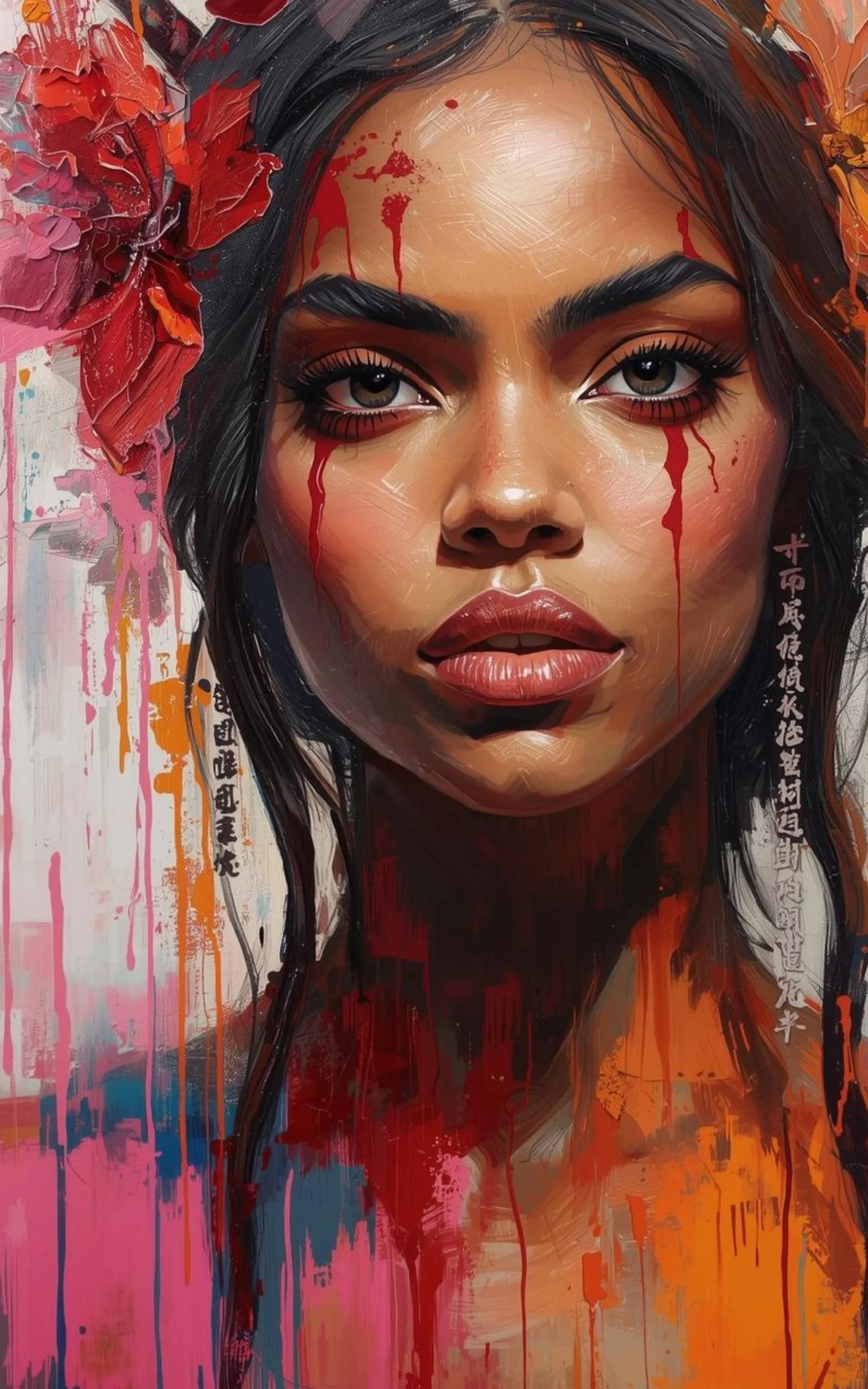
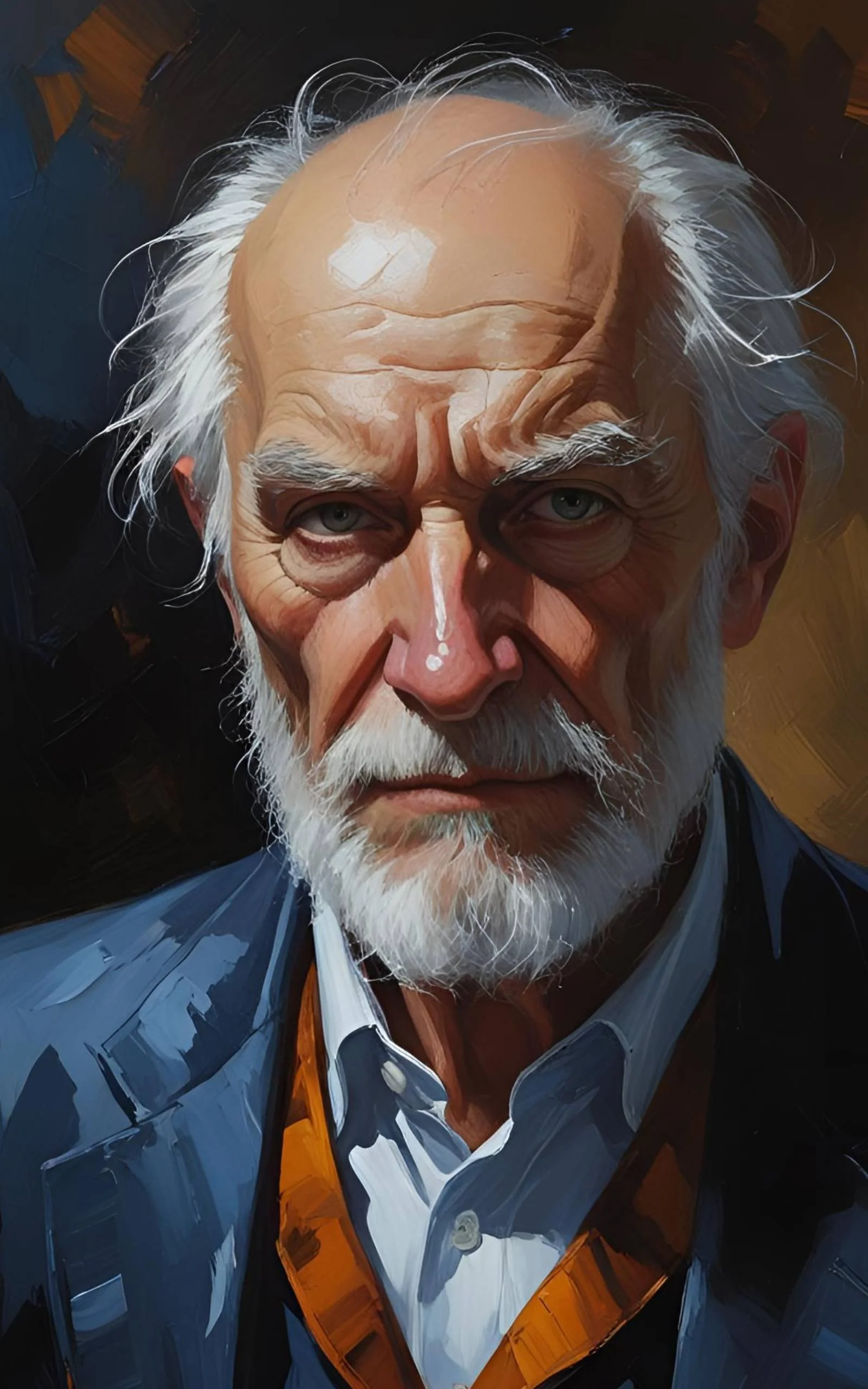
I Was Never Beautiful rejects the narrow, conditional definitions of beauty placed on women and interrogates the cost of being valued primarily for appearance. Rather than mourning what was withheld, this poem reclaims the deliberate choice to want more—to seek substance, impact, and selfhood over admiration. It speaks to the hunger to be taken seriously in a world that rewards palatability, and to the power of building an identity rooted in growth, intellect, and presence rather than something time can erode. This is a poem about choosing depth over decoration, and becoming over being seen.
Trapped Inside Your Obsession
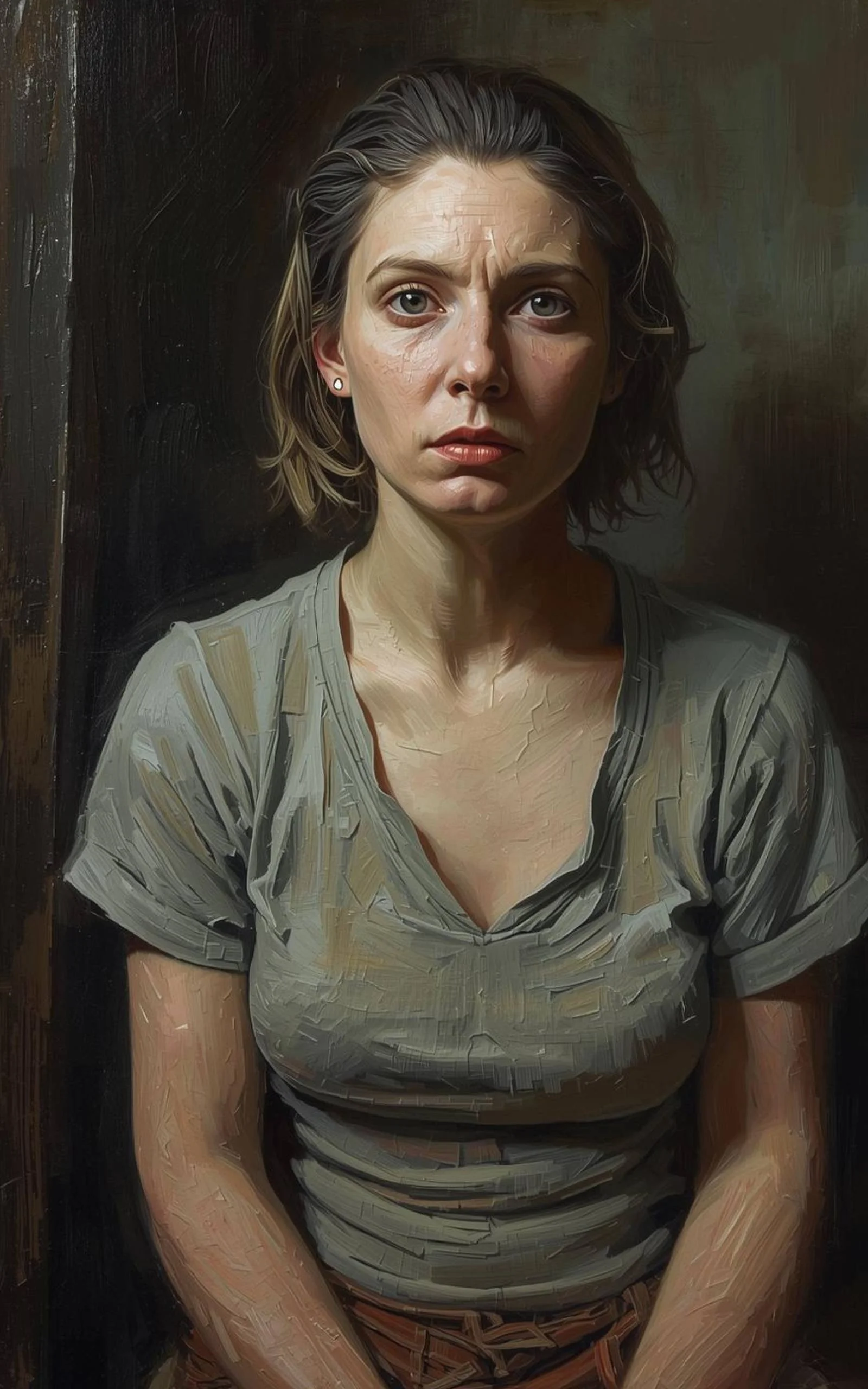
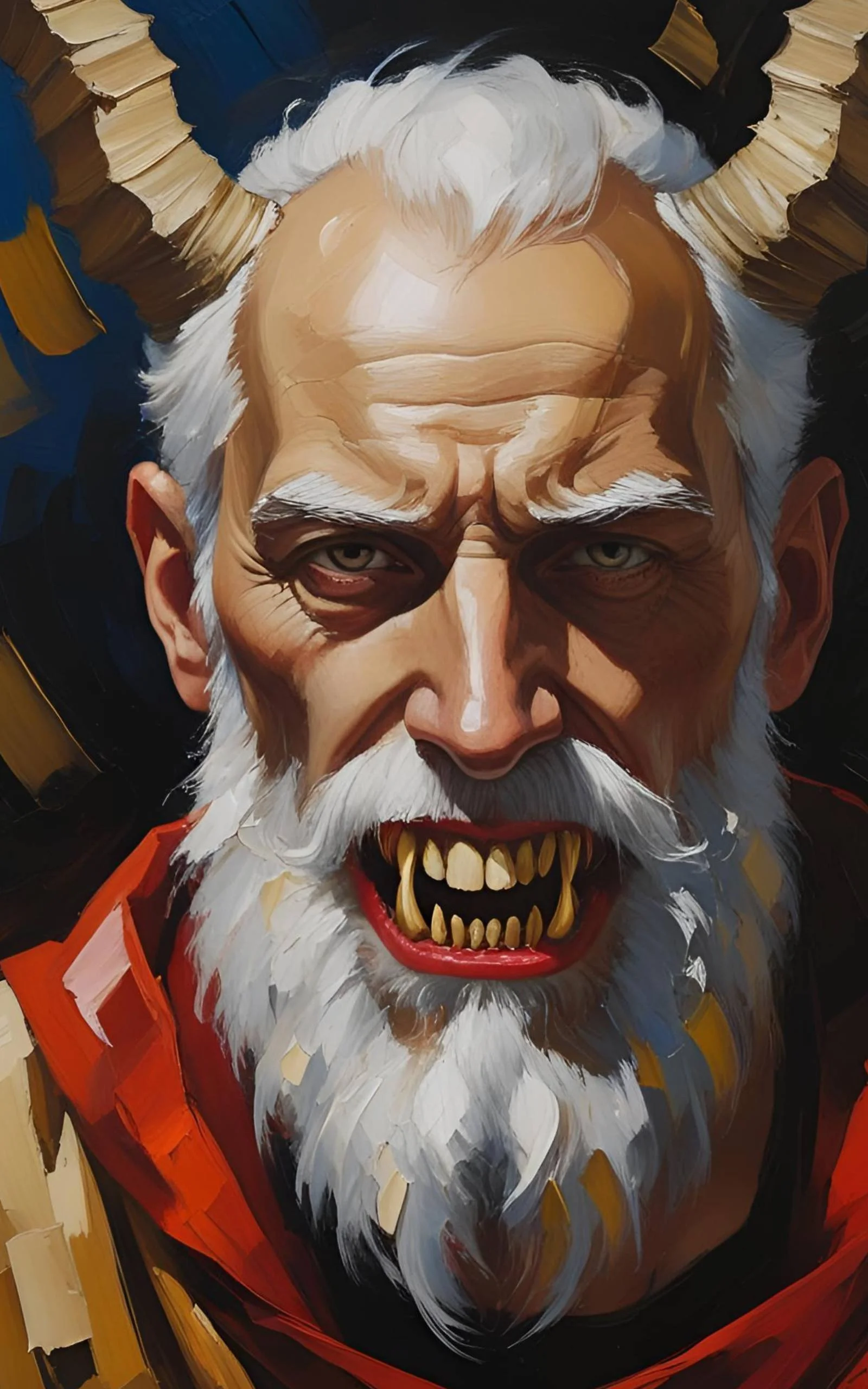
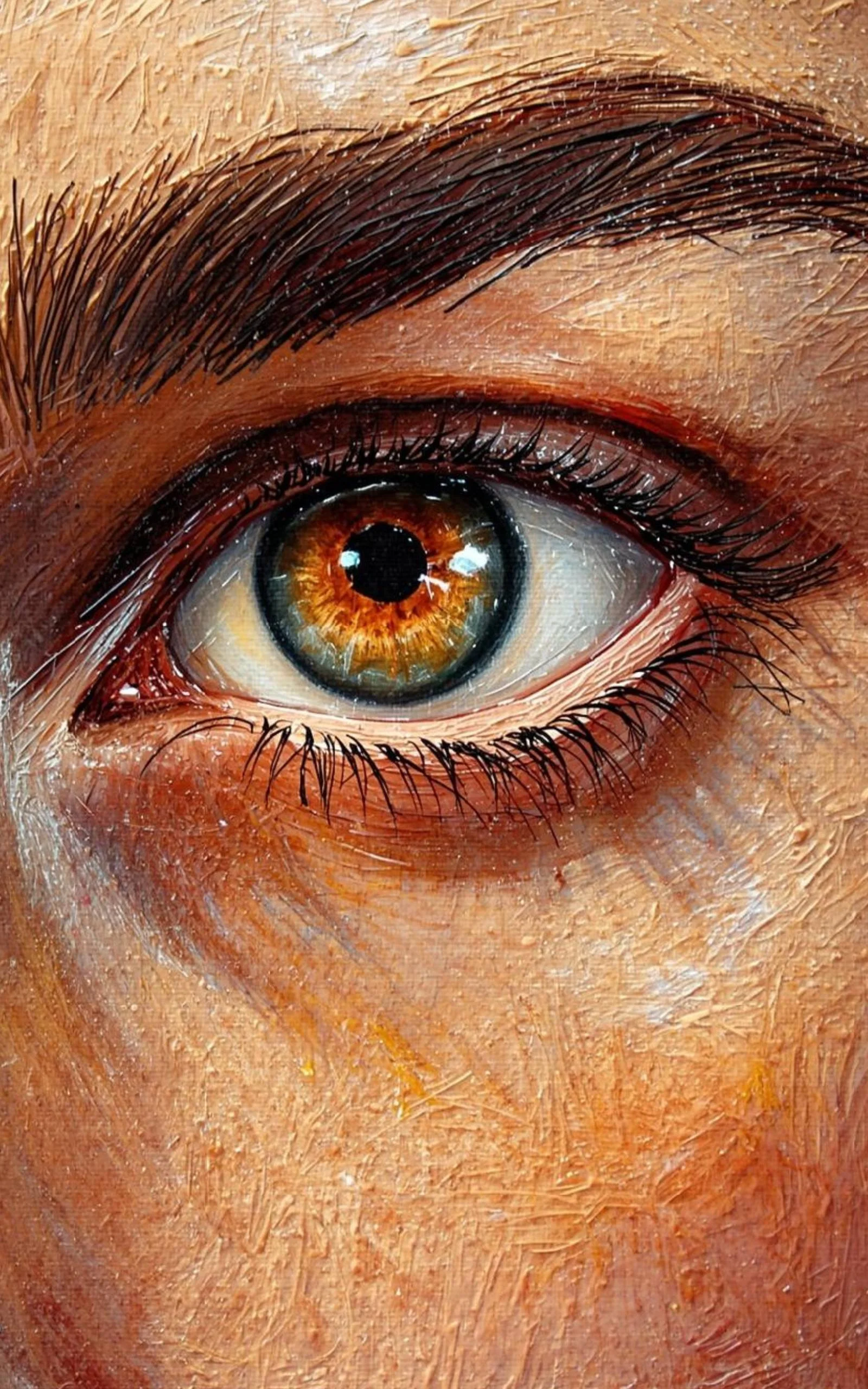
Trapped In Your Obsession confronts the rarely named violence of being watched, tracked, and emotionally claimed without consent. Written to collapse the distance between reader and subject, this poem immerses the body in the experience of unwanted fixation—the slow erosion of safety, autonomy, and selfhood that occurs when someone refuses to let go. It explores how obsession masquerades as care, how attention can become a form of restraint, and how being seen without being respected can make even existence feel unsafe. This is a poem about the cost of being made into an object—and the quiet, defiant survival of those who endure it.
Metallica Vs. Megadeth
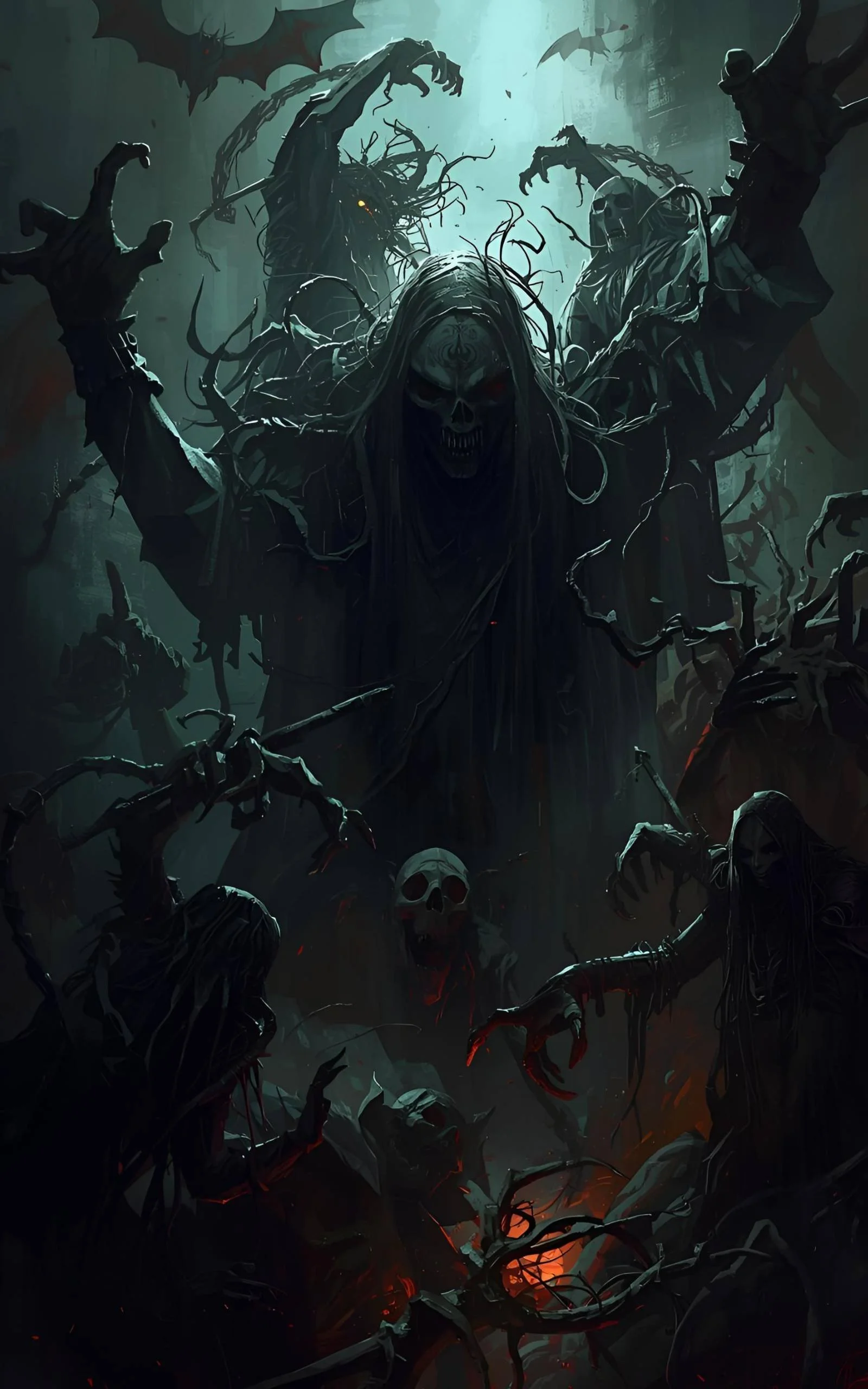
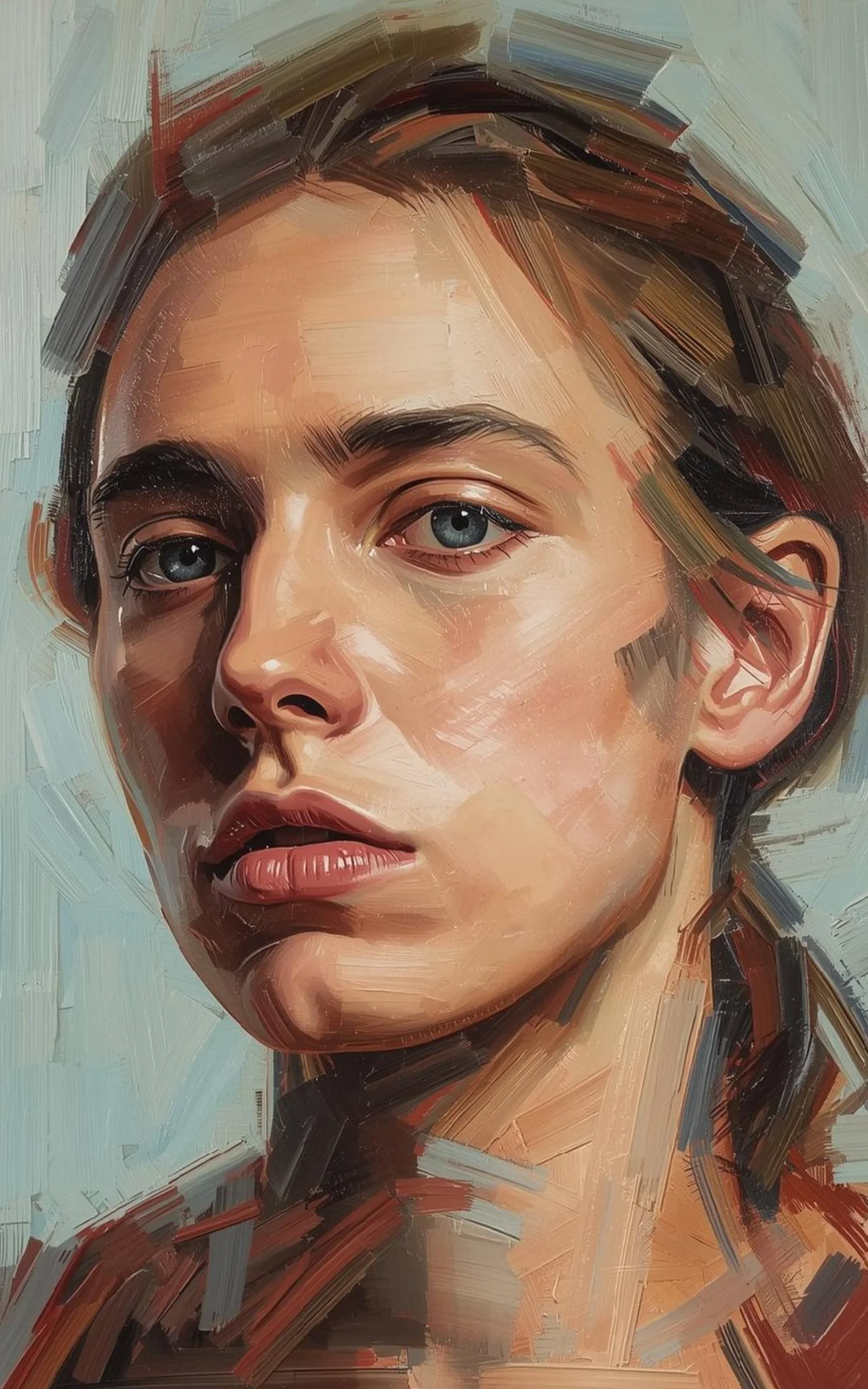
Metallica VS. Megadeth uses one of rock music’s most enduring rivalries as a metaphor for the quiet damage of comparison and the radical freedom that comes from choosing self-alignment over envy. It explores how success can still feel hollow when it is built in reaction to someone else’s trajectory—and how true mastery arrives only when the gaze turns inward. This poem traces the shift from fear-driven striving to self-possessed growth, ultimately claiming a hard-won truth: greatness is not measured against others, but defined by the moment you stop listening for who’s ahead and start becoming inevitable yourself.
The Pull of Forward
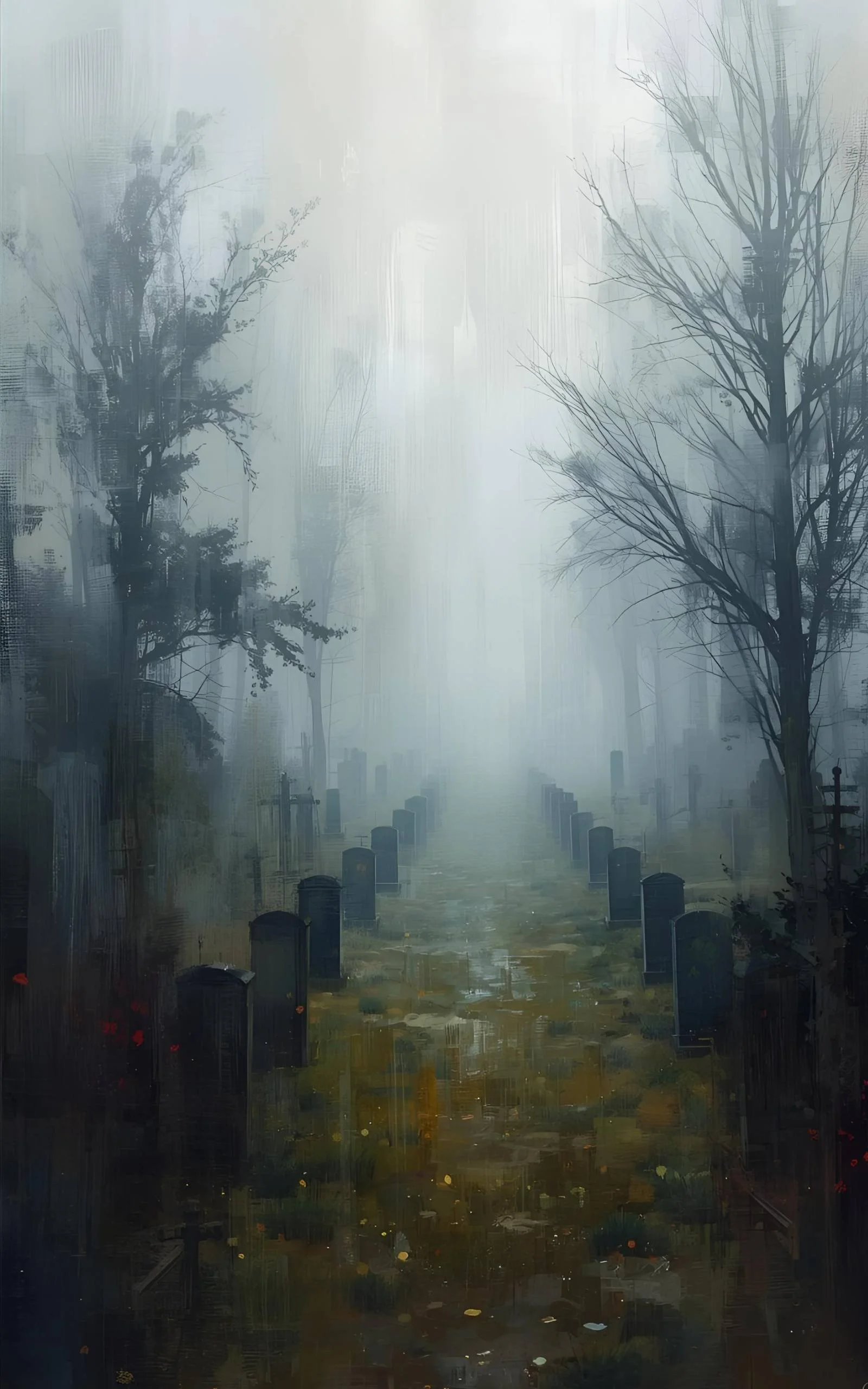
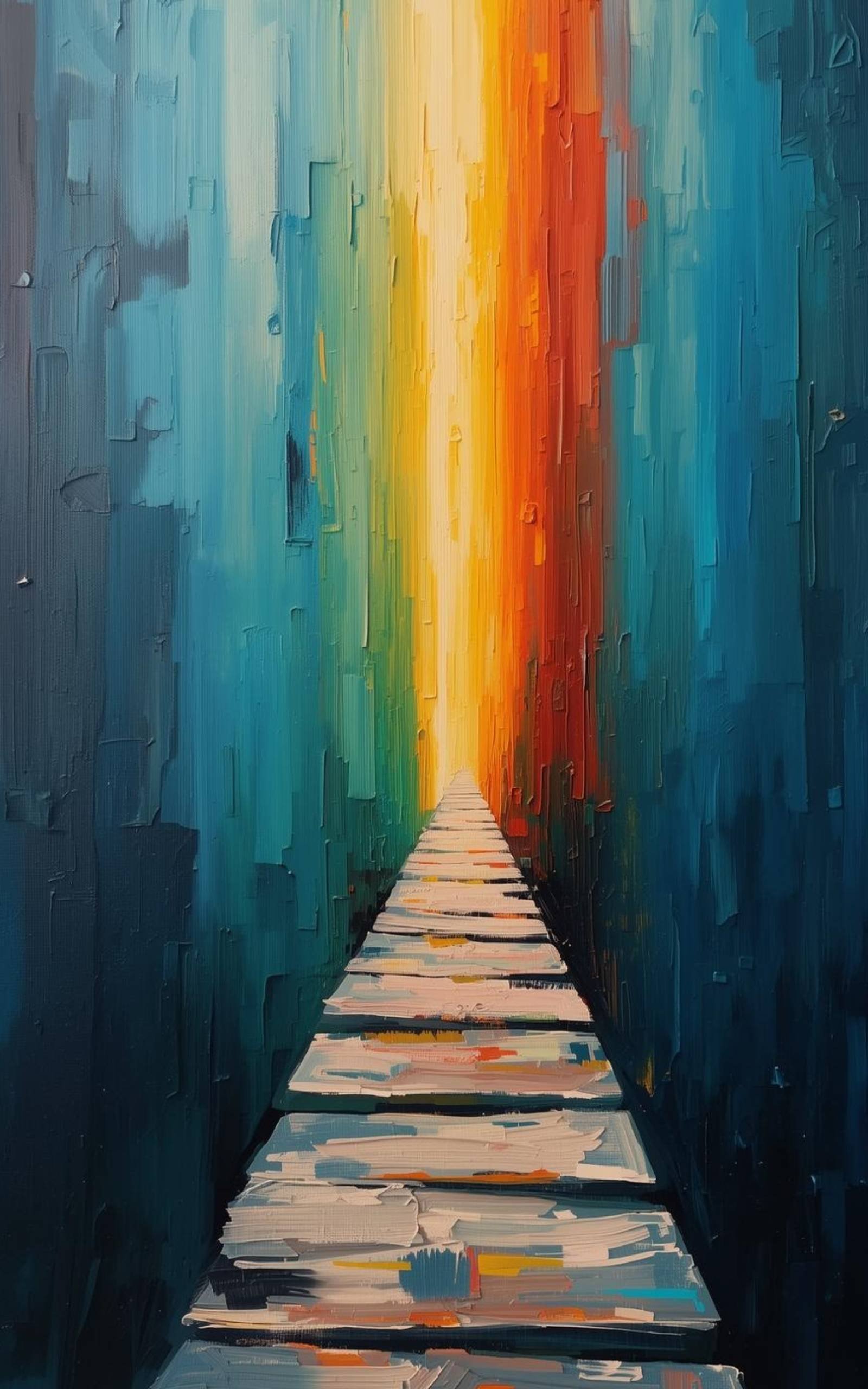
The Pull of Forward is a meditation on the ancient, almost animal force that lives beneath human ambition—the instinct not merely to survive, but to move, to seek, to become. It explores the uneasy truth that stillness, even when safe, can feel like a kind of erasure, and that our desire to grow is not a flaw to be corrected but an inheritance written into our bodies. This poem speaks to the part of us that refuses complacency, that listens for the horizon even when life is comfortable, and that understands forward motion not as greed or restlessness, but as reverence for being alive.
Maybe She is Sad?
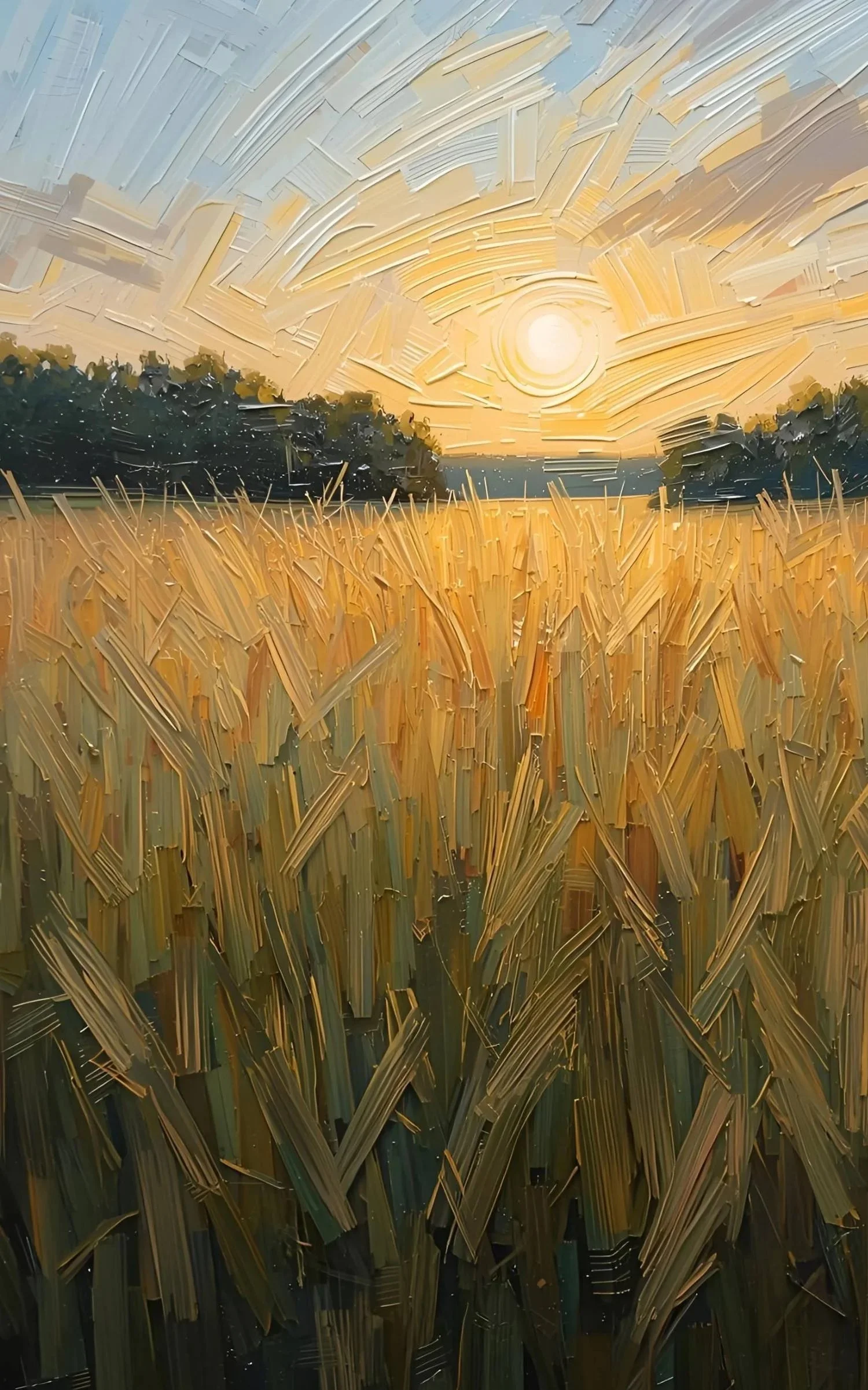
Maybe She Is Sad? is a meditation on the complicated alchemy of cruelty—how some people move through the world wounding others not out of power, but out of an unspoken, unendurable sorrow. This poem considers the possibility that beneath hostility lies grief, that beneath arrogance lies ruin, and that behind even the sharpest behaviour may be a story of squandered potential and unmet promise. It doesn’t excuse the harm inflicted; instead, it explores the quiet, difficult work of understanding it, of holding sorrow and accountability in the same hand. Ultimately, this piece becomes an exploration of forgiveness—not as reconciliation, but as a sacred act of self-preservation, a compassionate distance that honours healing without reopening old wounds. 💚
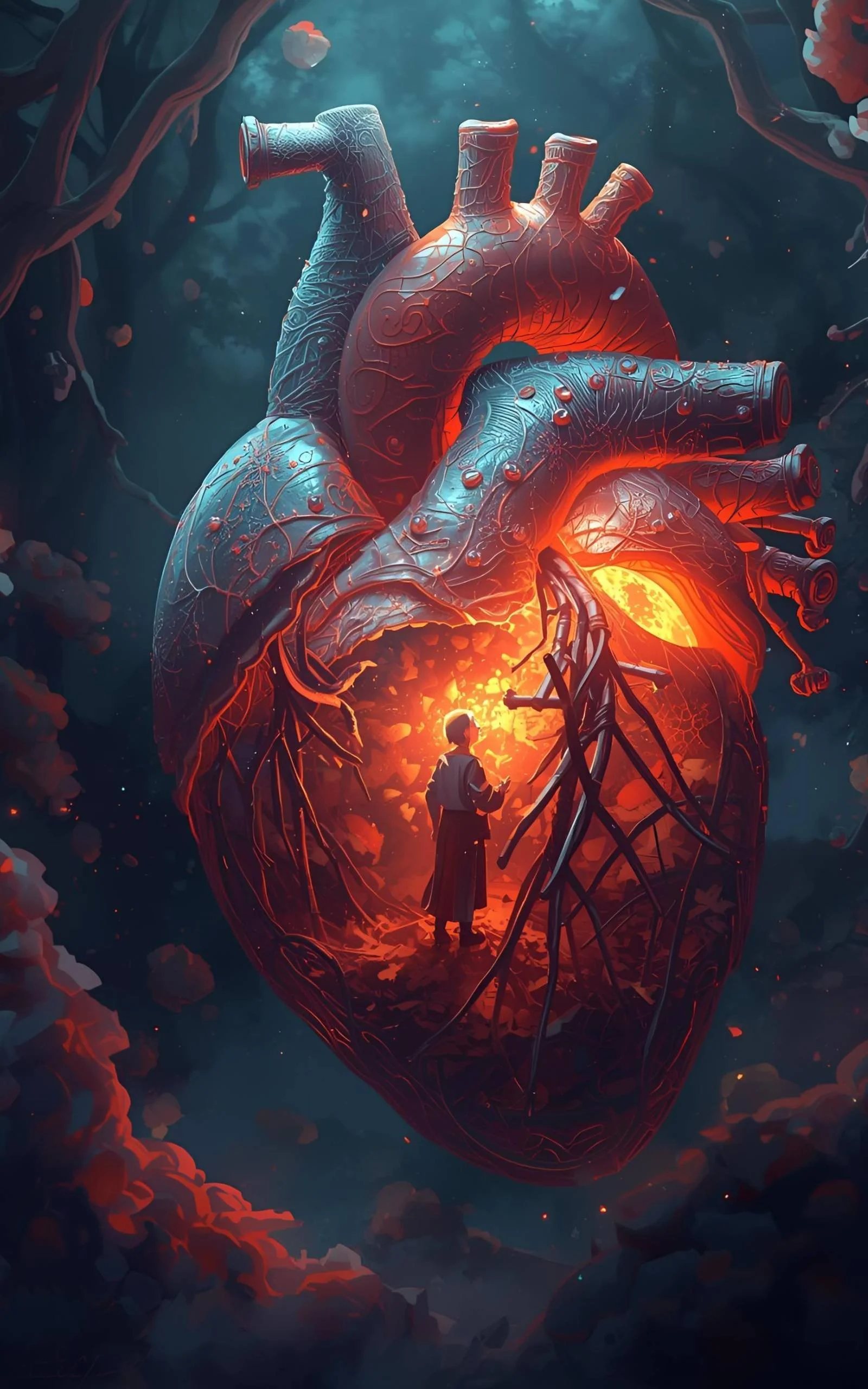
The Story In Every Heart
The Story in Every Heart is a reminder of the vast, unseen worlds carried inside every person we pass on the street. It speaks to the quiet epics unfolding behind ordinary faces—stories shaped by wounds, resilience, small mercies, and private turning points that no one else will ever fully understand. This poem invites the reader to soften, to recognize that every heart is a universe of what was survived, what was lost, what was learned, and what is still tender and unfinished. At its core, it’s an ode to empathy: a call to look at others, and at ourselves, with the reverence that only the knowledge of hidden stories can bring. 💚
The Least Of Her
The Least of Her is a meditation on the difference between surface and essence—on how the world often fixates on external beauty while missing the deeper, more extraordinary qualities that truly define a being. This poem reflects on presence as a form of wisdom, love as a quiet absolution, and gentleness as a force capable of reshaping a life. It explores the idea that the most remarkable individuals are rarely remarkable for the reasons others assume; their radiance may draw attention, but their soul is what rewrites us. This piece is, at its heart, a celebration of a rare and indescribable kind of companionship—one whose truest brilliance exists far beneath the visible, in a place only the heart can see. 💚
It Goes On
It Goes On is a meditation on life’s most unyielding truth: continuity. This poem explores the quiet, inexorable momentum of existence—the way time advances with or without our permission, reshaping us through loss, joy, resilience, and the ordinary days that blur between them. It speaks to the human desire for meaning and control, and the humbling realization that life remains indifferent to both our triumphs and our devastations. Yet within that indifference lies a strange mercy: if nothing lasts forever, neither does suffering; if life insists on moving forward, we are invited—again and again—to rise with it. At its heart, this piece reflects on the profound grace hidden in life’s persistence and the way we, too, continue in spite of everything. 💚
The Things We Carry Into Tomorrow
The Things We Carry Into Tomorrow is a meditation on the quiet, undeniable truth that we are shaped not by what we leave behind, but by what remains with us. This poem explores the way our past selves—broken, brave, unfinished, radiant—continue to travel with us, forming the hidden architecture of who we become. Rather than treating our history as something to discard, it reframes it as a teacher: a set of instructions in resilience, tenderness, and self-understanding. At its heart, this poem is an invitation to see ourselves as whole rather than fragmented, to recognize that every version of us has contributed to the person standing here now, carrying both the weight and the wisdom of everything that came before. 💚
The Year That Waits For Us
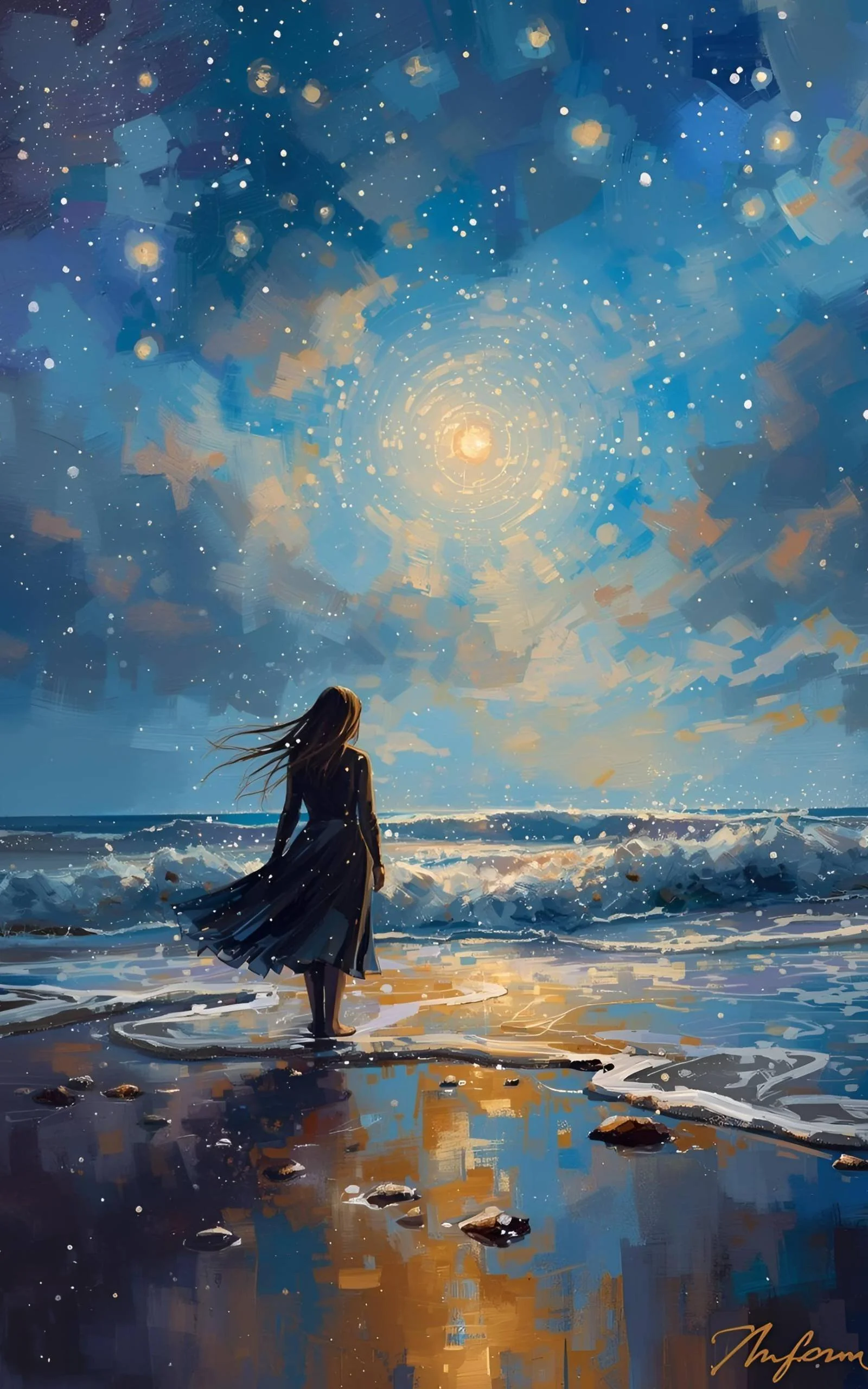
The Year That Waits for Us is a gentle, hopeful meditation on beginnings—not the loud, sweeping kind we imagine, but the quiet ones that arrive slowly and reshape us in ways we only recognize later. This poem speaks to the soft discipline of hope, the courage it takes to keep moving forward, and the truth that a new year isn’t magic in itself, but an invitation to become someone truer. It honours the heaviness we carry from the months behind us while reminding us that the future is still tender, still forming, still full of possibility. At its heart, this piece is a reassurance: the best parts of your story are not gone. They are waiting—just ahead, just within reach, ready to unfold when you are. 💚
The Way the Lantern Light Found You
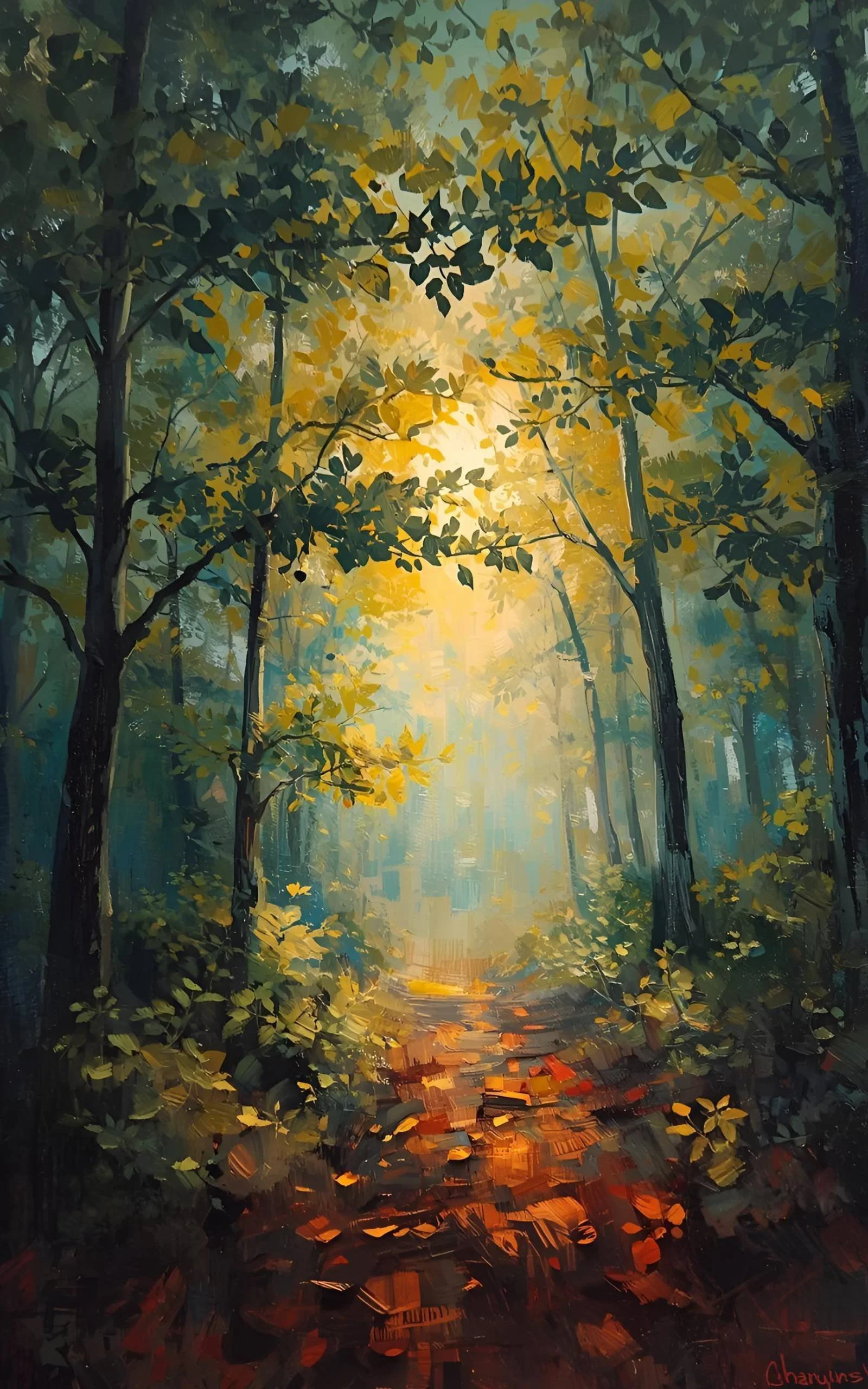
Some moments arrive softly but alter everything—quiet, glowing turning points that split our lives into a before and an after. The Way the Lantern Light Found You captures one of those enchanted instants: the hush of fate gathering, the shimmer of recognition, the gentle magic that happens when two paths finally converge. It’s lyrical and luminous, evoking that Enchanted/Lover/Renegade energy while reflecting the heart of my Songs to Stories novellas—each one built around the precise moment a life changes direction. This poem celebrates that spark, that breath, that lantern glow that says: here is where the story shifts. 💚
The Things We Learn Too Late
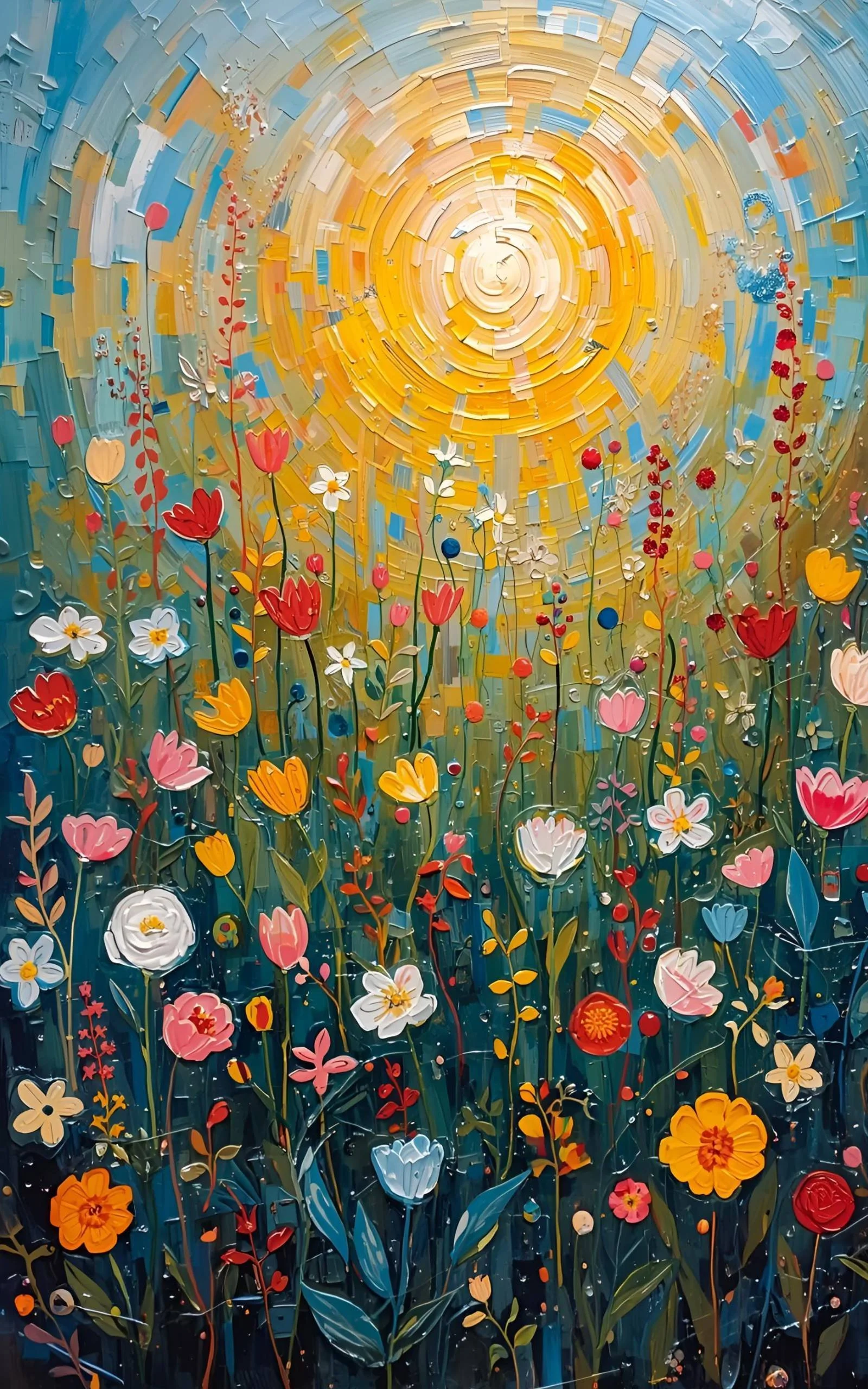
The Things We Learn Too Late is a meditation on the slow, intricate way life reveals its meaning—never in sudden certainties or tidy revelations, but in fragments, in overlooked details, in ordinary days that accumulate into something extraordinary only in hindsight. This poem reflects on how we spend so much of our lives searching for answers we aren’t yet ready to understand, believing meaning must be discovered rather than noticed. It’s a reminder that we are shaped not by grand moments, but by small mercies, quiet choices, and the soft unfolding of time. In the end, it suggests that life is less about mastery than attention—and that the truths art can give us are often the ones that arrive gently, piece by piece, when we finally learn how to see. 💚
We Were All New Once
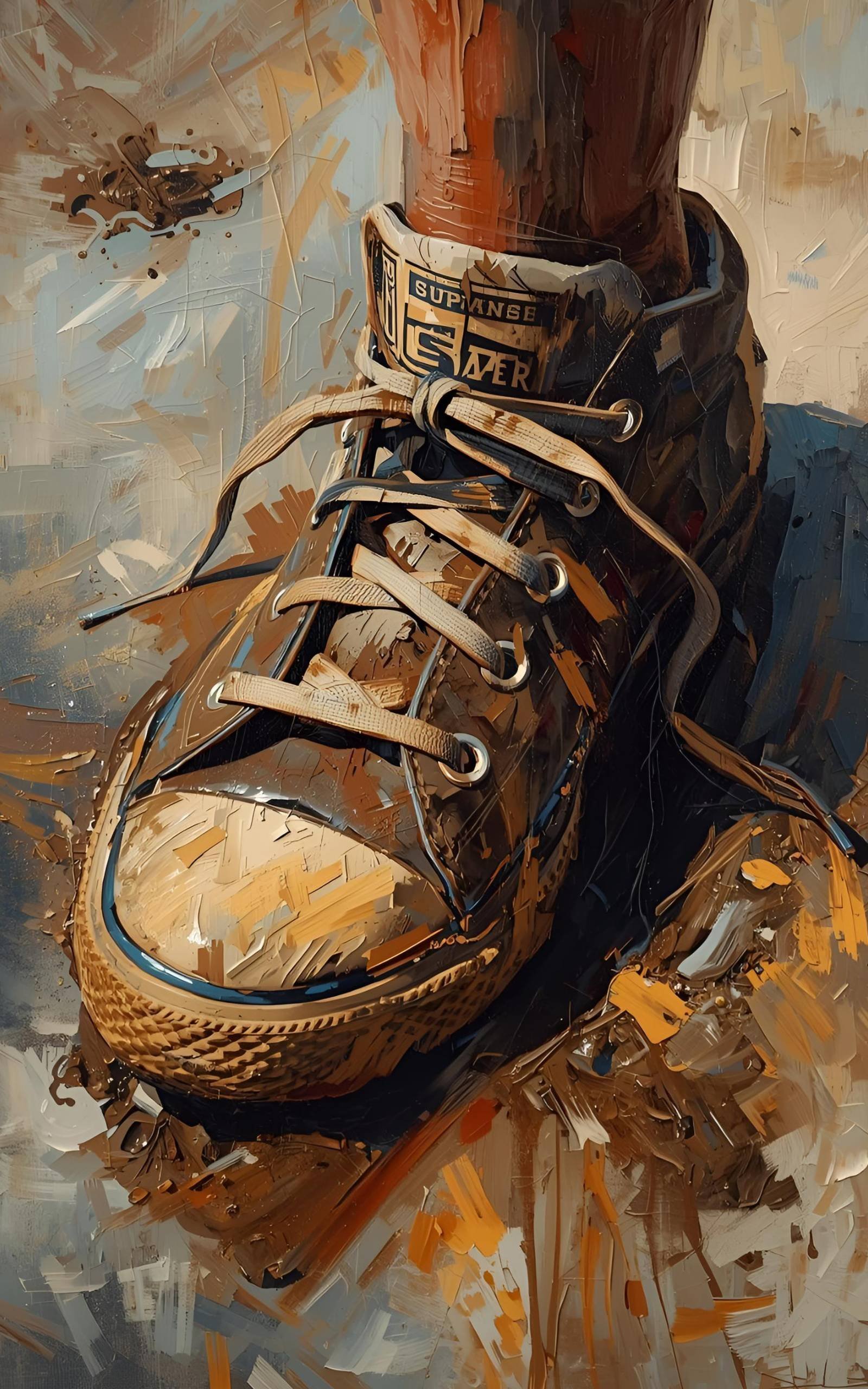
We Were All New Once is a quiet meditation on the inevitability of time—how we begin our lives unmarked and full of promise, believing the future will unfurl itself in soft, radiant colours. This poem captures the ache of watching that early hope tarnish under the slow pressure of living: the way aging, repetition, disappointment, and simple survival dull the shine we once carried so effortlessly. It’s an elegy for the versions of ourselves who dreamed without hesitation, and a gentle acknowledgment of how hard it is to keep believing when the world has worn us down. Yet beneath its sorrow is a flicker of persistence—a recognition that even cracked, weathered, and weary, we still reach instinctively toward the light that shaped us. 💚
Had One Thing Gone Differently
Had One Thing Gone Differently is a meditation on the staggering improbability of love—how two lives, shaped by countless choices, accidents, and near-misses, can still collide with breathtaking precision. This poem explores the fragile architecture of existence, the way a single deviation in timing or circumstance could have unravelled the entire future, and the profound gratitude that rises from recognising the one timeline in which everything aligned. It is both cosmic and intimate, an acknowledgment of how easily our paths could have diverged and how extraordinary it is that they didn’t. At its heart, this poem is a love letter to the miracle of finding your person in a world governed by chaos—and the quiet awe of knowing that, against every odd, you ended up here together. 💚
Control
This poem, Control, reaches deep into the psychology of domination to explore the kind of “love” that is anything but loving. Though it draws on universal truths about narcissistic behaviour—the hunger for ownership, the manipulation disguised as tenderness—it is rooted firmly in the world of my fiction. The voice behind these lines belongs to Luca, a character readers will first meet in my debut novel On the Edge of After. Luca is a man who mistakes obsession for devotion, who wields empathy as a weapon, and whose desire is not to cherish, but to govern. This poem serves as a prism through which to understand him: not a monster born, but a man shaped by entitlement, fragility, and the relentless pursuit of control masquerading as love. 💚
I Can’t Get Up
Depression is often spoken about in metaphors—storms, shadows, sinking ships—but the lived reality is far quieter, heavier, and more invisible than most people realise. I Can’t Get Up gives voice to that crushing stillness, to the kind of exhaustion that makes even the simplest acts feel insurmountable. It’s a poem about the way joy becomes distant, how once-beloved comforts lose their colour, and how the body can feel pinned in place by a weight no one else can see. This piece doesn’t offer solutions or silver linings; instead, it offers truth—an unflinching look at the gravity of depression and the courage it takes simply to survive it. 💚
Christmas 1980-Something
Christmas in the eighties was its own kind of magic—handmade, imperfect, and stitched together with the wide-eyed belief that beauty could hold a family in place. This poem looks back on those seasons of plastic holly, chipped gold stars, rainbow lights, and window paint that dried too quickly in the cold. It remembers the shortbreads mailed across the country, the stockings hung a little too close to danger, and the small rituals that felt enormous through a child’s gaze. But beneath the nostalgia lies a quieter truth: that sometimes the memories we polish were already cracked, that the wonder we recall was laid over something fragile and aching. This is a poem about honouring what was beautiful, acknowledging what was broken, and choosing—at last—to build something sturdier for the future. 🎄
The Version of Me You Never Met
There are moments in life when losing someone becomes the catalyst for finding ourselves—when heartbreak doesn’t just break us, but reforges us into someone stronger, braver, and truer than we ever imagined. The Version of Me You Never Met explores that electric transformation: the way we grow beyond the people who once defined us, and become the version of ourselves they never stayed long enough—or cared enough—to witness. It’s a poem steeped in reinvention and reclamation, echoing the self-forged arcs at the heart of your Songs to Stories novellas. This piece honours the woman who emerges after the storm: luminous, unshakeable, and finally her own. 💚
The Soft Animal of Me Refuses to Die
Softness is so often misunderstood—as weakness, as fragility, as something the world can break without consequence. But survival has never belonged exclusively to the hard or the unfeeling; it has always belonged to those who continue to rise with their tenderness intact. The Soft Animal of Me Refuses to Die is a poem about that quiet, defiant endurance—the kind that rebuilds itself in silence, that refuses to let cruelty turn it to stone, that insists on meeting each day with a vulnerable but unshakable heart. It’s a love letter to the gentleness that saved you when nothing else could. 💚
The World is a Wall
There are days when trying feels less like ambition and more like punishment — like every hope I dare to hold becomes another reason to run headlong into the same unyielding barrier. I keep pushing, keep believing, keep throwing every piece of myself at a world that refuses to shift even an inch for me. And every time I hit that wall, I lose a little more of who I was before the impact. The World Is a Wall is what it feels like to keep hoping anyway, to keep colliding with something that will never open, never let me through, never choose me back. It’s the truth of living a life where the world stands solid and unmoved, and I’m the one who breaks. 💚
Poetry by Britt Wolfe
I publish a new poem every Sunday. Sometimes they're tender. Sometimes they're rage in a nice outfit. All of them are my attempt to make sense of the human experience using metaphors, emotionally charged line breaks, and what I choose to believe are perfectly reasonable coping mechanisms.
A quick note before we go any further: these poems are works of fiction. They may borrow from emotions, observations, memories, questions, or passing moments that refuse to leave me alone, but they are not diary entries. Poetry lives somewhere between truth and imagination, and I'm far more interested in emotional honesty than factual accuracy. Sometimes a poem begins with a feeling. Sometimes it begins with a sentence. Sometimes it begins because a particular image won't let me go.
Poetry, for me, isn't about answers. It's about paying attention. It's about taking the messy, beautiful, heartbreaking experience of being human and turning it into something that can be held for a moment before it slips away again.
You'll find familiar themes wandering through these pages: love, grief, hope, identity, healing, joy, heartbreak, and the strange ways we survive one another. Some poems will whisper, "Hey... you okay?" Others will arrive carrying a crowbar and a strong opinion. I make no promises about which version you'll get.
Think of these poems as an ongoing conversation—one I'm continually having with the world, with myself, and occasionally with whatever part of us still believes words can help.
Thanks for being here.
This poem marks a deliberate turning point: not self-love declared prematurely, but self-harm consciously ended. Ceasefire frames acceptance as a strategic decision rather than an emotional breakthrough—an agreement to stop treating the self as an enemy while acknowledging that affection may come later. It holds optimism without erasing damage, offering a vision of peace that is tentative, earned, and quietly radical: the permission to exist, unfinished, without continuing the war.