Meet Me in My Words:




Why I Write to You Every Morning
Every morning, I write something new — sometimes soft, sometimes sharp, always true. The poems arrive before the world wakes: small attempts at making sense of being human, stitched together with metaphors and caffeine.
When you subscribe, that day’s poem finds you first — landing in your inbox every single morning at 7:11AM. No scrolling, no noise, no algorithms. Just words waiting quietly for you, reminding you to pause, to breathe, to feel.
Think of it as a shared ritual: one poem, one breath, one moment of belonging before the day begins.
And if you’d like to linger a while, you can meet me in my words below. 🌿
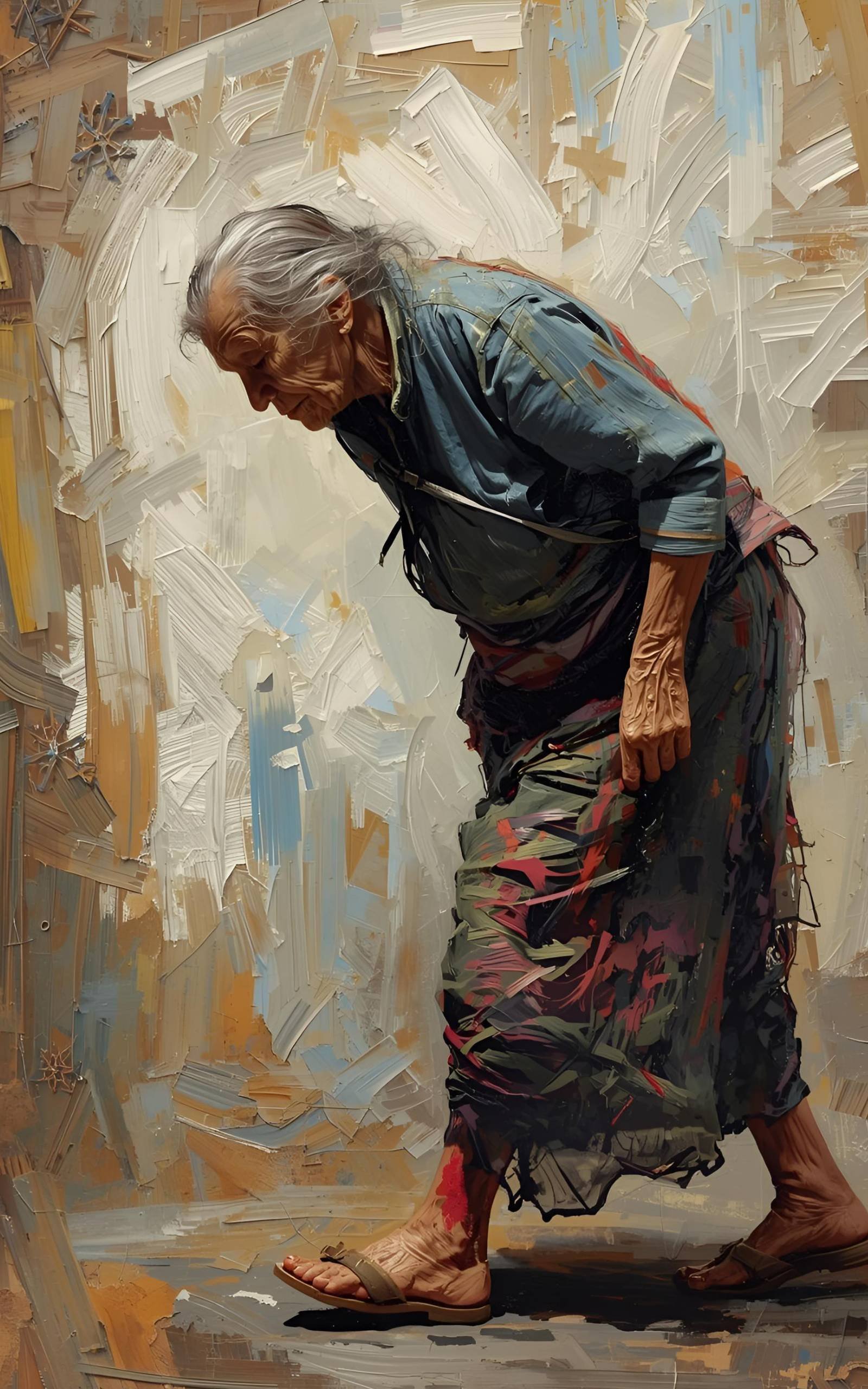
What is the ****ing Point
This poem is a reckoning. What Is the Fucking Point is what happens when the quiet exhaustion of adulthood curdles into fury—when faith, fate, and the mythology of purpose all start to sound like bad punchlines to a cruel joke. It’s about the erosion of idealism, the slow grind of survival, and the hollow promises we’re taught to worship: happiness, wisdom, meaning. It’s not hopeless, though—it’s human. Because underneath the rage is the most powerful thing of all: persistence. The refusal to stop asking, even when the universe stays silent. 💚
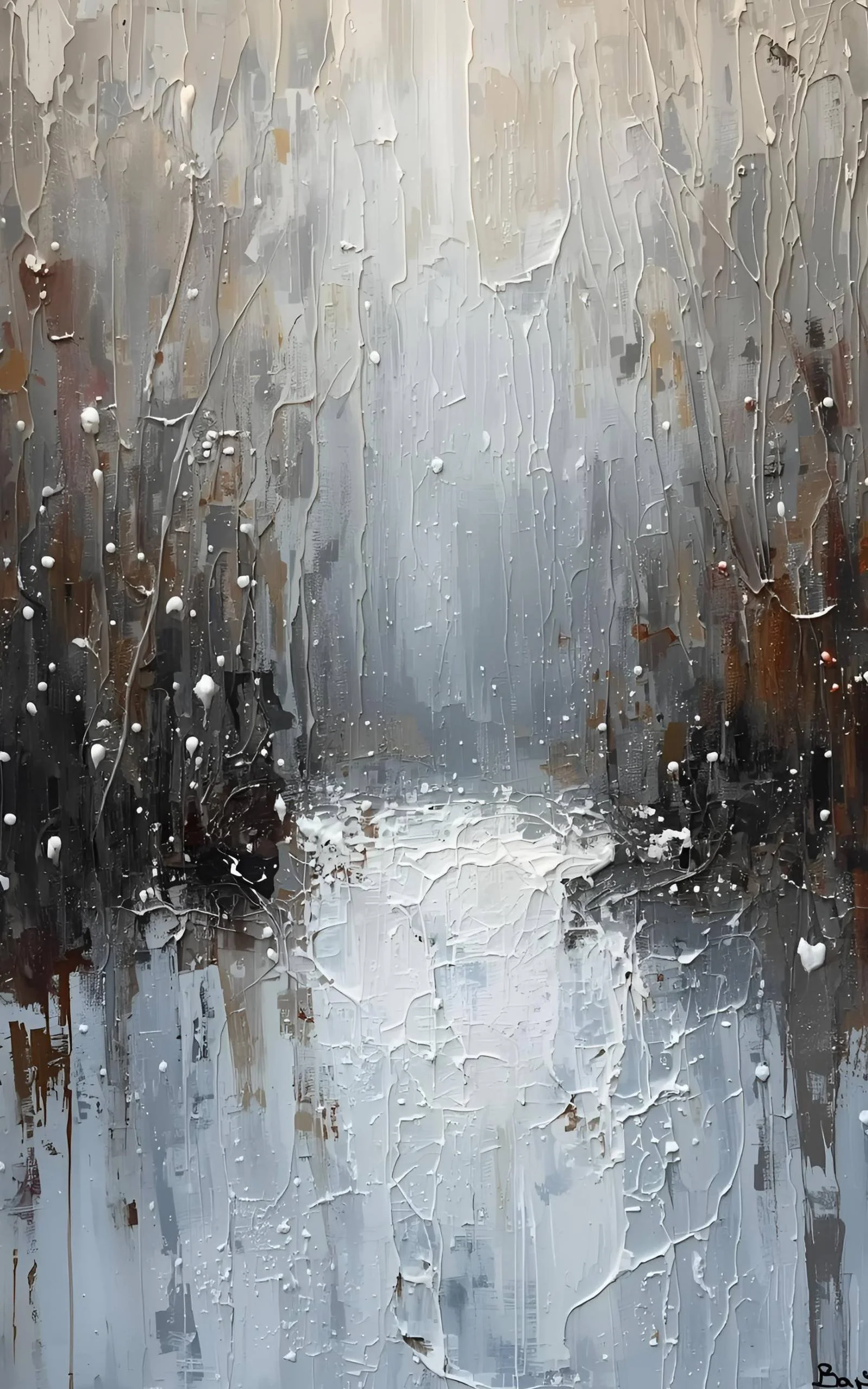
Snowfall on the Things We Should’ve Said
There’s a particular stillness that winter brings—the kind that makes us revisit unfinished moments and replay the words that never made it past our lips. Snowfall on the Things We Should’ve Said leans into that hush, exploring how regret settles the way snow does: softly at first, then steadily, until it covers everything we once hoped to say. This poem is a meditation on unsent letters, half-formed confessions, and the frozen conversations that follow us long after the moment has passed. It echoes the emotional undercurrent of Songs to Stories—the longing, the almosts, the ache of what could have been—and invites readers to sit with the quiet beauty and sorrow of all we left unspoken. 💚
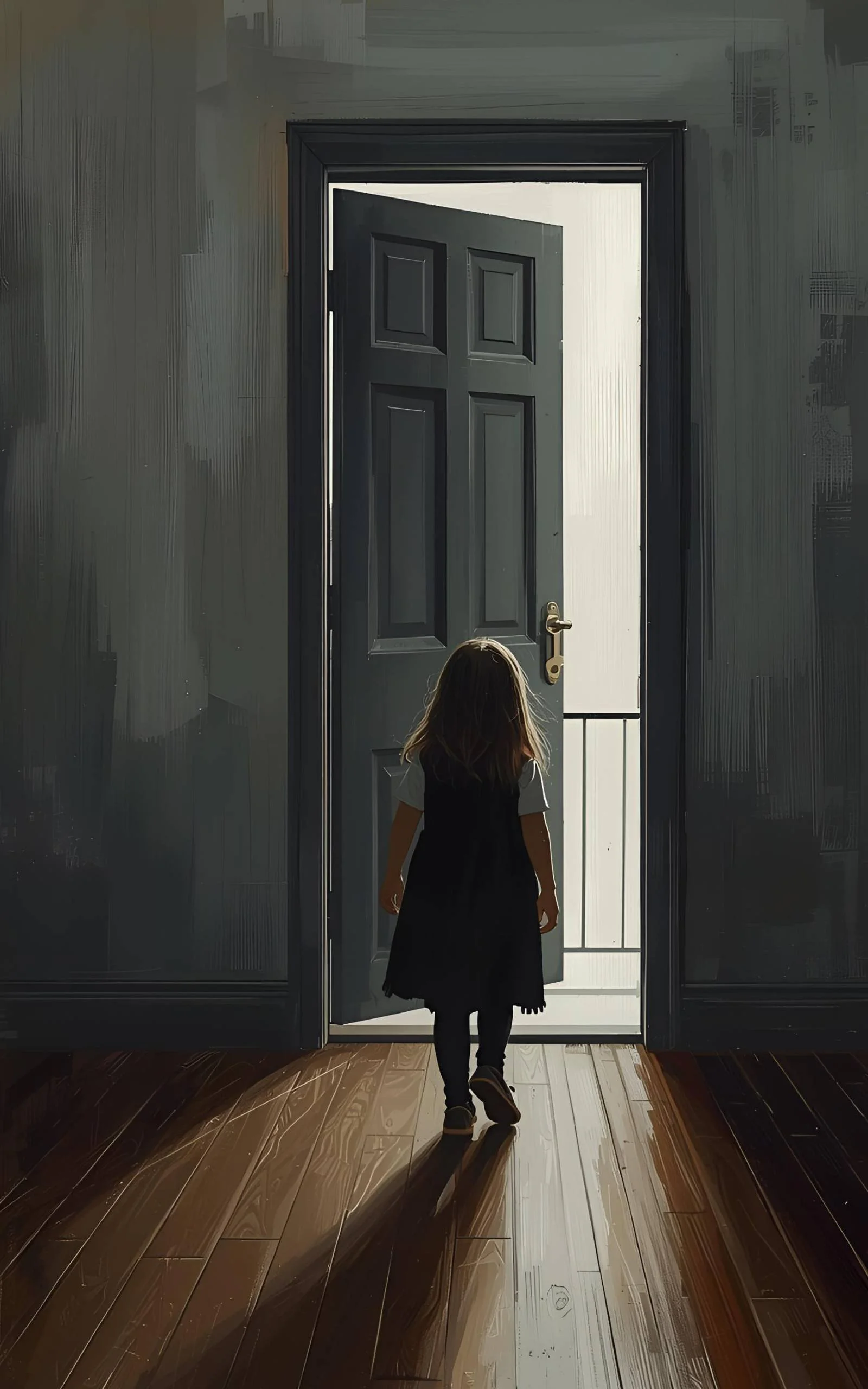
The Silent Withdraw
This poem is about the kind of goodbye that doesn’t require words. The Silent Withdraw is not an act of revenge or rebellion—it’s the quiet reclaiming of peace. It’s about realising that not every relationship deserves a final argument, that sometimes the most powerful thing you can do is simply stop showing up to be hurt. There are no fireworks, no dramatic exits, only the soft sound of stepping back, of choosing silence over chaos, and freedom over exhaustion. It’s about leaving without hatred—and finding yourself in the absence. 💚
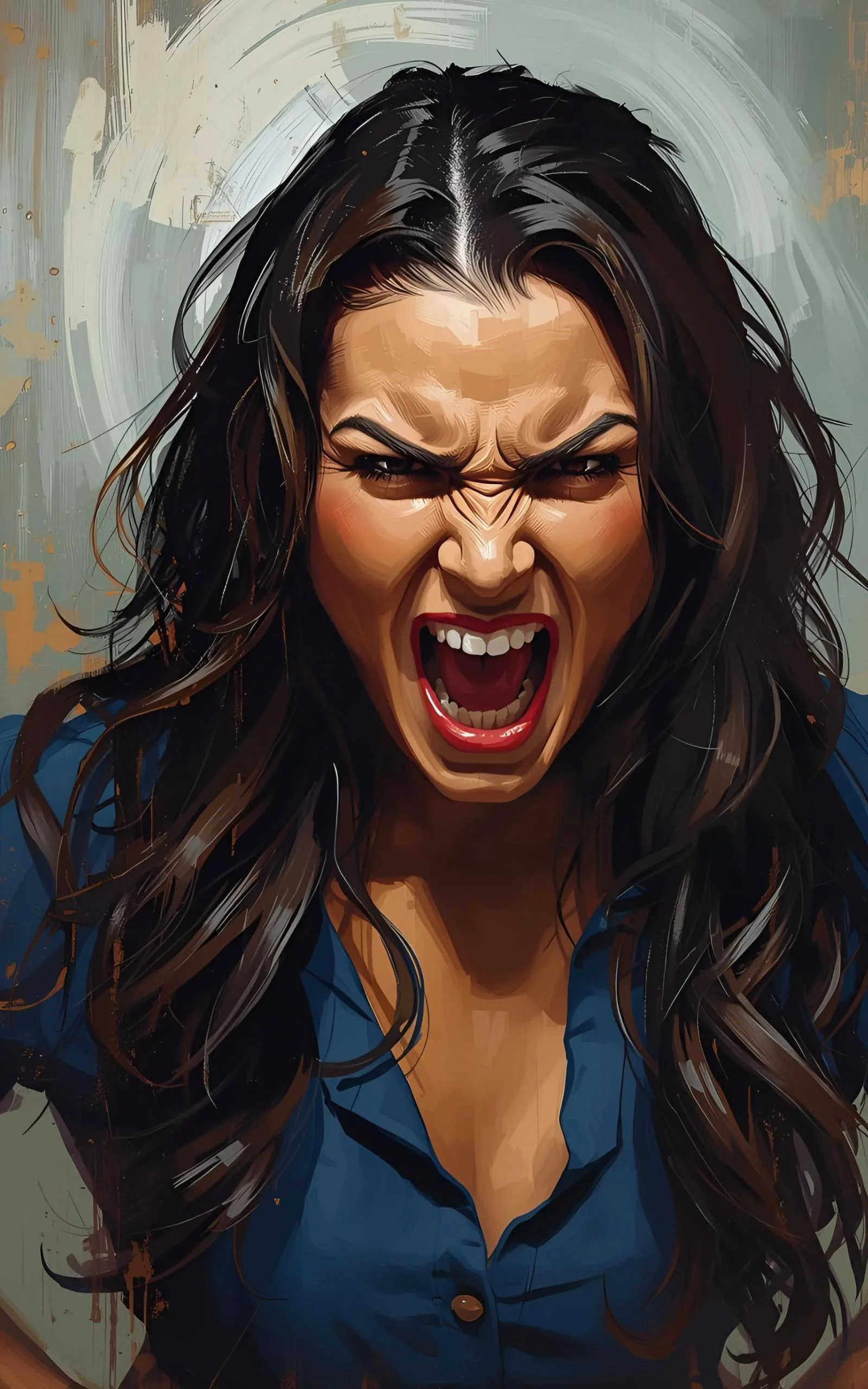
I Can Assure You, I Am A Person
This poem is a declaration of personhood in a world determined to deny it. I Can Assure You, I Am A Person is not just a poem—it’s a rallying cry for every woman who has ever been silenced, diminished, or legislated. It’s for those of us who have watched our rights debated like they were abstract theories instead of our lived realities. It’s about reclaiming the most fundamental truth: that women are not metaphors or morality tests—we are people. And our voices, our boundaries, our anger, and our love are not up for discussion.💚

Inheritance Theory
Some grief isn’t loud — it lingers like an echo that refuses to fade, shaping who you are long after you’ve tried to outgrow it. Inheritance Theory is a poem about the exhaustion of carrying what was never yours to hold, about breaking cycles that should have ended generations ago, and about the quiet work of rebuilding yourself from what remains. It isn’t about forgiveness or strength — it’s about truth, and the kind of survival that asks nothing more than the will to keep going.💚
The Song Still Gets Me
Grief doesn’t live in anniversaries — it lives in the ambush. In the song that plays when you least expect it, in the street you forgot you once walked together, in the silence where a conversation should still exist. The Song Still Gets Me is about that kind of grief — the kind that doesn’t end, it just waits. It’s a reflection on the way absence lingers in ordinary moments, how memory has perfect timing, and how love, even when interrupted by death, keeps playing long after the person is gone.💚
The End of the Sentence
Grief has a way of stopping time — of turning a life, a love, a presence into a punctuation mark. The End of the Sentenceis a quiet meditation on what happens after that full stop: the blank pages that follow, the half-formed words we keep trying to write, the ache that never really learns the language of absence. It’s a poem about the permanence of love and the unfinishedness of loss — how even years later, the heart still searches for a way to finish the sentence, even when it knows it never will.💚
The Absorption Method
This poem came from a realisation I’ve carried for most of my life—that people respond to pain in one of two ways. Some expel it, spreading their hurt as if that’s the only way to survive it. Others, though, absorb it. They take in the chaos, the cruelty, the unprocessed grief of others, and somehow keep the world from tipping further into darkness. The Absorption Method is about what it means to be one of those people—the quiet alchemists who turn pain into peace, even at great personal cost. It’s about the unseen toll of holding it all, and the reluctant grace in choosing not to pass it on.💚
The Ghosts We Carry Home
Some memories settle into us like half-forgotten songs—soft at first, then suddenly everywhere, colouring the air around us with echoes of who we once were and the people we once loved. The Ghosts We Carry Home explores that delicate ache: the way certain loves never fully leave, choosing instead to linger in the quiet corners of our lives like familiar melodies waiting to be replayed. It’s a reflection on how music, stories, and emotion weave themselves through time, haunting us with their sweetness long after the moment has passed. This poem is for anyone who has ever been ambushed by a lyric, a place, or a December night—and found themselves back in the arms of a memory that still glows. 💚
I’m Sorry You Couldn’t Be Here
Some losses don’t come with funerals. Some goodbyes happen while the person is still alive — too broken, too lost, or too unwilling to meet you where life requires. I’m Sorry You Couldn’t Be Here is a grief song for the living, for the people who couldn’t stay long enough to see what they were part of. It’s about mourning the future that never happened, the laughter they never earned, the softness they couldn’t hold. This poem is both an elegy and an act of release — a way of saying you were loved, but I’m still here, and that has to be enough.💚
Running Away From Finish Lines
We’re told that life is a race toward completion — that success, peace, and happiness wait for us at some invisible finish line. But what if we were never meant to arrive? Running Away From Finish Lines is about the freedom of living unfinished, the beauty of motion for its own sake. It’s a love letter to evolution — to staying curious, hungry, open, and alive. This poem celebrates the art of becoming without end, and the quiet rebellion of those who refuse to mistake arrival for fulfilment.💚
The Lifelong Beginner
We spend so much of our lives chasing mastery—as though arrival were the point. But real living happens in the beginnings, in the awkward first tries, in the willingness to keep showing up to what we don’t yet understand. The Life Long Beginner is a celebration of curiosity and imperfection, a love letter to the endless process of becoming. It’s about choosing wonder over certainty, growth over comfort, and understanding that starting again isn’t a setback—it’s how we stay alive to ourselves and to the world.💚
Type A+ (Virgo As Fuck)
There’s a certain kind of exhaustion that comes from always being the one who holds everything together — from mistaking control for safety, order for peace. Type A+ (Virgo As Fuck) is both a confession and a comedy: a love letter to the part of us that colour-codes chaos and a lament for the part that no longer remembers how to rest. It’s about the quiet tyranny of competence, the anxiety beneath achievement, and the impossible hope that maybe, one day, we’ll learn how to stop without unravelling.💚
We Are Moments In Time
We spend our lives chasing permanence, but maybe the beauty of being human lies in our impermanence — in the fragile, dazzling brevity of it all. We Are Moments In Time is a love letter to the fleeting nature of existence, and to the constellation of lives that make ours luminous. It’s about the tiny miracles that unfold between beginnings and endings — how every laugh, every touch, every act of kindness becomes its own eternity in the hearts it reaches. We are small against the vastness of the universe, but within the orbit of one another’s lives, we are infinite.💚
When The Sentinel Sleeps
Depression isn’t always a collapse—it’s often a battle waged in silence, an unending watch against something that never sleeps. When the Sentinel Sleeps is a lament for the warriors who stand guard over their own minds, fighting an enemy that wears their voice and knows their weakness. It’s about the discipline of choosing to stay, again and again, even when the choice feels unbearable. This poem honours the unseen heroism of endurance—the quiet, holy act of waking up to face the dark one more time, even knowing it will come again.💚
Learning to Take the Punch
We spend so much of life trying to dodge impact—believing that peace lives in the avoidance of pain. But true peace isn’t found in escape; it’s found in endurance. Learning To Take The Punch is about that sacred, brutal transformation—how strength isn’t the absence of hurt, but the willingness to meet it without losing yourself. It’s a poem about staying when every instinct tells you to run, about choosing presence over protection, and discovering that the blows don’t define you—your breath after them does.💚
I Am An Extraordinary Machine
There’s a strange, sacred kind of exhaustion that comes from being known for your strength. People call it resilience like it’s a crown, but it’s really a scar — proof that you’ve survived what should have undone you. I Am an Extraordinary Machine is both a declaration and a lament: a hymn for those who bend, rebuild, and rise again, even when they’d give anything to simply rest. It’s about the brilliance of the body and spirit that refuse to break, and the quiet grief of wishing the world would stop asking us to prove it.💚
I Will Never Compromise
We’re taught to worship compromise—as though love, friendship, and peace all depend on our ability to meet in the middle. But compromise often asks us to trade our truth for tolerance, to make ourselves smaller in the name of harmony. I Will Never Compromise challenges that mythology. It’s a poem about the quiet rebellion of staying whole—about refusing to dilute your essence just to keep the peace. True connection isn’t found in mutual surrender, but in shared creation: two people standing fully in themselves, building something honest and vast enough to hold them both.💚
I Don’t Owe Them a Character
There comes a point when you realize people aren’t seeing you — they’re seeing the version of you that makes them comfortable. The accommodating one. The forgiving one. The character who stays within the bounds of their story. I Don’t Owe Them a Character is about the rebellion of refusing that role. It’s a poem for anyone who’s been told they were “too much,” when what they really were was whole. It’s about reclaiming the right to be complicated, inconsistent, human — and about understanding that being misread is sometimes the price of being real.💚
Your Apology Does Not Make Amends
We live in a world that treats the word sorry like a spell—utter it, and all is absolved. But apology without accountability is just performance; it soothes the speaker and leaves the listener bleeding. Your Apology Does Not Make Amends is about that quiet, painful truth: that words can acknowledge a wound, but only action can heal it. Forgiveness is not owed—it’s earned through change, through effort, through the humility of showing up differently. This poem speaks to the moment we stop confusing guilt for growth and begin demanding evidence instead of promises.💚
Poetry by Britt Wolfe
I publish a new poem every single morning. Or mourning. Depends on the emotional forecast. Some are tender. Some are rage in a nice outfit. All of them are my attempt to make sense of the human experience using metaphors, emotionally charged line breaks, and questionable coping mechanisms.
Let me be clear: these poems are fiction. Or feelings. Or both. Sometimes they’re exaggerated. Sometimes they’re the emotional equivalent of screaming into a throw pillow. Sometimes they’re just a vibe that got out of hand. They are not confessions. They are not journal entries. They are not cry-for-help-coded-messages. (I have actual coping strategies. And group chats.)
Poetry, for me, isn’t about answers. It’s about shouting into the abyss—but rhythmically. Some pieces will whisper, “Hey… you okay?” Others will show up uninvited, grab you by the collar, and scream, “SAME.” They’re moody, messy, and occasionally helpful—kind of like me.
You’ll find themes running through them like recurring nightmares or that one playlist you swear you’ve moved on from. Love. Grief. Identity. Joy. Ruin. It’s all here, jostling for attention like emotionally unstable toddlers on a sugar high.
Think of these poems as an ongoing conversation—one I started, overshared during, and have now awkwardly walked away from. Good luck with that.
There’s a line in Alice in Wonderland where the Mad Hatter tells Alice she’s lost her muchness. I think about that a lot—how the world teaches us to tone ourselves down until we disappear into something more digestible. The Graveyard of Muchness was born from that quiet grief, from the realisation that most of us have buried our own brilliance just to be seen as reasonable. It’s about walking through the cemetery of all we’ve abandoned—our wonder, our defiance, our wild, luminous selves—and daring to listen for the laughter still echoing beneath the soil.💚