Meet Me in My Words:




Why I Write to You Every Morning
Every morning, I write something new — sometimes soft, sometimes sharp, always true. The poems arrive before the world wakes: small attempts at making sense of being human, stitched together with metaphors and caffeine.
When you subscribe, that day’s poem finds you first — landing in your inbox every single morning at 7:11AM. No scrolling, no noise, no algorithms. Just words waiting quietly for you, reminding you to pause, to breathe, to feel.
Think of it as a shared ritual: one poem, one breath, one moment of belonging before the day begins.
And if you’d like to linger a while, you can meet me in my words below. 🌿
The Sky Will Do What the Sky Does
This poem is a reckoning with release. The Sky Will Do What the Sky Does is about the futility of trying to contain someone else’s chaos—about the heartbreak of watching a storm rise in someone you once begged to be calm. It’s about learning that no matter how gentle, reasonable, or forgiving you are, you cannot rewrite the weather. You cannot turn thunder into quiet. This piece is for anyone who has exhausted themselves trying to bring peace to someone committed to destruction. It’s not about surrender—it’s about sovereignty. About stepping away from the storm, not because it has stopped, but because you finally understand: it was never yours to still.💚
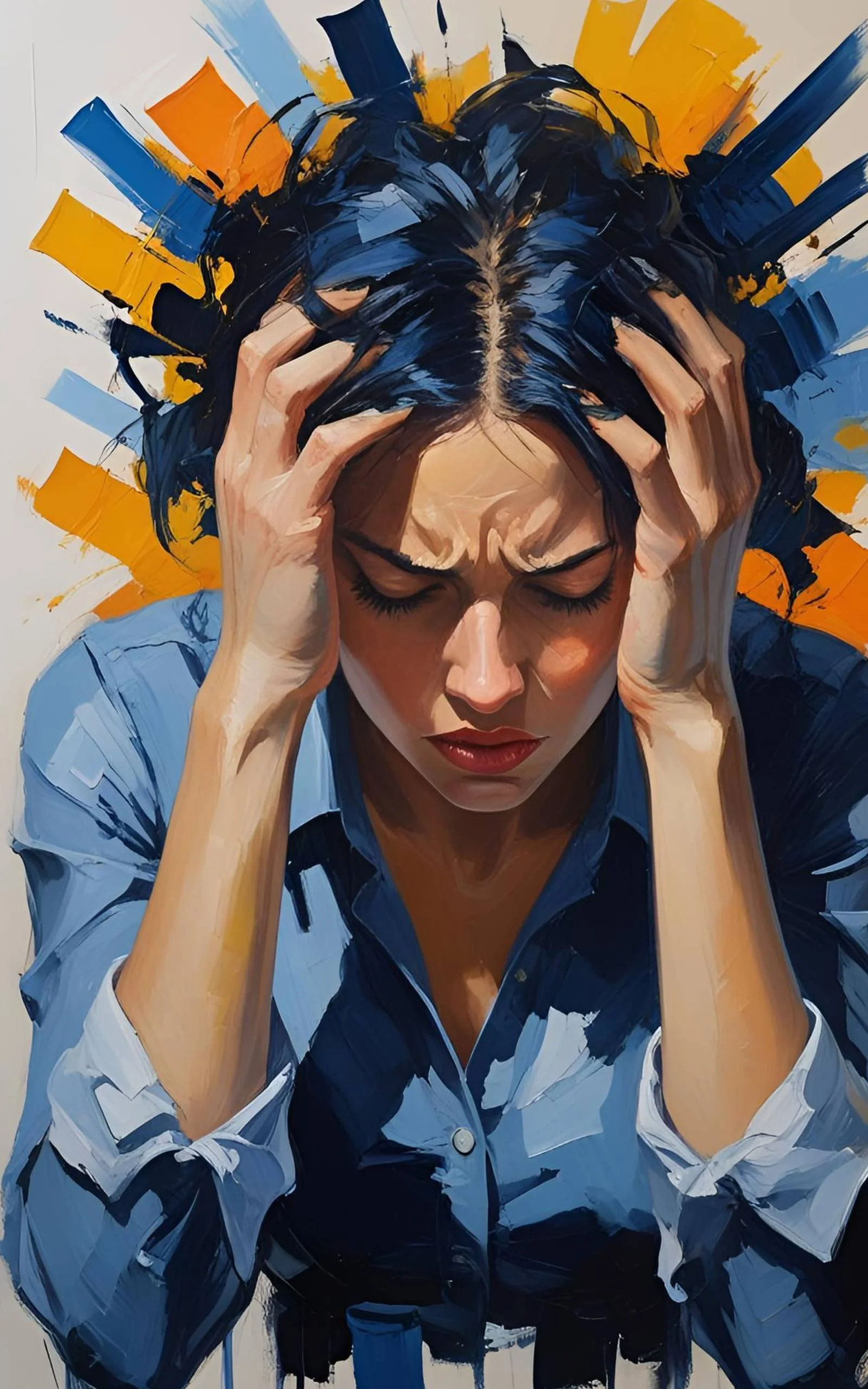
I Do Not Like This Grown-Up Game
Being a grown-up is basically just guessing. Guessing how much things cost. Guessing what the government wants from you this time. Guessing whether that noise your car is making is serious serious or just expensive serious. And somehow we’re all just expected to keep going, keep smiling, and keep paying for things we never even asked for. This poem is my love letter to the absolute disaster that is adulthood—and the barely functioning weirdos who are out here doing their best anyway. I see you. And I also forgot what day it is.
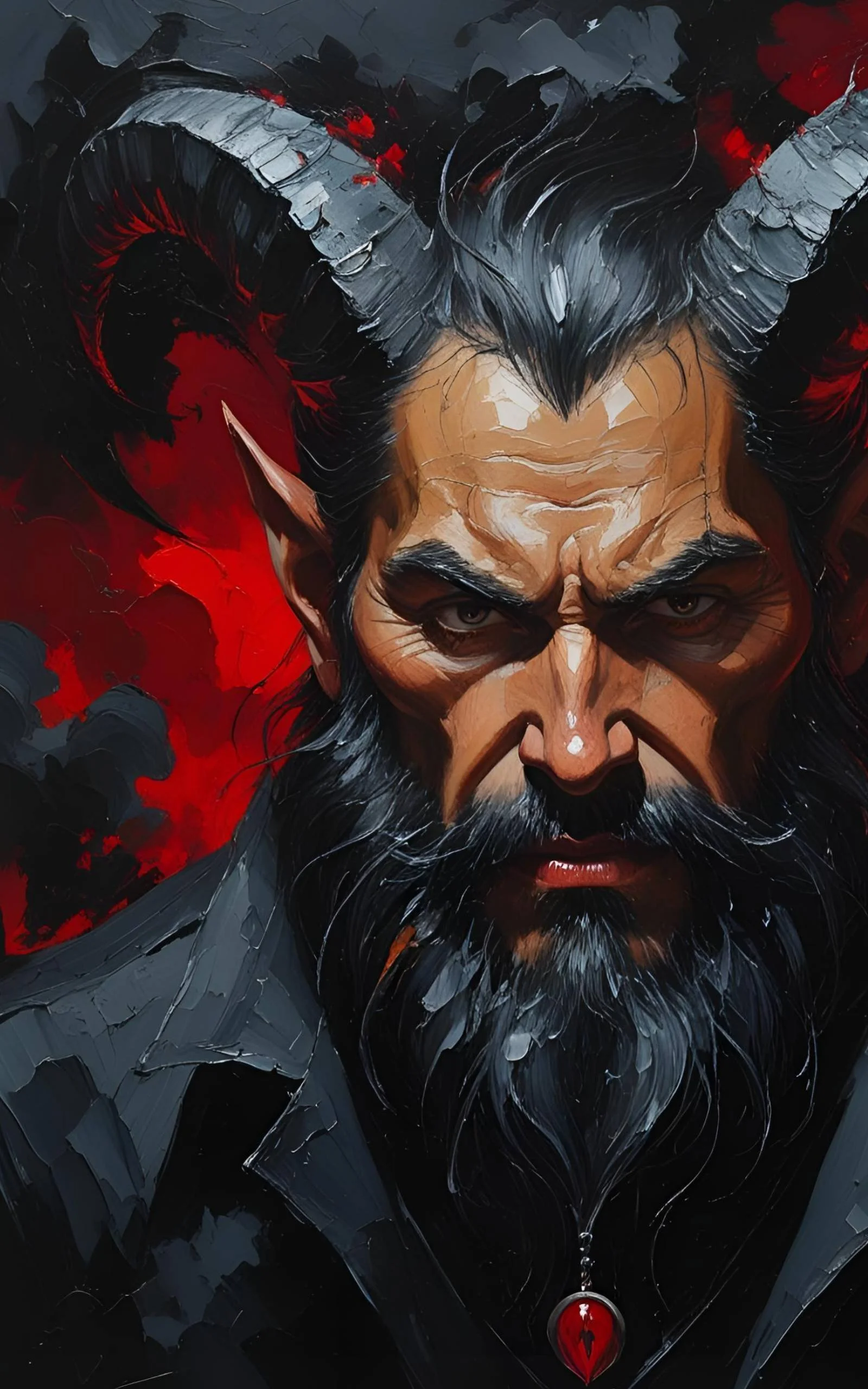
The Devil I Knew: a liturgy for the unsainting of a father
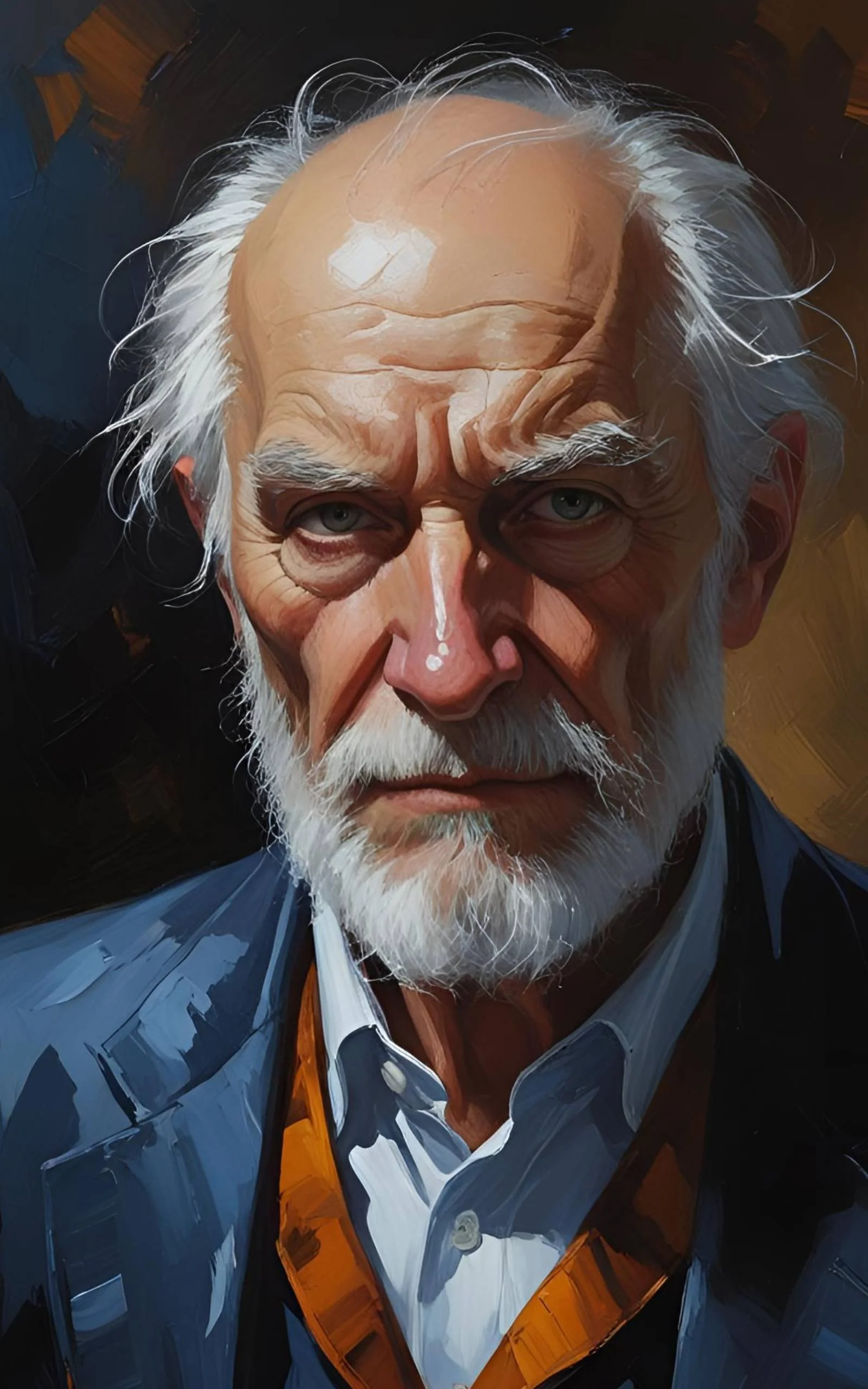
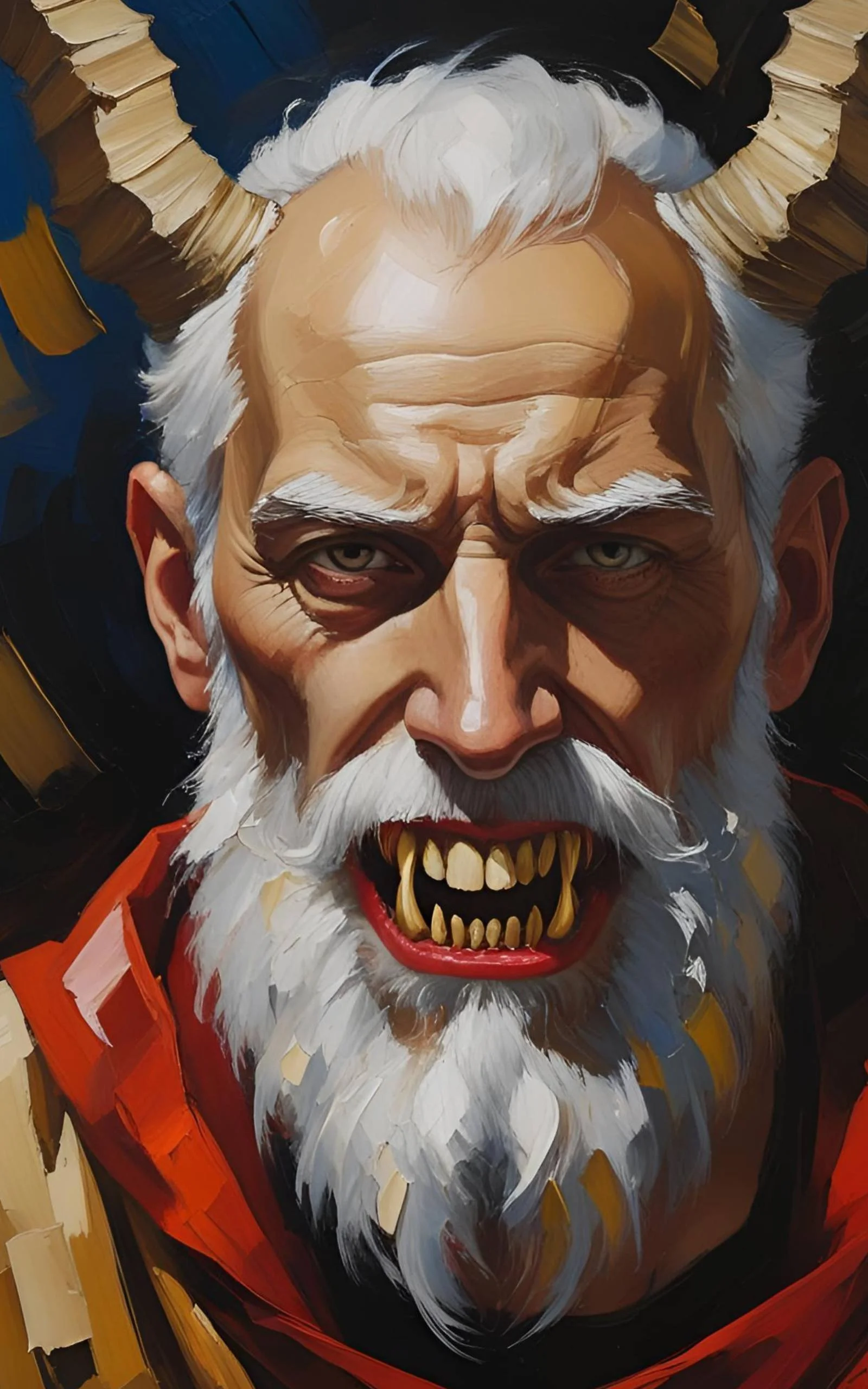
This poem is not a cleansing. It is not healing. It is the brutal act of naming what was done, and who did it. The Devil I Knew is an elegy for a father who never truly existed, and a reckoning with the man who took his place. It is about the kind of harm that doesn’t just leave bruises—it leaves echoes. This poem does not flinch. It speaks of evil not as myth or metaphor, but as something embodied, chosen, wielded. And yet, it also carries the unbearable ache of disappointment—the longing for a softness that never came, for a redemption that never arrived. It is not about rising above. It is about living with the wreckage—and still choosing to breathe. To walk. To love. Even when the first man who was supposed to show you how did nothing but destroy.💚
The Benediction of Suffering
This poem is an unflinching meditation on the paradox of pain—that every wound carved by existence is, in its own brutal way, a gift. The Benediction of Suffering explores the idea that to suffer is not to be punished, but to be awakened—to be marked by the sheer intensity of being alive. It’s about understanding that God’s “punishments” may not be condemnations at all, but invitations to feel more deeply, to break more beautifully, to live more fully. Suffering, in this telling, is not a flaw in the fabric of divinity—it is the fabric. And to feel it is to know, beyond doubt, that you were here.💚

Nobody Likes You Because of You
There’s a point where the truth becomes too loud to ignore. When the patterns speak louder than the lies. When the loneliness someone claims to be victim of is nothing more than the consequence of who they’ve chosen to be. This poem is about that reckoning. About the horror someone brings into the world and then blames everyone else for fleeing. It’s not envy. It’s not betrayal. It’s not a smear campaign. It’s you. And the vile legacy you’ve written with your own hands. Nobody likes you because of you.💚
While I Still Have Seconds
This poem is a declaration—a vow to the fleeting nature of time and the holy urgency of now. While I Still Have Secondsis a love letter to the present moment, written with the knowledge that tomorrow is never guaranteed. It is for the ones who refuse to sleepwalk through their lives, who choose to taste every second like ripe fruit, who find poetry in the ordinary and meaning in the mundane. It’s a reminder that presence is a radical act—that to live fully, deeply, and unapologetically is the fiercest defiance of impermanence we can offer. If life is a breath, then let us exhale beauty.💚

The Saddest Thing
There’s a particular kind of cruelty in trying to force love from someone who no longer understands what’s being asked of them. In accusing others of manipulation while orchestrating your own. In rewriting history for the sake of power, not healing. This poem is about that kind of cruelty. About the ones who waited for the mind to break so they could finally feel wanted—not realising that love, when tricked or stolen, isn’t love at all. It’s just control dressed in a hollow costume. And that… is the saddest thing.💚

There Is No Wrong Way to Tell the Truth
This poem is a reclamation—for every woman who’s ever been told she was too angry, too emotional, too messy to be believed. There Is No Wrong Way to Tell the Truth is a rallying cry for those who’ve been gaslit into silence, who’ve been told their truth must be delivered with grace or not at all. It’s a reminder that truth doesn’t owe anyone polish. It can be jagged. It can be furious. It can arrive late, bruised, stammering—and still be holy. However it comes out, your truth is worthy. And telling it is a revolution in itself. 💚
The Apostasy of Daughters
This is a poem about losing faith—not in the abstract, but in the most personal way imaginable. It is about what happens when the figure meant to protect and guide you, the one who teaches you what love and power are supposed to feel like, becomes the very source of your undoing. When religion tells us that God is a father, what does that mean for the daughters of men who abandon, wound, or destroy? The Apostasy of Daughters is not just a reckoning with belief—it is a lament, a funeral hymn for the idea of divinity as paternal. For some, disbelief is not rebellion. It is survival.🖤
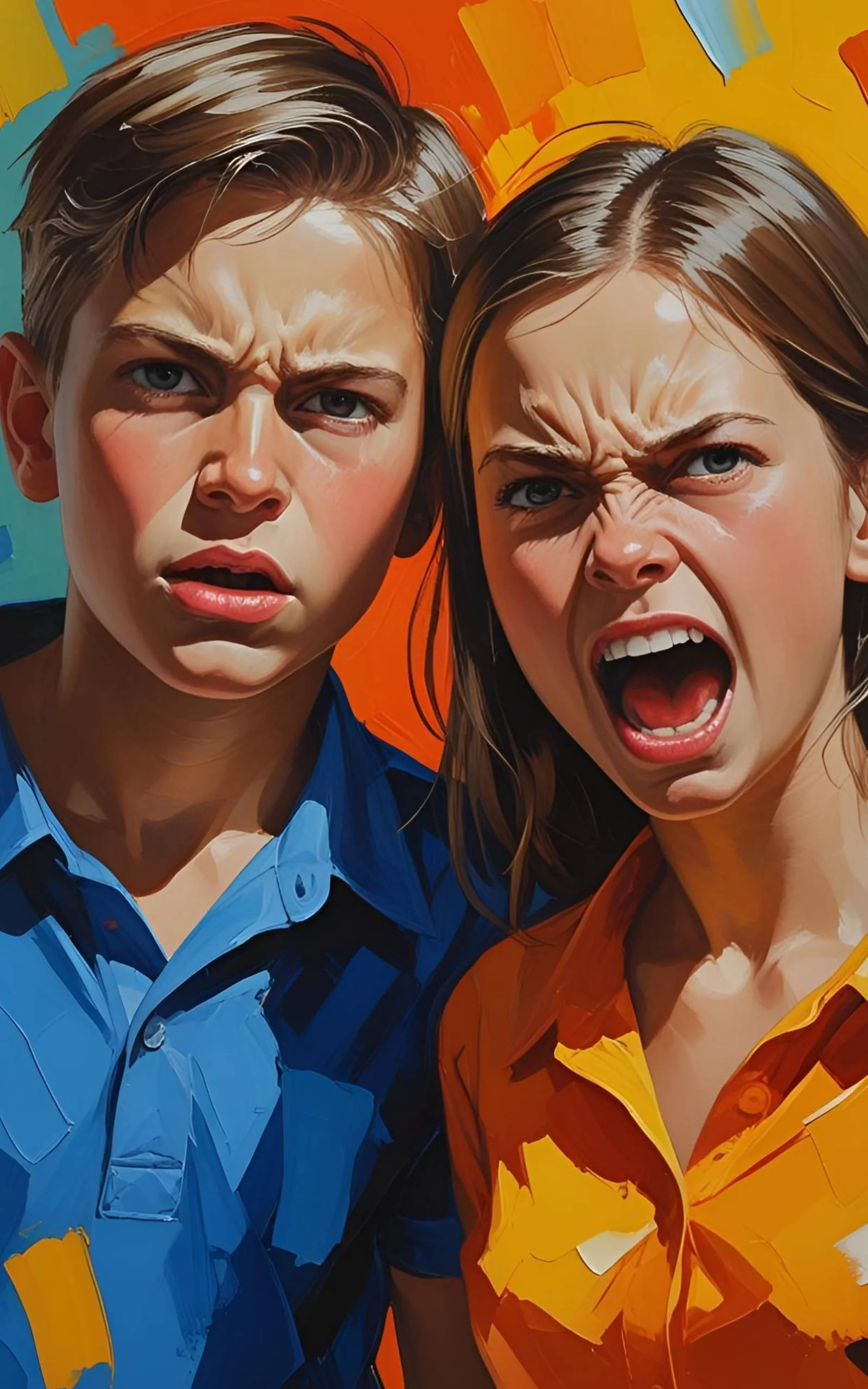
That was beautiful
There are few things more satisfying than watching narcissists lose control—especially ones who have coasted through life on manipulation, entitlement, and the delusion that they're always the smartest, most powerful person in the room. This poem is about that moment. When the mask slips. When the “no” lands. When their fantasy crumbles and the world finally mirrors back what they’ve spent a lifetime refusing to see. I only wish I’d been recording—so I could replay the downfall on repeat.💚
The Hurt I Didn’t Deserve
This poem is about the kind of heartbreak that doesn’t come from romance, but from absence. From someone you love not showing up when you needed them most. It’s about the silence that follows your joy, your struggle, your survival—and the person who should’ve been there, but wasn’t. I don’t know why they turned away. Maybe I never will. But the hurt is real. And so is the grief of having saved someone a seat they never planned to fill.💚

We Deserved That Universe (in three uneven verses and one brutal bridge)
This poem is for the breakup I never got over—Alanis Morissette and Ryan Reynolds. They were chaotic perfection: her raw, resplendent rage paired with his smirking charm. And when they ended, quietly and without lyrical bloodshed, something ruptured in the universe of my teenage heart. Inspired by the writing style of Alanis herself—lush, biting, philosophical, and deeply feeling—this poem is a lament for the love story we never got to see through. And yes, I am still grieving. No, I will not be taking questions at this time.💚

To Stand at the Edge of the World
This poem is a love letter to the Arctic—the place I believe is the most beautiful on Earth. It’s a place I’ve longed for with my whole being: its rigid solitude, its endless hush, its impossible majesty. I dream of standing in that vast, frozen silence, where every breath feels sacred, and of witnessing one of the most miraculous creatures ever made—the polar bear. This is not just a destination. It’s a calling. A cathedral of ice I can’t wait to step inside. 🤍

Vessel
This poem is about the feeling of being too much for the body that holds you. Of having a soul that is vast, radiant, bursting with desire and direction—yet hemmed in by the quiet betrayals of flesh. It’s not about illness, not explicitly. It’s about that deep, unspoken ache: to be all that you are, when your vessel feels too fragile, too narrow, too small. It’s about the beauty of trying anyway. The glory of continuing to glow, even when there isn’t enough room to stretch.💚

Half-Alive
This poem is about the quiet devastation of living life half-alive. About moving through the world in a body that keeps going while the spirit stays curled somewhere deep and unreachable. It’s about the numbness that depression carves, the stillness mistaken for survival, and the miracle of beginning to feel again—however slowly, however painfully. It’s not about healing all at once. It’s about the moment you almost want to. And how even that… is something holy.💚

Tiny Changes
This poem was inspired by Head Rolls Off by Frightened Rabbit—a song that’s always stayed with me. That one line, “While I'm alive, I’ll make tiny changes to Earth,” says everything. It’s about legacy, but not the kind built in headlines or stone. It’s about the small, meaningful ways we show up for the world. The warmth we leave behind. This poem is for that kind of impact—the soft kind. The human kind. The kind that carries on.💚

The Woodpile
This poem was inspired by The Woodpile by Frightened Rabbit—a song by my very favourite band, and one that means everything to me and my love. It’s our song—the one that echoes when everything else is quiet. There’s something in its ache, its plea, its soft desperation that has always felt like us. This poem lives in that same space—of reaching out, of hoping someone will come back to your corner, of loving through the loneliness and still believing in the spark.💚

Light Me Up
This poem was inspired by a line from I Did Something Bad—my second-favourite Taylor Swift song. There’s something about the way that lyric—“They're burning all the witches even if you aren’t one, so go ahead and light me up”—holds rage, defiance, and power all at once. It reminded me of how often women are punished simply for existing loudly, for taking up space, for not apologizing. This poem is for her—for every woman they tried to silence, shrink, or destroy. She didn’t break. She burned. And she made it beautiful.💚

You Wouldn’t Know What That Means
This poem was inspired by a line from Taylor Swift’s Karma—“I keep my side of the street clean, you wouldn’t know what that means.” It struck something in me. That quiet, fierce pride in doing the work, in choosing integrity even when others don’t. This piece is about that strength—the kind that doesn’t need applause, just a clear conscience. It’s about walking away spotless from the mess someone else made and knowing that’s enough.💚

My religion
This poem is about worship—the kind that has nothing to do with churches. It’s about the sacredness of touch, the holiness of being known deeply, physically, completely. Sometimes love feels like devotion. Sometimes desire feels like prayer. And sometimes, the body becomes the only altar you need.💚
Poetry by Britt Wolfe
I publish a new poem every single morning. Or mourning. Depends on the emotional forecast. Some are tender. Some are rage in a nice outfit. All of them are my attempt to make sense of the human experience using metaphors, emotionally charged line breaks, and questionable coping mechanisms.
Let me be clear: these poems are fiction. Or feelings. Or both. Sometimes they’re exaggerated. Sometimes they’re the emotional equivalent of screaming into a throw pillow. Sometimes they’re just a vibe that got out of hand. They are not confessions. They are not journal entries. They are not cry-for-help-coded-messages. (I have actual coping strategies. And group chats.)
Poetry, for me, isn’t about answers. It’s about shouting into the abyss—but rhythmically. Some pieces will whisper, “Hey… you okay?” Others will show up uninvited, grab you by the collar, and scream, “SAME.” They’re moody, messy, and occasionally helpful—kind of like me.
You’ll find themes running through them like recurring nightmares or that one playlist you swear you’ve moved on from. Love. Grief. Identity. Joy. Ruin. It’s all here, jostling for attention like emotionally unstable toddlers on a sugar high.
Think of these poems as an ongoing conversation—one I started, overshared during, and have now awkwardly walked away from. Good luck with that.
There’s a line in Alice in Wonderland where the Mad Hatter tells Alice she’s lost her muchness. I think about that a lot—how the world teaches us to tone ourselves down until we disappear into something more digestible. The Graveyard of Muchness was born from that quiet grief, from the realisation that most of us have buried our own brilliance just to be seen as reasonable. It’s about walking through the cemetery of all we’ve abandoned—our wonder, our defiance, our wild, luminous selves—and daring to listen for the laughter still echoing beneath the soil.💚