Meet Me in My Words:




Why I Write to You Every Morning
Every morning, I write something new — sometimes soft, sometimes sharp, always true. The poems arrive before the world wakes: small attempts at making sense of being human, stitched together with metaphors and caffeine.
When you subscribe, that day’s poem finds you first — landing in your inbox every single morning at 7:11AM. No scrolling, no noise, no algorithms. Just words waiting quietly for you, reminding you to pause, to breathe, to feel.
Think of it as a shared ritual: one poem, one breath, one moment of belonging before the day begins.
And if you’d like to linger a while, you can meet me in my words below. 🌿

Tiny Changes
This poem was inspired by Head Rolls Off by Frightened Rabbit—a song that’s always stayed with me. That one line, “While I'm alive, I’ll make tiny changes to Earth,” says everything. It’s about legacy, but not the kind built in headlines or stone. It’s about the small, meaningful ways we show up for the world. The warmth we leave behind. This poem is for that kind of impact—the soft kind. The human kind. The kind that carries on.💚

The Woodpile
This poem was inspired by The Woodpile by Frightened Rabbit—a song by my very favourite band, and one that means everything to me and my love. It’s our song—the one that echoes when everything else is quiet. There’s something in its ache, its plea, its soft desperation that has always felt like us. This poem lives in that same space—of reaching out, of hoping someone will come back to your corner, of loving through the loneliness and still believing in the spark.💚

Light Me Up
This poem was inspired by a line from I Did Something Bad—my second-favourite Taylor Swift song. There’s something about the way that lyric—“They're burning all the witches even if you aren’t one, so go ahead and light me up”—holds rage, defiance, and power all at once. It reminded me of how often women are punished simply for existing loudly, for taking up space, for not apologizing. This poem is for her—for every woman they tried to silence, shrink, or destroy. She didn’t break. She burned. And she made it beautiful.💚

You Wouldn’t Know What That Means
This poem was inspired by a line from Taylor Swift’s Karma—“I keep my side of the street clean, you wouldn’t know what that means.” It struck something in me. That quiet, fierce pride in doing the work, in choosing integrity even when others don’t. This piece is about that strength—the kind that doesn’t need applause, just a clear conscience. It’s about walking away spotless from the mess someone else made and knowing that’s enough.💚

My religion
This poem is about worship—the kind that has nothing to do with churches. It’s about the sacredness of touch, the holiness of being known deeply, physically, completely. Sometimes love feels like devotion. Sometimes desire feels like prayer. And sometimes, the body becomes the only altar you need.💚
Where the Fire Lives
This poem is about desire—but not just the spark. It’s about the inferno. The aching, breathless kind of wanting that sets your soul alight. But beneath that heat, there’s something even more powerful: love. The kind that holds you steady as you burn. The kind that turns passion into permanence, and touch into something holy.💚

Give Me That Look Again
This poem is for him—for my love. For the way his eyes change just before he touches me, for the way he knows my body like a language we wrote together. It’s about that look, that pull, that beautiful ache that builds between two people who have loved each other long and deeply—and still want each other like it’s the first time, every time.💚
The Ache of Him
This poem is about longing—the kind that lives in the body before it finds words. It’s desire as ache, attraction as gravity. That magnetic pull you feel when someone walks into the room and you feel it everywhere. Sometimes wanting isn’t about love or even lust. It’s about him. The way he moves. The way you break just watching.💚

Always the Exit
This poem is about the terror that lives in the body long after the danger has passed. It’s about hypervigilance—one of the most haunting consequences of Complex PTSD. For some, survival means never relaxing. Never trusting peace. Always watching, always bracing. This is for her. For the ones who map every room for exits, flinch at footsteps, and carry their fear in silence. It isn’t paranoia. It’s memory, dressed as instinct.💚

The Body Remembers Everything: for those carrying what no one saw
This poem is about Complex PTSD—the kind of trauma that doesn’t come from a single moment, but from a thousand quiet ones. It’s about the wounds no one saw, the hypervigilance that never quite fades, and the lifelong work of teaching your body that it’s safe now. It’s for anyone who learned to survive by disappearing, and who is now learning—slowly, bravely—how to come back to themselves.💚

Creative Overexcitability
Some time ago, I learned there’s a name for the way my mind moves—fast, full of feeling, lit with ideas that don’t sleep. It’s called creative overexcitability, one of the five intensities described in Dabrowski’s theory of positive disintegration. It helped me understand that what I was taught to see as too much was actually a deep, burning capacity for imagination, emotion, and vision. This poem is a love letter to that fire—and a refusal to ever dim it again.💚
Rusted Wheel
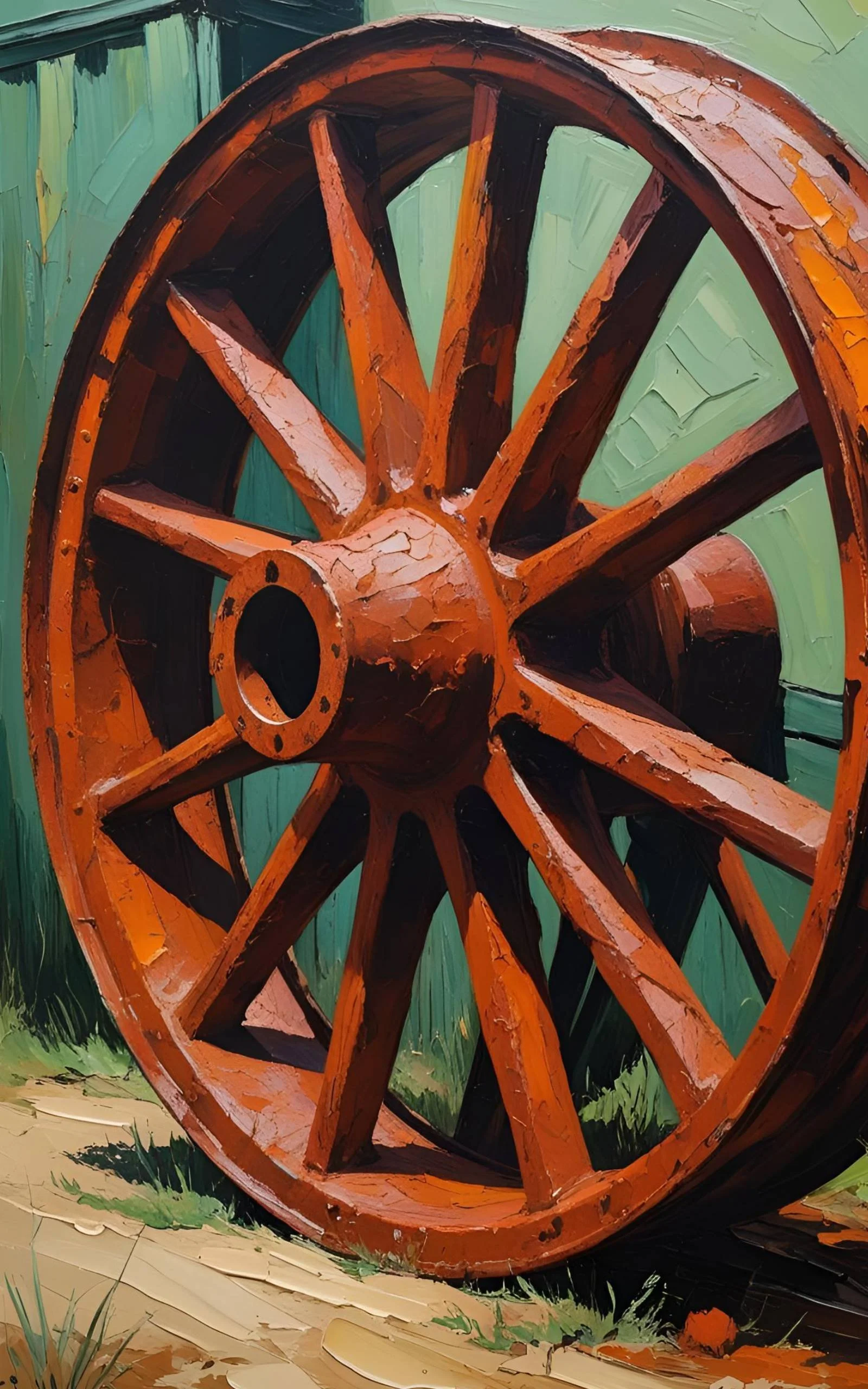
This poem was inspired by my all-time favourite song, Rusted Wheel by Silversun Pickups—a song that has lived in my bones for years. There’s something about its slow collapse, its grinding beauty, that feels like truth. This piece lives in that same space: the ache of movement, the exhaustion of never really stopping, and the quiet violence of carrying on when everything inside you wants to seize.💚

The Body Remembers
This poem was written after revisiting Skinny by Ibi Kaslik, a novel that never stopped echoing inside me. It’s a quiet, devastating exploration of illness, memory, and the invisible ways a person can begin to vanish. I wanted this piece to exist in that same fragile space—where the body becomes a battleground, and silence says more than words ever could.💚
What the Wind Remembers
This poem was inspired by Never Let Me Go by Kazuo Ishiguro—a novel that lingers long after the final page. It’s a meditation on memory, love, and the quiet tragedy of lives already spoken for. I wanted to write something that captures that sense of inevitability, the deep ache of fleeting connection, and the beauty of moments that matter even when the world says they shouldn’t.💚

The Trick
This poem was written after listening—again—to The Trick is to Keep Breathing by Garbage, a song that has always felt like a quiet unraveling. It’s about that strange, suspended state where everything hurts and nothing moves, and yet… you keep going. You breathe. Not because you believe things will get better—but because breathing is the only thing left to do.💚

Limeade
Some memories taste like sunshine. Like childhood summers and cold drinks that fizzed with delight. This poem is for those moments—the ones we return to, again and again—not always for what they were, but for what we needed them to be.💚
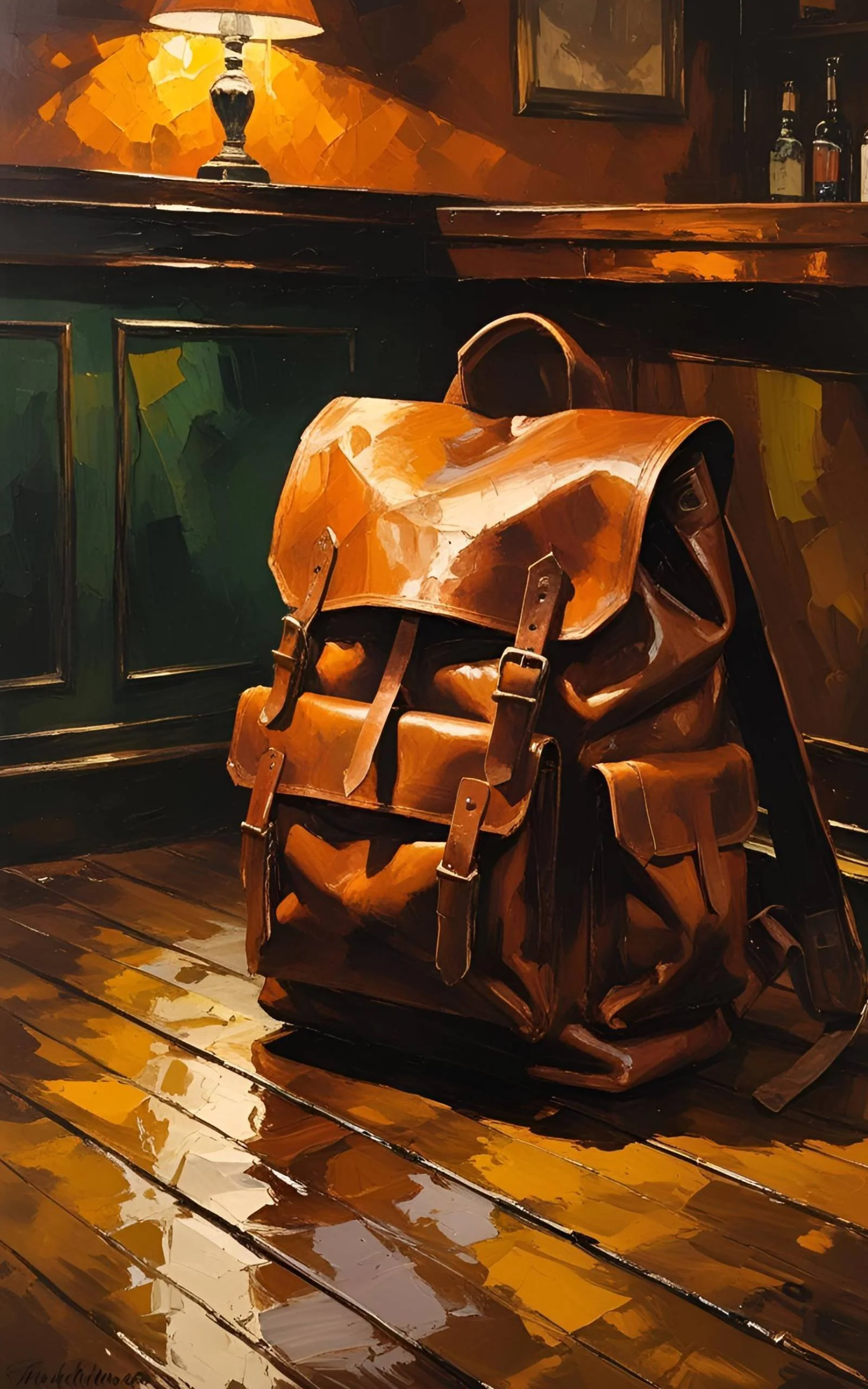
Backpack in a Bar
Some losses carve themselves into you so deeply, there’s no un-feeling them. No moving on. Only carrying. This poem is for the ones we lost too soon—the ones who made beauty out of sorrow, who showed us how to wear our pain like art. And for those of us left behind, still listening. Still hurting. Still holding on.💚
The silence where You should be
Sometimes, sorrow doesn't come from a single moment, but from a slow and quiet accumulation—the weight of not being seen, the ache of showing up for someone who doesn’t do the same. This poem came from that place. From the grief of being present, generous, loyal… and slowly realizing you were never truly met there.💚

The Silence of All We Could Have Had
There are so many voices we will never hear. So many masterpieces never made. So many lives shaped by a kind of quiet violence that leaves no visible scar—just a hollow where confidence should have been. This poem is for the children who never stopped being children, because they were never given the safety to grow. It’s for the artists, the thinkers, the world-changers who were raised by people who didn’t deserve to shape them. It’s a lament for the potential we’ve lost—and a fury that so much of the aftermath is left for the child to carry, alone.💚

The Hollow Summer
Some books don’t just tell a story—they leave fingerprints on your heart. We Were Liars is one of those stories. E. Lockhart weaves a tale of privilege, longing, mistakes, and unbearable loss. What struck me most was not just the sorrow of what happened, but the haunting grief of what never would.
This poem is not a retelling, but a response. A tribute to the ache of futures extinguished by one reckless spark. To the ghosts we carry. To the beauty of art that breaks you, and then hands you a pen.
Because the best stories don’t end when you close the book.
They echo.
They inspire.
They linger.💚
Poetry by Britt Wolfe
I publish a new poem every single morning. Or mourning. Depends on the emotional forecast. Some are tender. Some are rage in a nice outfit. All of them are my attempt to make sense of the human experience using metaphors, emotionally charged line breaks, and questionable coping mechanisms.
Let me be clear: these poems are fiction. Or feelings. Or both. Sometimes they’re exaggerated. Sometimes they’re the emotional equivalent of screaming into a throw pillow. Sometimes they’re just a vibe that got out of hand. They are not confessions. They are not journal entries. They are not cry-for-help-coded-messages. (I have actual coping strategies. And group chats.)
Poetry, for me, isn’t about answers. It’s about shouting into the abyss—but rhythmically. Some pieces will whisper, “Hey… you okay?” Others will show up uninvited, grab you by the collar, and scream, “SAME.” They’re moody, messy, and occasionally helpful—kind of like me.
You’ll find themes running through them like recurring nightmares or that one playlist you swear you’ve moved on from. Love. Grief. Identity. Joy. Ruin. It’s all here, jostling for attention like emotionally unstable toddlers on a sugar high.
Think of these poems as an ongoing conversation—one I started, overshared during, and have now awkwardly walked away from. Good luck with that.
There’s a line in Alice in Wonderland where the Mad Hatter tells Alice she’s lost her muchness. I think about that a lot—how the world teaches us to tone ourselves down until we disappear into something more digestible. The Graveyard of Muchness was born from that quiet grief, from the realisation that most of us have buried our own brilliance just to be seen as reasonable. It’s about walking through the cemetery of all we’ve abandoned—our wonder, our defiance, our wild, luminous selves—and daring to listen for the laughter still echoing beneath the soil.💚