Meet Me in My Words:




Why I Write to You Every Morning
Every morning, I write something new — sometimes soft, sometimes sharp, always true. The poems arrive before the world wakes: small attempts at making sense of being human, stitched together with metaphors and caffeine.
When you subscribe, that day’s poem finds you first — landing in your inbox every single morning at 7:11AM. No scrolling, no noise, no algorithms. Just words waiting quietly for you, reminding you to pause, to breathe, to feel.
Think of it as a shared ritual: one poem, one breath, one moment of belonging before the day begins.
And if you’d like to linger a while, you can meet me in my words below. 🌿
The First Day I Felt Safe
The First Day I Felt Safe is a poem about finding family in the most unexpected and healing way. It’s about walking into a room full of strangers and being met not with judgment, but with warmth, humour, and unconditional kindness. It’s about unlearning what family used to mean, and relearning it through people who show up, hold space, and make you feel like you belong without having to earn it. This poem is for the quiet miracle of being welcomed—truly welcomed—and for the man who stood beside me through it all.

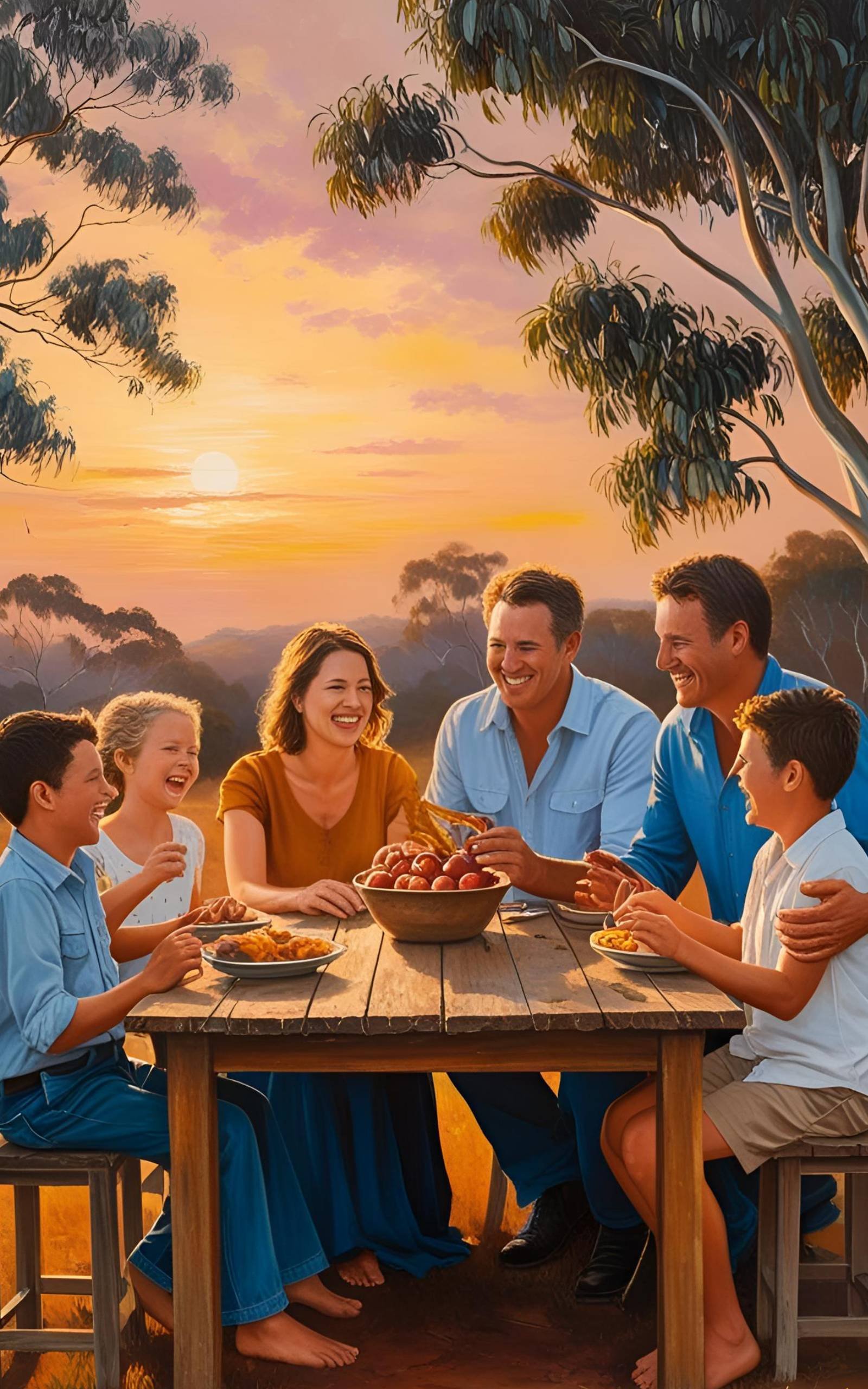
Downunder and Yours
Downunder and Yours is a poem about the leap we took—leaving the familiar behind to build a life on the other side of the world. It’s about shared hands through turbulence, quiet corrections over mistaken identity, wildlife encounters, and the kind of laughter that stitches memory to love. This poem holds the jet lag, the steak sandwiches, the crocodile awe, and the deep knowing that no matter where we land, the best part of the journey is being in it together.
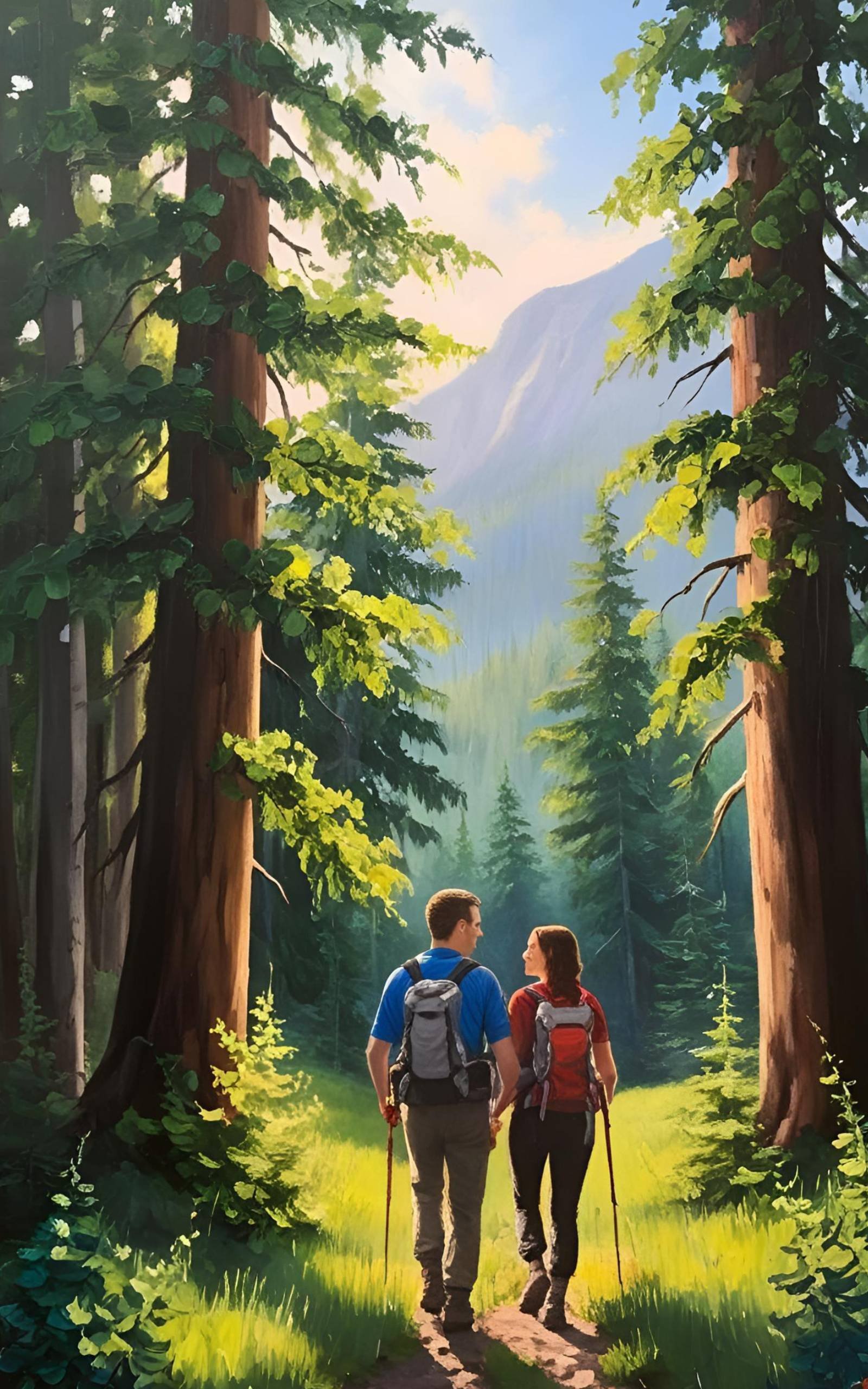
The Forest and the Falling
The Forest and the Falling is a poem about hiking through early love—stumbling (literally), bleeding (also literally), and laughing through the kind of moments that become stitched into memory forever. It’s about the weekends we wandered through the forests of British Columbia, building something boundless out of sunshine, waterfalls, and time. This piece celebrates the wild grace of being seen—completely, imperfectly, and still so deeply loved.

Team Us
Team Us is a poem about partnership in its truest form—about learning one another through trial, trust, and time. It began on a beach volleyball court, but grew into something so much more: a life built across continents, with friendship, ambition, and loyalty as the foundation. This poem is for the love that plays hard, works harder, and always shows up—no matter the court, no matter the country.
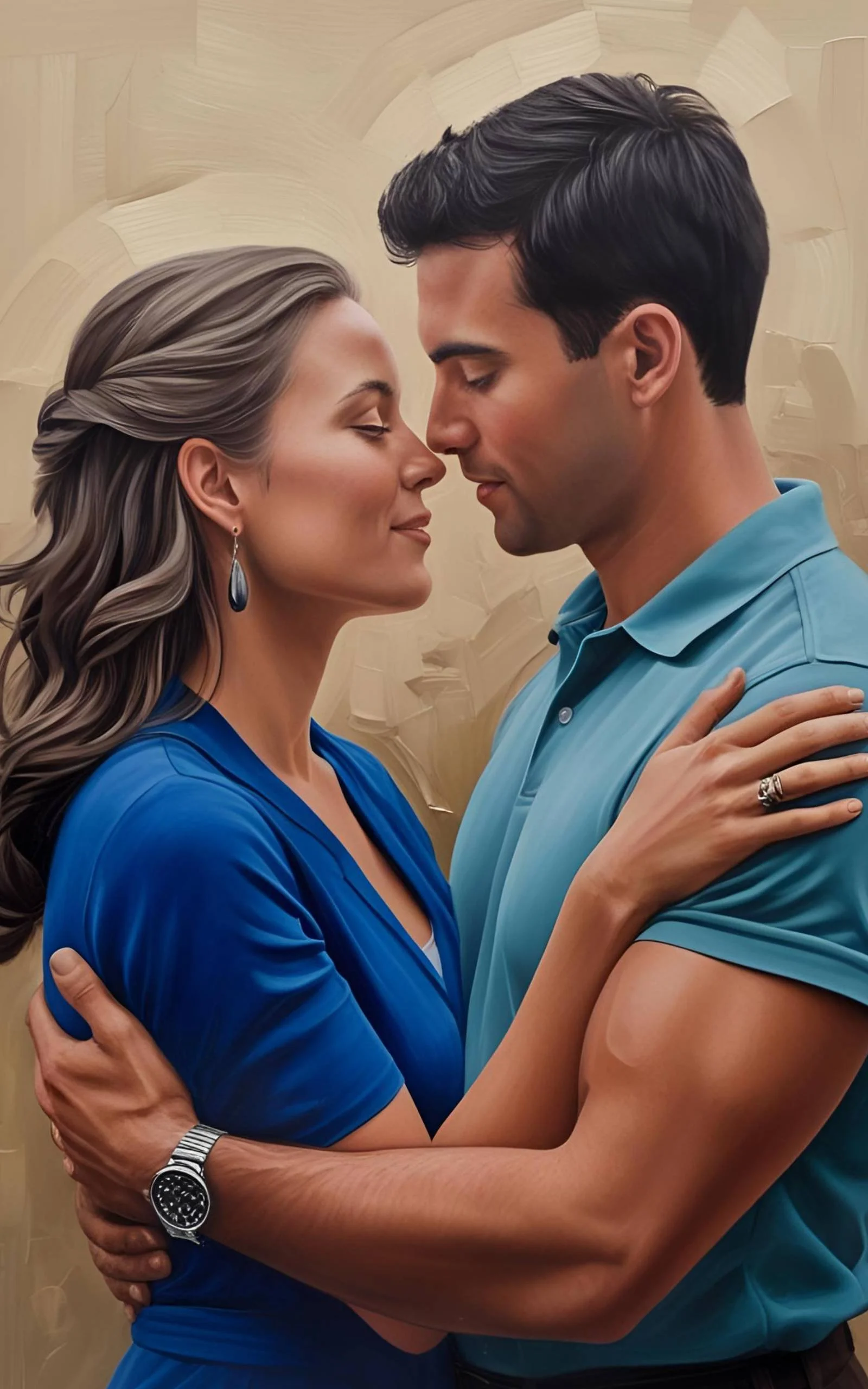
The Speed of Steady
The Speed of Steady is a poem about how sometimes, love doesn’t tiptoe in—it arrives with quiet certainty and stays. It’s about the way my husband became home before I even had time to question it. From moving in within a month, to inviting my mother into our space with open arms, to building a life full of shared adventures and deep, unshakable love—he has been steady from the start. This poem is a tribute to how fast everything changed, and how beautifully it’s held ever since.

The Man Who Made Me Laugh During Our Vows
For the ten days leading up to Sean’s birthday, I wanted to do something special. Something honest, a little sparkly, and very us. So I wrote a series of poems called The Man, The Myth, My Love. It’s a love letter in ten parts—to the boy who baked me an eggless birthday cake, to the man who built me a life with his hands, to the one who makes me laugh mid-vows and holds my whole heart without ever asking me to shrink it. These poems are messy and tender and true. They are not perfect. But then again, neither are we. We're better than perfect—we’re real, and ridiculous, and wildly lucky.
This first one is about our wedding day. The sapphires. The salt. The sunset. And the way I laughed through my vows because joy kept spilling out of me. Here's: The Man Who Made Me Laugh During My Vows

Wrecked in the Most Beautiful Way
Wrecked in the Most Beautiful Way is a poem about how love sometimes shows up unannounced and turns everything upside down in the best possible way. It’s about what happens when the life you planned gets swept aside to make room for something stronger, deeper, and more lasting than anything you imagined. This is the first piece in the All the Ways I Love You series, written in honour of my husband’s upcoming birthday—because the love we’ve built deserves every word, every day, and every reason to celebrate.

This Is the Body You Gave Me?
This Is the Body You Gave Me? is a poetic meltdown in the face of biology, evolution, and a single, mildly breezy poplar tree. It’s for everyone whose immune system reacts to spring like it’s a personal attack, who’s ever wondered how humanity made it this far when their body taps out at air. This poem asks the big questions—like “Was I a divine typo?” and “Why can’t I inhale near nature without crying?”—and answers them with sarcasm, self-pity, and several fistfuls of Kleenex. Evolution had one job. And this is the body it gave us.

Benadryl And Existentialism
Benadryl and Existentialism is what happens when seasonal allergies collide with a spiral into the meaninglessness of existence. This poem is for anyone who’s ever taken an antihistamine and then forgotten what year it is, who’s cried because their eyeballs itched like emotional baggage, and who’s sneezed so violently they briefly met their ancestors. It's allergy season, and nothing is real. This poem probably won’t help—but at least you’ll laugh while your immune system files another unnecessary report.

Slimy
Slimy is a poem about digital trespassing, about the knowing of being watched by someone who’s long since lost the right to be anywhere near you. It’s about the violation of presence—when someone who hurt you keeps showing up, clicking through your life like it belongs to them, pretending it’s harmless. This poem is rage bottled and uncorked, a reckoning for the ones who confuse stalking with curiosity and control with love. It’s for anyone who’s ever felt the slime of an unwanted gaze on something they built with their whole heart.

My Immune System Has Notes
My Immune System Has Notes is a love letter to every hayfever sufferer whose body treats spring like a personal attack. It’s for the folks who can’t open a window without declaring a medical emergency, who sneeze fourteen times before breakfast, and who live in fear of freshly mown lawns. This poem is part comedy, part tantrum, and 100% accurate in its depiction of the immune system as a hyperdramatic intern with a God complex. If you’ve ever cried because a daisy looked at you wrong, this one’s for you.

Piggy Banks And Pocket Squares
Piggy Banks and Pocket Squares is a poem about love given freely—and the grief of realizing it was never truly held with care. It reflects on small, tender moments from the past—a childhood gift, a quiet promise, a symbol carried halfway across the world—and how those memories shatter in the face of betrayal. This is a poem about rewriting what someone meant to you, not because you want to, but because their actions leave you no choice. It’s about the sorrow of remembering someone who no longer exists the way you thought they did—and the quiet devastation of letting go.

My Grief On Fire
My Grief On Fire is a poem about the unbearable heartbreak of losing someone who is still alive—someone who caused irreparable harm and never once truly owned it. It speaks to the devastation of loving someone who broke trust again and again, all while pretending to be the one wounded. This poem is about facing the unforgivable, grieving the version of them you once believed in, and drawing a final line not out of anger, but out of necessity. It is a sorrowful severing, a burn that won’t stop aching, and the hardest truth of all: that some people would rather destroy than change.

Furby Street
Furby Street is a nostalgic love letter to a time that can never be repeated but will never be forgotten. It’s a celebration of the strange magic that happens in student houses—the friendships built through perogies, late-night TV, and shared weather complaints in -52°C wind. This poem remembers a wild little house in Winnipeg where laughter echoed louder than the furnace, where groceries came from The Bay, and where the French government unknowingly funded a vodka bottle collection. It’s about being young, freezing, fearless, and full of dreams, and it’s also about the ache of knowing that moment is gone—that we’re older now, scattered, changed. But for a while, we had Furby Street. And we’ll carry it with us, always.

I Wish I Could Talk To You About Billy Idol
I Wish I Could Talk To You About Billy Idol is a poem about the strange grief that comes with losing someone who is still alive—someone who meant everything once, and who chose harm over love. It’s about the memories that linger, the songs that still catch you off guard, and the heartbreak of knowing the door must stay closed even when you ache to open it. Inspired by the return of Billy Idol and the first time I ever heard his voice, this piece holds space for love that couldn’t survive the truth—and for the kind of sadness that doesn’t fade, only settles deeper.

A Poor Man’s
A Poor Man’s is a poem about imitation without understanding—about what it feels like to be mimicked by someone who neither knows your truth nor honours your struggle. It's a quiet, cutting reflection on envy, projection, and the way some people attempt to wear your identity like a costume, failing to see that essence can’t be borrowed. This poem doesn’t name names, but it knows exactly who it’s speaking to—and says what needs to be said without ever raising its voice.

Bigger Than Themselves
This poem is a reflection on how hate, once nurtured, becomes its own kind of religion—blinding its followers even as it consumes them. It speaks to the people who would rather see the world burn than acknowledge their own part in its suffering, those who mistake destruction for conviction and rage for righteousness. In a time when kindness is branded as weakness and division is a political currency, this piece offers a quiet reckoning—a reminder of what’s lost when people choose fury over healing, and how easily a future full of hope can be set ablaze by the hands meant to build it.

This Is Not About Life
This Is Not About Life was written in response to the growing wave of legislation in the United States that is systematically dismantling women's rights. With the fall of Roe v. Wade, abortion bans have swept across states like Texas, Florida, and Louisiana—some criminalizing care as early as six weeks, others outlawing abortion entirely, even in cases of rape or incest. Louisiana has classified FDA-approved abortion pills as controlled substances, while Missouri has attempted to bar women from leaving the state to seek care. Access to birth control is being quietly rolled back, sex education gutted, and pharmacists granted the right to refuse medication. At the same time, child marriage remains legal in many states, and books that teach girls about their bodies, safety, and survival are being pulled from classrooms. In this political climate, women are not just unsupported—they are being erased. This poem speaks directly to that truth.🖤

We Used To Have A Tape
We Used to Have a Tape is a Mother’s Day poem about memory, grief, and the quiet kind of love that lives in the background noise of a life once shared. It’s about the small, sacred moments—a cassette recording, a denim jumpsuit, shortbread and elastic games in the park—that build a mother-daughter bond no narrative can erase. It’s also about the heartbreak of watching others try to rewrite that history, to reduce it to silence, to deny what was real. This poem holds space for all of it: the tenderness, the sorrow, the betrayal—and the unshakable truth that love like this doesn’t disappear, even when the world insists it must.

The Rights They Rage For
The Rights They Rage For is a poem about the violent hypocrisy at the heart of American politics—a system where the right to harm is sacred, but the right to heal is negotiable. It confronts a culture that defends guns, hate speech, and cruelty with unwavering passion, while dismissing healthcare, safety, and dignity as luxuries. This is a piece for everyone who has been told their survival costs too much, that their existence is up for debate, that their rights are conditional while others’ bigotry is protected. It is a reckoning. And it is long overdue.🖤
Poetry by Britt Wolfe
I publish a new poem every single morning. Or mourning. Depends on the emotional forecast. Some are tender. Some are rage in a nice outfit. All of them are my attempt to make sense of the human experience using metaphors, emotionally charged line breaks, and questionable coping mechanisms.
Let me be clear: these poems are fiction. Or feelings. Or both. Sometimes they’re exaggerated. Sometimes they’re the emotional equivalent of screaming into a throw pillow. Sometimes they’re just a vibe that got out of hand. They are not confessions. They are not journal entries. They are not cry-for-help-coded-messages. (I have actual coping strategies. And group chats.)
Poetry, for me, isn’t about answers. It’s about shouting into the abyss—but rhythmically. Some pieces will whisper, “Hey… you okay?” Others will show up uninvited, grab you by the collar, and scream, “SAME.” They’re moody, messy, and occasionally helpful—kind of like me.
You’ll find themes running through them like recurring nightmares or that one playlist you swear you’ve moved on from. Love. Grief. Identity. Joy. Ruin. It’s all here, jostling for attention like emotionally unstable toddlers on a sugar high.
Think of these poems as an ongoing conversation—one I started, overshared during, and have now awkwardly walked away from. Good luck with that.
There’s a line in Alice in Wonderland where the Mad Hatter tells Alice she’s lost her muchness. I think about that a lot—how the world teaches us to tone ourselves down until we disappear into something more digestible. The Graveyard of Muchness was born from that quiet grief, from the realisation that most of us have buried our own brilliance just to be seen as reasonable. It’s about walking through the cemetery of all we’ve abandoned—our wonder, our defiance, our wild, luminous selves—and daring to listen for the laughter still echoing beneath the soil.💚