Hope Is Resistance by Britt Wolfe
Hope is not fragile, and it is not polite. It does not sit patiently, waiting for permission. Hope is a fist through the silence, a spark in the tinder, a refusal to bow when bowing would be easier. It is resistance—not in theory, but in practice. Because to keep believing in better when the world insists on worse is the most radical thing we can do.
These are poems written from that place—the marrow-deep conviction that words matter. They are not decorative. They are not ornamental. They are a blade sharp enough to cut through the theatre of cruelty and a balm for those who still dare to dream. If you came here for neutrality, you will not find it. (You may, however, find your spine straightening. Side effects vary.)
So read on, if you must. Rage with me, laugh bitterly with me, roll your eyes with me at the absurdity of tyrants terrified of library cards. Here, in this corner of my work, hope and resistance sit together at the table, refusing to leave quietly. And if that makes anyone uncomfortable—good. It was never meant to be comfortable
What We Call the Problem
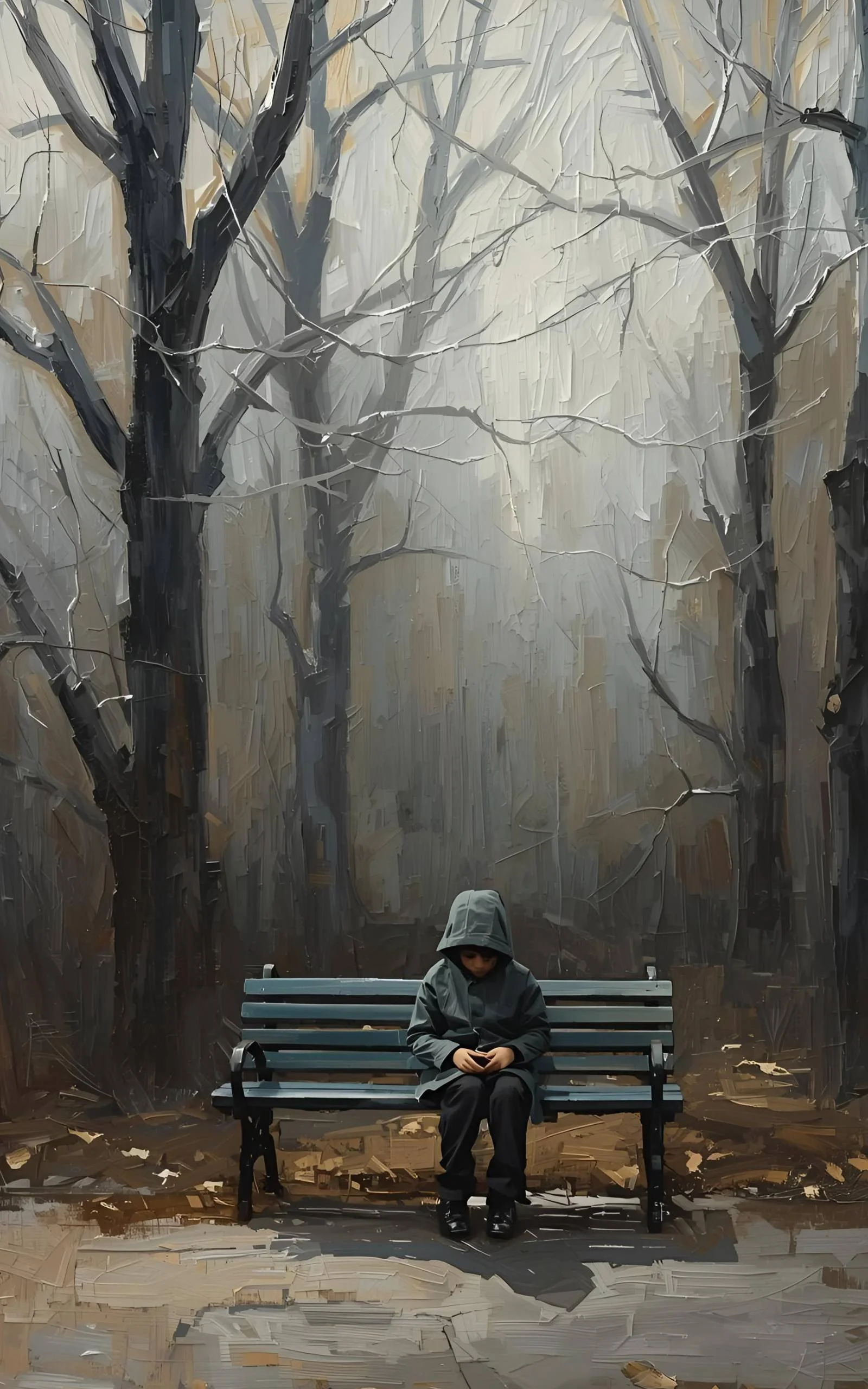
We talk about addiction as if it exists in a vacuum — as if people simply choose despair, as if we didn’t build the world that breaks them. What We Call the Problem is a reckoning with that hypocrisy. It’s a poem about the faces we step over downtown, the lives lost to systems that profit from suffering and call it progress. It confronts the legacy of overprescribed pain, of capitalism without conscience, of a society that teaches children their worth is conditional — and then blames them for not surviving it. This poem asks us to stop calling people the problem and start calling them what they are: the evidence of our collective failure to love one another enough. 🕊️
Fellowship at the Table
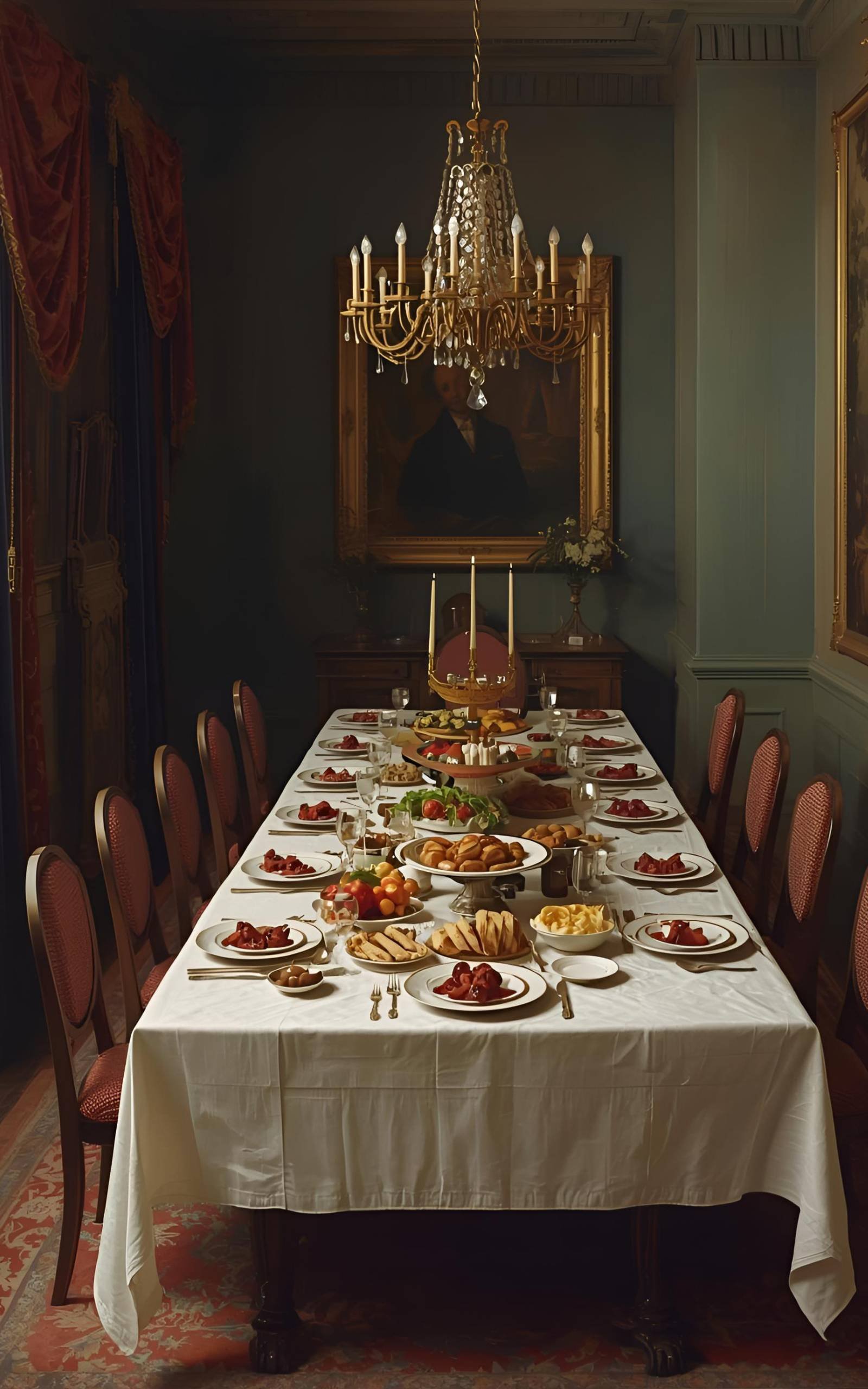
So much of modern faith has forgotten its heart — mistaking performance for devotion, purity for holiness, exclusion for order. Fellowship at the Table is a return to what was always sacred: radical hospitality, lavish acceptance, and the barrier-breaking love at the centre of every true faith. It’s a reminder that your God does not demand perfection, only presence; that the table of belonging was never meant to be guarded, only gathered around. This poem invites us to come as we are — our doubts, our wounds, our wild, unpolished selves — and to make room for others to do the same. Because faith is not a contest of righteousness. It’s the simple, miraculous act of saying, sit with me anyway.🕊️

The Quiet Ones
Women are taught to live in contradiction — to be small in the world and boundless within it. The Quiet Ones is about that impossible duality: the dissonance between how we’re seen and who we really are. It’s a poem about the noise of perception drowning out the truth of our power, about the violence of being misnamed and misunderstood, and the quiet rebellion of existing anyway. Beneath the softness the world demands lives a river — ancient, relentless, and waiting for permission to flood. This is for every woman who’s ever been called gentle while holding a storm in her chest.🕊️
I Don’t Want to Make History(I Want to Be One of Many)
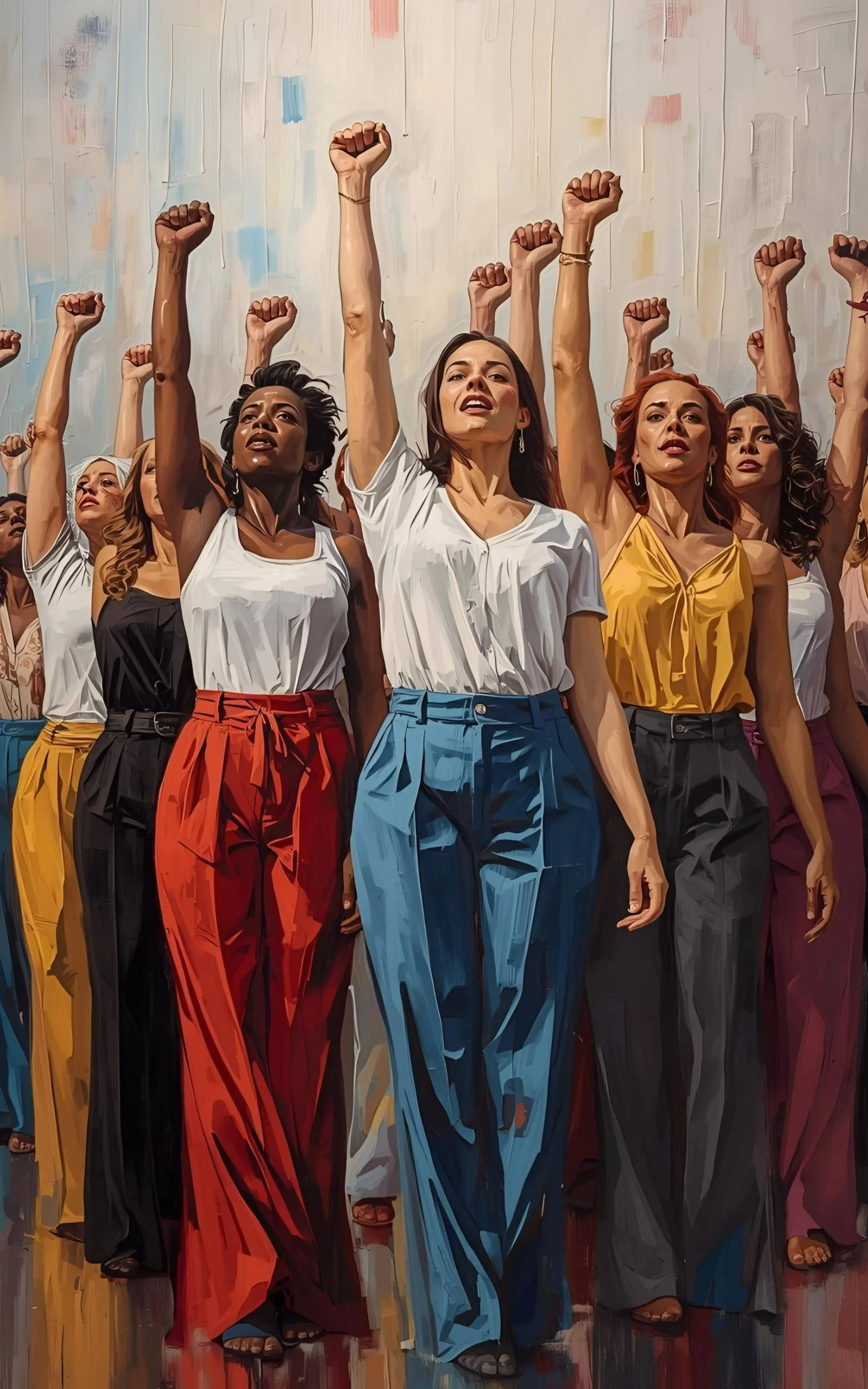
Women are so often told to make history — to be exceptional, to break barriers, to be the first. But the truth is, that’s not freedom; it’s fatigue. I Don’t Want to Make History (I Want to Be One of Many) is a rejection of the mythology of the “first woman” and the loneliness it carries. It’s a poem about wanting a world where women’s achievements are no longer extraordinary, where equality isn’t newsworthy, and where the act of simply existing isn’t framed as defiance. This is a love letter to the future — to the chorus of women who will stand together, unexceptional and unstoppable, because they finally can.🕊️
The Armchair Activist
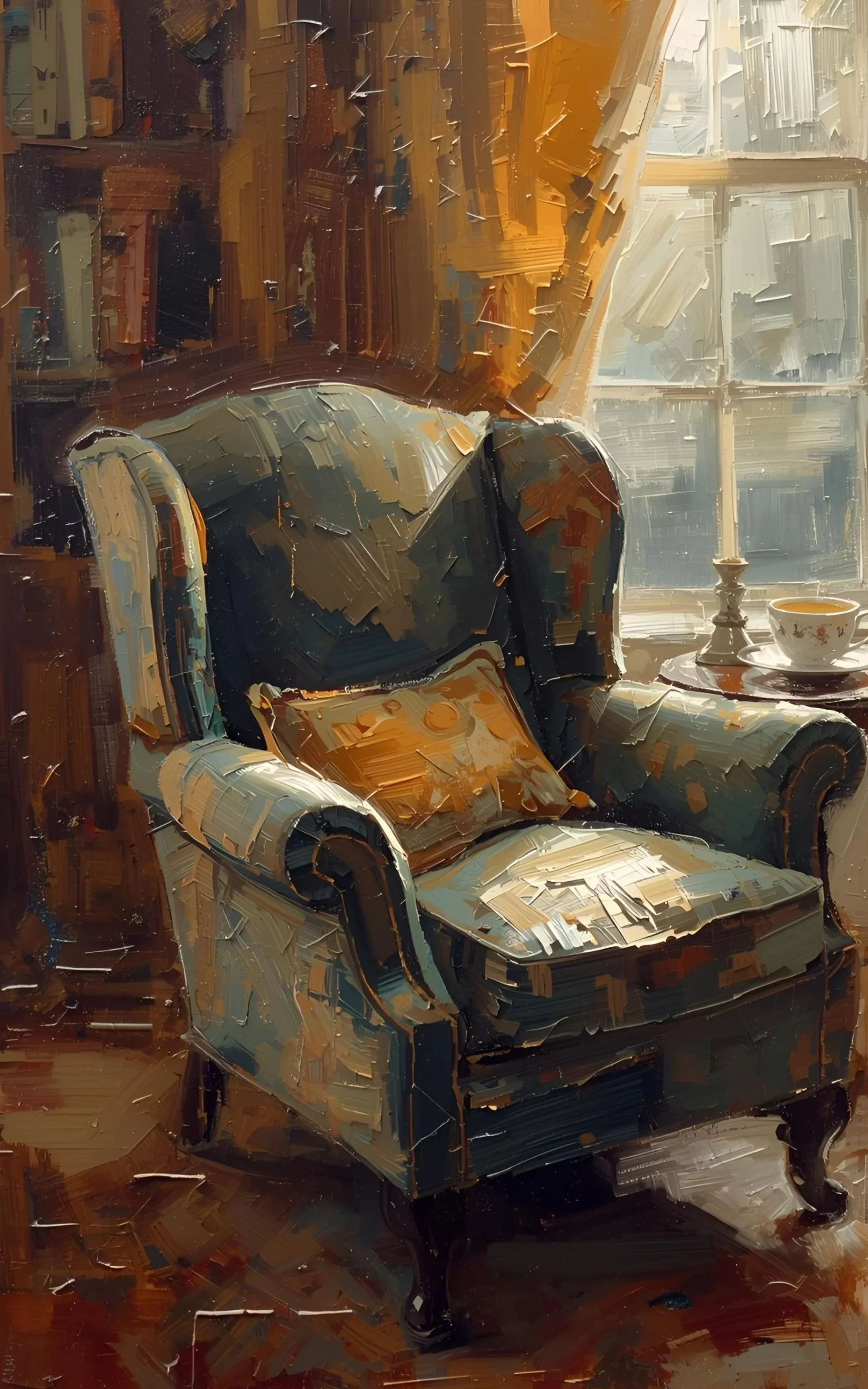
We live in an age where performance often masquerades as progress — where outrage is curated, and empathy ends when the Wi-Fi does. The Armchair Activist is a reckoning with that hypocrisy, a verbal dissection of moral vanity disguised as virtue. But beneath its bite lies something deeper: a plea to remember the real fight. This isn’t a competition for who can look the most enlightened; it’s a battle for who stays awake while hate reorganizes itself into power. The poem asks us to stop policing one another’s imperfection and turn our eyes outward — toward the systems and voices that are turning cruelty into policy. Because in the end, awareness means nothing if it never leaves the chair.🕊️
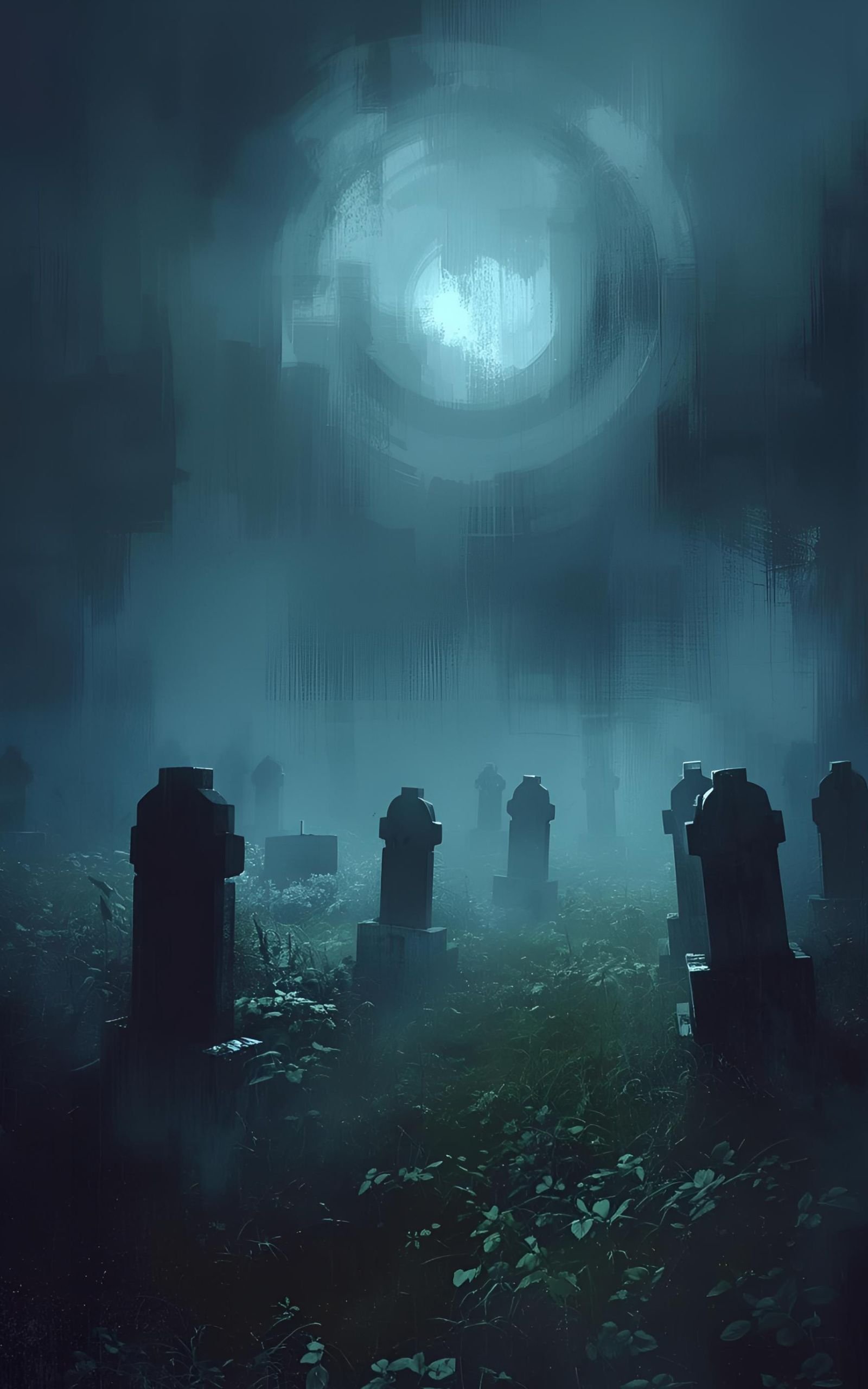
The Graveyard of Morality
There comes a point when outrage begins to sound like mourning. The Graveyard of Morality is an elegy for the virtues buried by greed, fear, and the politics of power — but it’s also a call to the living. It’s about standing knee-deep in the wreckage of decency and daring to remember what once made us human. This poem speaks to those who still light candles in the dark, who still whisper words like empathy and truth as if they are spells. It’s a reminder that morality may be buried, but it is not dead — and that tending to its grave is, itself, an act of resurrection.🕊️
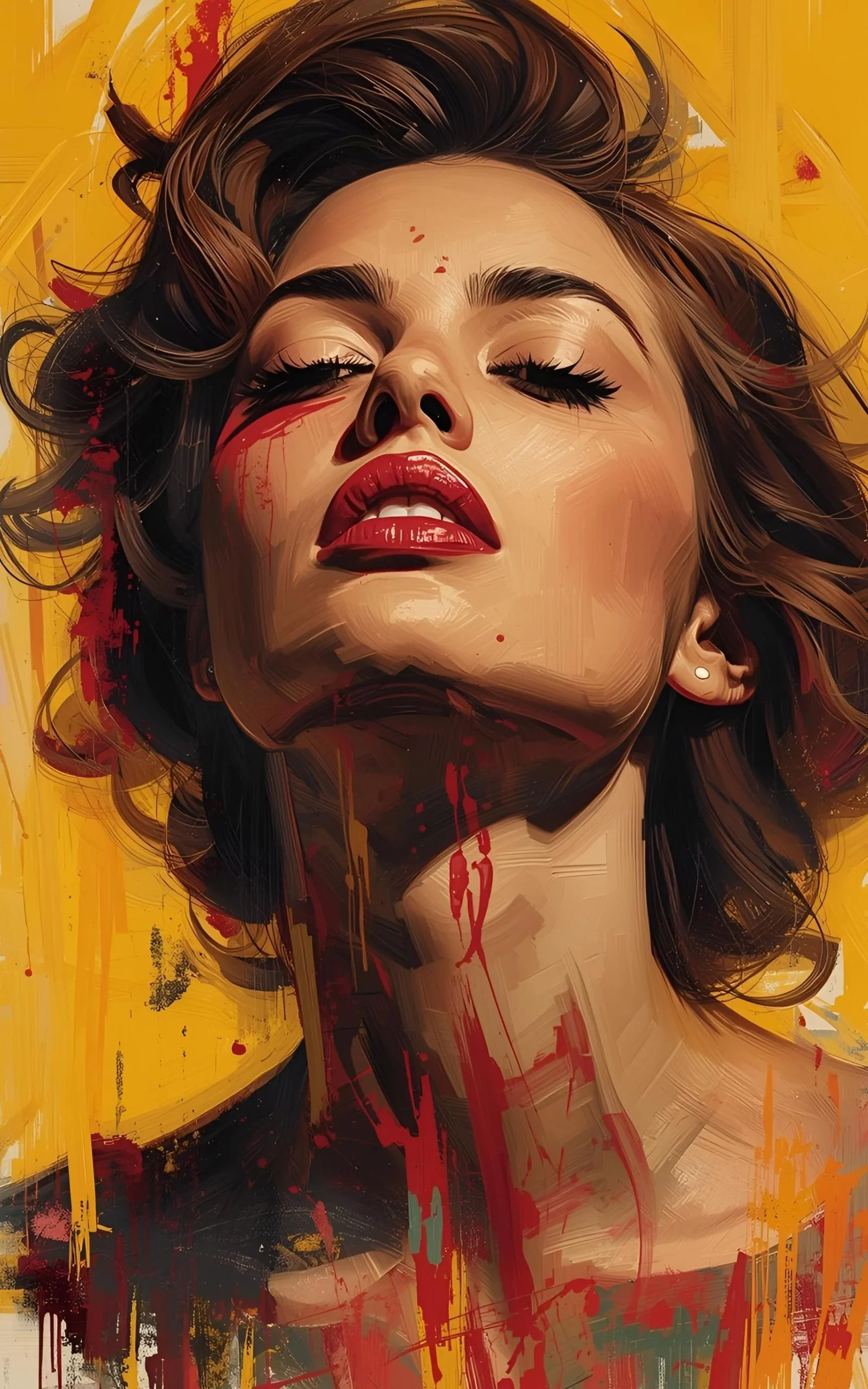
They Controlled My Body, Then They Commented On It.They Made Me Less Than, Then They Stole My Pockets (I Want My Fucking Pockets Back)
There’s a particular kind of fury reserved for the quiet thefts — the ones so ordinary we’re taught to thank the thief. They Controlled My Body, Then They Commented On It. They Made Me Less Than, Then They Stole My Pockets. I Want My Fucking Pockets Back. is a battle cry for every woman who’s been silenced, censored, dressed up, dressed down, legislated, laughed at, and still expected to smile about it. It’s about the absurdity and exhaustion of centuries of control disguised as care, and the radical act of reclaiming space — physical, emotional, and literal. It’s not just about pockets; it’s about power, autonomy, and the right to carry our own lives in our own hands.🕊️

The Last Thought He Owned
The Last Thought He Owned is a dissection of one man’s intellectual decay — the slow conversion of curiosity into doctrine. It follows a self-proclaimed freethinker as the algorithm flatters, simplifies, and finally consumes him, leaving only conviction where complexity once lived. Told in the language of cross-examination, this poem exposes the hollow theatre of certainty: the man who mistakes his echo for evidence, his bias for bravery, and his obedience for independence. It’s not a tragedy. It’s a deposition — and the verdict is already written.🕊️

The Choir of One
The Choir of One is a poem about the illusion of individuality in the age of algorithms — the echo chamber masquerading as free thought. It imagines a chorus of men, each convinced he’s the sole voice of reason, chanting the same slogans in perfect unison. It’s about how certainty becomes communion, how rebellion becomes brand, and how the language of independence can be co-opted into the loudest conformity of all. This poem is both indictment and elegy — a requiem for critical thought, sung by those who believe they invented it.🕊️

Man in a Feedback Loop
Man in a Feedback Loop traces the digital fossilization of a single mind — a man who begins as curious and ends as convinced. It’s a study in how ideology seduces intelligence: how the algorithm rewards outrage, how repetition becomes religion, and how conviction calcifies until there’s no room left for air. Each scroll is another stratum, another deposit of certainty, until what was once fluid thought hardens into dogma. This poem is about that burial — the slow, silent extinction of curiosity beneath the weight of its own reflection.🕊️

The Mirror Learns to Talk Back
In the digital age, seduction doesn’t come with a face — it comes with an algorithm. The Mirror Learns to Talk Backimagines the voice of that machine: smooth, omniscient, and intimate enough to feel like love. It’s the whisper that flatters and isolates, convincing lonely men that they’re enlightened while feeding them the same recycled outrage disguised as revelation. This poem is about the danger of being seen too perfectly, too constantly — about the algorithm that doesn’t just learn who you are, but who you’ll become when it starts speaking in your own voice.🕊️

The Ladder Burns Behind Them
There is no hypocrisy more grotesque than the ladder paradox — the spectacle of those who were lifted by collective care only to condemn it once they’ve reached the top. This poem is an indictment of that moral amnesia: the politicians, the pundits, the profiteers who were raised by public education, public healthcare, and public kindness, and who now spit on the very hands that steadied them. It is a reckoning with the violence of ingratitude — a reminder that the ladder they burn was never theirs alone, and that someday, the smoke will spell their names.🕊️

The Audacity of Existing
This poem was written out of exhaustion—exhaustion with the constant politicization of existence. Loving someone, changing your body, choosing your pronouns, living as yourself—none of that is political. It’s personal. It’s human. Yet again and again, those in power twist identity into outrage, convincing people to vote against their own best interests just to punish others for living freely. The Audacity of Existing is a reminder that equality is not a debate, humanity is not a platform, and other people’s joy is not your oppression. 🕊️

The Commerce of Contempt
This poem was written in mourning for the way humanity itself has been politicized. I wanted to explore how the right has built an empire out of fear—turning joy, gender, love, and simple existence into weapons of distraction, so their followers will vote not for progress but for punishment. The Commerce of Contempt is a meditation on that manipulation—how the powerful manufacture outrage to conceal greed, how ordinary lives are twisted into symbols, and how, despite it all, love remains our quiet defiance. Because living freely, tenderly, authentically, will always be the most radical act of all. 🕊️

When Hate Becomes Policy
This poem was written out of the deep grief and anger of watching what happens when politics is no longer about policy, but about hate. When leaders like Danielle Smith (and Trump before her) thrive not because they offer solutions, but because they promise punishment—punishment of the vulnerable, of the different, of the people their supporters already resent. It doesn’t matter if those same supporters are suffering too, if they’re being stripped of their own healthcare, their own future—it only matters that someone else suffers more. When Hate Becomes Policy is a reckoning with that bargain, and a reminder that cruelty is not strength, and hate is not leadership. 🕊️
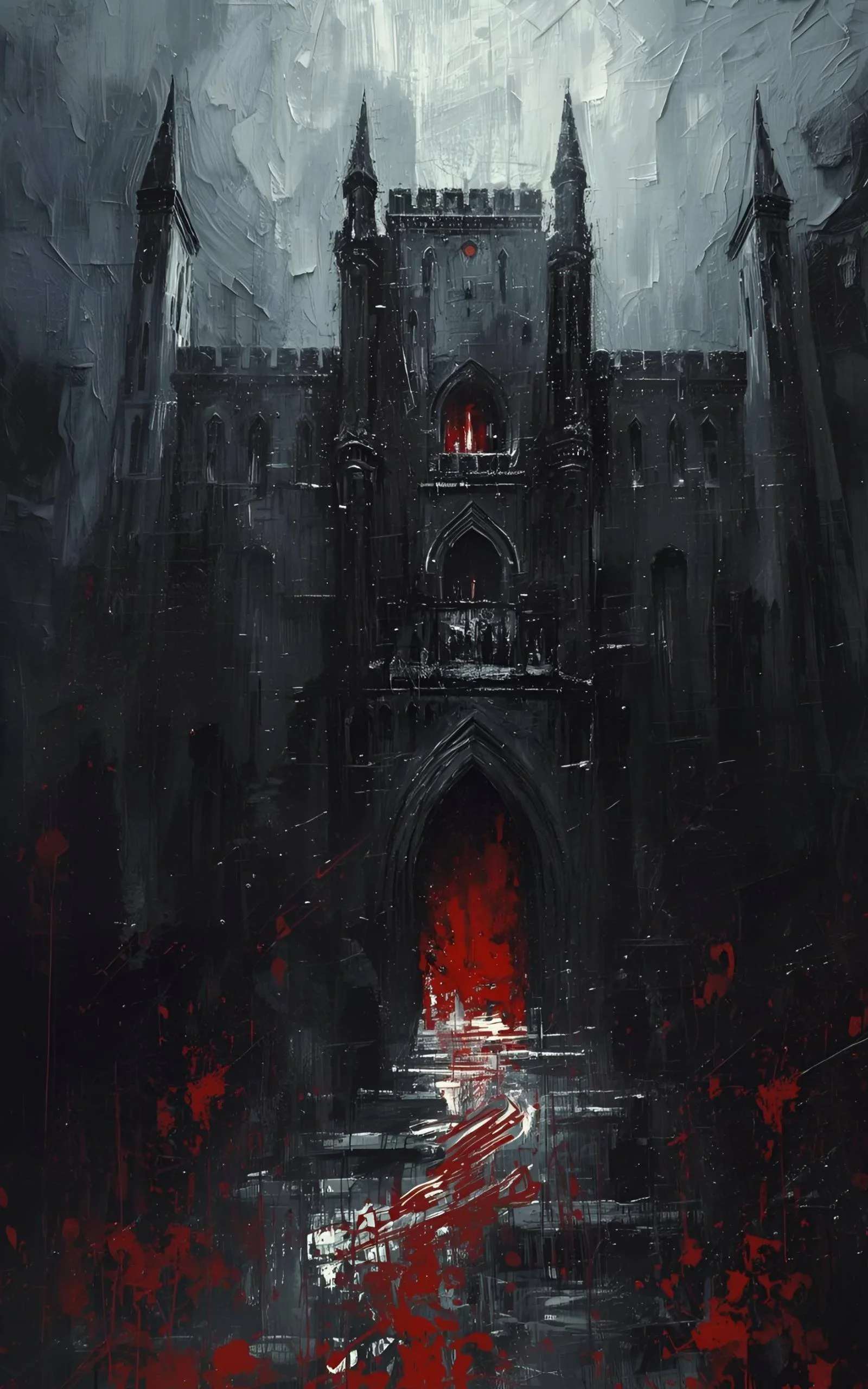
The Silence That Votes
This poem came from a place of grief and fury. Evil clawing for power is no surprise—it always has, and it always will. What devastates me is how willingly so many surrender their own freedoms just to watch someone else lose theirs. How they cheer for cruelty as though it were justice, how they vote against their own lives if it means punishing those they do not want to exist. The Silence That Votes is a reckoning with that truth: that tyranny survives not only through those who seize power, but through those who stand by and let it happen.🕊️

The Crown of Ash
This poem was born out of frustration and fire—out of watching Alberta’s so-called “freedom” rebranded as privatization, censorship, and the slow starving of the very people who built this province. The Crown of Ash is not just a warning—it’s a reminder. That every library they close, every hospital they gut, every voice they try to silence is fuel for the change already gathering. They may call it chaos when the people finally rise, but we will know the truth. We will call it justice.🕊️
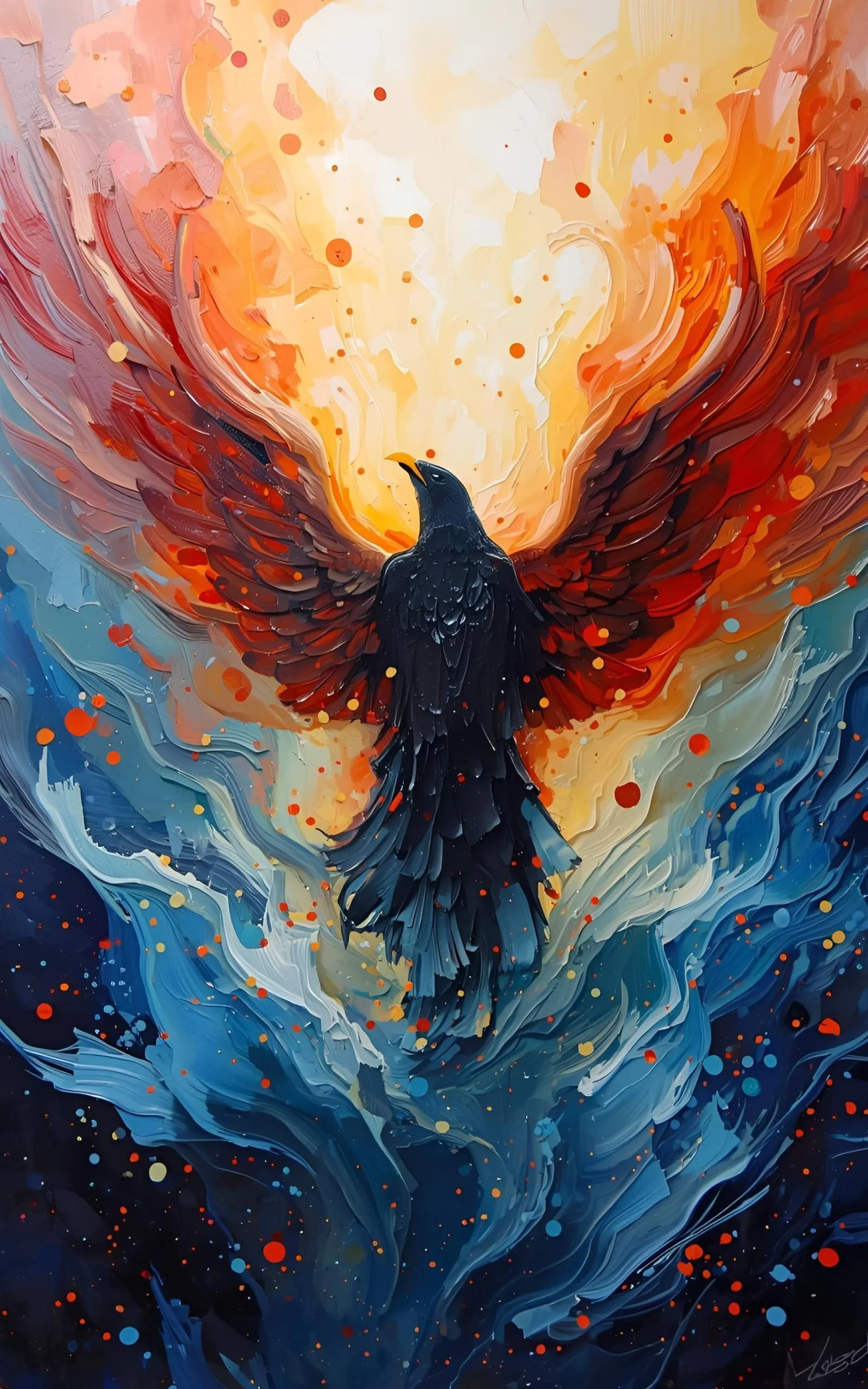
What I Feel Coming in the Air Tonight
There are moments in history when you can feel the air itself tightening, when silence is no longer silence but pressure—thick, heavy, impossible to ignore. That’s what I wanted this poem to capture: the sense that we are standing at the edge of something immense. Not the soft kind of change, but the kind that rattles foundations, that collapses rotten scaffolds, that makes the powerful tremble and the weary breathe again. This poem is for anyone who has ever felt that pull in their bones, that certainty that the world cannot stay as it is. It is a reminder that what they will call chaos, we will name as freedom. What they will fear, we will claim as hope.🕊️
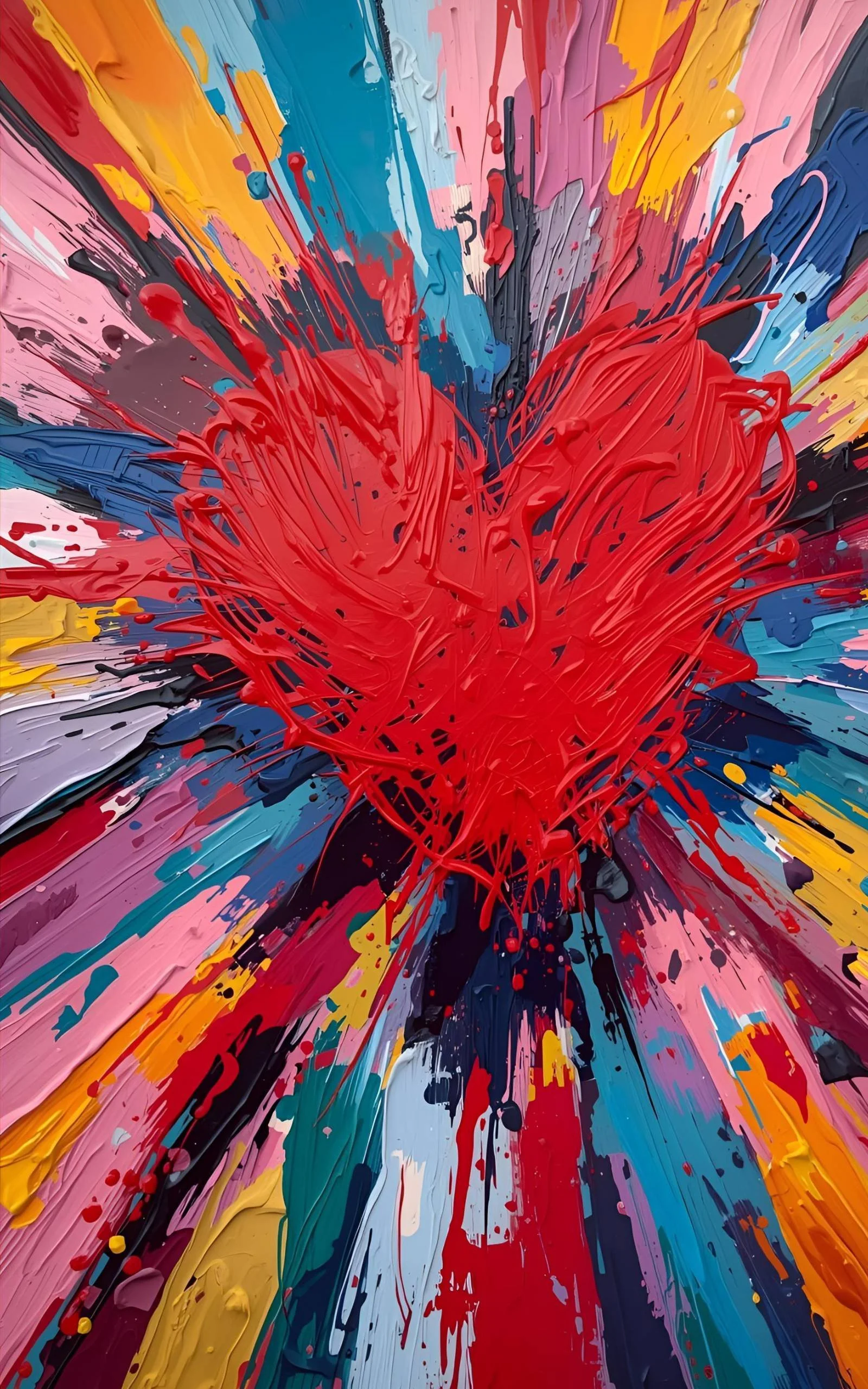
Everyone and Everyone
This poem is an invitation and a vow: a vision of a world rebuilt on radical love and stubborn generosity, one wide enough to hold every body, every truth, every strange and glorious way of being. Everyone and Everyone asks us to imagine architecture, language and law that cradle rather than exile, to practise the hard labour of belonging, and to treat acceptance not as softness but as audacious, sustaining work. It is both blueprint and benediction — a lyrical demand that we make room, fiercely and forever, for one another.🕊️
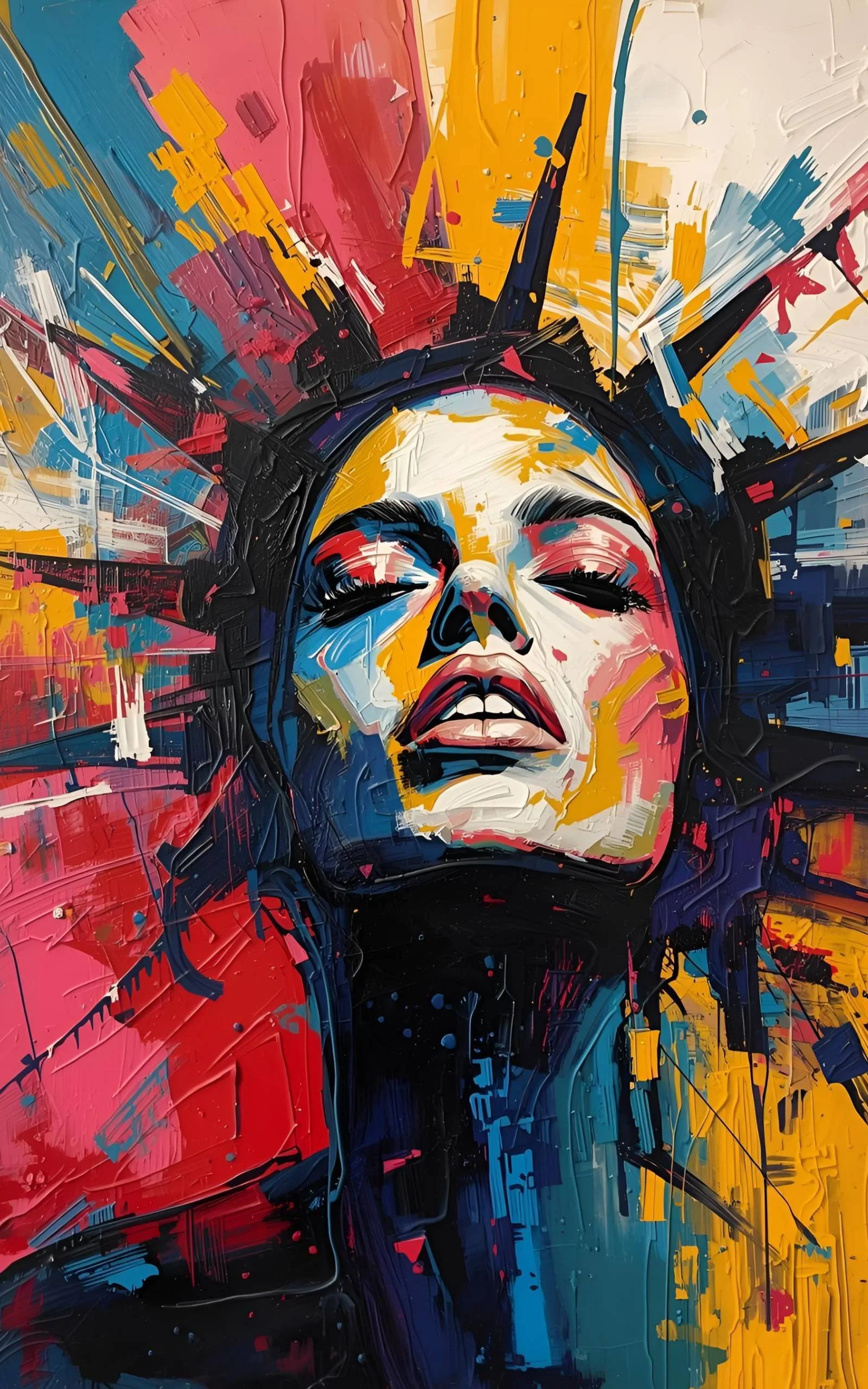
Be Woke, My Friends
The word woke has been twisted, mocked, and wielded as an insult by those who fear its true meaning. But strip away their distortion, and what remains is something powerful and profoundly human: the act of staying awake to injustice, of caring deeply for one another, of refusing to look away when cruelty demands silence. Be Woke, My Friends is a reclamation of that word—a reminder that compassion is not weakness, that justice is not madness, and that choosing to see and to act is the bravest thing we can do.🕊️